
By: Ye Enyi、ZHENG XinyiEdited by: LIU Yutong
More than a toy: how plush “babies” fill an emotional void for Gen Z
- 2025-12-10
- Culture & Leisure
- By: Ye Enyi、ZHENG XinyiEdited by: LIU Yutong
- 2025-12-10
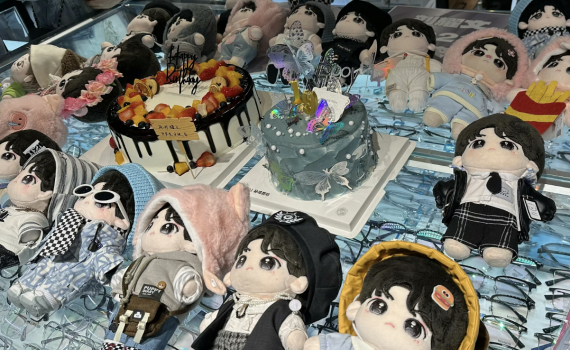
Yin Yunjie, a 24-year-old financial accountant, not only owns plush toys, but also raised them. She talked to it, celebrated its birthday with a cake and worried about it like a parent. Her “baby” is a cotton doll modeled after her idol, Liu Yaowen from the leading popular boy group in mainland China, Teens in Times, also known as TNT. “When I leave for work, I say goodbye. When I come home, I hug him first,” she said. “If I don’t come back at night, I’m afraid he’ll be scared sleeping alone and feel lonely.” “It truly became an indispensable part of my life,” she added. Yin represents a growing Gen Z trend of "cyber parenting," where plush toys like Labubu, Chiikawa, and Jellycat are raised as emotional companions rather than mere collectibles or decorations. This shift is emerging alongside the rapidly expanding plush toy market, which is projected to grow at a compound annual growth rate of 8.1% from 2025 to 2032, led by the Asia-Pacific region at 9.6%, according to Persistence Market Research. In addition, Gen Z builds identities and communities around their plush “babies”. These toys provide comfort and a sense of stable connection, filling a gap left by fragmented real-world relationships, according to Wong Ho-chun, 29, assistant professor of sociology and social policy department at Lingnan University. While millennials and Gen X might cherish stuffed animals for comfort or decoration, Gen Z engages in “cyber parenting,” said Wong. “The contemporary world is fragmented and high-pressure, demanding constant multitasking and production,” Wong said. “But dolls are always there to be with them and ‘listen’ to their thoughts as the outside world changes quickly.” “In this context, plush toys fill a void, serving as both an emotional comfort and a compensation for diminished social interaction,” Wong added. Yin …
FinTech Week 2025: Hong Kong Advances Asset Tokenisation Agenda Amid Industry Concerns Over Implementation
- 2025-11-10
- By: Zhou Xinying、Wang YunqiEdited by: XIA Fan、BO Chuxuan
- 2025-11-10
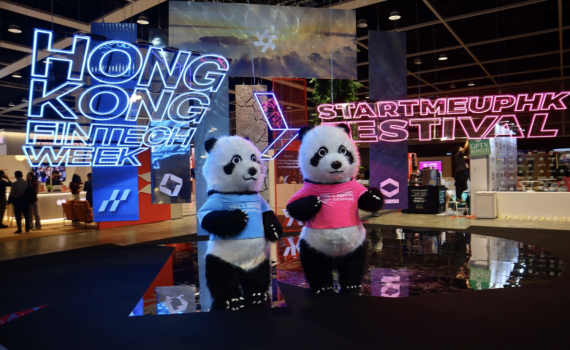
Hong Kong FinTech Week has unveiled “Fintech 2030” to reiterate its ambition for the tokenisation of real-world assets, with fintech exhibitors highlighting RWA bottlenecks. Eitan Katz, the CEO and Co-Founder of Kima, a company that focuses on atomic settlement at the forum, emphasises several significant challenges of RWA today: technical challenges, compliance-related and regulation-related challenges, operational challenges, and business challenges. “The core technical challenge we’re addressing is connecting two financial worlds - traditional and digital,” he said, “The risk today is that these are disparate ecosystems, assets can be issued on-chain without true backing in the real world, and they cannot be transferred between ecosystems.” Under the “Fintech 2030”, Eddie Yue Wai-man, Chief Executive of the Hong Kong Monetary Authority (HKMA), reinforced “tokenised finance” as one of the four strategic pillars. “To build a vibrant tokenisation ecosystem in Hong Kong, the HKMA will accelerate the tokenisation of real-world assets (RWAs), including financial assets, and lead by example by regularising the issuance of tokenised government bonds and exploring the concept of tokenising the Exchange Fund papers,” said Yue during his keynote speech. Such an address aligns with broader efforts, as Hong Kong has been pushing to position itself as a leading crypto hub in Asia by rolling out a licensing regime for stablecoins, a type of currency-pegged digital asset, alongside various tokenisation pilot programs. “We will now begin incubating mature real-value use cases where tokenised deposits can offer significant advantages, starting with tokenised money market funds,” said Yue. By converting traditional assets into digital tokens, Hong Kong aims to expand liquidity and bridge established financial instruments with decentralised digital markets. Meanwhile, the city’s regulatory action on stablecoin is another hot topic among exhibitors. "Hong Kong provides clear requirements, mandating that stablecoin issuers maintain a certain level of capital reserves. This regulatory …

Hong Kong Eco Expo Asia 2025: Cost concerns shadow ESG push as Hong Kong firms seek greener image
- 2025-11-04
- Business
- By: ZHONG Xinyun、CHEN Yongru、LIN XiaoyouEdited by: WANG Ruoshui、BO Chuxuan
- 2025-11-04
The 20th edition of 2025 Eco Expo Asia wrapped up on Friday at Hong Kong AsiaWorld-Expo, with exhibiting firms promoting Environmental, Social, and Governance (ESG) transformation for a better image. Carmen Lau, the assistant marketing manager at ESGreen, an ESG-driven motor tech firm, said that as people pay increasing attention to environmental issues, such as extreme weather conditions, the company will prioritise ESG practices to enhance its brand image. Markus Ho, the sustainability strategies manager of Allied Environmental Consultants Limited, a sustainability and environmental consulting firm, said companies such as real estate developers or those in the financial industry can better promote ESG-related actions when they have extra resources due to their relatively abundant resources. “As a business platform for ESG and sustainable solutions, the Expo will showcase the latest products and technologies in new energy, green living, and environmental protection,” said Jenny Koo, HKTDC Deputy Executive Director, at a press conference in early October ahead of the event. According to a study by Hong Kong Trade Development released this June, the city gained 64.2 points in the ESG Index, with respondents from Mainland China giving the highest rating of 69.1, underscoring the city's reputation as an ESG business hub. https://public.flourish.studio/visualisation/25951653/ The banking and financial services sector had the highest percentage of practitioners engaged in sourcing or providing ESG solutions, followed by the fashion industry and the international trade and manufacturing industries. Cost is one of the challenges companies face when implementing ESG standards. “(The aspect that) is difficult to advance is probably the cost,” said Lau. “It is necessary for that company to invest first, and then there will be profits.” Oscar Chan, the product owner of Green AI Technology Limited, a company that uses AI to track the quantity and weight of recycled items, also highlighted cost concerns. …
Hong Kong eyes tech-driven online platform for port community to catch port trade opportunities| LSCM Logistics Summit 2025
- 2025-10-11
- Business
- By: TANG Siqi、CHEN YongruEdited by: WANG Ruoshui、BO Chuxuan
- 2025-10-11
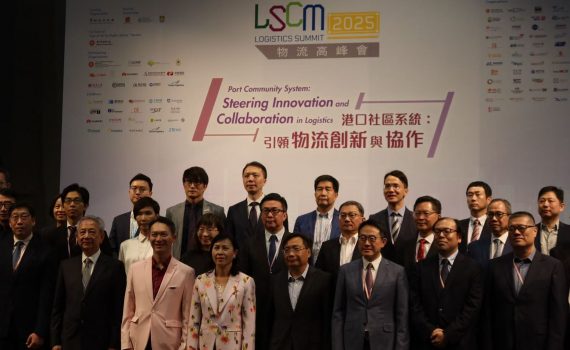
The city’s officials and industry leaders emphasised the Port Community System, an electronic platform to optimise port operations and seize opportunities in the evolving port trade market, at this year’s Logistics Summit on Friday. The PCS, which caught the attention in numerous discussions among industry experts, refers to a digital platform that leverages cutting-edge technology to “provide a comprehensive, real-time cargo tracking function, creating a seamless digital thread that connects sea, land, and air networks,” according to an opening remark speech delivered by Mable Chan, Secretary for Transport and Logistics, on Friday morning. According to government data citing Alphaliner's ranking of the world's top 30 container ports, Hong Kong fell to 11th place in 2023 from 8th place in 2019. Alphaliner’s latest ranking shows Hong Kong dropped further to 13th place in 2024. Kazunori GOTO, the deputy head of the Yusen Logistics Global Management (Hong Kong) Limited, mentioned that many logistics companies today only provide basic transportation services, which fail to meet customers' demands for visibility. GOTO stated that the logistics process involves seven participants, including factories, customs, and end-users, and the complexity of communication between these links often leads to disconnections, resulting in inefficiencies, delays, and information gaps. Kenneth Law, the manager of LSCM, stated that compared to traditional ports, the PCS platform integrates all information on a single platform, which significantly improves information accessibility. Law believes that this system will reduce corporate costs in areas such as IT and cargo tracking, effectively lowering transaction costs and thereby driving the overall development of the port economy. Chan believes that the PCS can directly enhance Hong Kong's competitiveness as an international trade, finance and logistics hub. "By its nature, it is government-run, it is official, so in a way it instils and upholds a high level of confidence in …
Tourist numbers rise but shoppers report cautious purchasing at Mid-Autumn Festival
- 2025-10-07
- By: Zhou Xinying、Yau Ka MingEdited by: XIA Fan、BO Chuxuan
- 2025-10-07
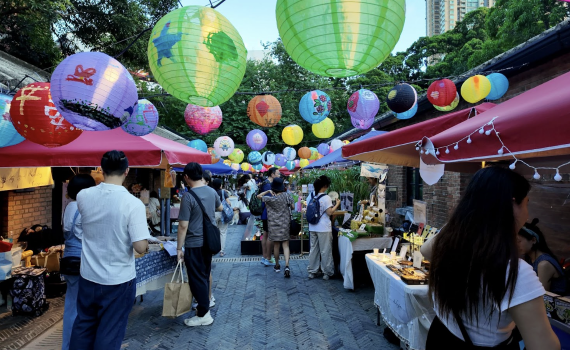
Consumers at the Mid-Autumn festival night markets showed weak purchasing desire, despite increased visitor numbers reported by the government during the double-festival period. Sheen Zhang, a local who visited the Mid-Autumn Lantern Carnival in Victoria Park with her husband, said they are here to experience the festival’s vibe instead of purchasing. She prefers more budget-friendly options on Taobao, an online shopping platform, when considering shopping. Vinchi Cheung, a retail seller at LIFE MART Mid-Autumn Festival Market in Lai Chi Kok, found that consumers are more hesitant and less eager to spend than in previous years, as most of their purchases over the festival were limited to essential and rational expenditures. “Sales during the Lunar (Chinese) New Year were better, as customers were less price-conscious and more willing to buy,” Cheung added. This year’s Mid-Autumn Festival coincided with the Mainland’s 8-day Golden Week holiday. While mainland tourists enjoyed extended vacation time, Hong Kong residents had only two extra public holidays, October 1 and the day after the Mid-Autumn Festival. Paul Chan Mo-po, the Financial Secretary of this city, shared on his blog that 877,000 mainland tourists visited Hong Kong in the first four days of Golden Week, a 7% increase over the same period last year. This influx led to a surge in border crossings in early October, surpassing those of other months. https://public.flourish.studio/visualisation/25499933/ Driven by Golden Week, the cumulative number of mainland border crossings in the first six days of October was significantly higher than the cumulative mainland border crossings in the first six days of other months. This cautious consumer behaviour is part of a broader shift in visitor spending patterns that has emerged over the past few years. Compared to 2023, daily per capita spending by inbound tourists in 2024 has declined, with many prioritising festive experiences, …
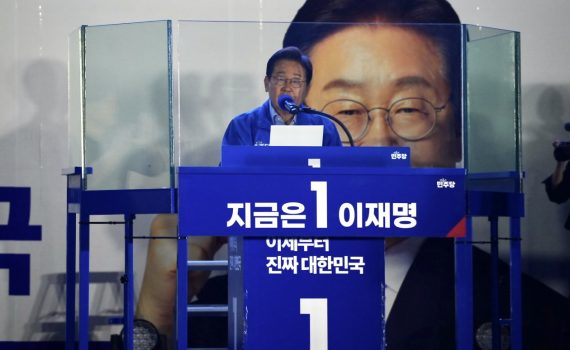
Photo Gallery: South Koreans choose their new president after six months of political chaos
- 2025-06-05
- Society
- The Young Reporter
- By: Wang Yunqi、BO ChuxuanEdited by: BO Chuxuan
- 2025-06-05
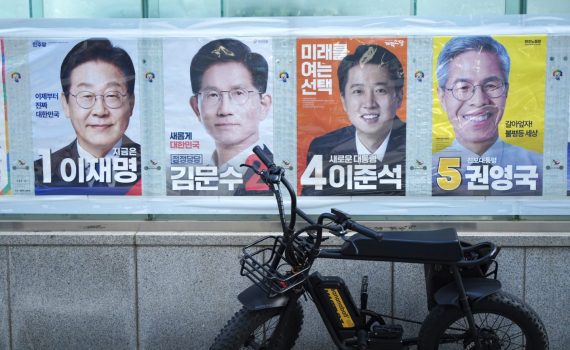
SEOUL – The South Korean presidential election wrapped up with liberal party leader Lee Jae-myung winning the presidency and being sworn in on June 4, bringing an end to six months of political chaos since martial law. Lee Jae-myung won with 49.42% share of votes, amounting to 17,287,500 ballots, the largest number of votes in South Korean presidential election history, according to Yonhap News Agency, while voter turnout reached 79.38%, the highest since 1997, reflecting a high level of public mobilisation. Besides Lee’s victory, Kim Moon-soo, leader of the conservative People Power Party, received 41.15% of the vote, as the previous party leader’s martial law declaration received wide criticism, with Lee Jun-seok of the Reform New Party securing 8.34% of the votes, who emphasised on political reform and youth empowerment. The remaining two candidates, Kwon Young-guk and Song Jin-ho, received 0.98% and 0.1% of the votes, respectively. According to a May poll conducted by Gallup, there were notable differences in support rates across age groups. Lee Jae-myung enjoyed higher support among people in their 40s and 50s, while Kim Moon-soo was more favoured by those in their 60s and 70s. And Lee Jun-seok received relatively greater support among younger voters. South Korea faced significant disruptions in high-level diplomatic activity following ex-president Yoon declaring martial law on Dec. 3, 2024, with domestic investors suffering “roller coaster” fluctuation of both the stock market and currency, also driven by the tariff policy initiated by US President Donald Trump. With concerns for the country’s social and security landscape raised, Lee outlined five key missions for his administration during his victory speech, including ending internal conflict, achieving national unity, revitalising the national economy, ensuring national security, and maintaining stability on the Korean Peninsula. “This is a world where things like martial law shouldn’t exist”, said …
South Korea Presidential Election 2025: Korean stocks surge more than 2% after the country’s new president announced
- 2025-06-04
- Business
- The Young Reporter
- By: BO Chuxuan、Wang YunqiEdited by: BO Chuxuan
- 2025-06-04
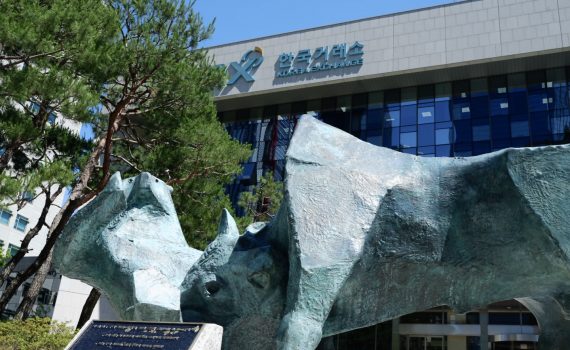
SEOUL –South Korea’s benchmark index surged 2.7% to 2770.84 at close on Wednesday (as of 3:30 p.m. local time) after Lee Jaemyung brought the presidential election to an end with his widely-expected victory at midnight. The Korea Stock Exchange KOSPI Index opened with a rise of 1.4% after a one-day recess due to the election holiday on June 3, reaching a closing high of 2770.84 – the highest level in over 10 months. The index has gained 20.8% since April lows triggered by concerns over Trump’s reciprocal tariff policies. Financial stocks saw significant gains today, with Bookook Securities surging more than 22% while Mirae Asset Securities, SKSquares, and Shinyoung Securities rose about 13%, charging the KOSPI higher. During his campaign, Lee Jae-myung proposed a series of financial policies, such as customised financial services for the underprivileged and debt relief for small business owners. Tech stocks are also leading gains among other component stocks. Chip and appliance maker Samsung Electronics gained 1.8% to 57,800 KRW, with the semiconductor manufacturer SK Hynix surged 4.8%, and aero engine-savvy Hanwha Aerospace gained 1.2%. Lee claimed his presidency and delivered a speech in front of the National Assembly, prioritising the revision of the economy and livelihood to alleviate economic hardship as his second priority in his incoming administration, following the restoration of democracy. “From the moment my victory is confirmed, I will devote every effort to recovering your livelihoods—quickly and decisively,” he said. Lee has also promised to boost the economy by increasing government spending, improving corporate governance, strengthening labour protection, and wrapping up the ongoing tariff talks and exchange rate negotiations with the Donald Trump administration, which may contribute to stabilising market sentiment. The South Korean won strengthened against major currencies on Wednesday, trading at around 1,363 per dollar and 946 per 100 yen as …
South Korea Presidential Election 2025: Students Embrace AI's Future Potential While Questioning Candidates' Preparedness for Tech Leadership
- 2025-06-03
- Politics
- By: Wang YunqiEdited by: BO Chuxuan
- 2025-06-03
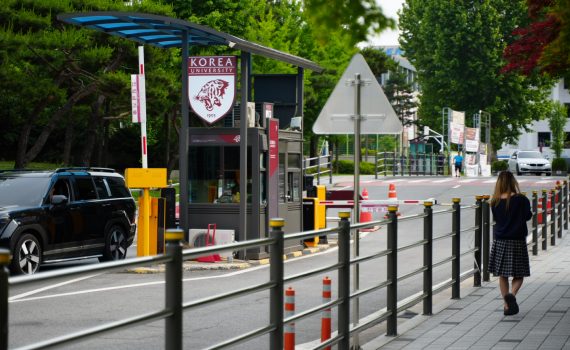
Young voters in South Korea expressed different views on increasing funding for AI development, as some presidential candidates have mentioned AI in their speeches, amid the country's rising financial input for technology research and development. “I think it’s kind of a waste of money because we already have technologies like GPT, and China has DeepSeek. Developing AI requires a lot of information and money,” said Kim Jun Young, an English Education student at Korea University. “Still, we don’t really have sufficient resources to compete on the same level,” she added. Park (assume name), 26, majored in computer science, has also expressed doubts about the practicality and feasibility of AI policies proposed by different candidates. “ I’m doubtful whether they can achieve meaningful advancements in this field,” he said, adding that he thinks many candidates do not understand AI much. South Korea recently increased the research and development budget for 2025 by 16.1 percent year-on-year to a record high of KRW 24.8 trillion (HK$ 141.4 billion) with a focus on cutting-edge technologies such as artificial intelligence (AI), biotechnology, and quantum technology. The ambitious investment aims to position South Korea as a global leader in these fields. Lee Jae-myung, the presidential candidate of the Democratic Party, who leads the poll, has identified AI, renewable energy, and the cultural industries as essential tools for addressing South Korea’s economic challenges meanwhile Kim Moon-soo, first runner-up in the poll, from the conservative People Power Party, promote himself by creating a joint fund to boost AI development. Meanwhile, Lee Jun-seok, the youngest candidate among all, representing the Reform New Party, emphasises the importance of data freedom in AI development and highlights the role of Large Language Models (LLMs) in advancing the industry. AI has become a core driving force for national development, with applications spanning industries …
South Korea Presidential Election 2025: Young voters see the economy as one of their major concerns amid economic downturn
- 2025-06-02
- Politics
- By: BO ChuxuanEdited by: BO Chuxuan
- 2025-06-02
Young voters in Seoul consider the economy one of the major concerns heading into the South Korean 21st presidential election, which takes place on June 3, as South Korea’s central bank cut the basic interest rate by 25 basis points days before to counter the current economic downturn. “The current (economic) situation is really bad, everything is becoming more and more expensive,” said Victoria Kim, a psychology student at Yonsei University, who gave up travelling abroad but visited cities inside South Korea instead because of the depreciation of the South Korean won. South Korea's won weakened sharply after ex-president Yoon Suk Yeol declared emergency martial law, causing a democratic crisis in the country on Dec. 3, 2024, and hit a record low in nearly 16 years after Trump’s declaration of a 25 percent tariff against Korea-manufactured goods in April. While the South Korean benchmark stock index, KOSPI, moved higher and broke a 10-month record high at 2,720.64 on May 29, boosted by tech shares, which strengthened the won against the USD, this was mainly triggered by the US trade court’s blockade of Trump’s global tariffs. For Kim, the economic uncertainty extends beyond travel decisions to her everyday expenses. “I like to be a vegetarian and eat lots of veg and fruit at home, and with the recent price rises it’s a burden to buy and eat,” said Kim, working part-time in Seoul apart form college right now. Being eager to enjoy cultural life, Kim must continue working to save money, which makes her feel frustrated and negatively impacts her mental well-being. Jerry (assumed name), a student in the Korea University department of Humanities, sees social welfare for low-income groups as the key issue in his vote, and is looking for substantial and implementable funding policies to support the research and …
Cultural currency: The economic power of “Goods” in Hong Kong's youth market
- 2025-03-02
- Culture & Leisure
- By: Yichun Fang、WANG RuoshuiEdited by: XIA Fan、BO Chuxuan
- 2025-03-02
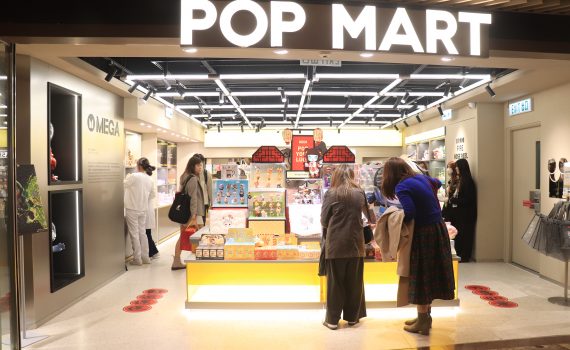
Eager to buy a limited edition “goods” of Chiikawa, a Japanese anime character, Connie Fung was contacting a Japanese buyer on social media platforms to negotiate price and delivery details. "These characters aren’t just toys," Fung said, her eyes lighting up. "When I secure a rare piece by buying an edition, it's like winning a cultural badge of honour." Fung, a university student, spends around HK$5,000 a year on collecting Chiikawa-related items. Like Fung, Ada Liu is also a fan of Chiikawa, who hangs the figure on her bag, noting that many fans do this as a form of identity. “We can start a conversation easily while shopping in a goods store, as ‘goods’ helped us identify each other–You are also a fan of a certain series,” said Liu. In the context of Anime, Comics, and Games (ACG) culture, “goods” refer to merchandise derived from Intellectual Properties, including items such as badges, dolls, figures, cards, etc. These IP-related items are adored by ACG fans as cultural currency to show their identity and devotion to virtual characters. The passion for collecting goods has heated the wave of “goods economy,” signalling a new consumption trend that “pays for emotional value.” The popularity of the “goods economy” has even caught the attention of Financial Secretary Paul Chan Mo-po, who addressed it in his weekly blog entry. He noted that the rapidly emerging “goods economy” has successfully attracted young people's attention and tapped into their enormous spending power, estimated to be in the hundreds of billions of dollars. “Goods economy” is not only visible on the streets of Hong Kong, but has also entered the city’s capital market. For example, Pop Mart, a Chinese toy company that leads in merchandising Intellectual Properties and was listed in HKEX five years ago, performed exceptionally well in …