
By: ZHENG WU Anny、ZHENG Yuan ElaineEdited by: CHAU Wing Yau

More birth incentives, but ‘motherhood penalty’ remains a barrier
- 2026-11-09
- Society
- The Young Reporter
- By: ZHENG WU Anny、ZHENG Yuan ElaineEdited by: CHAU Wing Yau
- 2026-11-09
Chole Liang and her boyfriend have spent about a year discussing their future. They plan to marry, but not to have children. For the 29-year-old teacher, the cost of raising a child and housing had made her reluctant to become a parent, despite the government’s latest birth incentives in the recent Policy Address. “I can’t imagine renting a decent flat costs HK$20,000 monthly, and daily spending adds on HK$10,000. With a newborn baby, there will be an extra HK$10,000 for baby milk, clothes and toys,” said Liang. She said the new birth bonus is just “a water drop in the sea”. The latest Policy Address sets out 11 measures to encourage births, including financial incentives and support for housing and childcare. But academics say these measures may not be enough to persuade people to have children, as unequal caregiving responsibilities and the risk of career setbacks for women also influence their decisions. The Federation of Hong Kong and Kowloon Labour Unions conducted a study in February about women’s fertility willingness and found that around 60% of 550 women aged 18 to 45 had no intention of having children, citing financial and housing concerns. The Policy Address announced a three-year extension of the existing HK$20,000 newborn baby bonus, with payments for a second or subsequent child increased to HK$30,000. The package also includes higher tax allowance, lower down payments and stamp duty relief for eligible families with newborns buying a home, as well as more childcare places and expanded access to fertility treatment. “Fertility decisions are a calculation of costs and returns. The measures aim to reduce the cost of bearing children by offering cash incentives,” said Guo Hua, a research associate at the Chinese University of Hong Kong’s Hong Kong Institute of Asia‑Pacific Studies. “However, people may find the cash …
Red minibus drivers struggle as ridership plunges and fuel costs rise
- 2026-05-13
- Society
- The Young Reporter
- By: CHEUNG Ka Yi Ann、ZHENG Yuan ElaineEdited by: CHAU Wing Yau
- 2026-05-13
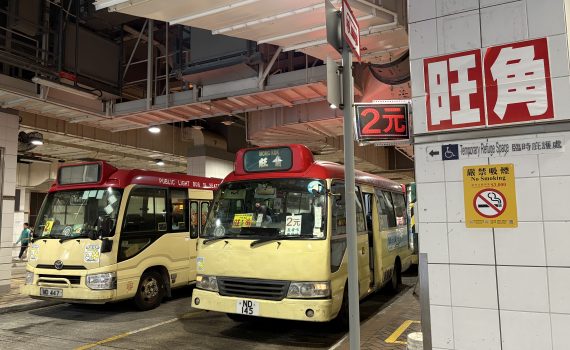
At Kwun Tong Yue Man Square Public Transport Interchange, one of the city’s busiest transport hubs, 55-year-old red minibus driver Saniel Ng would clock off from a 13-hour shift at 9pm on most days with a take-home pay of just about HK$1,000. As Ng looked around the transport interchange, he noted that even though there were some queues of passengers waiting for red minibuses, ridership was not what it used to be. “Bus companies have taken away the business,” said Ng, who has been a red minibus driver for more than 20 years. “Without enough passengers, it’s hard to survive.” For decades, Hong Kong’s red minibus has been better known for its high speed and unruly round-the-clock service. But the trade is at risk of becoming a remnant of old Hong Kong as the city’s mass transport network continues to modernise. There are two types of public light buses, differentiated by their roof colours and service flexibility. Red minibuses operate on flexible routes with fares that drivers can adjust based on demand and the time of day, whereas green minibuses run on fixed routes and schedules set by the government. Red minibuses are disappearing, with passenger numbers falling by more than half, or 50.5%, from 295,000 in 2017 to 146,000 in 2024, according to Transport and Logistics Bureau data compiled in a Legislative Council research report published in March last year. Commercial vehicles in Hong Kong must obtain operational licences from the Transport Department. The price of a minibus operating licence, for both red and green minibuses, also dropped 47% between 2022 and 2024, from HK$1.7 million to HK$900,000, far below its 2014 peak of HK$5.5 million. Despite green minibuses having recorded a recovery in passenger volume since 2022, red minibuses have continued to see a decline in their passenger …
Once a prisoner, forever a prisoner: The struggles of rehabilitated persons being labeled by society
- 2026-03-20
- Society
- The Young Reporter
- By: RONG Miu Tung Shelly、ZHENG WU Anny、ZHENG Yuan ElaineEdited by: CHAU Wing Yau
- 2026-03-20
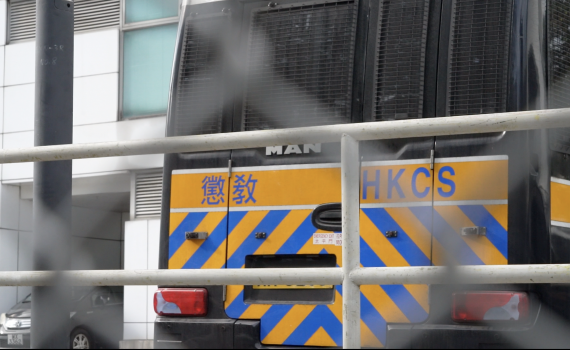
Rehabilitated persons are facing various challenges as they work to reintegrate into society, including social discrimination, changes in living habits, and mental issues, despite government support. Report indicates that many rehabilitated persons struggle with societal integration. 54% of the rehabilitated interviewees reported financial difficulties, having to rely on the Comprehensive Social Security Assistance, according to Hong Kong SideBySide, an NGO aims to help rehabilitated persons. According to Correctional Services Department, in Hong Kong, until Dec 31, 2025, the current number of persons in custody is 10,679. While the government provides support such as halfway houses and Caring Employer Scheme, some individuals continue to face challenges when seeking employment. TYR reporters spoke to some ex-offenders d citizens to find out more about the challenges they face in Hong Kong. https://youtu.be/XX924pEXyo0?si=buKwB8RbZtF2xFyq