
Middle East 2026
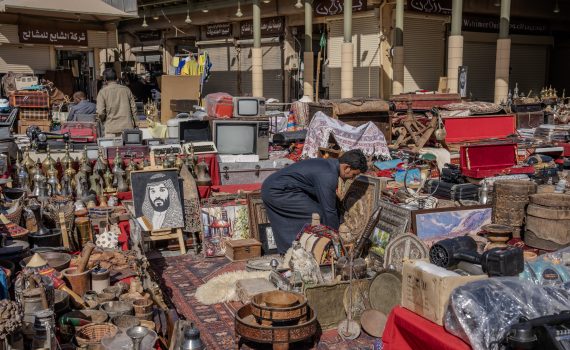
In Pictures: Ten Years Into Vision 2030, Digital Payments Reach Saudi Arabia's Traditional Markets
- 2026-03-09
- Photo Essay
- By: Haoming ZhouEdited by: Haoming Zhou
- 2026-03-09
Saudi Arabia marks a decade since Crown Prince Mohammed bin Salman launched Vision 2030 in 2016. One key reform area is the digital transformation of financial infrastructure. Saudi Arabia aims to achieve 80% cashless transactions by 2030, up from just 36% in 2019. According to the Saudi Central Bank (SAMA), electronic payments already accounted for 79% of total retail payments in 2024—nearly reaching the target six years early. Even in Souk Al-Zal, Riyadh's oldest traditional market, digital payments are gaining ground.
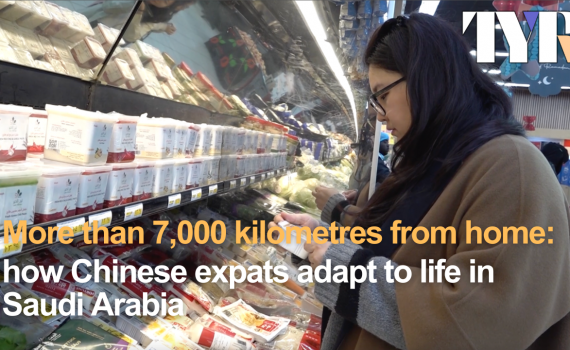
More than 7,000 kilometres from home: how Chinese expats adapt to life in Saudi Arabia
- 2026-02-14
- Culture & Leisure
- The Young Reporter
- By: LAI Uen Ling、MAO AnqiEdited by: Robin Ewing
- 2026-02-14
RIYDAH, Saudi Arabia – Saudi Arabia is attracting more foreign residents than ever, with the number of non-Saudi residents climbing to about 15.7 million in 2024 — More than 2 million increase from the year before. Most come from South and Southeast Asia and neighbouring Arab countries. But among them are a growing number of Chinese expats, professionals working hard to adapt to life in historically one of the most religious and socially conservative countries in the world. This January, our reporters visited Riyadh to talk to people from mainland China and Taiwan who have come to the capital city for work, family or new opportunities. We discover how they are navigating daily life, forming connections and carving out a sense of home. #SaudiArabia #ExpatLife #ChineseExpats #Riyadh #LifeInSaudi
New Lives, New Challenges: Chinese expats seek openness in Saudi Arabia’s workplace
- 2026-01-29
- The Young Reporter
- By: LAI Uen Ling、MAO AnqiEdited by: Robin Ewing
- 2026-01-29
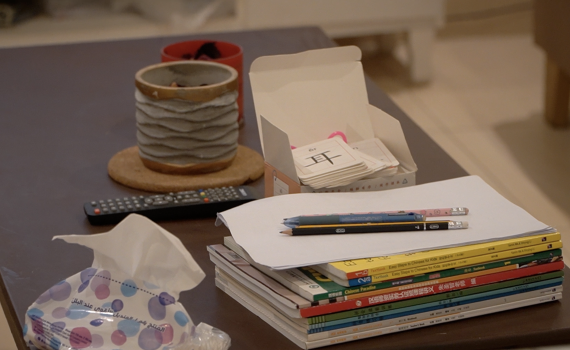
Driven by Saudi Vision 2030, Saudi Arabia is opening new doors for expats, but challenges remain: cultural differences, language barriers, and visa regulations. RIYADH, Saudi Arabia Jan 23 – Jamie Chou, 38, lies in bed at her home in Taiwan, cradling her newborn daughter. Having recently been laid off just after a five-month maternity leave, though not because of it, she scrolls through LinkedIn, applying for jobs all over the world. Suddenly, a message lights up her screen: a Saudi company is offering her the role of chief marketing officer. It’s not the first time Chou has received job offers from the Middle East. With a master’s degree in business and 15 years of marketing experience, she is an attractive candidate. If this had happened in 2014 when she had just graduated, Chou said she would have rejected the offer without hesitation because of gender discrimination in Saudi Arabia. But now, with restrictions on women relaxed, one of her female classmates from her master’s program, who is a single mother, is still able to have a thriving career there with a kid. Chou accepted the offer after flying to Riyadh and discussing the opportunity with the company. In 2025, she moved to Saudi Arabia with her husband and one-year-old daughter. Attracting foreign talent is part of Saudi Vision 2030, a long-term strategy launched in 2016 by the Saudi government to promote economic diversification and development. While the kingdom promises new opportunities and a more open society, expats say a truly open, welcoming work environment is still a work in progress. Chou said she still remembers when she tried to look up the company, she found almost no information. “Is this a scam? Could I be kidnapped after I arrived in Riyadh?” she said, torn between a lucrative offer and a …
Doha’s Falcon Souq keeps a century-old tradition alive
- 2026-01-29
- Photo Essay
- The Young Reporter
- By: LAI Uen Ling、Dake LiuEdited by: Robin Ewing
- 2026-01-29
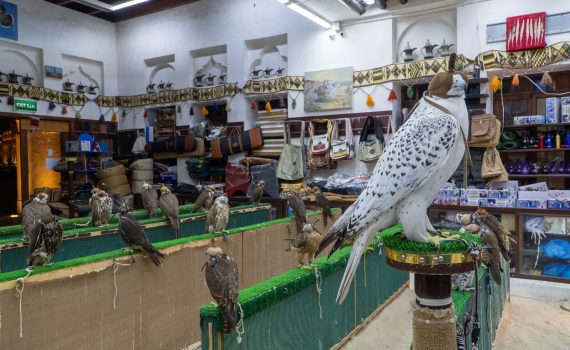
DOHA, Qatar Jan 14 – Falconry is one of the world’s oldest hunting traditions with a documented history spanning over 4,000 years. Introduced from Central Asia around the 7th century, Bedouin tribes of the Arabian Peninsula relied on falcons’ speed, sharp eyesight and innate hunting instincts to survive in the harsh desert, long before the rise of modern urbanisation. Today, this practical survival skill has evolved into a revered cultural tradition embedded in local folklore, poetry and royal customs. The Falcon market at Doha’s Souq Waqif is more than just a marketplace for local enthusiasts. It is a living landmark where visitors can experience firsthand the legacy of falconry in Qatari culture. Aziz, 65, is the owner of a falcon shop in the market. Originally from Pakistan, he came to Qatar in 1993. In 2012, Aziz opened his first falcon shop. He has since expanded to three shops in Qatar and employs 22 workers including three of his sons. According to Aziz, a falcon can fetch prices anywhere from 2,000 up to 1.75 million Qatari riyals (around HK$4,280 to HK$3,600,000). Among his collection, the most unique falcon is Rambo, a Gyrfalcon bred in Germany. With mostly white feathers and brown spots, this bird belongs to one of the largest birds of prey in the falcon family. In ancient times, northern emperors prized them for their outstanding hunting skills.