In Pictures: Ten Years Into Vision 2030, Digital Payments Reach Saudi Arabia's Traditional Markets
By: Haoming ZhouEdited by: Haoming Zhou
2026-03-09
Saudi Arabia marks a decade since Crown Prince Mohammed bin Salman launched Vision 2030 in 2016. One key reform area is the digital transformation of financial infrastructure. Saudi Arabia aims to achieve 80% cashless transactions by 2030, up from just 36% in 2019. According to the Saudi Central Bank (SAMA), electronic payments already accounted for 79% of total retail payments in 2024—nearly reaching the target six years early. Even in Souk Al-Zal, Riyadh's oldest traditional market, digital payments are gaining ground.
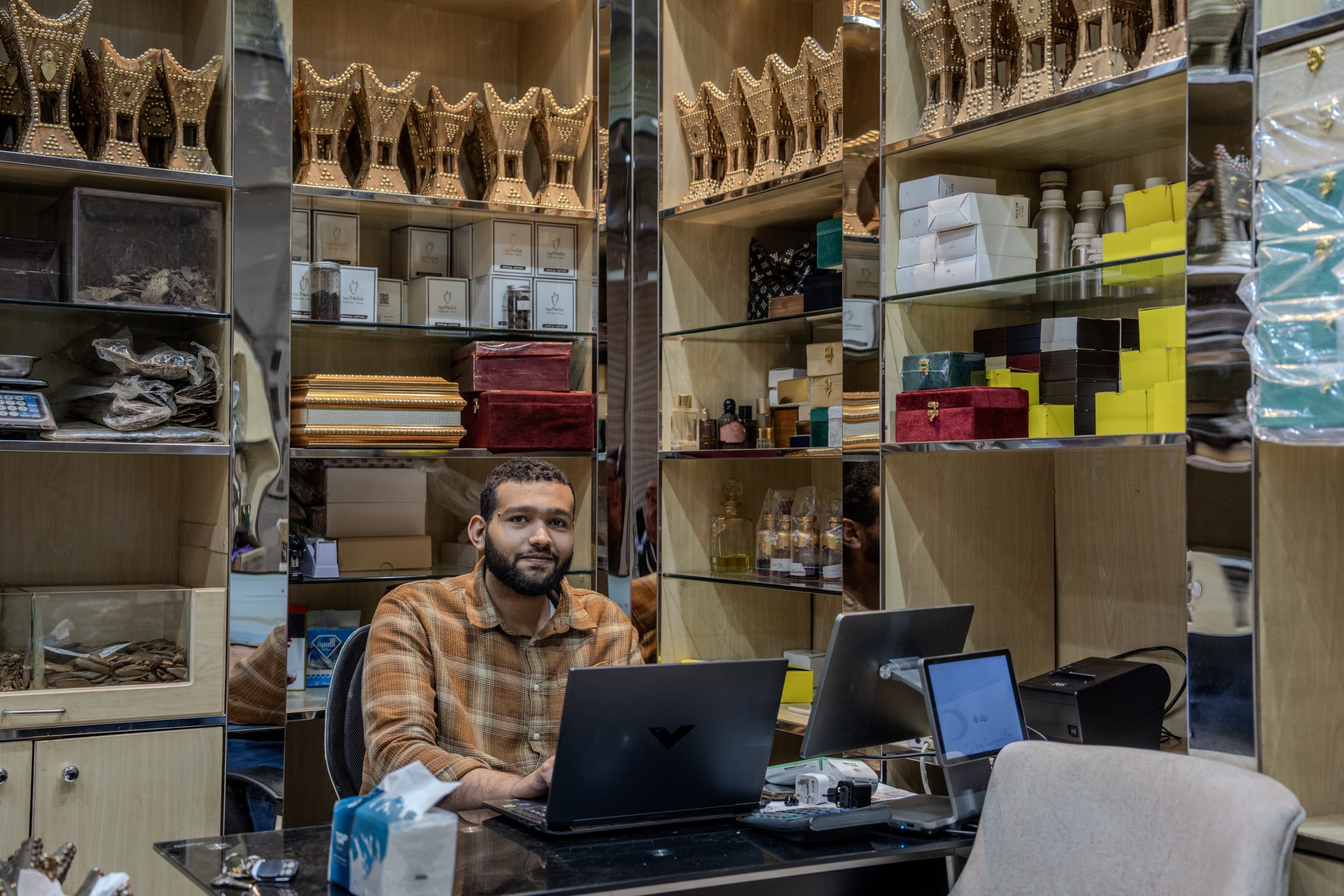
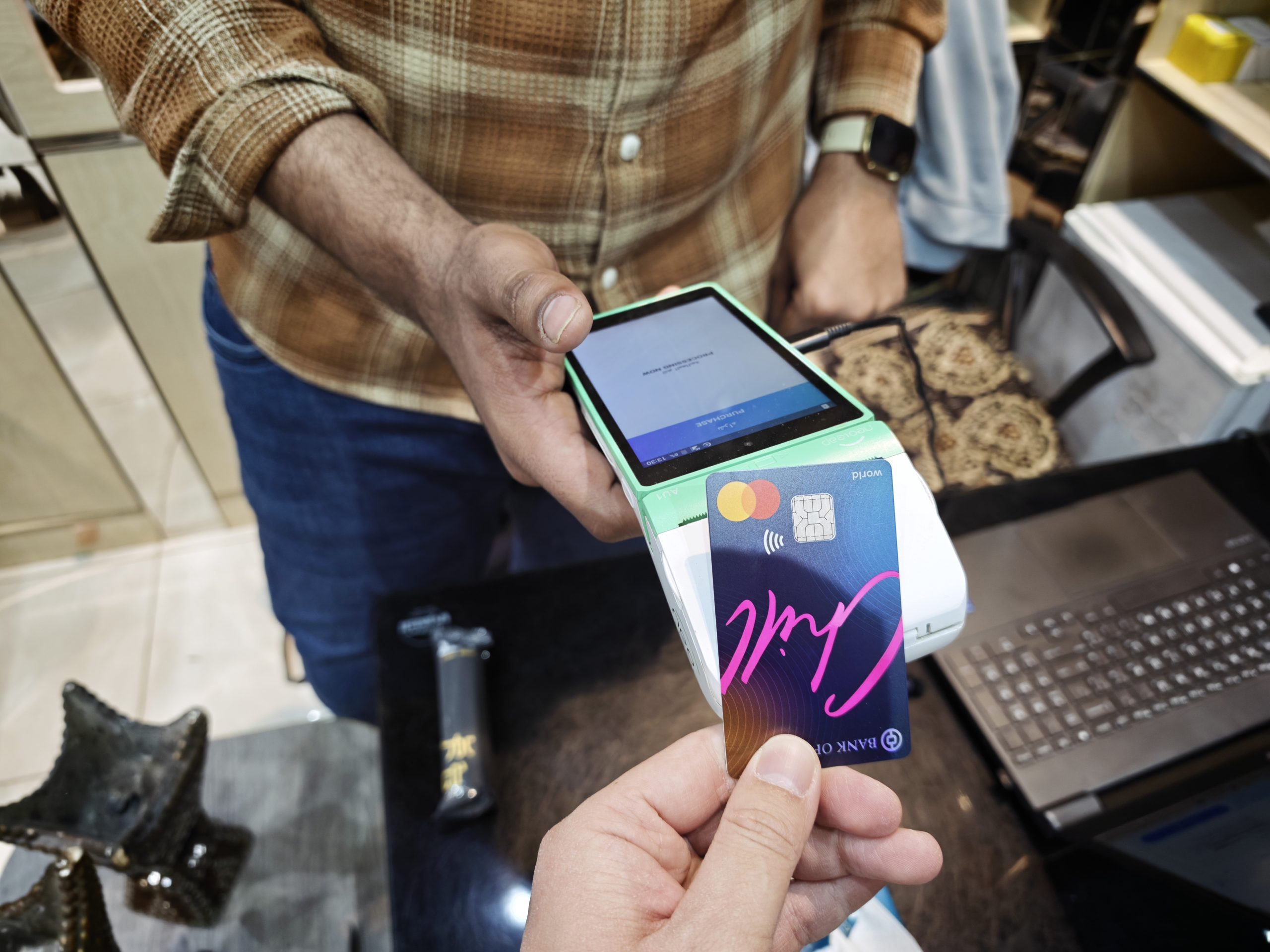
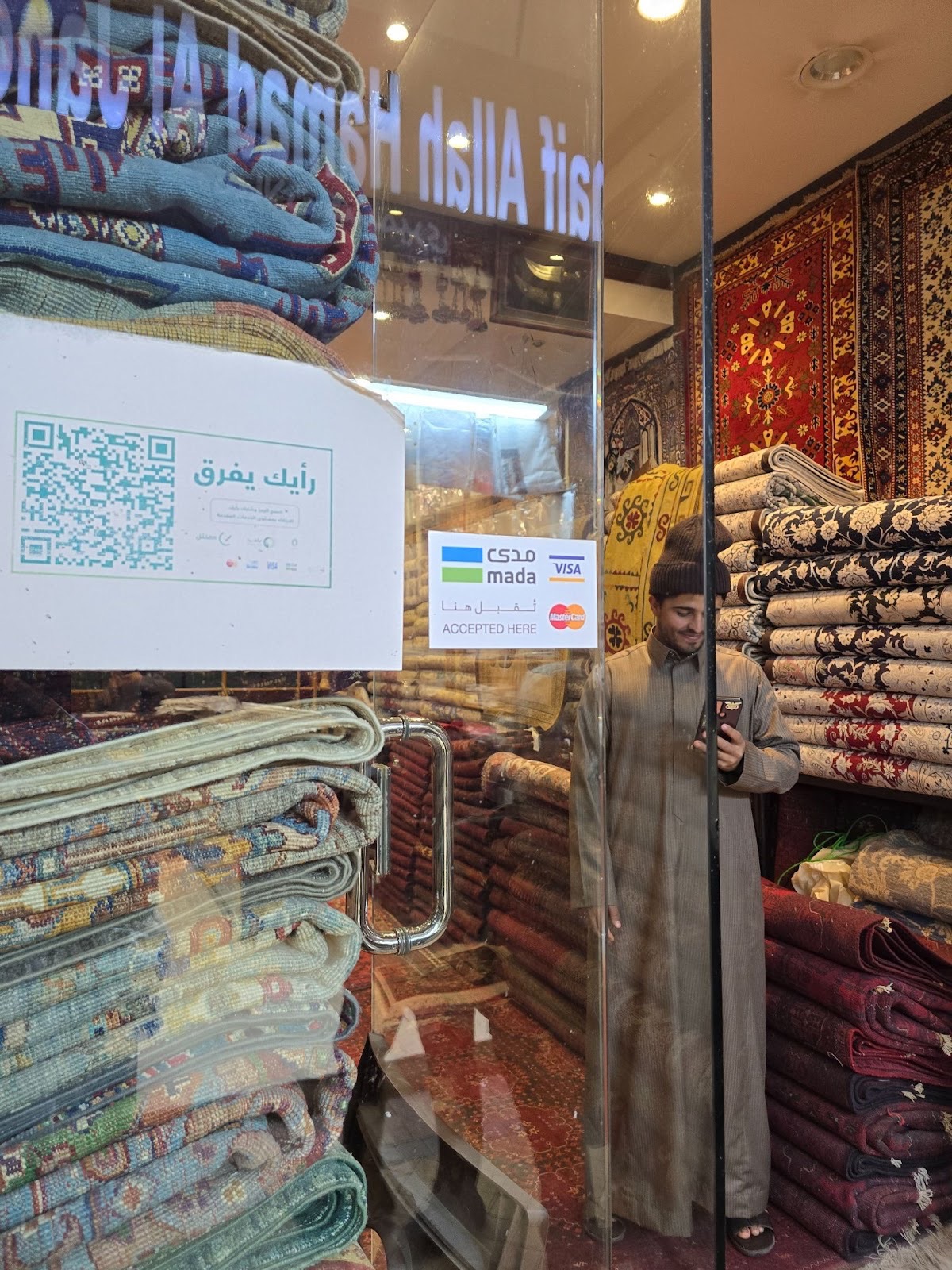
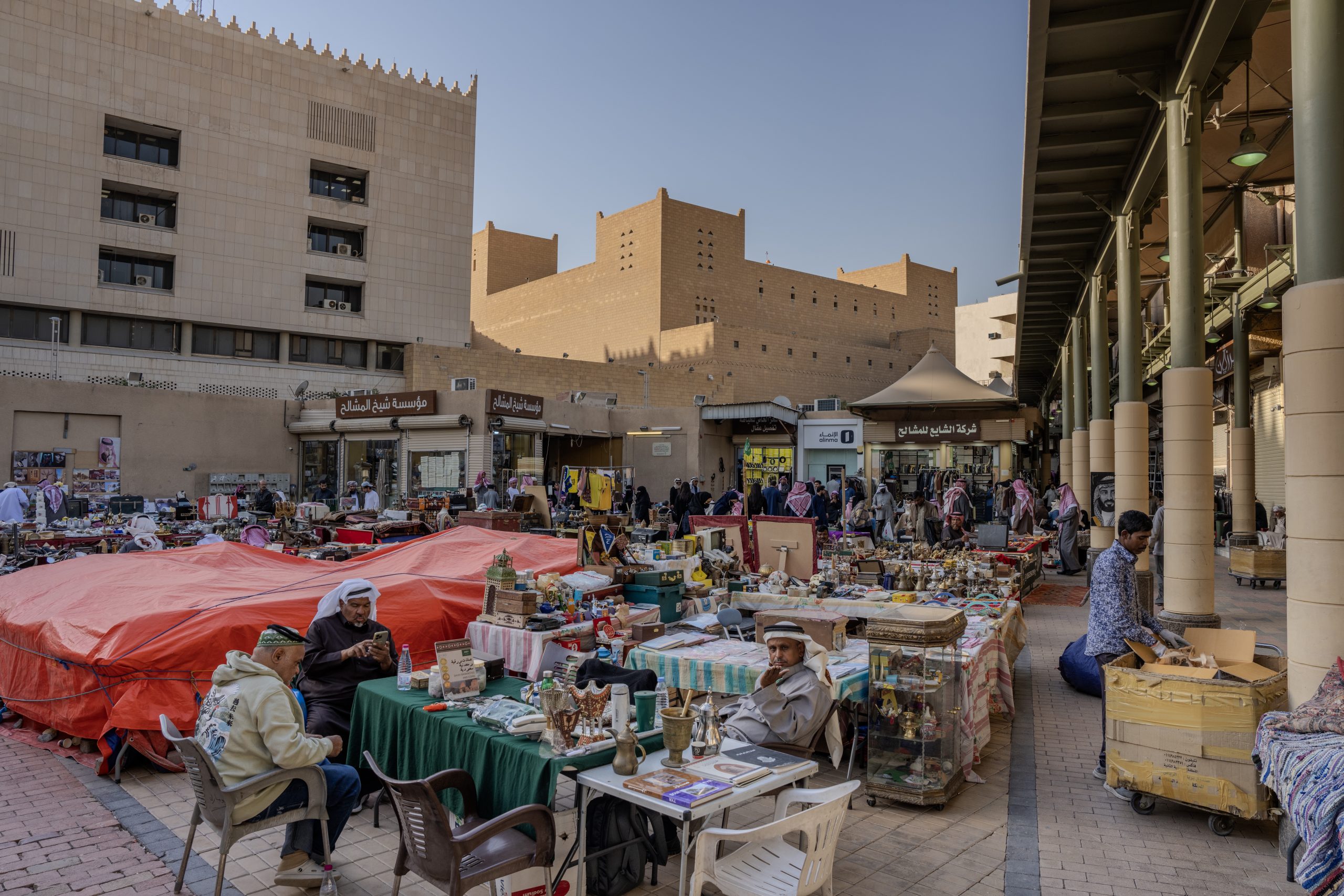
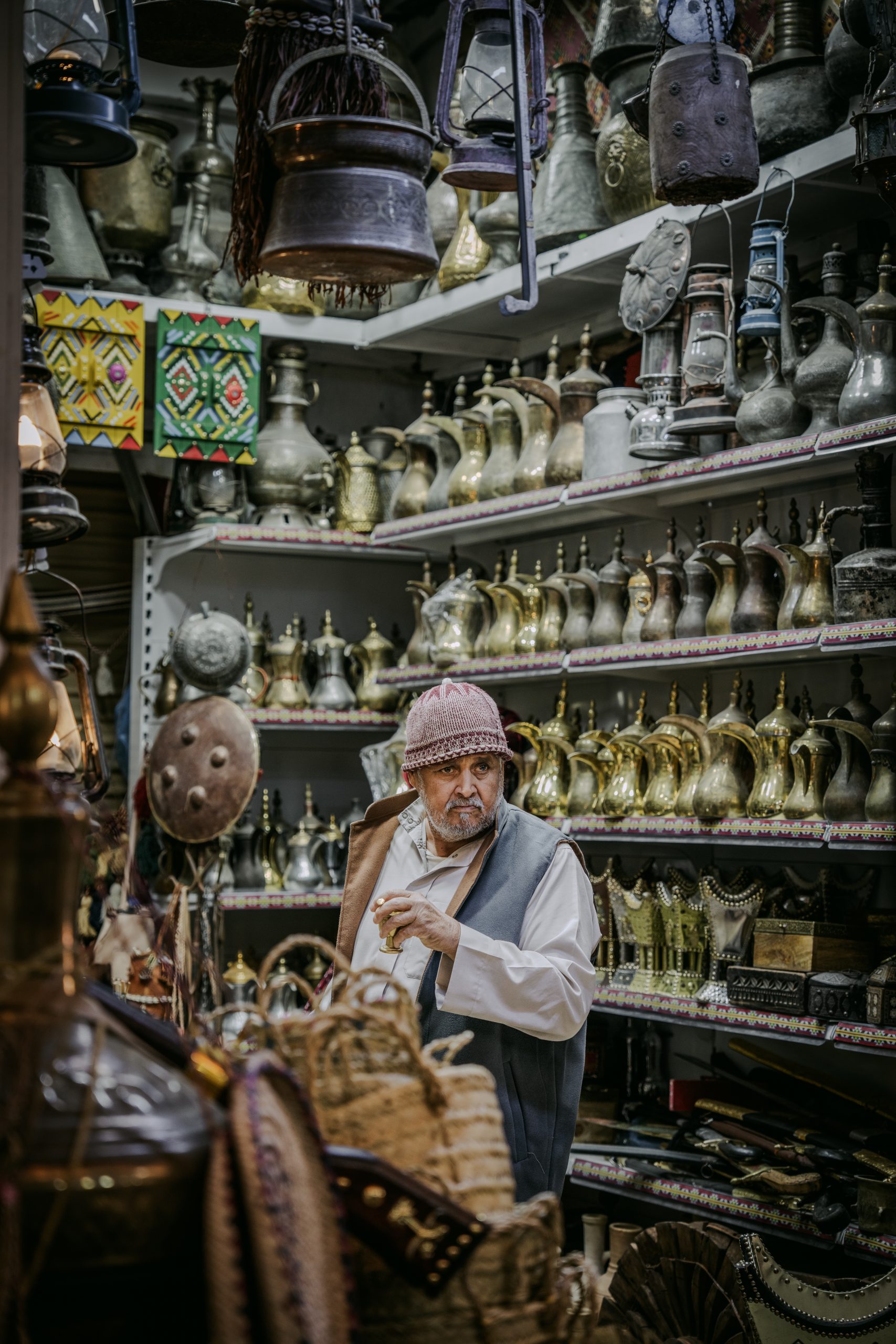
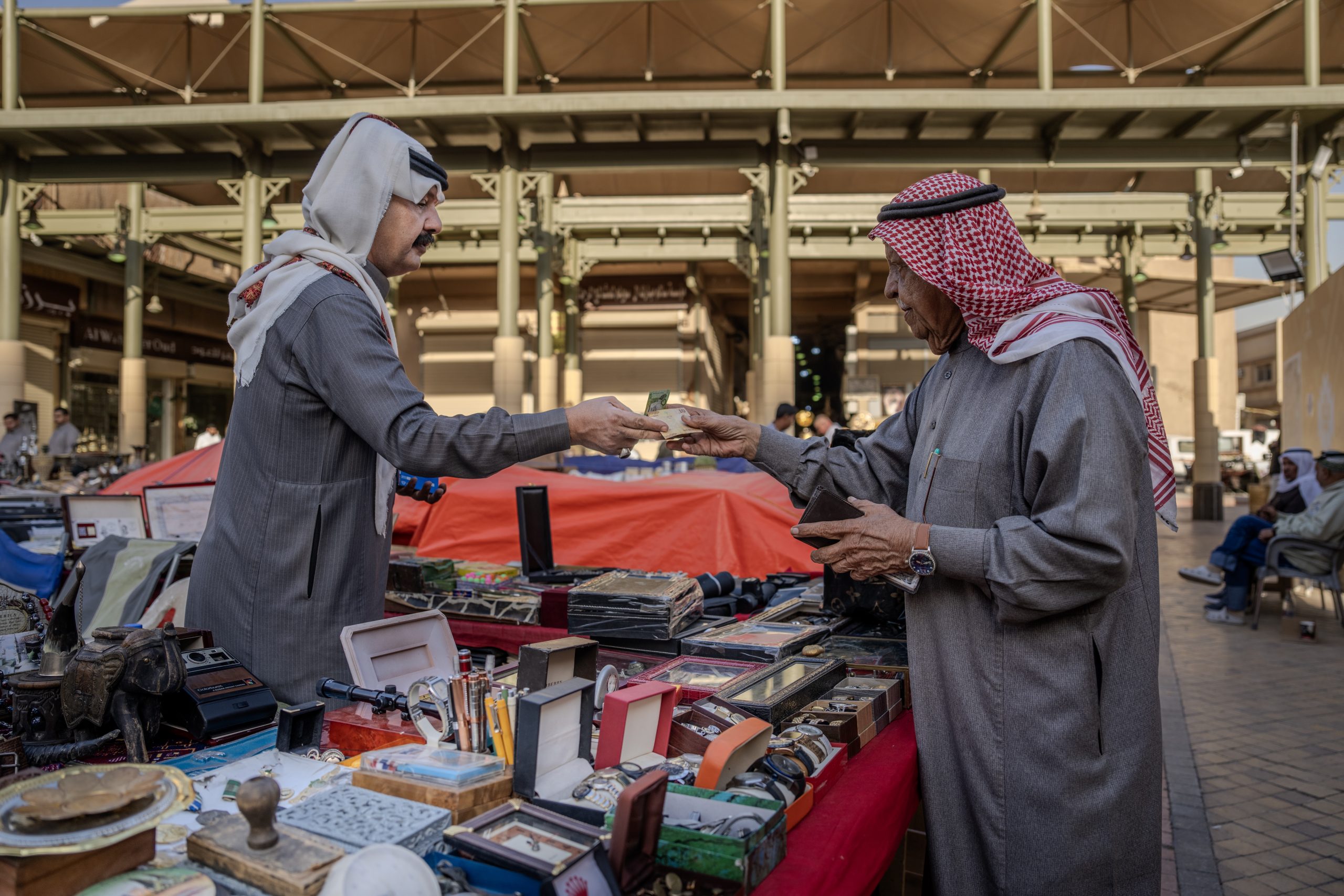
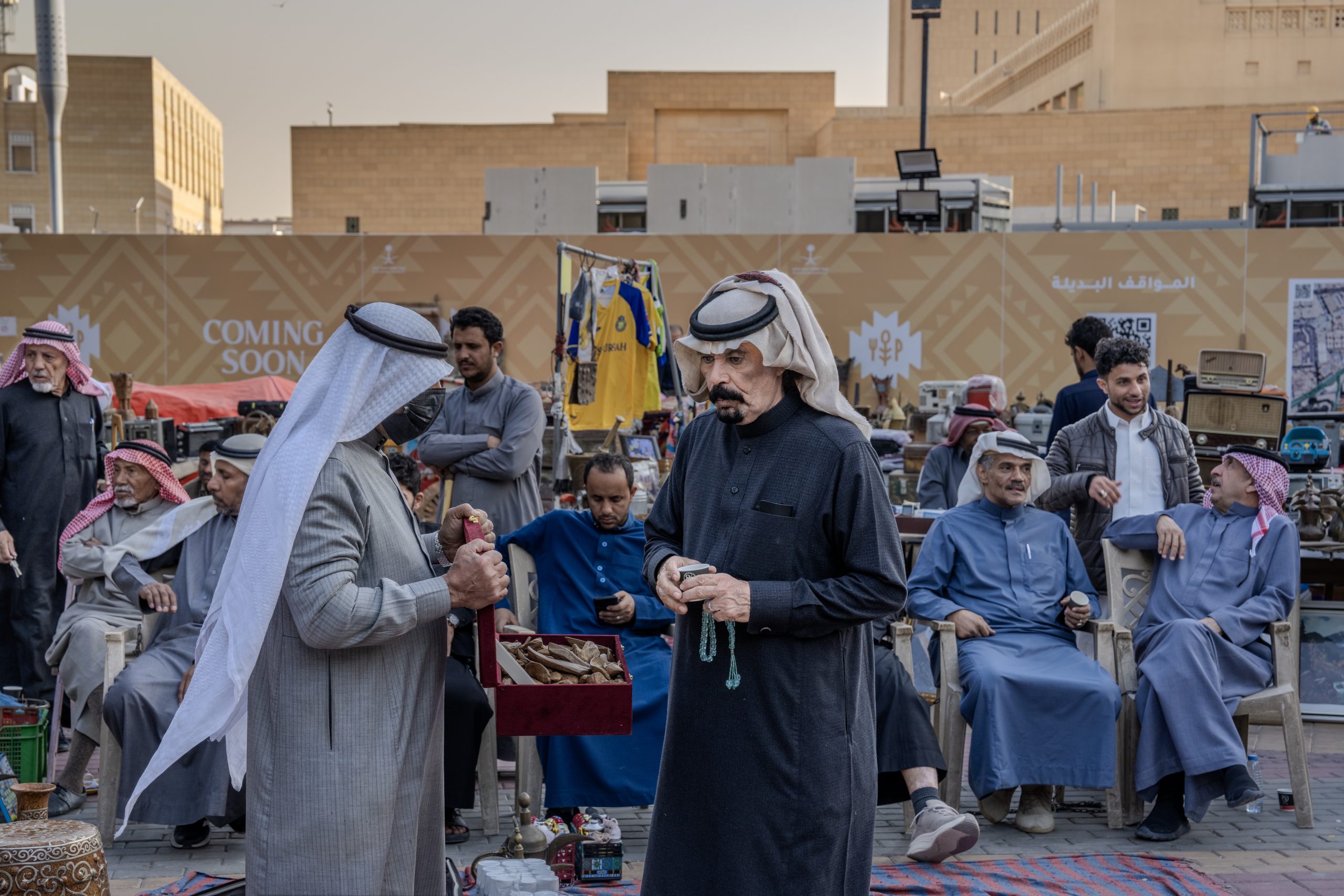
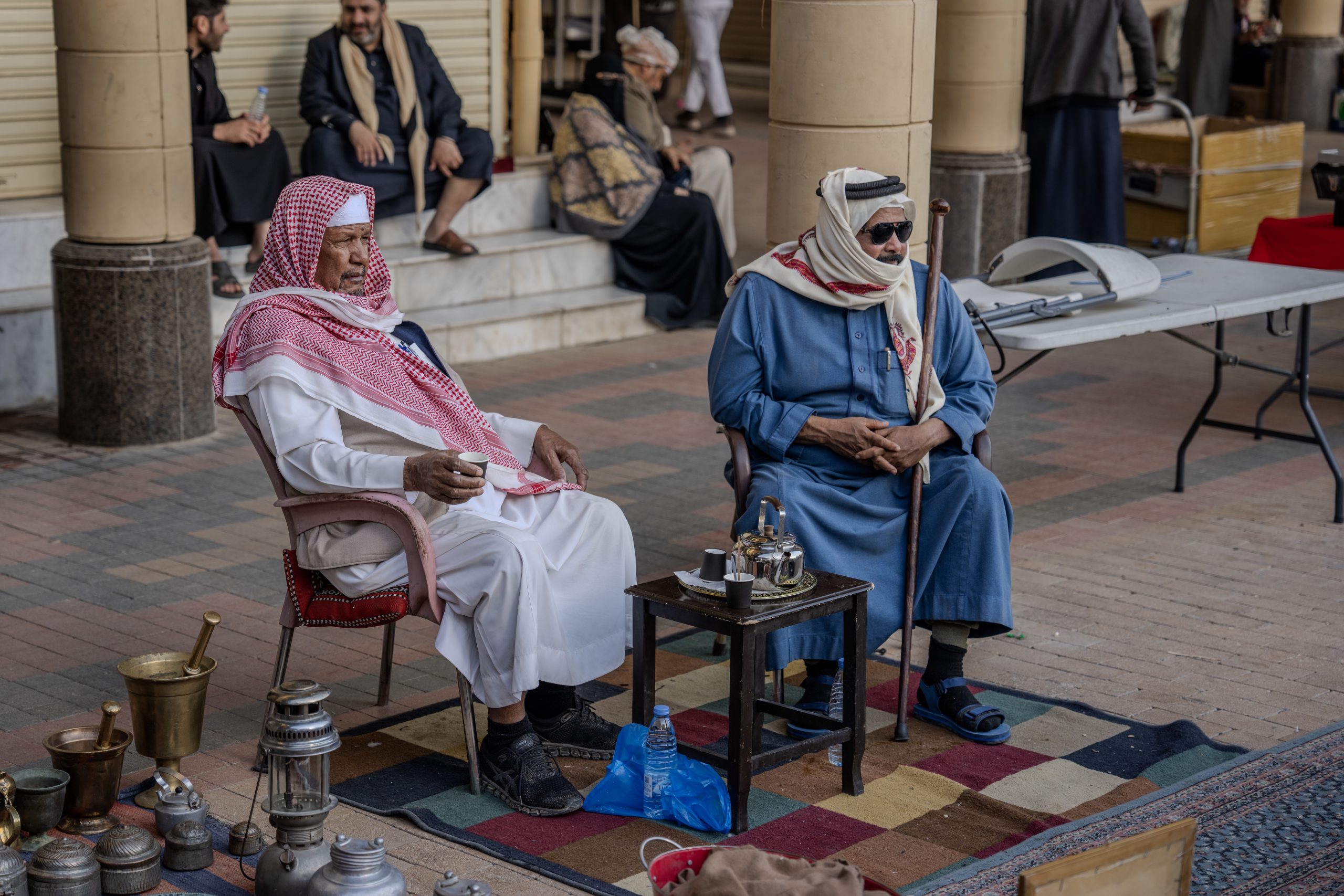
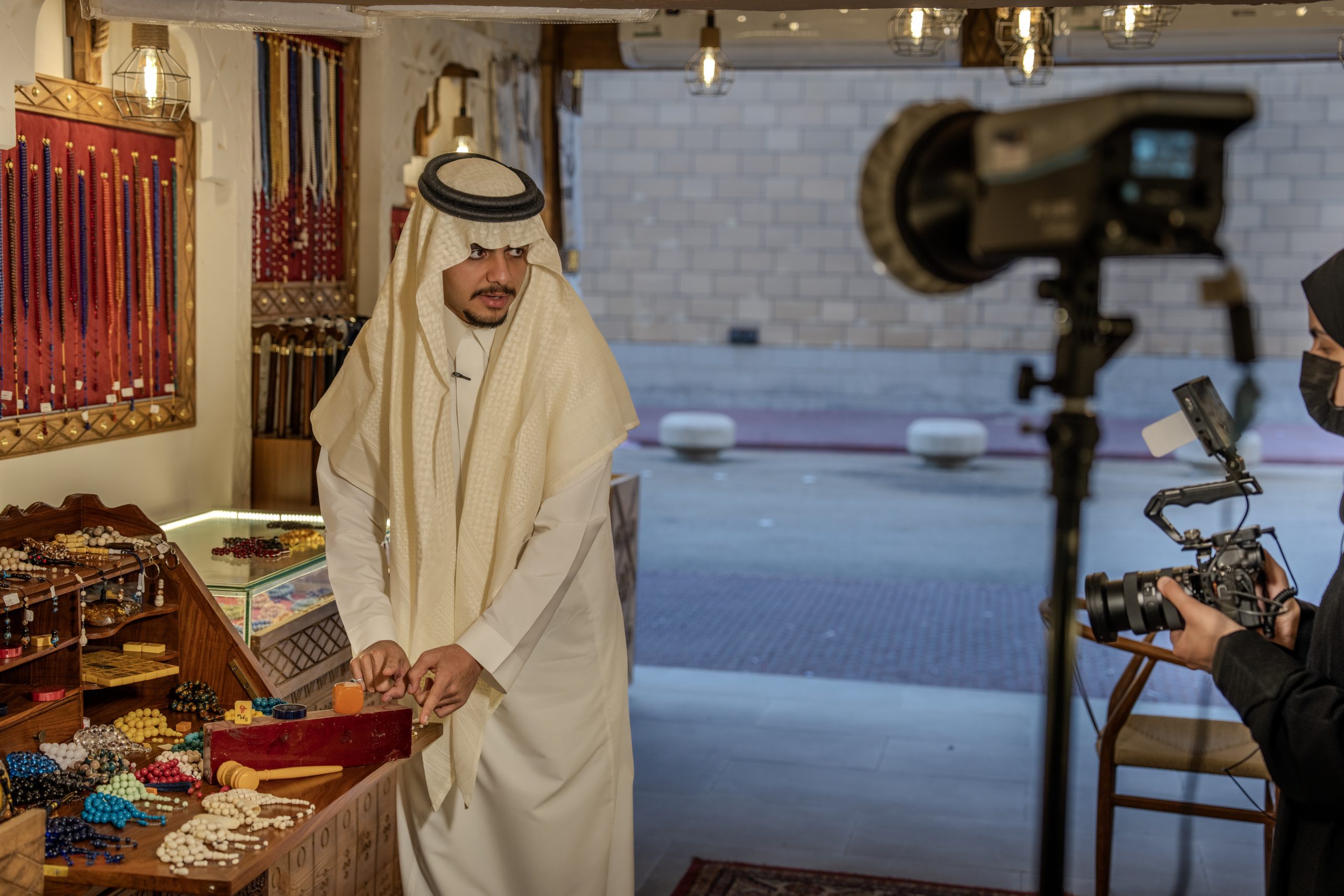
Mohammod, who operates a censer store in Souk Al-Zal, Riyadh, has been using the latest MADA POS machine for six months. He said he doesn’t pay a monthly rental fee for the machine, but it charges 1-2% on each transaction.Mada POS is the main electronic payment network in Saudi Arabia, monitored by the Saudi Central Bank, SAMA. Card payments via point-of-sale (POS) terminals reached 10.4 billion transactions in 2024, growing at an average of 38% annually since 2020, according to SAMA.While international card brands Visa and Mastercard remain widely accepted throughout Saudi Arabia, mada has captured the majority of market share, based on total transaction value, growing from approximately 47% in 2019 to over 90% by 2021-2023, according to the Worldpay Global Payments Report and Statista Research Department.The Souk Al-Zal traditional market is in the heart of Riyadh, which is a historical landmark and a vibrant commercial area.A customer is bargaining with the staff in the Baz Taha Trading Company for Damage and Removal, where they mainly sell used containers in the Souk Al-Zal. He eventually paid with cash of 10 SAR.Fahad (left), who has operated this stand in cash for over 27 years, also considers accepting electronic payments in the coming year.With a new zone rising behind the stalls under construction, the old trading area remains active in cash auctions, representing Riyadh’s oldest market.Customers will sit on the carpet and auction for the goods in the afternoon, this is what the Souk Al-Zal mean, said Fahad.A promotional video is being filmed at the Lulwah Mohammed Almukil store in Souk Al-Zal, which sells woven chains, canes, souvenirs, and jewelry. Behind the camera is a female producer, a growing presence in Saudi Arabia's business landscape. The labor force participation rate for Saudi women is about 35% in Q2 of 2025, according to the General Authority for Statistics (GASTAT) of the Government of the Kingdom of Saudi Arabia.
We use cookies on our website to give you the most relevant experience by remembering your preferences and repeat visits. By clicking “Accept All”, you consent to the use of ALL the cookies. However, you may visit "Cookie Settings" to provide a controlled consent.
This website uses cookies to improve your experience while you navigate through the website. Out of these, the cookies that are categorized as necessary are stored on your browser as they are essential for the working of basic functionalities of the website. We also use third-party cookies that help us analyze and understand how you use this website. These cookies will be stored in your browser only with your consent. You also have the option to opt-out of these cookies. But opting out of some of these cookies may affect your browsing experience.
Necessary cookies are absolutely essential for the website to function properly. These cookies ensure basic functionalities and security features of the website, anonymously.
Cookie
Duration
Description
cookielawinfo-checkbox-analytics
11 months
This cookie is set by GDPR Cookie Consent plugin. The cookie is used to store the user consent for the cookies in the category "Analytics".
cookielawinfo-checkbox-functional
11 months
The cookie is set by GDPR cookie consent to record the user consent for the cookies in the category "Functional".
cookielawinfo-checkbox-necessary
11 months
This cookie is set by GDPR Cookie Consent plugin. The cookies is used to store the user consent for the cookies in the category "Necessary".
cookielawinfo-checkbox-others
11 months
This cookie is set by GDPR Cookie Consent plugin. The cookie is used to store the user consent for the cookies in the category "Other.
cookielawinfo-checkbox-performance
11 months
This cookie is set by GDPR Cookie Consent plugin. The cookie is used to store the user consent for the cookies in the category "Performance".
viewed_cookie_policy
11 months
The cookie is set by the GDPR Cookie Consent plugin and is used to store whether or not user has consented to the use of cookies. It does not store any personal data.
Functional cookies help to perform certain functionalities like sharing the content of the website on social media platforms, collect feedbacks, and other third-party features.
Performance cookies are used to understand and analyze the key performance indexes of the website which helps in delivering a better user experience for the visitors.
Analytical cookies are used to understand how visitors interact with the website. These cookies help provide information on metrics the number of visitors, bounce rate, traffic source, etc.
Advertisement cookies are used to provide visitors with relevant ads and marketing campaigns. These cookies track visitors across websites and collect information to provide customized ads.



Comments