
Last September, the 14-year-old Wang Yuqi moved from Beijing to Hong Kong to study in Hong Kong, hoping a new environment would offer a gentler and more balanced approach than the mainland’s exam-driven system.
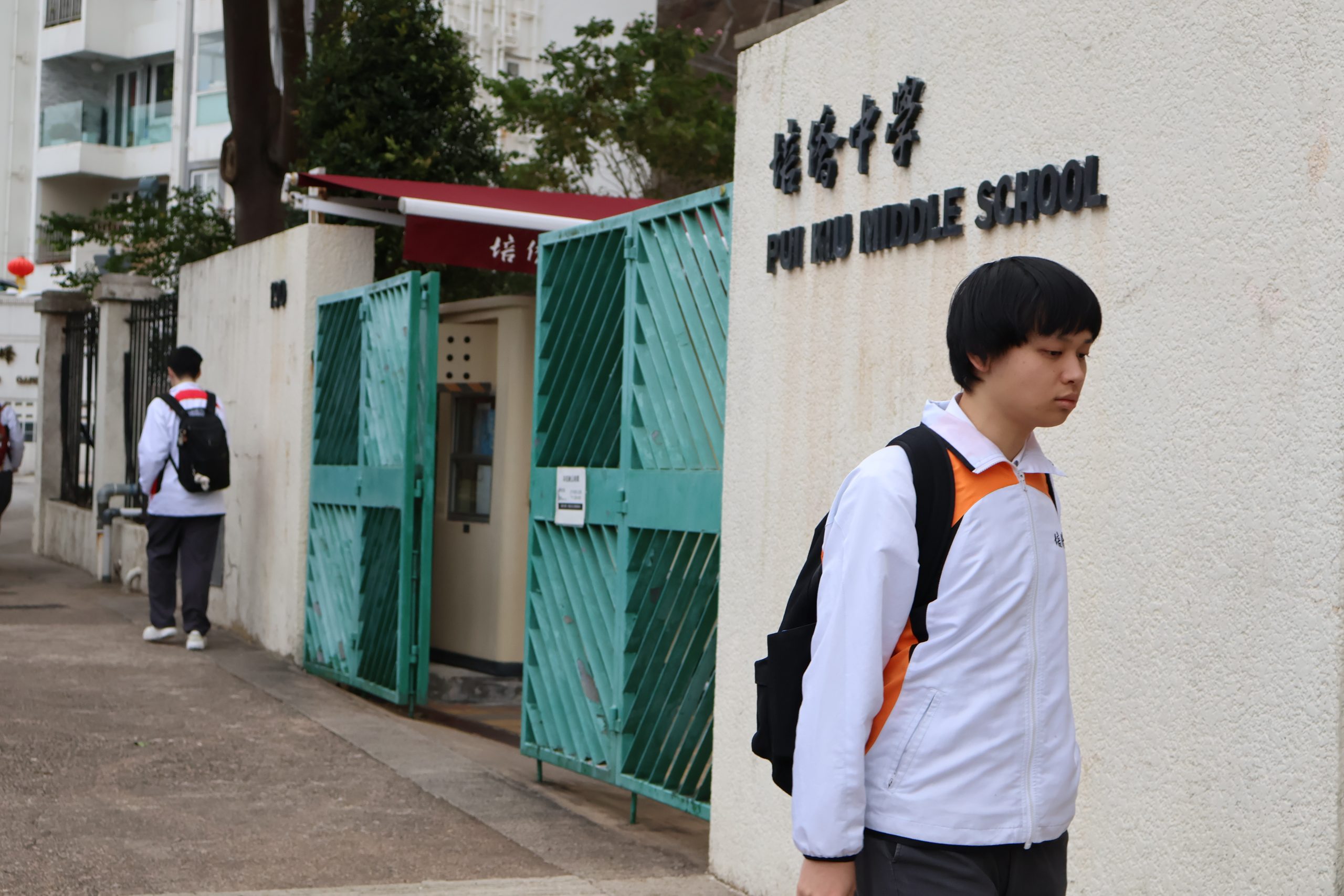
But her stint in the city only lasted two months before Wang returned to Beijing, citing her inability to cope with classes being taught in Cantonese at her Pui Kiu Middle School.
Something similar happened to the 13-year-old Zhao Ziheng, a top math student from Wuhan who ranked last in his class at Tseung Kwan O’s Heung To Middle School after struggling for six-months with English as the medium of instruction.
As Hong Kong strives to position itself as an international education hub, experts criticize the government and local schools for failing to provide adequate transitional support. This affects retaining mainland students arriving in large batches with parents under the Top Talent Pass Scheme amid other pathways. While non-government organizations offer limited Cantonese help, it remains poorly marketed.
Wang arrived with her publisher father under the Top Talent Pass Scheme. She couldn’t fathom how the lack of Cantonese would paralyze her daily life.
Since 2022, the scheme has allowed high earners and top university graduates worldwide to bring their children under 18 to live and study in Hong Kong. As of February 2025, a total of 131,818 such children had arrived.
Wang’s first lesson at Pui Kiu Middle School was Chinese history, taught mostly in Cantonese.
“By the end of the class, the teacher asked if we could all understand what was delivered in class, and if anyone didn’t understand Cantonese. I raised my hand, but I was the only one,” Wang said.
Her teacher offered her some tutorials during lunch hours, in Putonghua. Similar help was also available by appointment for other subjects.
Still, the intensity of using Cantonese instruction left her isolated from the schooling experience.
Wang began to retreat into self-studying textbooks and stopped booking tutorials as teachers grew busy.
As lonely as Wang might have felt in her school, her struggle with Hong Kong’s local lingua franca was hardly a lone case.
According to the Education Bureau, a total of 7085 mainland students have been admitted to local primary and secondary schools under various policy schemes in September 2024—a 68% increase from 2022, accounting for 1% of total primary and secondary student enrollment.
The Home Affairs and Immigration Department’s latest survey, conducted between July and September last year, found that 41.8% of 4,494 respondents who are new mainland arrivals aged 11 or above faced transition difficulties. Of these 1,878 people attributed the city’s education system and language issues as the two biggest transitional hurdles.
Among those 1,878, 45.9% needed school placement help, up from 20.5% in 2022, due to tight quotas.
The last straw for Wang was a cab ride to school. It was a short ride from home to school, but the driver changed routes. Wang asked him about it in both Putonghua and English, but she couldn’t make out what he said in fragmented Putonghua.
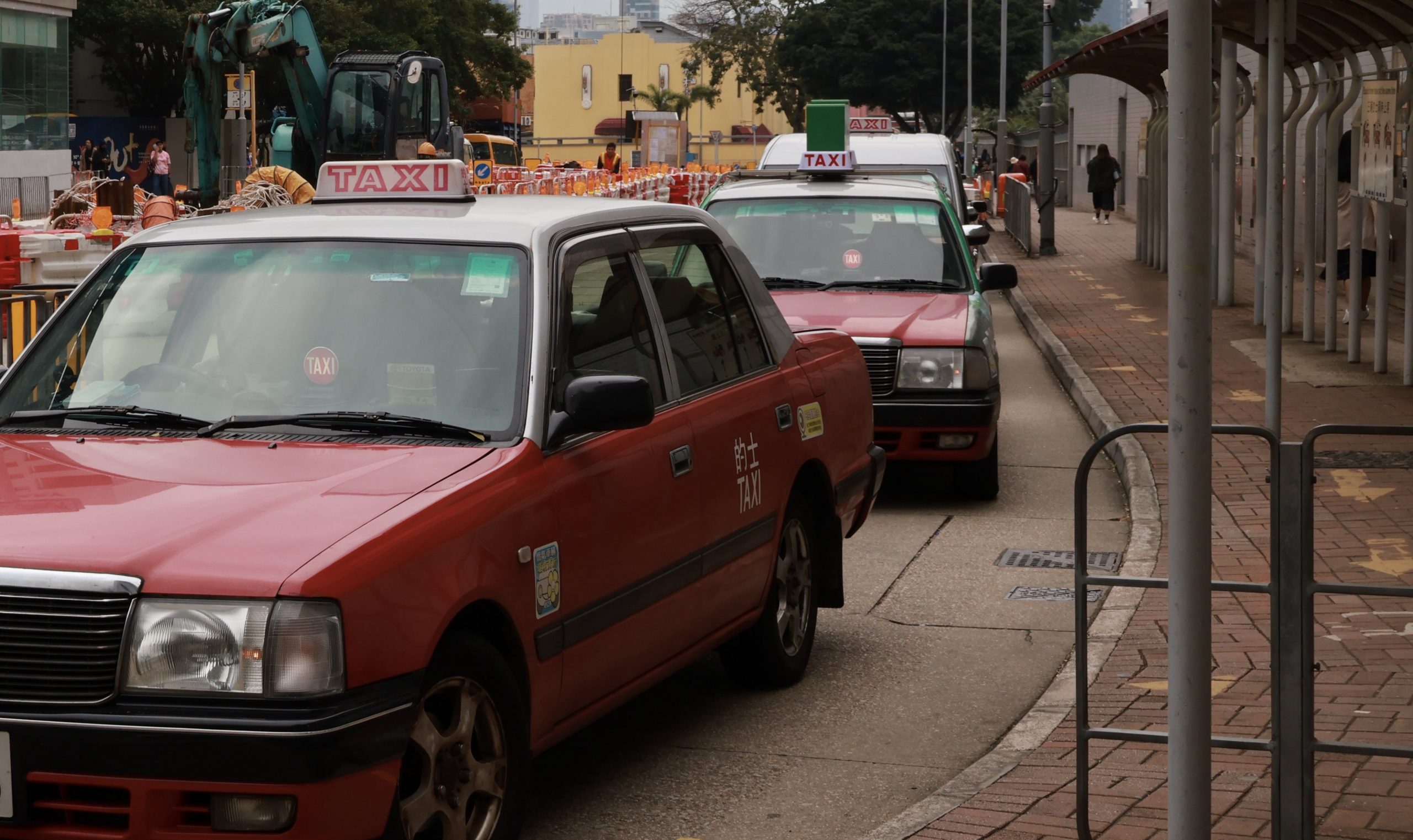
“He complained in Cantonese. I felt completely helpless at that point and cried in the taxi,” she said.
Wang’s father said he had underestimated the extent of the language barrier his daughter would face, since he could get by professionally in Putonghua and English himself.
“After the taxi incident, she lost confidence in continuing her studies in Hong Kong, having long felt isolated with no friends at school,” he added.
Wang began missing class and eventually stopped going to school at all.
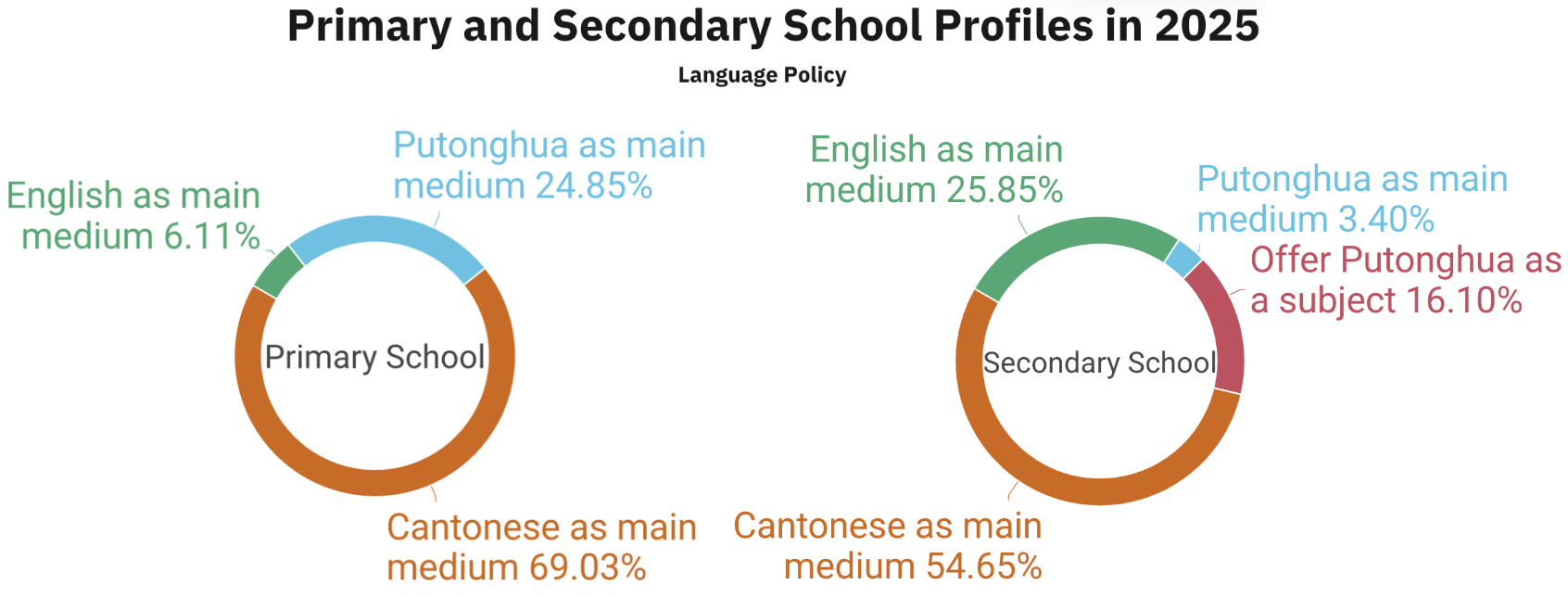
According to the Hong Kong government’s school profiles in 2025, 126 of Hong Kong’s 507 primary schools offer lessons in Putonghua, with 31 of them using English as their main medium of instruction. Among 441 secondary schools, 114 use English, and 15 use Putonghua as their main medium of instruction. Of the rest, 71 offer Putonghua as a subject, while 241 of these Cantonese‑medium schools do not.
Wang’s school offered weekly 90-minute Cantonese support, but it was only available when it met 10 students or more. By the time the class was finally made available, it was already two months into the semester, after she booked her flight tickets home.
“By the time the Cantonese class finally began, she had already given up the will to study in Hong Kong,” Wang’s father said.
Before giving up the fight altogether, he had offered to hire a private Cantonese tutor, but it was rejected by Wang.
The father said Putonghua-medium schools are rare, while waiting lists abound. They eventually chose Cantonese, knowing society demands it and English.
Chan Wai-kai, a principal of Hong Kong Baptist University Affiliated School Wong Kam Fai Secondary and Primary School, said mainland students inevitably face setbacks from poor Cantonese listening and speaking skills, as it dominates schools.
“This will further affect classroom participation and socializing in school,” Chan said.
In January 2025, Zhao, a former math quiz champion from Wuhan, was admitted to the English stream of Heung To Secondary School as a Form One student, which is renowned for its STEM education.
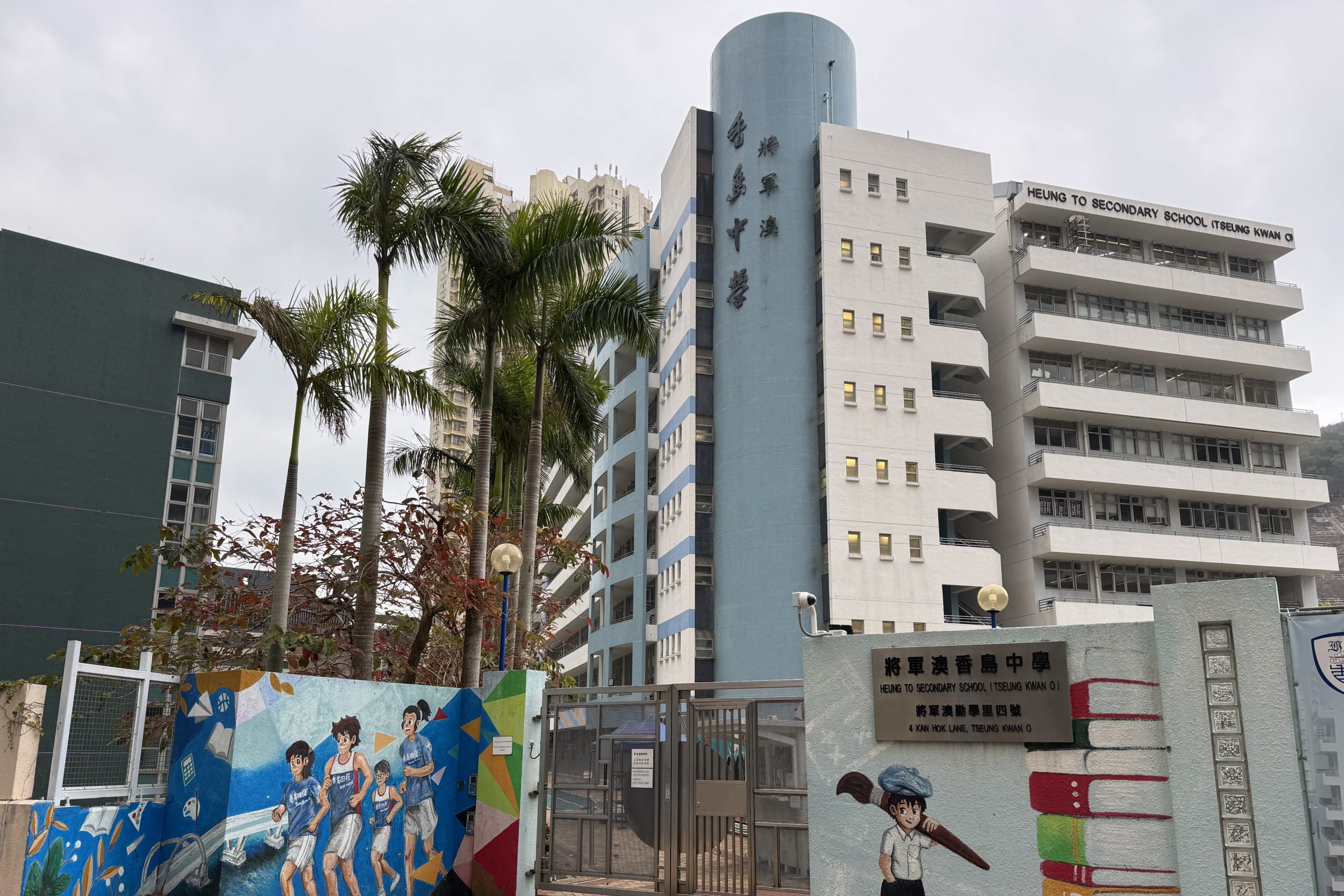
Although he was admitted to the English session of the school, Zhao found it hard to break into the Cantonese-speaking locals’ social circles.
“I couldn’t speak Cantonese smoothly, so I kept my head down and pretended to read my textbook during the in-class discussions,” Zhao said.
Not only Cantonese, but English held him back too. Zhao could not solve simple mathematics questions because the math questions were in English.
“I have to translate what I hear in English into Chinese in my mind to understand it, but the teachers speak so fast that I simply cannot keep up,” Zhao said.
His mother, who realized his struggles with English much later on, added English tutorials late, but the hap persisted.
“I felt pretty lost in Hong Kong’s class,” Zhao said.
After six months of continuous setbacks, Zhao’s mother decided to transfer him to Shenzhen.
Yu Rongjun, professor of mental health and human development at Hong Kong Baptist University, said secondary school students are particularly sensitive to environmental change.
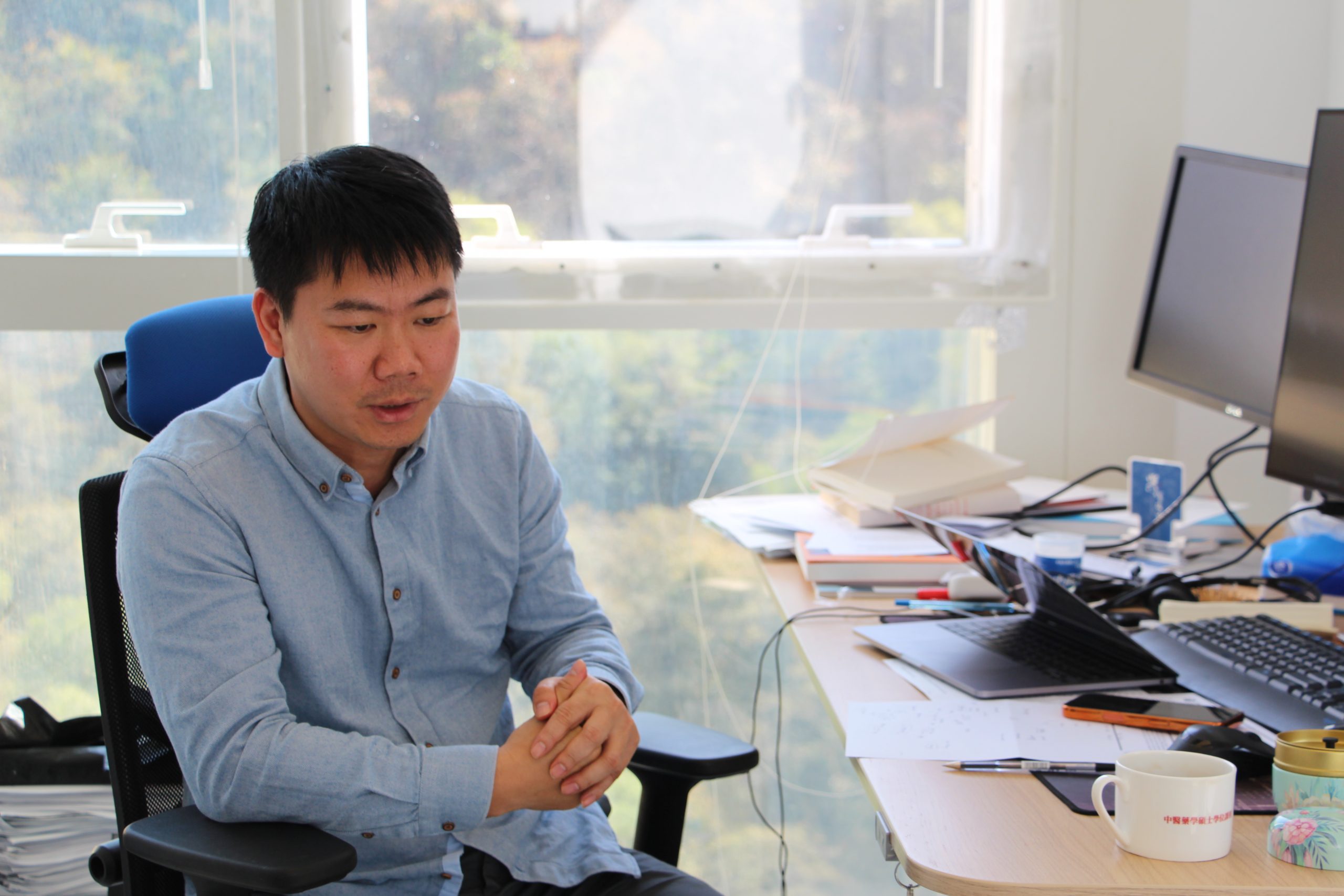
“It often takes at least one academic year for one to adjust to a new language and education system,” Yu said.
“The results often depend heavily on one’s language preparation, language background, and school support,” he added.
Chu Wai-lam, principal of Fung Kai No. 1 Primary School and a North District councillor, said his school took only two or three mainland students in September 2021. Since the launch of the Talent Schemes, the number of mainland transfers in September 2024 rose to 10.
The government offers a School-Based Support Scheme Grant to meet the learning and adaptation needs of newly arrived mainland students. It provides a one-off subsidy of HK$3,725 to each newly arrived mainland student at the primary level and HK$5,522 at the secondary level in September 2025.
“But it is not enough to provide sustained language and counseling support for these students,” Chu said, adding that the mainland transfer students have increased teachers’ workload.
“Teachers are already handling after-school tutoring for local students. Additional adaptation work requires more manpower,” Chan said.
While schools face mounting pressure, the Hong Kong Education Bureau has been providing free 60-hour adaptation courses funded by the government for newly arrived mainland children aged six to 18 since 1995, covering community adaptation, personal growth, Cantonese, and English teaching.
Yeung Fung-ling, director of International Social Service in Sham Shui Po, said five branches of her organization ran 42 classes between April and December 2025, serving 496 mainland students under Hong Kong’s policy schemes.
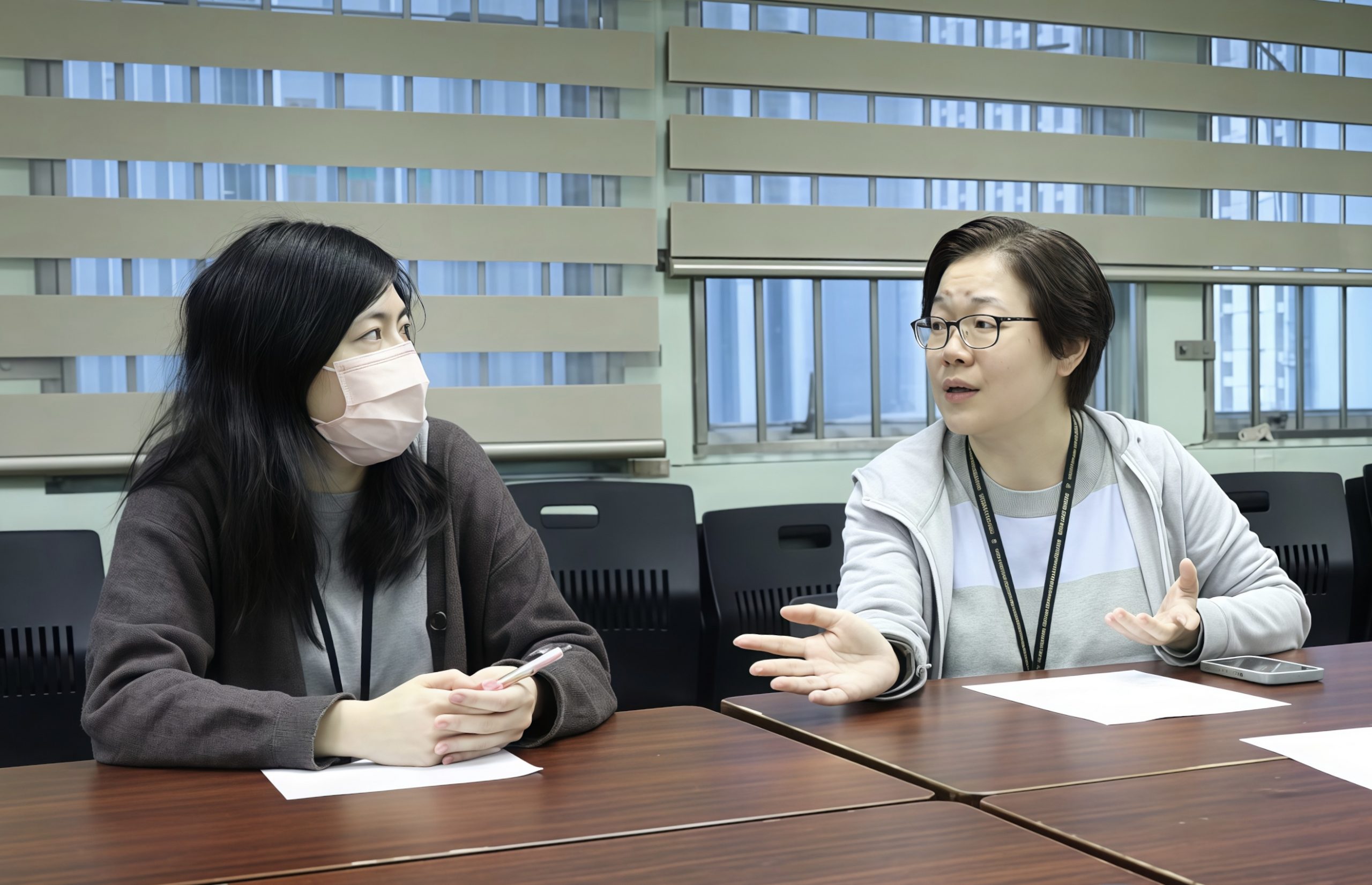
Lam Ching-yim, who oversees adaptation programs at the International Social Service, said they offer intensive 8-hour and 4-hour classes during summer vacation, and 2-hour after-school classes with flexible attendance during the semester time.
“Although the course offers a foundation, it may not be sufficient for students with limited Cantonese exposure,” she added.
“For some children, adjustment takes at least half a year,” Lam said. “60 hours can only be a starting point.”
Neither Wang nor Zhao enrolled in the 60-hour adaptation programme before deciding to leave Hong Kong. Wang’s parents said they were unaware of the courses at the time and only learned about them through social media discussions after reassessing his schooling options.
Li Ming, a 46-year-old FinTech developer who moved to Hong Kong from Hangzhou via the Top Talent Pass Scheme with his 15-year-old and 9-year-old daughters, said he never knew that the Education Bureau offered these free Cantonese classes for new arrivals, and his daughters’ schools never promoted this service either.
Yu, from Hong Kong Baptist University, criticized the poor promotion of Cantonese-support programs as having hampered the government’s efforts to integrate these mainland students into local schools.
“The lack of awareness among these mainland parents about the government-funded 60-hour courses, coupled with the school’s lack of promotion, has undermined the effectiveness of the support measure due to communication gaps,” Yu said.
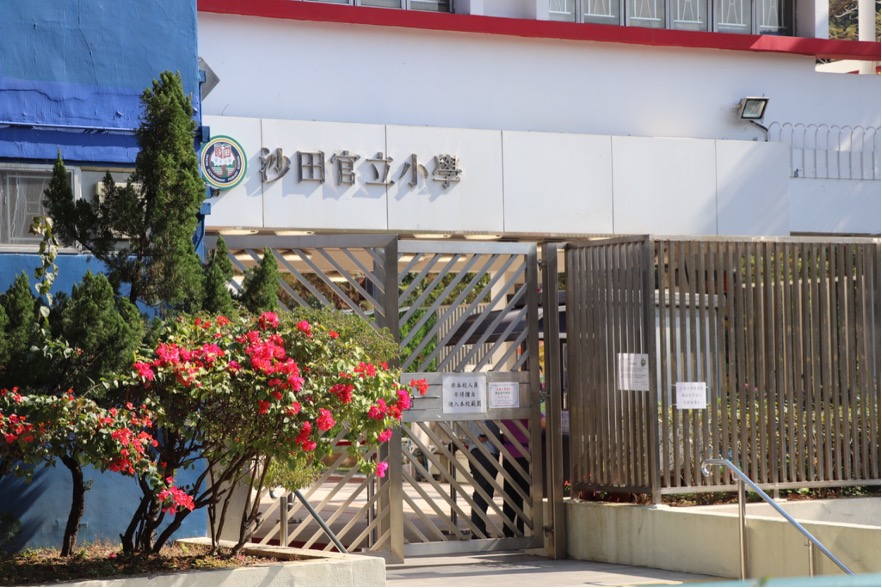
Shatin Government Primary School allowed simplified Chinese characters in exams last November, sparking backlash from local parents.
“Students coming to Hong Kong to study should adapt to the local system,” said Cheung Fang, a 40-year-old mom whose son is studying Primary Four at the Shatin school.
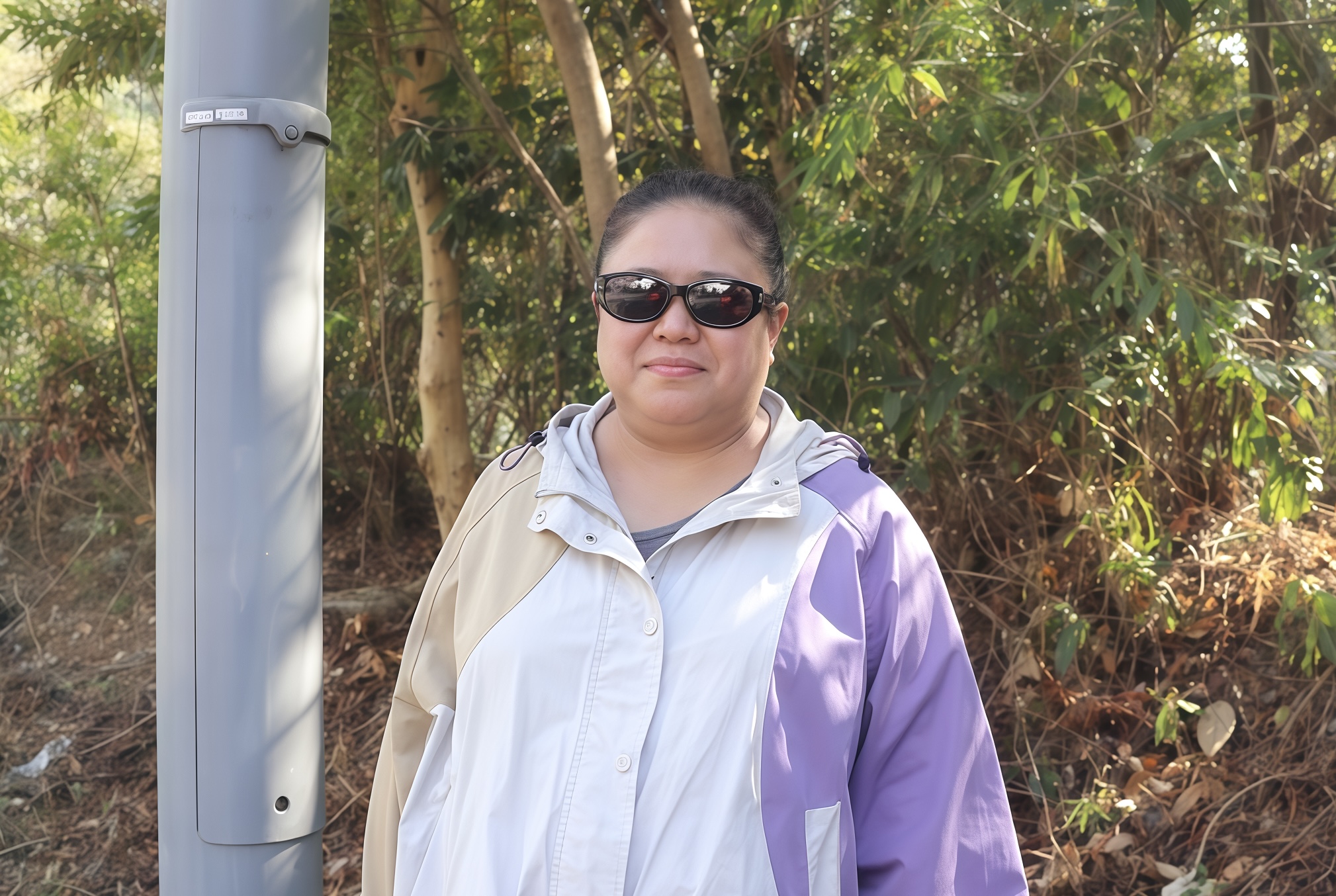
The Education Bureau stressed that traditional Chinese remains the official teaching standard, while the school is reviewing the policy with no full withdrawal yet.
Meanwhile, Chu Hiu-fung, a 43-year-old local mom whose son is in Primary Three at Munsang College Primary School, said extra tutoring for mainland transfer students has placed an extra burden on teachers.
“The biggest loss is the in-class teaching quality for local students. Our kids are being disadvantaged by this extra tutoring,” she added.
While conflicts as such remain inevitable, Yu urged local schools to avoid exam bends as a last resort.
“As cross-border mobility continues to rise, schools must cultivate inclusive environments to help students adapt and build mutual understanding,” Chan, the principal of Wong Kam Fai School, said.
《The Young Reporter》
The Young Reporter (TYR) started as a newspaper in 1969. Today, it is published across multiple media platforms and updated constantly to bring the latest news and analyses to its readers.

In Pictures: Ten Years Into Vision 2030, Digital Payments Reach Saudi Arabia's Traditional Markets

Brisbane turns pink as 25,000 run for International Women’s Day


Comments