
In 2025, Chris, a university nursing student in Hong Kong who asked not to be fully identified, failed a course after a plagiarism detector flagged his project as AI-generated. Chris insisted the work was entirely his own and appealed the failing grade but lost. It forced him to retake the same course, and left him with a reputation for academic dishonesty.
Since the launch of generative AI in 2022, many universities have adopted AI detection tools to assess whether student work involves AI-generated content. However, both students and teachers say these tools are often unreliable, raising serious concerns about fairness and due process.
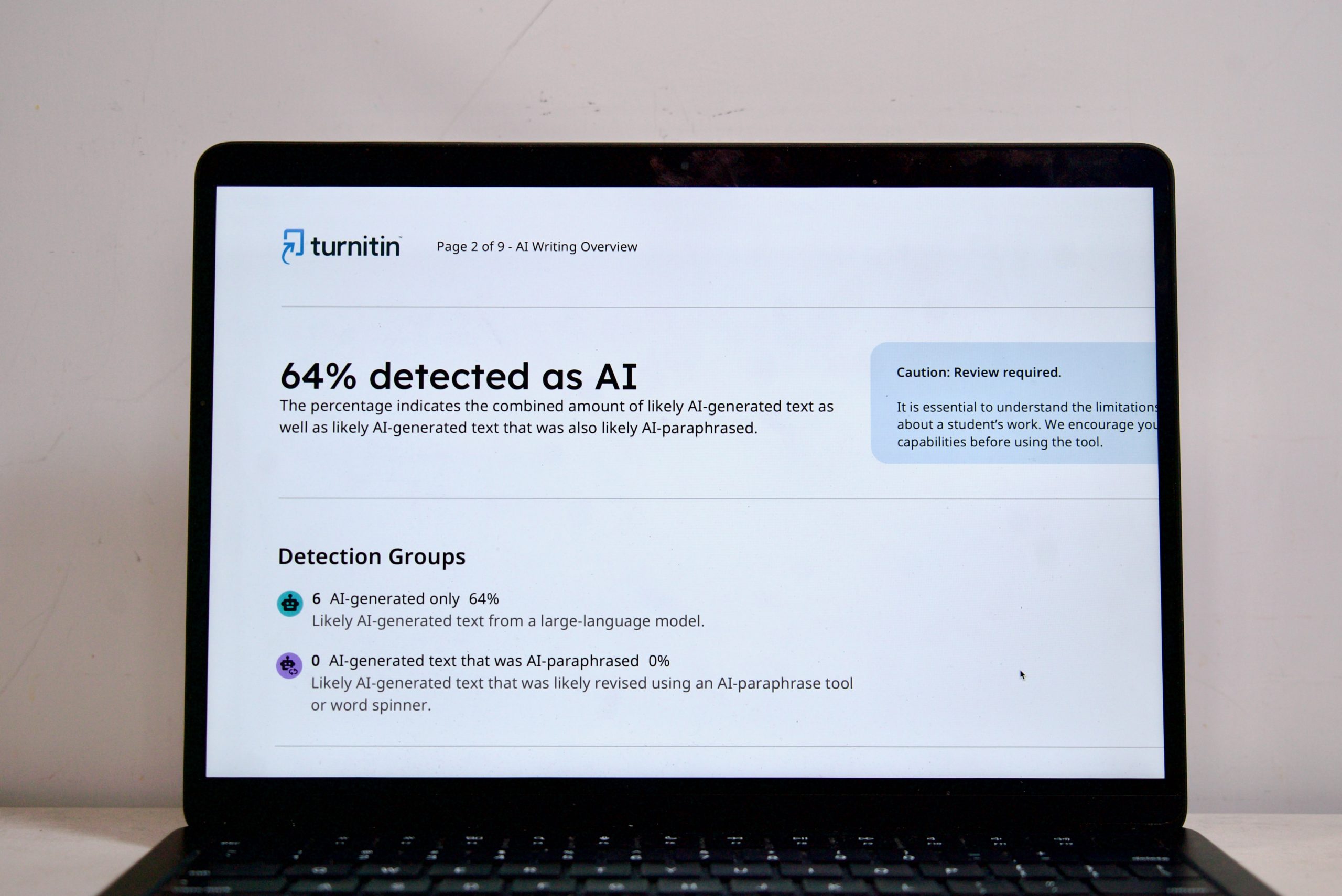
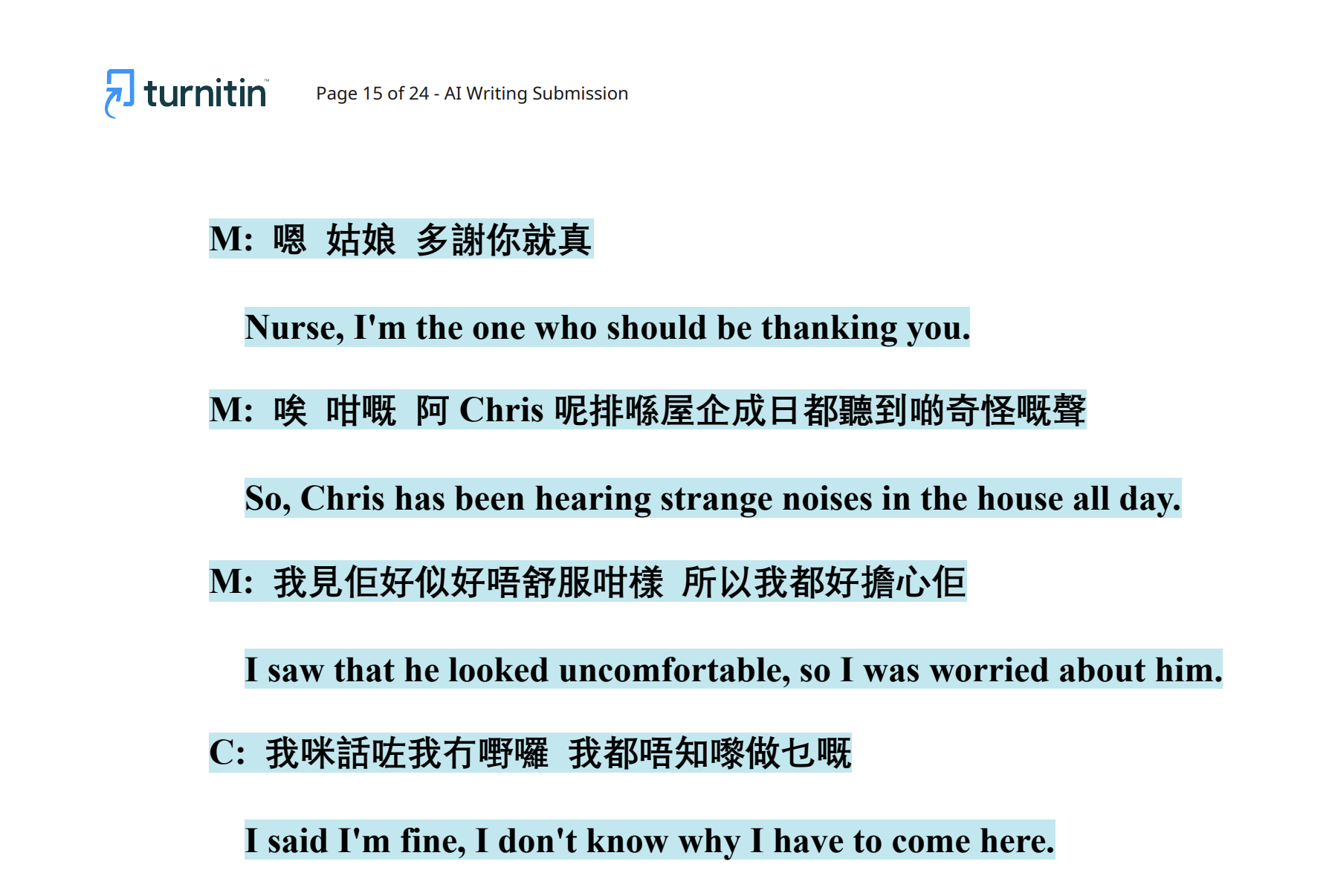
Chris and his groupmates were among those students affected. Their assignment, written in both Chinese and English, was flagged as 40% AI-generated by Turnitin, the tool used by their school.
Turnitin, used by over 20,000 institutions worldwide, assigns an AI percentage score to submitted assignments, indicating the likelihood that the content is AI-generated. Scores between 1% and 19% are typically hidden.
However, Turnitin’s AI detection does not support Chinese. When the group separated the languages, the score dropped below 20%.
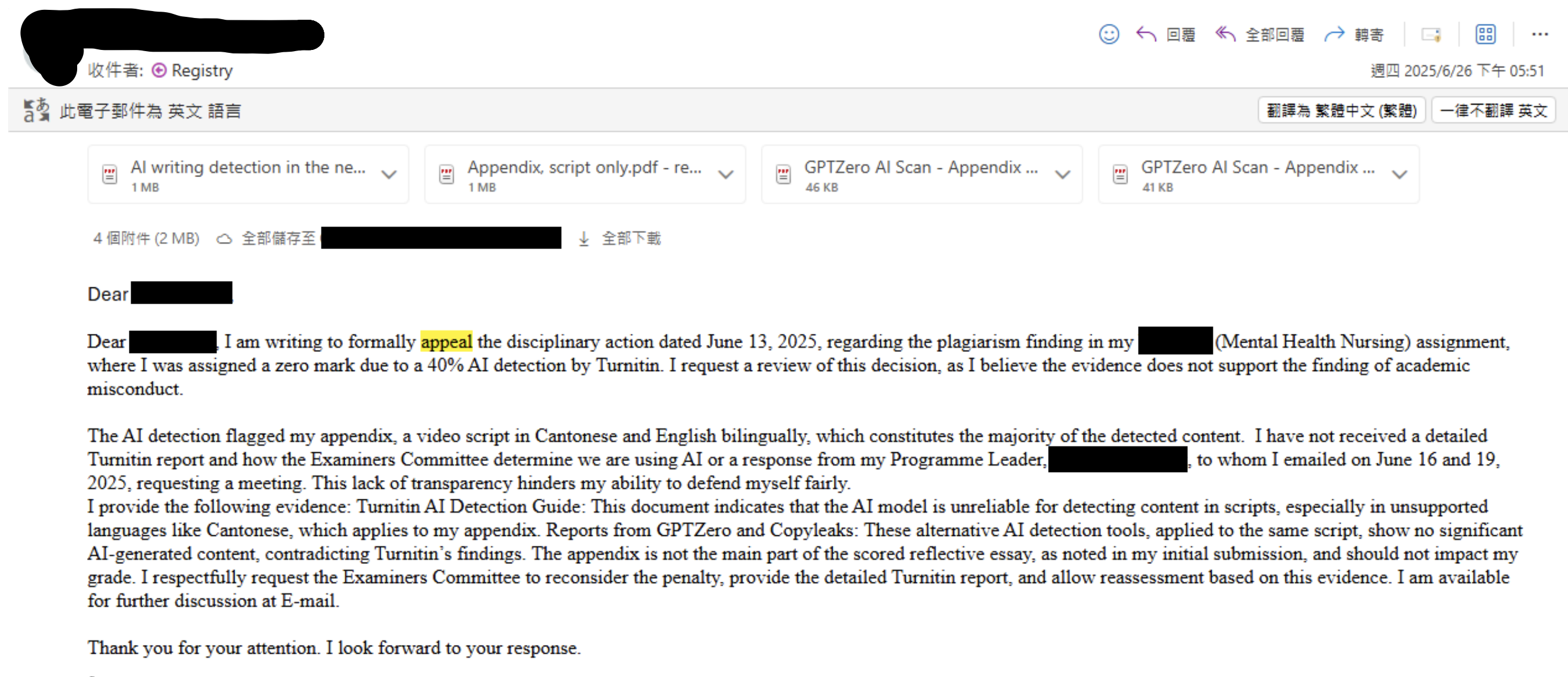
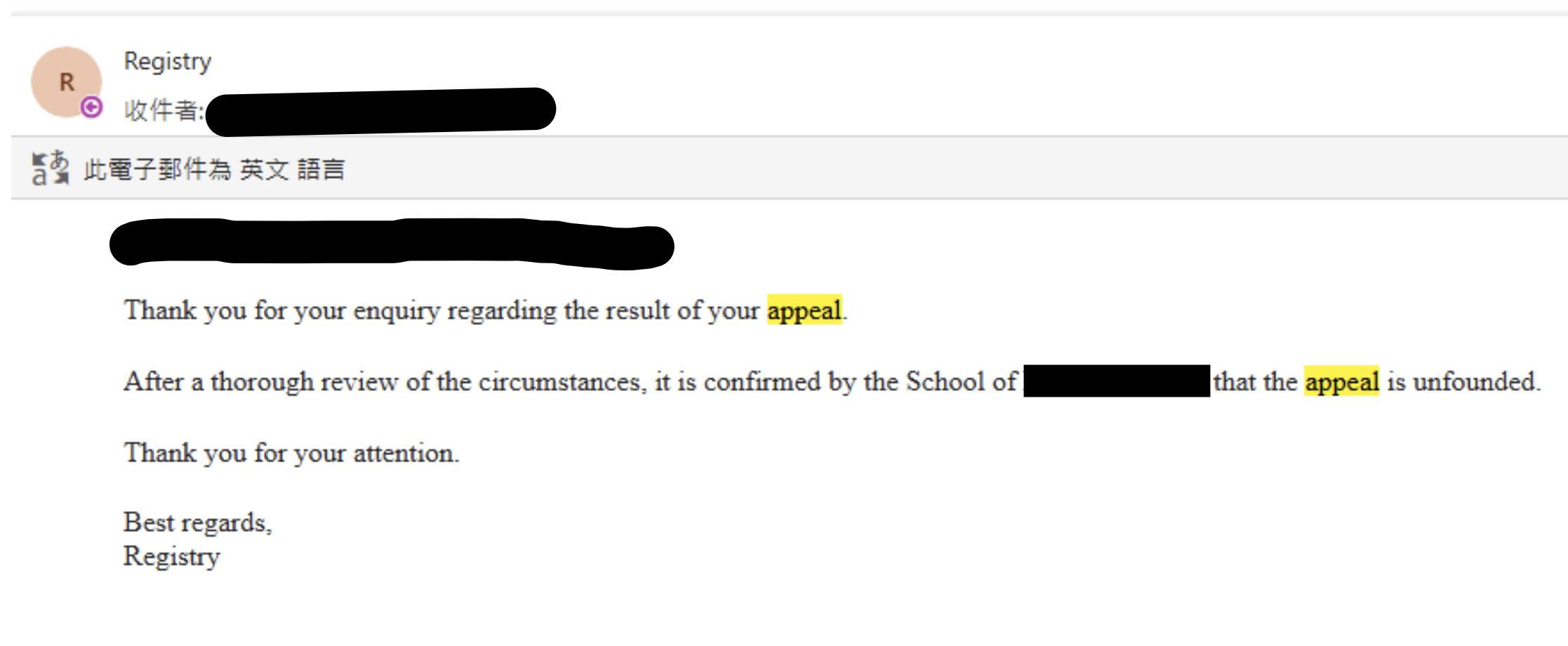
Despite presenting this evidence, Chris said his department rejected the appeal without explanation. According to the university’s handbook, suspected cases of academic dishonesty should be investigated and discussed in a formal meeting.
The Young Reporter inquired of 12 higher education institutions in Hong Kong regarding their AI policies. The Chinese University of Hong Kong responded that it acknowledged the possibility of false positives and said students have the right to appeal through fact-checking interviews.
Hong Kong Baptist University responded that teachers may request relevant documents from students, such as records of AI usage and early drafts, to review suspected misuse of AI.
Other institutions did not respond.
Caleb Lai, 21, a psychology student studying in the UK, had a similar experience. His work was falsely flagged, but his professor met him face-to-face, examining his word choices and citations. Lai successfully appealed.
“My professor would look at students’ academic results and check whether the quality of the flagged essay aligns with the students’ ability,” Lai said.
In response to these risks, students are changing how they work. Lai now learns from books on academic writing.
“The book provides examples for phrases and paragraphs, which should show human writing styles rather than AI-generated ones,” said Lai.
Chris, on the other hand, deliberately leaves grammatical mistakes to avoid detection. “I would rather lose marks on grammar than having the entire assignment marked down,” said Chris.
A secondary market has also emerged. Sellers on Taobao — a Chinese online shopping platform — offer Turnitin reports for around 30 yuan (HK$33).
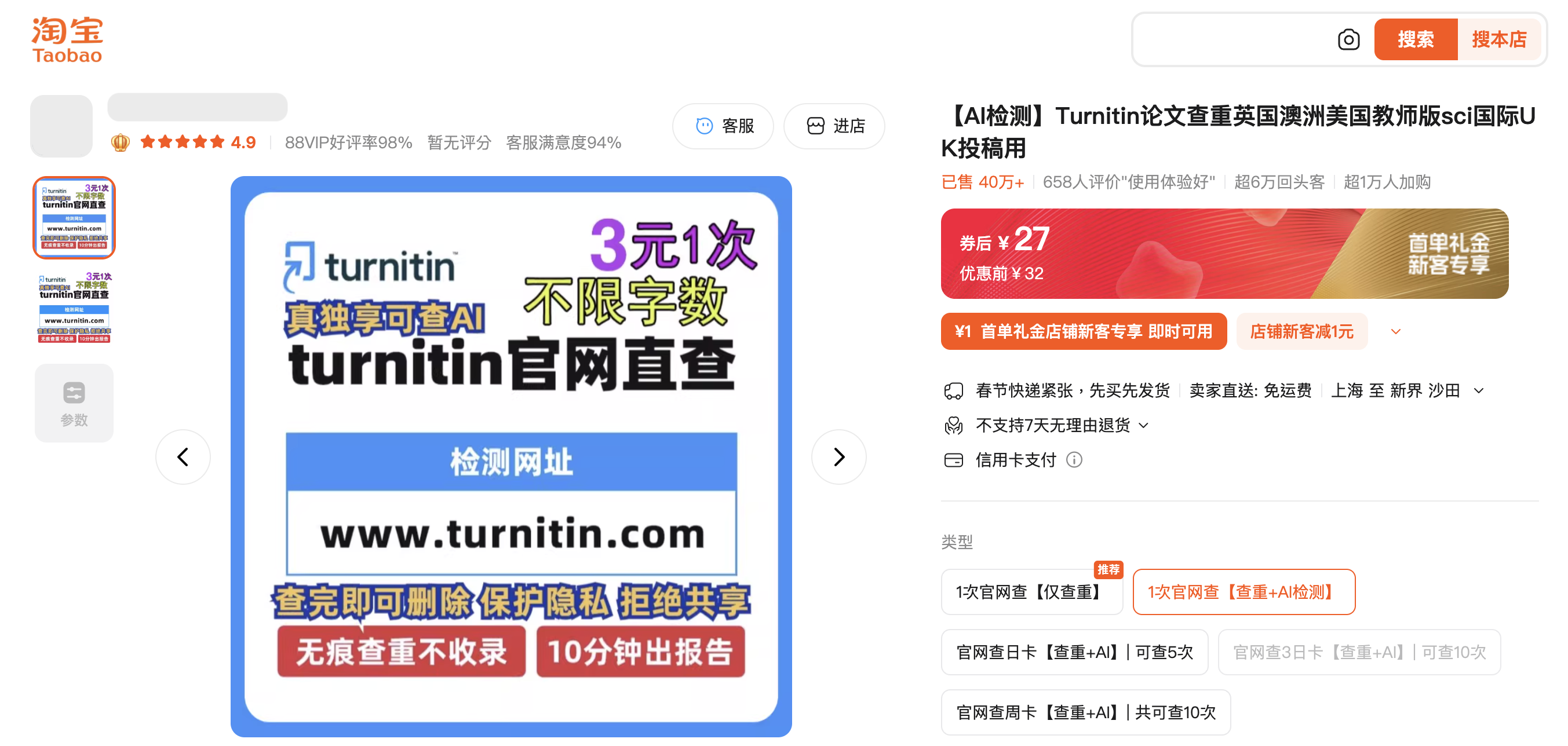
Chris now uses these services to ensure his scores are below 20% before submission. “This creates unfairness among students,” he said, adding that some students are not aware of the service, while others use them to bypass detection.
Another student who gave the alias Apple, said she uses generative AI for all assignments and repeatedly “humanises” the output until detection tools classify it as human-written.
She said it usually takes about five rounds of clearing.
She said the cost is worthwhile for achieving top grades. “I study for a First Class Honours degree. It’s worth paying hundreds for Turnitin reports, in exchange for scholarships valued at tens of thousands,” she added.
CL Tsang, a part-time lecturer at Hong Kong Metropolitan University, said AI detection tools sometimes fail when students significantly edit AI-generated content.
“Those [AI-generated] ideas are repetitive and generic,” he said.
Still, Tsang allows limited AI use for proofreading and grammar.
“AI can help with tedious work, giving us more room to develop new ideas, possibilities and experiments… It speeds up the idea generation and publication process,” Tsang said.
Joseph Lin, AI transformation lead at Goodnotes — a note-taking software company — said AI detection tools have “limitations upon limitations” in their accuracy and effectiveness.
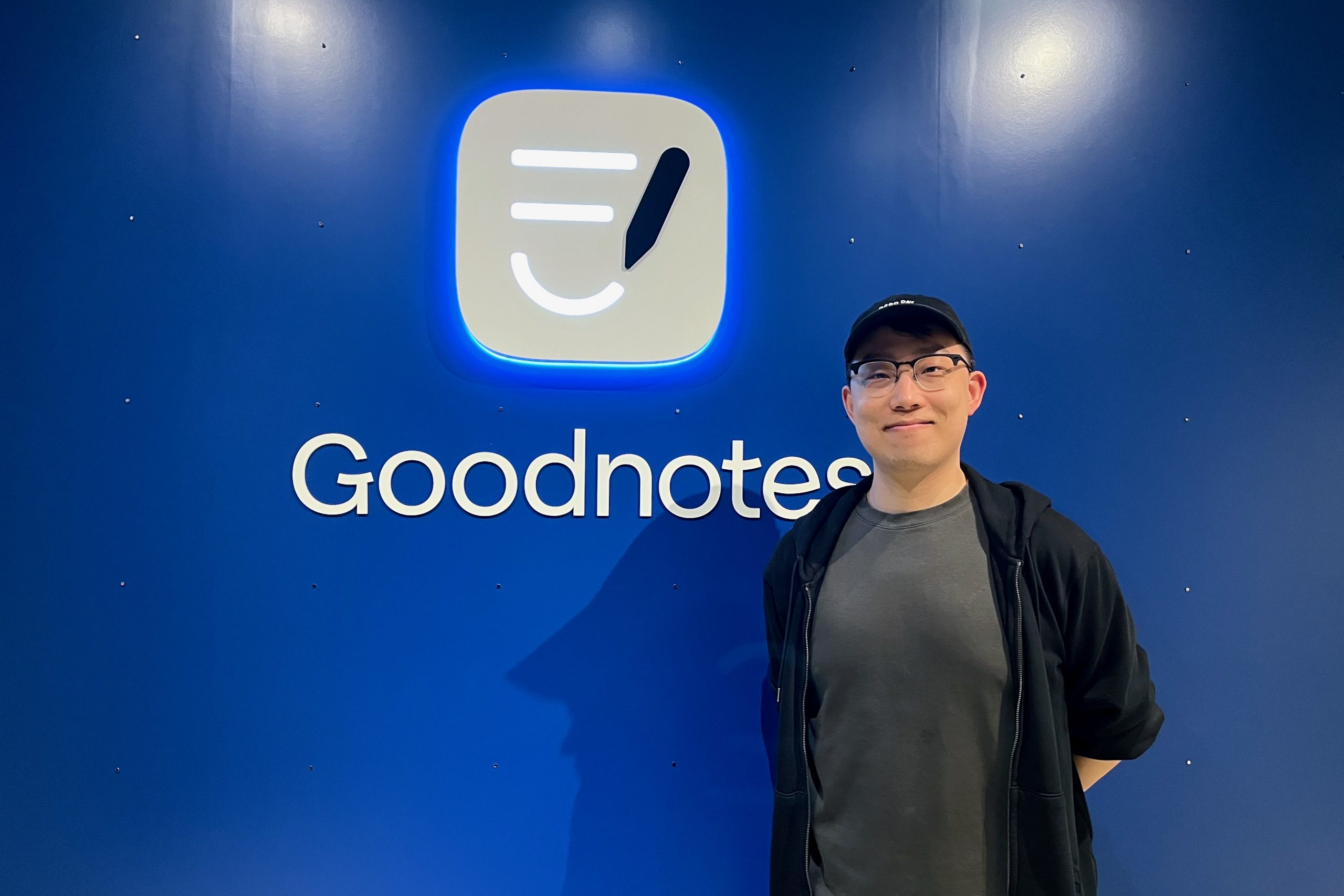
Lin said the tools rely on training data that may not reflect real-world writing diversity, and their assumptions are often unclear. Lin also noted a bias against non-native English users, whose writing structures and use of vocabulary may appear to be more mechanical and repetitive.
A 2023 Stanford study found that AI detectors incorrectly labelled more than half of the TOEFL essays — written by non-native speakers — as AI-generated.
OpenAI withdrew its own AI detection classifier in 2023 due to its low accuracy. OpenAI said the classifier would incorrectly label human-written text as AI-written 9% of the time. Until May 2026, OpenAI had not released another version of the AI classifier.
While Turnitin, on the other hand, claims a false positive rate below 1%, Lin said this percentage is still unacceptable in a school setting. “An error rate of 0.01% is a lot,” he said.
Some universities, including Vanderbilt University and University of Cape Town have already discontinued AI detection tools due to the risk of false detections. “We do not believe AI detection software is an effective tool that should be used” in 2023,” VU stated.
Lin said AI detection is the wrong method for assessing students’ efforts. “The problem is how a student can prove that they have acquired skills [through the assignments],” he added.
He suggested that schools allow students to use generative AI in their assignments, with prompt histories and reflections submitted to show teachers what they have learnt.
“Students should be happy because they can use AI as much as they want, and teachers should be happy as they have more information to rely on [when marking assignments],” Lin added.
《The Young Reporter》
The Young Reporter (TYR) started as a newspaper in 1969. Today, it is published across multiple media platforms and updated constantly to bring the latest news and analyses to its readers.

More than just a parade: Cheung Chau Bun Festival 2026

France reports more than 5,000 deaths after June heatwave



Comments