
The Young Reporter

Policy Address 2026: Hong Kong set to provide 30,000 career opportunities to stimulate employment for youth
Hong Kong will subsidise 30,000 new employment opportunities through internships and full-time jobs for those with limited experience, Chief Executive John Lee Ka-chiu said at the 2026 Policy Address. This initiative is under the new “30,000 Youth Employment and Internship Programme” and it aims to facilitate career opportunities among fresh graduates and university students over a period of two years starting from the first quarter of 2027. Of these, 10,000 full-time jobs will target fresh graduates entering the workforce for the first time. The number of job vacancies open for university graduates fell to a five-year low last year, according to a May report by the Research Office of the Legislative Council Secretariat. The report also attributed the rise in the unemployment rate of those aged between 15 to 24 to the high proportion of first-time job seekers who lack work experience. Within the programme, 10,000 internships for STEM will be offered over two years. Alizhan Ibrayev, 22, from Kazakhstan, who graduated with a bachelor's degree in chemistry from Hong Kong Baptist University this year, interned at “A Grade Energy Limited”, a company based in the Hong Kong Science and Technology Park. Ibrayev said that internship opportunities at the Science Park are very popular, especially for STEM students. Hong Kong Science & Technology Parks Corporation, set up by the Hong Kong government in Shatin in 2001, is home to more than 2,400 technology companies, many of which offer student internships. Ibrayev mentioned that after his internship, he was offered a full-time position at the Park, but declined it to pursue his PhD at the Hong Kong University of Science and Technology. He added that other graduates in his cohort are struggling to find part-time or full-time jobs. Hong Kong’s entire labour market has seen a decline in employment, according to …
- 2026-09-16
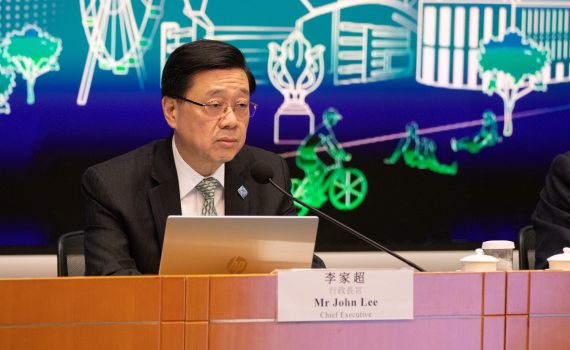
Policy Address 2026: Hong Kong government to call for private sector bids to build student housing
The Development Bureau will put the first student-hostel designated site up for sale this financial year, Chief Executive John Lee Ka-chiu said in today’s policy address. The tendered land will be from Kai Tak, Siu Lek Yuen, Shatin or Tung Chung East, according to the February release of LegCo, with no further details released. The land-selling initiative comes under the Hostels in the City Scheme, jointly launched by the Development Bureau and Education Bureau in July last year, and encourages dormitory developers from private sectors. The scheme was previously limited to the conversion of office buildings and hotels into student housings when introduced in the policy address last year. Ho Hang-kei, a professor researching housing policy at the Chinese University of Hong Kong, said, developing new sites, as opposed to converting existing buildings, will compete for limited construction human resources in the market. He added that it may curb the number of building projects that can commence in the same period. “But in the medium term, I think that’s going to be quite an attractive position, given the steady stream of students and high occupancy rate,” he said. As of April, existing market-run student hostel projects have recorded an occupancy rate of between 98% and 100%, according to the report from Jones Lang LaSalle. Sun Yichen, 22, a master student at City University of Hong Kong, moved into the Yuè Residence in Kowloon in August this year since she failed to secure a place in the on-campus hall in June. Sun thinks that the hostel needs better security arrangements. “It’s very late for me to finish the class at 10 p.m. every night,” she said. “Temple Street draws heavy foot traffic after dark, and there is only one security guard on duty downstairs at the dormitory,” she added. TYR reporters …
- 2026-09-16
Policy Address 2026: HK$10 billion loan ‘not enough’ for building new campus site, after John Lee announced the development of Northern Metropolis University Town
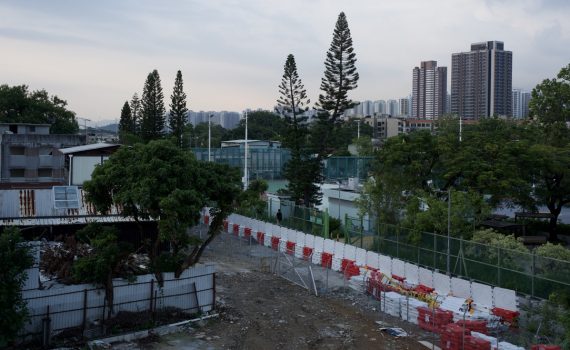
The new university town in the Northern Metropolis Development area will be expanded, Lee said today in the policy address, but universities, which are expected to fund new campuses, say the government is not offering enough money for building costs. In April, the government announced a low-interest loan scheme with HK$10 billion reserved to support universities in building campuses in the new development area. Dr Albert Chau, the Vice-President (Teaching and Learning) at Hong Kong Baptist University, said the low-interest loan is “not enough”. “Our university may build new laboratories and buildings, and the required funding is substantial, despite a HK$10 billion loan for universities.” Nineteen universities have submitted proposals for building a new campus in NMUT, Choi Yuk-lin, the secretary for Education of Hong Kong, said in a press conference in June. If all the proposals are accepted, each university would receive an average of around HK$500 million. According to the University Engagement Office of HKBU, its new Jockey Club Campus of Creativity, which opened in 2024 on its Kowloon Tong campus, cost HK$2.22 billion for 7,430 square metres, far exceeding HK$500 million. Zhou Haoming, a post-graduate student at the University of Hong Kong, said he is concerned that universities may raise tuition fees to fill the funding gap. “Government loans are a policy concession, but the school will ultimately have to put up the money for construction,”he said. Chau said that the tuition fee at HKBU will only be raised to meet inflation and won’t be a major way to gather funding for expanding the campus site. “We have no reason to transfer the burden of university development to our students. We should set proper tuition figures which students can afford. This is our social responsibility,” Chau said. Universities are expected to seek funds by utilising reserves or …
- The Young Reporter
- 2026-09-16


Asian-inspired flavours take centre stage at HK gelato festival
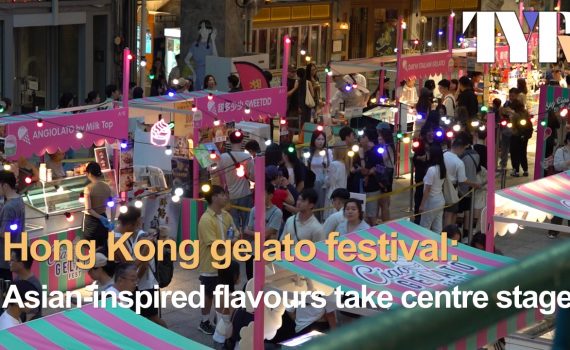
https://youtu.be/JclqSdmYdas?si=Aj4NY2NJcgZ9LKZ_ Reported by Linnea Hedman, Anne Baguio Edited by Audrey FU Rong Video description: Hong Kong’s largest gelato festival, Ciao! Gelato Fest 2026, has returned to PMQ in Central, bringing together 20 gelato brands from Hong Kong, Italy, Macau and Portugal. The festival features more than 30 limited-edition and debut flavours, including Asian-inspired creations such as Hong Kong French toast, pineapple bun and mochi. The event attracted long queues and a diverse crowd during the National Day Golden Week, with visitors from Hong Kong, mainland China, and more. According to PMQ, daily visitor traffic increased by 12 % compared with last year, averaging 12,000 visitors a day. With free admission, Ciao! Gelato Fest takes place at PMQ from Oct. 1 to 4 and Oct. 9 to 11.
- 2026-10-08

Po Pin Chau visitor cap overrun on National Day, almost half absent
The number of reserved visitors for Sai Kung’s Po Pin Chau on National Day reached 2,420, exceeding the original official capacity limit of 2,000, yet only 1,160 people visited the spot, according to the Agriculture, Fisheries and Conservation Department. That came as the department announced on Aug. 21 that during the weekends, the Mid-Autumn Festival, and the National Day “golden week” from Sept. 5 to Oct. 7, visitors must make an appointment in advance to visit the High Island Geo Trail-Po Pin Chau Section of the High Island Reservoir East Dam in Sai Kung. Visitors must make a reservation via online travel agency Klook and present both the electronic confirmation and proof of identity to gain entry on the day of visit. On the National Day, environmental NGO Greenpeace conducted a field visit, and said crowding and trail damage remained serious despite the booking system, it said in a statement. Greenpeace called on the authorities to lower the daily quota of 2,000, prioritise repairs to damaged sections of the trail, and consider stronger measures such as seasonal closures or closing degraded segments during peak periods. “In the long run, the Culture, Sports and Tourism Bureau and the Environment Bureau should implement cross-departmental cooperation to carry out carrying-capacity studies on ecologically sensitive sites across Hong Kong and formulate a conservation-first ecotourism policy,” it wrote. Peng Liqing, Assistant Professor in the Department of Geography at the University of Hong Kong, said while visitor caps are direct management tools, their actual effectiveness ultimately depends on quota calibration and visitor behavior management. Before the policy was implemented, the East Dam—the starting point of Po Pin Chau—recorded a daily average of 2,900 visitors during this year’s May Day holiday, peaking at 5,700 in a single day, the AFCD said. According to the Policy Address 2026, …
- The Young Reporter
- 2026-10-03
Prolonged waiting for treatment worsens mental illness sufferings
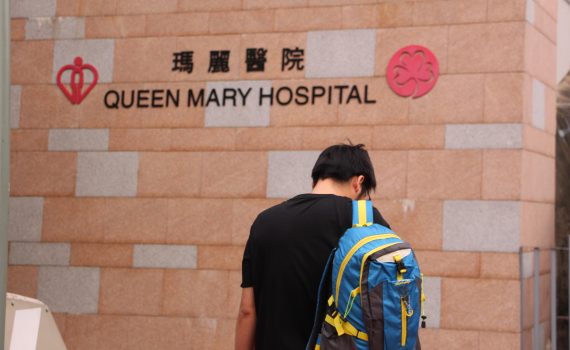
Vivian Chan, a 16-year-old Form Five student in Wong Chuk Hang, had her life trajectory changed three years ago when she was bullied and sexually harassed at just 12 years old. The incident left her isolated, led to suicide attempts, and resulted in a year-long struggle with mental health symptoms before she finally received a diagnosis and started treatment at Queen Mary Hospital. Chan was diagnosed with moderate depression in early 2024, one year after her depression began to arise, which gradually worsened due to extended outpatient waiting times and delayed community intervention, she said. Hong Kong’s public hospital psychiatric clinics have long been plagued by lengthy waiting times and a severely imbalanced doctor-patient ratio, with the longest waiting time for new outpatient cases reaching up to 101 weeks in 2025. While the government seeks to strengthen community mental health interventions in the hope of shortening clinical waiting lists, the effort is hampered by a shortage of resources for social workers’ early identification and prevention services training. The number of new psychiatric outpatient cases at public clinics has continuously increased from 47,879 in 2022 to 53,353 in 2025, according to the Hospital Authority. Around one in five urgent patients faces a median waiting time of one to three weeks for treatment, while the median waiting period for most non-urgent patients ranges from 17 to 76 weeks. After joining Queen Mary Hospital’s waiting list in 2024, Chan eagerly awaited professional medical help, only to endure a 28-week delay. Chan felt intense pain and helplessness during the waiting period. “Without a diagnosis, I kept overthinking if I was truly sick,” she added. She once locked herself in her bedroom for weeks to escape from the painful reality. “I pulled the curtains to block out sunlight, wrapped myself in blankets, and couldn’t hold …
- The Young Reporter
- 2026-05-03

Policy Address 2026: HK$10 billion loan ‘not enough’ for building new campus site, after John Lee announced the development of Northern Metropolis University Town
The new university town in the Northern Metropolis Development area will be expanded, Lee said today in the policy address, but universities, which are expected to fund new campuses, say the government is not offering enough money for building costs. In April, the government announced a low-interest loan scheme with HK$10 billion reserved to support universities in building campuses in the new development area. Dr Albert Chau, the Vice-President (Teaching and Learning) at Hong Kong Baptist University, said the low-interest loan is “not enough”. “Our university may build new laboratories and buildings, and the required funding is substantial, despite a HK$10 billion loan for universities.” Nineteen universities have submitted proposals for building a new campus in NMUT, Choi Yuk-lin, the secretary for Education of Hong Kong, said in a press conference in June. If all the proposals are accepted, each university would receive an average of around HK$500 million. According to the University Engagement Office of HKBU, its new Jockey Club Campus of Creativity, which opened in 2024 on its Kowloon Tong campus, cost HK$2.22 billion for 7,430 square metres, far exceeding HK$500 million. Zhou Haoming, a post-graduate student at the University of Hong Kong, said he is concerned that universities may raise tuition fees to fill the funding gap. “Government loans are a policy concession, but the school will ultimately have to put up the money for construction,”he said. Chau said that the tuition fee at HKBU will only be raised to meet inflation and won’t be a major way to gather funding for expanding the campus site. “We have no reason to transfer the burden of university development to our students. We should set proper tuition figures which students can afford. This is our social responsibility,” Chau said. Universities are expected to seek funds by utilising reserves or …
- The Young Reporter
- 2026-09-16
Youth summit focuses on opportunities for HK ethnic minority youth
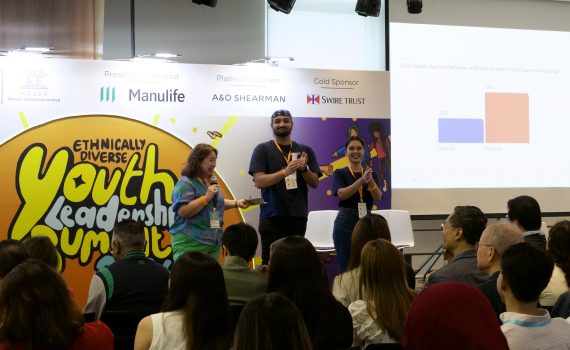
More than 300 ethnically diverse people aged 18 to 30 gathered on Saturday at a youth leadership Summit, which centred on prospective opportunities and challenges for ethnic minority youth in Hong Kong. The Ethnically Diverse Youth Leadership Summit 2026 was the second edition of the summit held by the Zubin Foundation in Ngau Tau Kok. The summit aimed to focus more on job opportunities, although much of the discussion about diverse ethnic communities centers on the negative barriers and challenges, said Shalini Mahtani, Founder and CEO of the foundation. “We're not downplaying them, but we also wanted to focus on something like your aspirations, leadership, and future in Hong Kong,” she said. Delivering his opening remarks as a guest speaker, Chris Sun Yuk-han, Secretary for the Labor and Welfare Bureau, said that as a policymaker, he is keen to listen to the group’s passion and concern. Sun encouraged young minorities to overcome difficulties in their work and said it was a great opportunity for him to hear the participants' thoughts. The summit revolves around the challenges and opportunities of the ethnically diverse community and features a debate titled “Are you optimistic or pessimistic about your future in Hong Kong?” Arvind Singh Dhaliwal, 23, an engineering student at the University of Hong Kong, is of Indian descent and grew up in Hong Kong. He speaks some everyday Cantonese and English, and represented the opposition side in debate. “A lot of engineering companies prefer people who can speak Mandarin, since many firms and departments are moving head to the mainland,” said Dhaliwal. “For Cantonese, I can speak enough to get by, but it is too stressful for me to speak Mandarin.” Subha Abedin, 21, a member of the Foundation for Youth Development—a youth-led non-governmental organisation—who graduated this year, said “Language can be …
- The Young Reporter
- 2026-09-13
Red minibus drivers struggle as ridership plunges and fuel costs rise
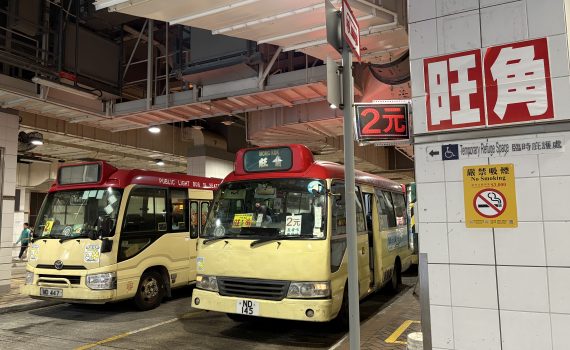
At Kwun Tong Yue Man Square Public Transport Interchange, one of the city’s busiest transport hubs, 55-year-old red minibus driver Saniel Ng would clock off from a 13-hour shift at 9pm on most days with a take-home pay of just about HK$1,000. As Ng looked around the transport interchange, he noted that even though there were some queues of passengers waiting for red minibuses, ridership was not what it used to be. “Bus companies have taken away the business,” said Ng, who has been a red minibus driver for more than 20 years. “Without enough passengers, it’s hard to survive.” For decades, Hong Kong’s red minibus has been better known for its high speed and unruly round-the-clock service. But the trade is at risk of becoming a remnant of old Hong Kong as the city’s mass transport network continues to modernise. There are two types of public light buses, differentiated by their roof colours and service flexibility. Red minibuses operate on flexible routes with fares that drivers can adjust based on demand and the time of day, whereas green minibuses run on fixed routes and schedules set by the government. Red minibuses are disappearing, with passenger numbers falling by more than half, or 50.5%, from 295,000 in 2017 to 146,000 in 2024, according to Transport and Logistics Bureau data compiled in a Legislative Council research report published in March last year. Commercial vehicles in Hong Kong must obtain operational licences from the Transport Department. The price of a minibus operating licence, for both red and green minibuses, also dropped 47% between 2022 and 2024, from HK$1.7 million to HK$900,000, far below its 2014 peak of HK$5.5 million. Despite green minibuses having recorded a recovery in passenger volume since 2022, red minibuses have continued to see a decline in their passenger …
- The Young Reporter
- 2026-05-13



Advertisement


Advertisement