INFO · Search
· Chinese version · Subscribe

Photo Essay

Doha’s Falcon Souq keeps a century-old tradition alive

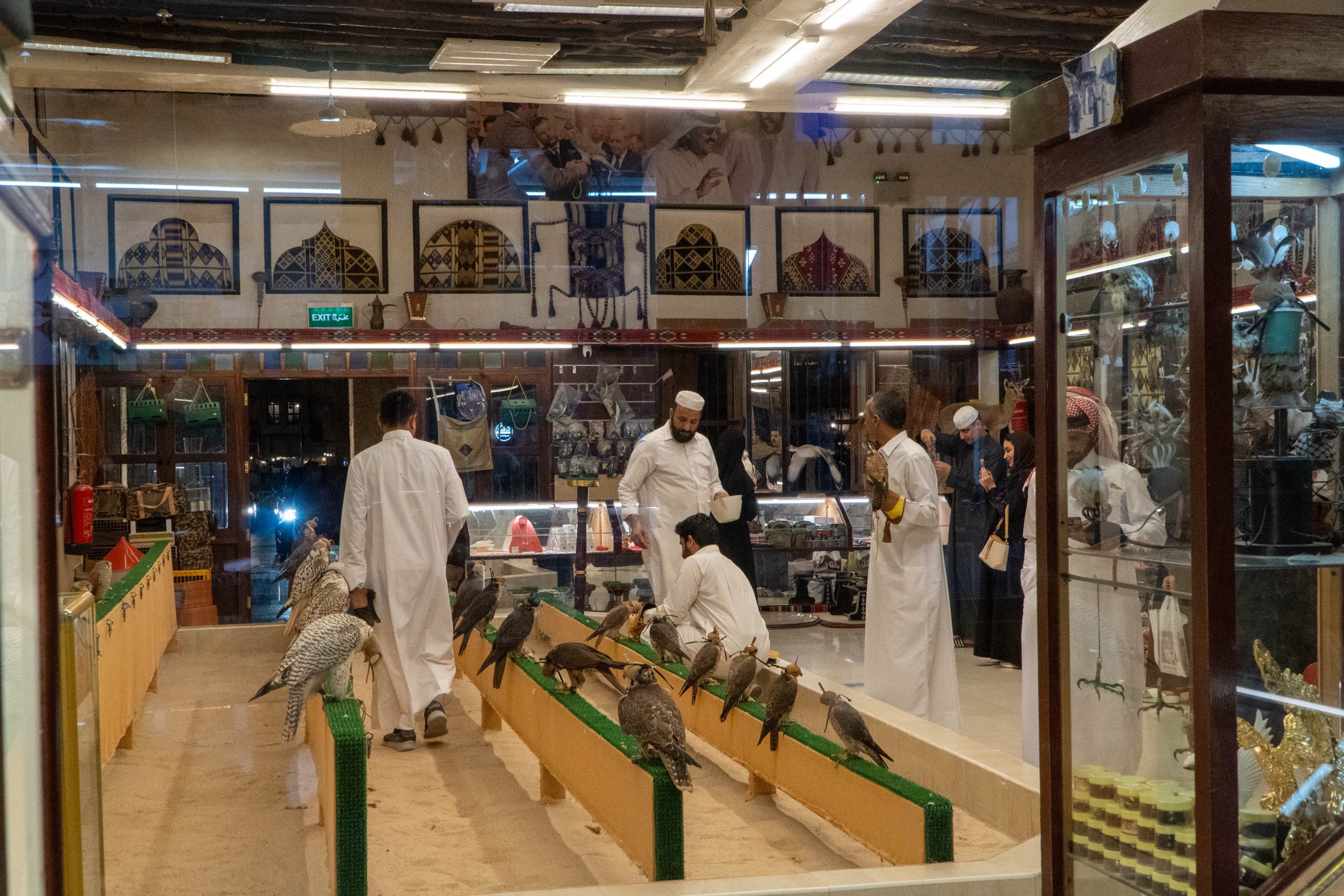
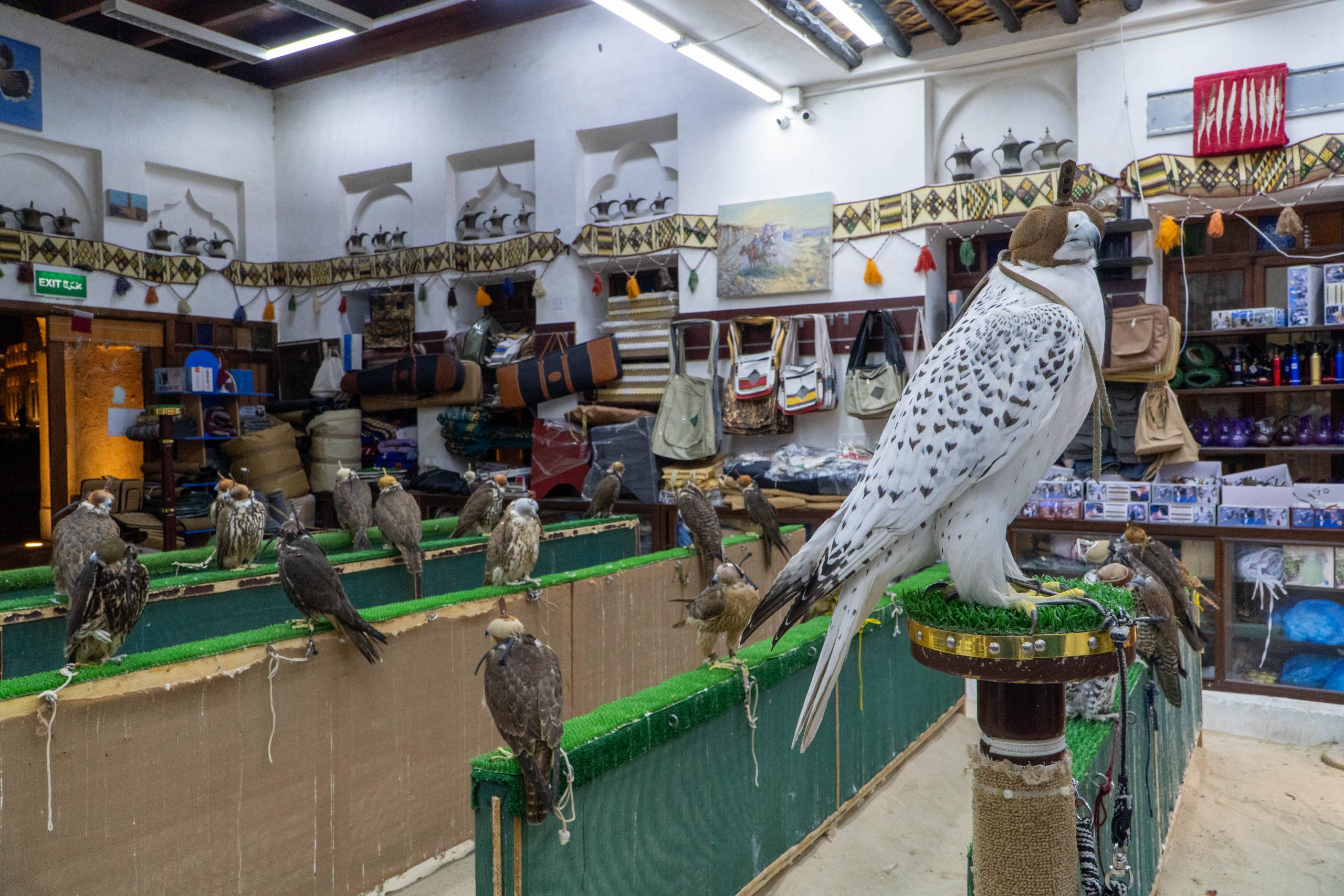
Falcons in a falcon shop at Souq Waqif Doha, Qatar, Jan. 9, 2026. (Elaine Lai Uen-ling, The Young Reporter)

DOHA, Qatar Jan 14 – Falconry is one of the world’s oldest hunting traditions with a documented history spanning over 4,000 years. Introduced from Central Asia around the 7th century, Bedouin tribes of the Arabian Peninsula relied on falcons’ speed, sharp eyesight and innate hunting instincts to survive in the harsh desert, long before the rise of modern urbanisation.

Today, this practical survival skill has evolved into a revered cultural tradition embedded in local folklore, poetry and royal customs. The Falcon market at Doha’s Souq Waqif is more than just a marketplace for local enthusiasts. It is a living landmark where visitors can experience firsthand the legacy of falconry in Qatari culture.

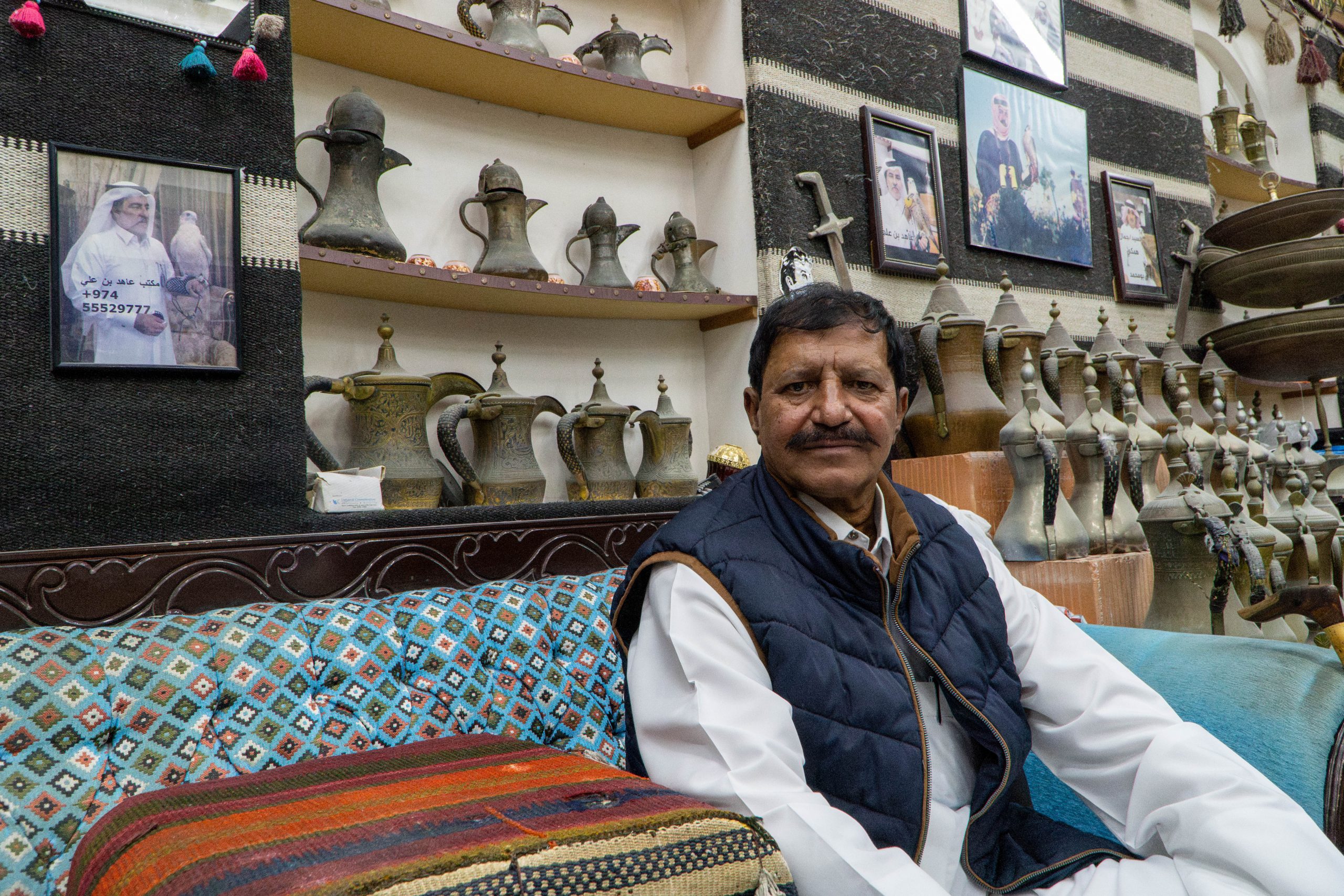
Aziz, 65, is the owner of a falcon shop in the market. Originally from Pakistan, he came to Qatar in 1993. In 2012, Aziz opened his first falcon shop. He has since expanded to three shops in Qatar and employs 22 workers including three of his sons.

According to Aziz, a falcon can fetch prices anywhere from 2,000 up to 1.75 million Qatari riyals (around HK$4,280 to HK$3,600,000).

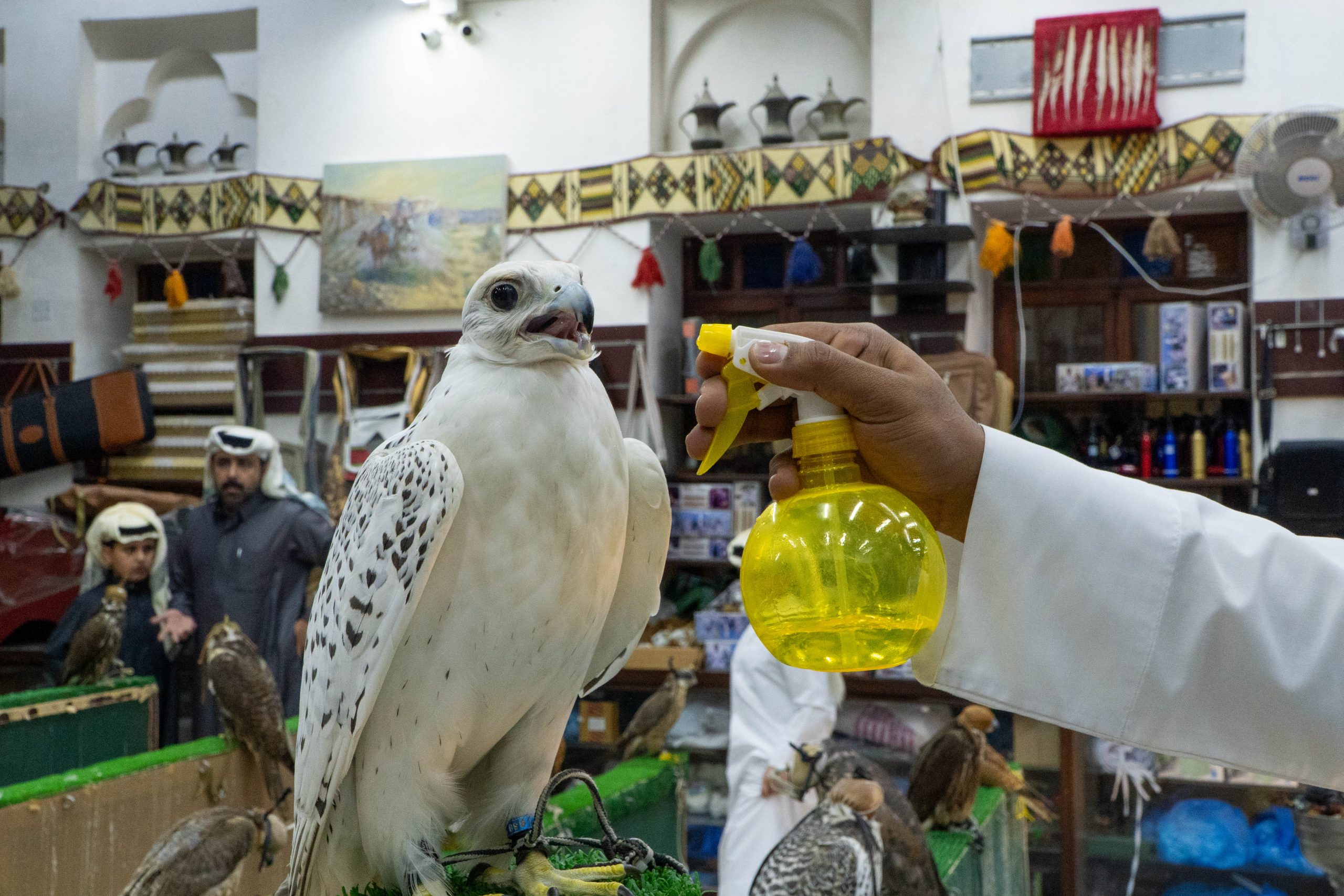
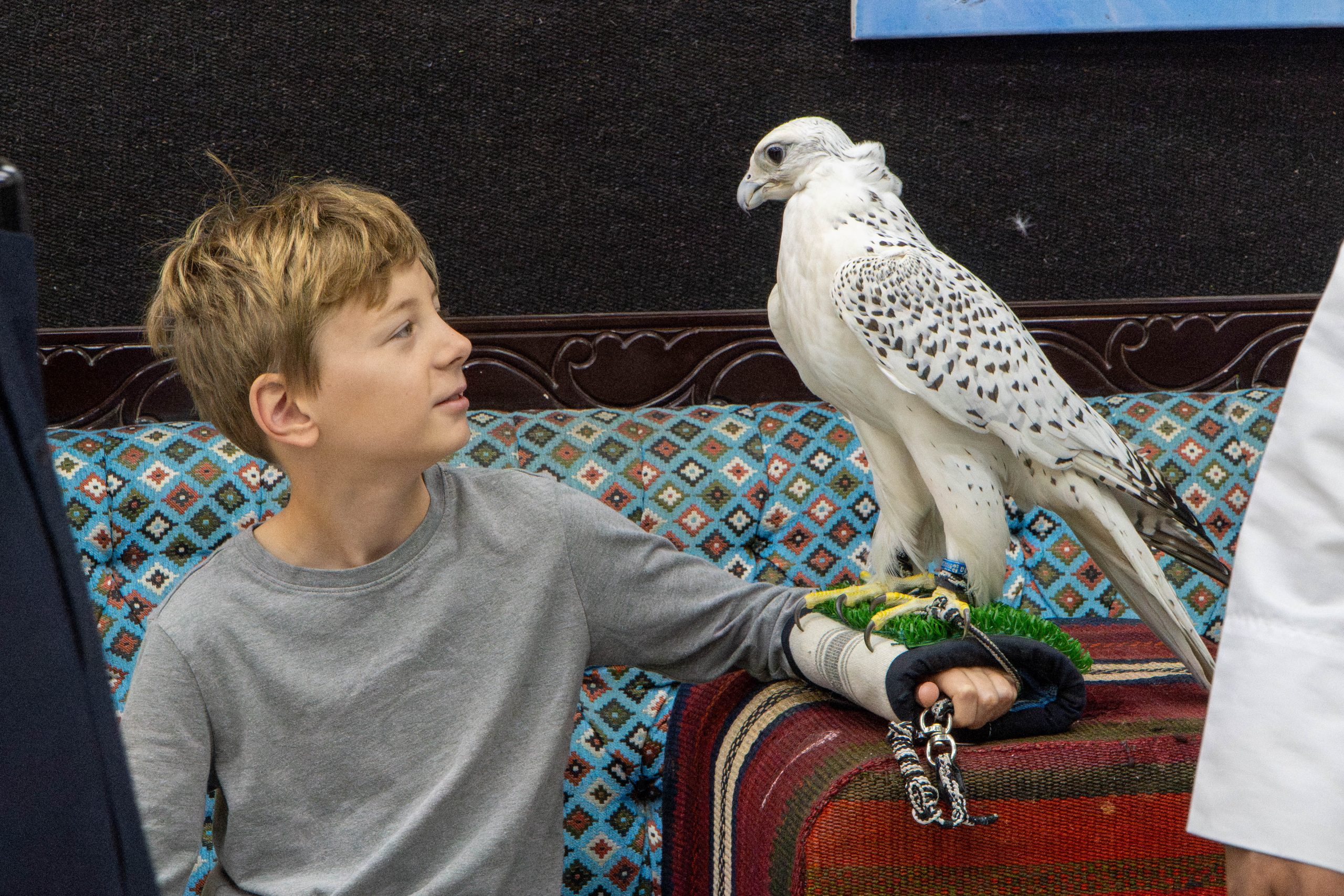
Among his collection, the most unique falcon is Rambo, a Gyrfalcon bred in Germany. With mostly white feathers and brown spots, this bird belongs to one of the largest birds of prey in the falcon family. In ancient times, northern emperors prized them for their outstanding hunting skills.
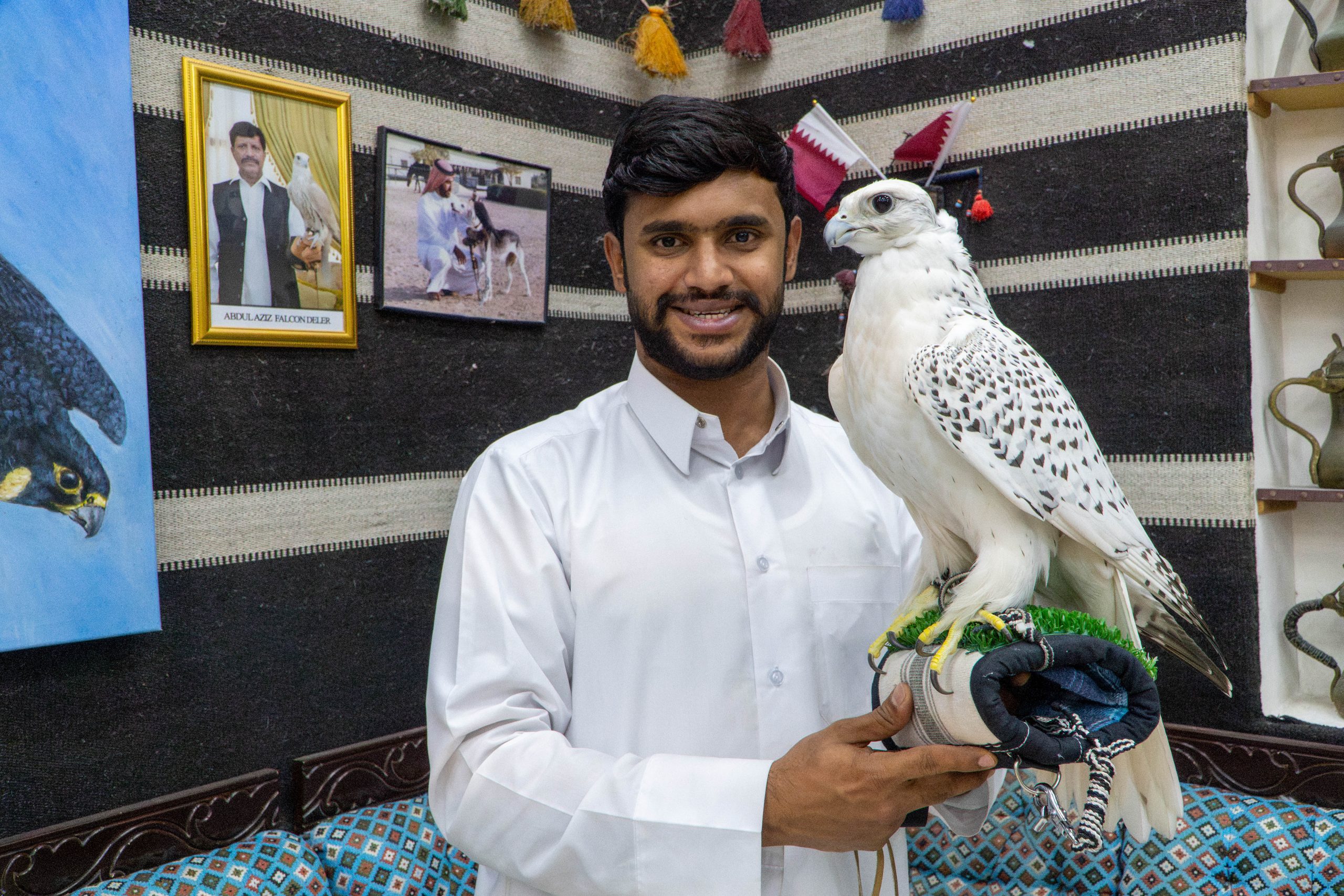
Adil, the shop owner's son who also works at the shop, with the gyrfalcon Rambo (right), Jan. 9, 2026. (Elaine Lai Uen-ling, The Young Reporter)
Rambo perches on a visitor’s arm. Each visitor can take photos with Rambo for 10 Qatari riyals (around HK$22), Jan. 9, 2026. (Elaine Lai Uen-ling, The Young Reporter)
Rambo takes a water break through a spray water bottle after posing for photos with tourists, Jan. 9, 2026. (Elaine Lai Uen-ling, The Young Reporter)
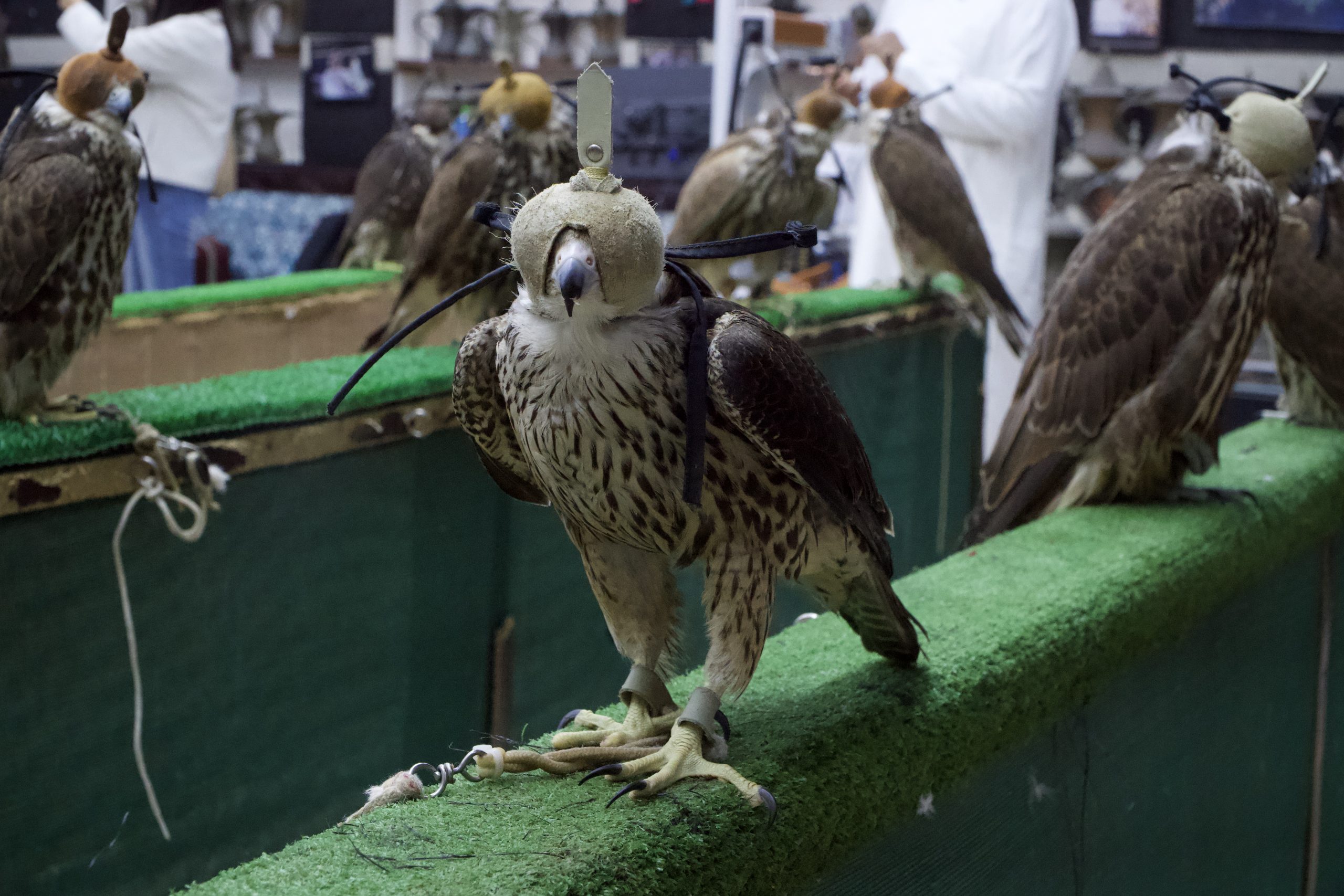
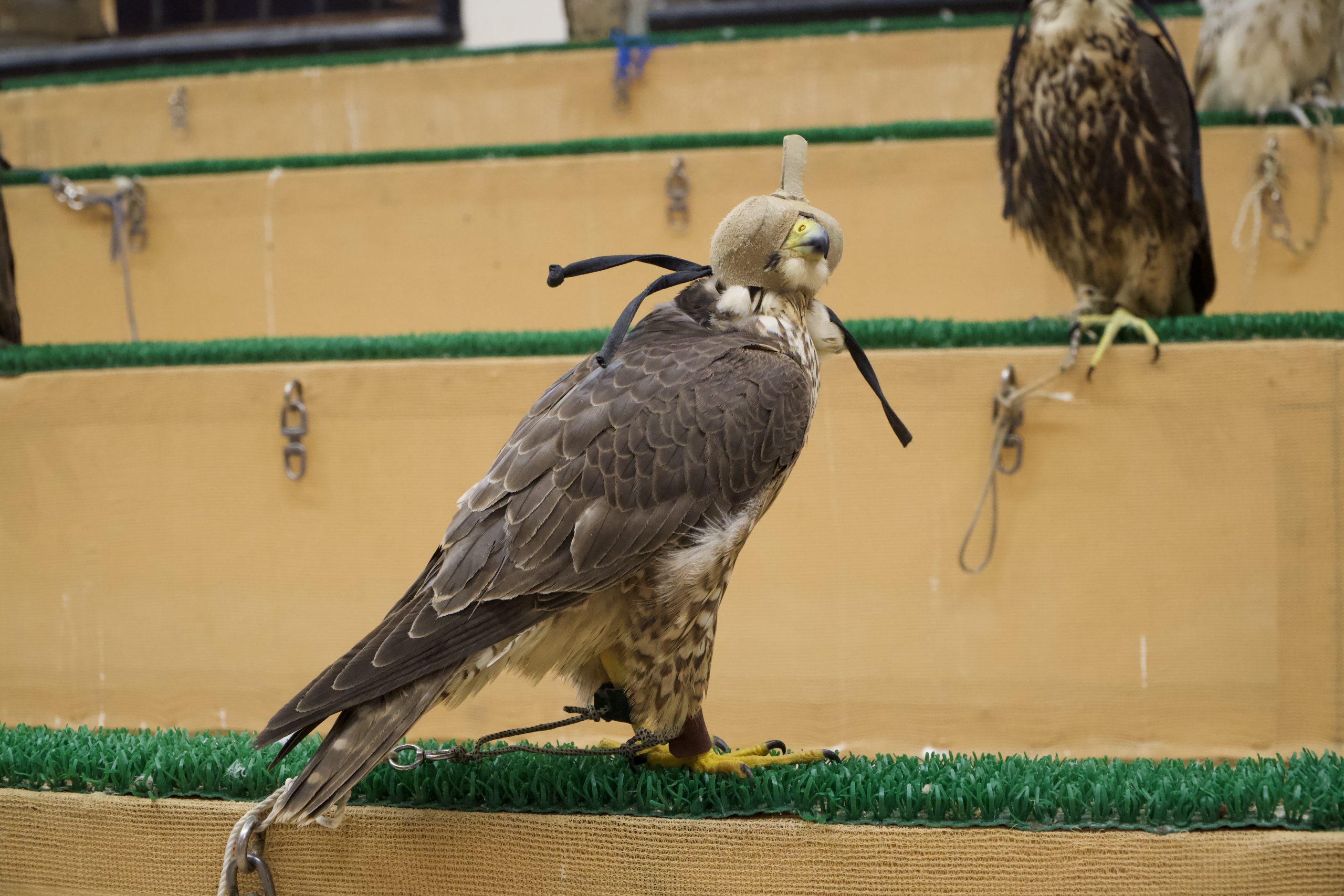
Falcons wear leather hoods to help them stay calm and reduce stress, Jan. 9, 2026. (Elaine Lai Uen-ling, The Young Reporter)
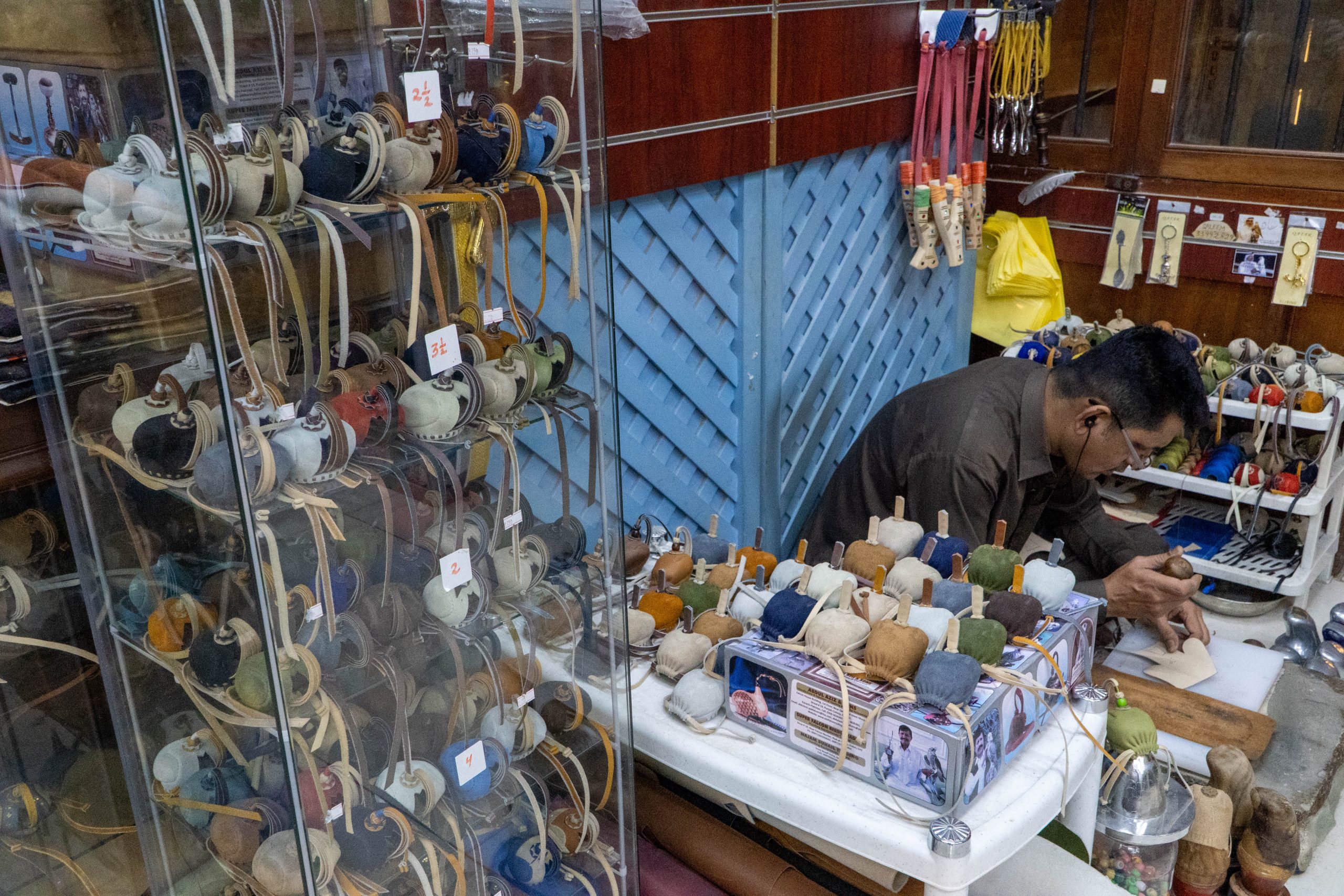
A worker crafts a leather hood for falcons, Jan. 9, 2026. (Elaine Lai Uen-ling, The Young Reporter)
Aziz, 65, owns a falcon shop at Souq Waqif, Doha, Qatar, Jan. 9, 2026. He operates three shops and employs 22 staff members, including three of his sons. (Elaine Lai Uen-ling, The Young Reporter)
Another falcon shop at Souq Waqif, Doha, Qatar, Jan. 9, 2026. (Elaine Lai Uen-ling, The Young Reporter)
A falcon at a falcon shop at Souq Waqif, Doha, Qatar, Jan. 9, 2026. Falcons have a lifespan of 10 to 12 years. (Elaine Lai Uen-ling, The Young Reporter)
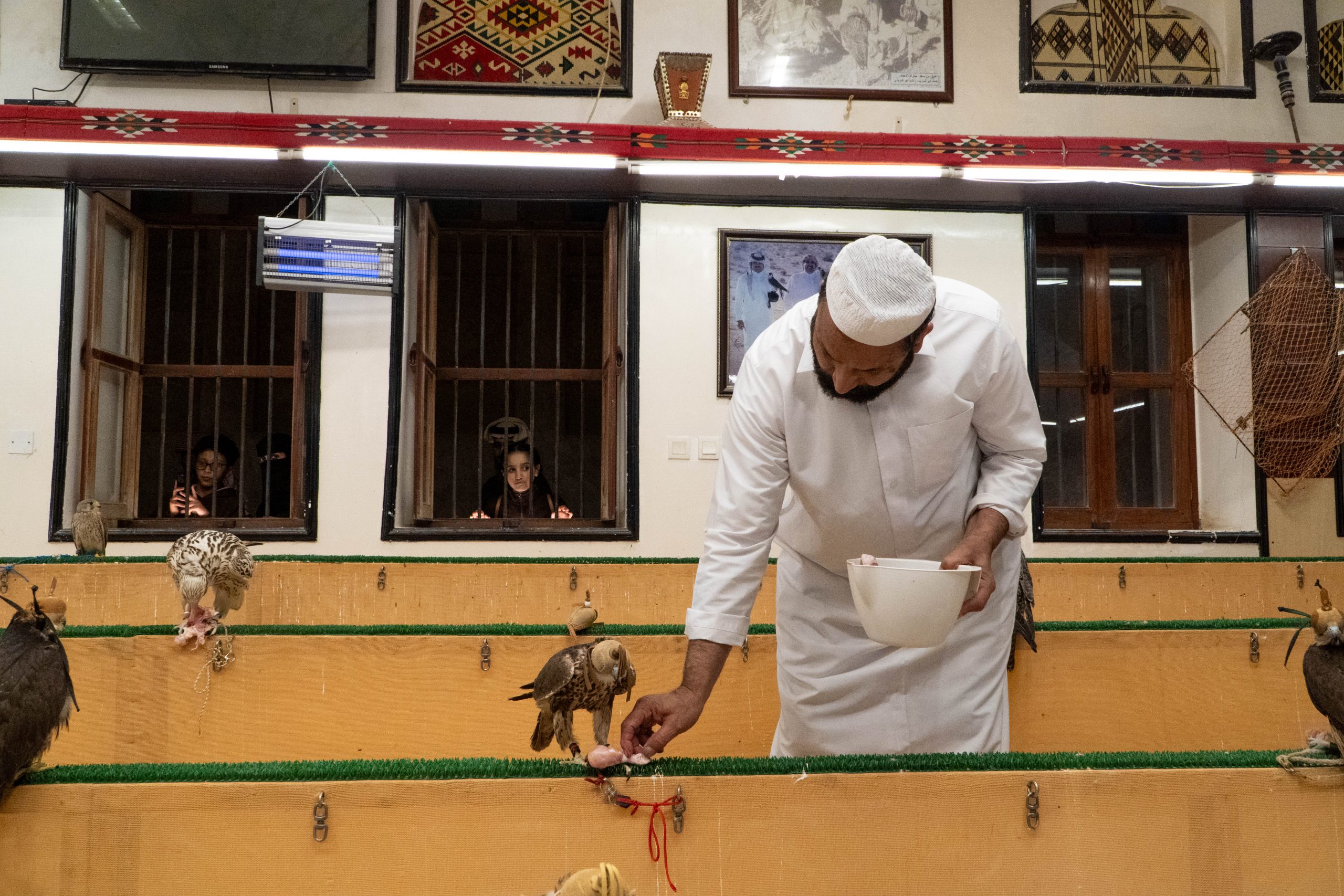
Falcons are prepared for their dinner time, Jan. 9, 2026. (Elaine Lai Uen-ling, The Young Reporter)
A worker places raw chicken meat for a falcon, Jan. 9, 2026. Falcons usually eat other birds. (Elaine Lai Uen-ling, The Young Reporter)
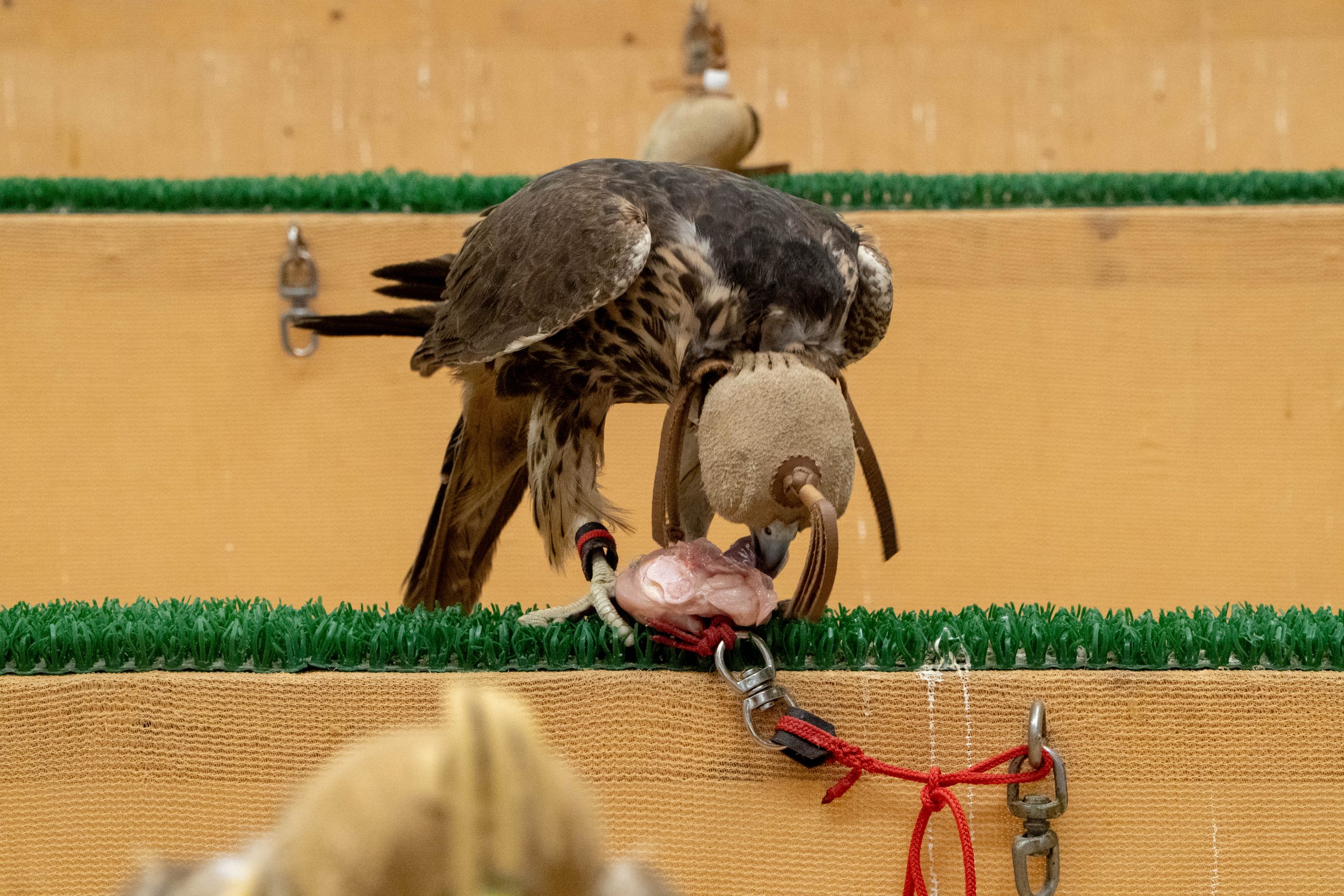
A falcon enjoys its dinner of fresh meat, Jan. 9, 2026. (Elaine Lai Uen-ling, The Young
Reporter)
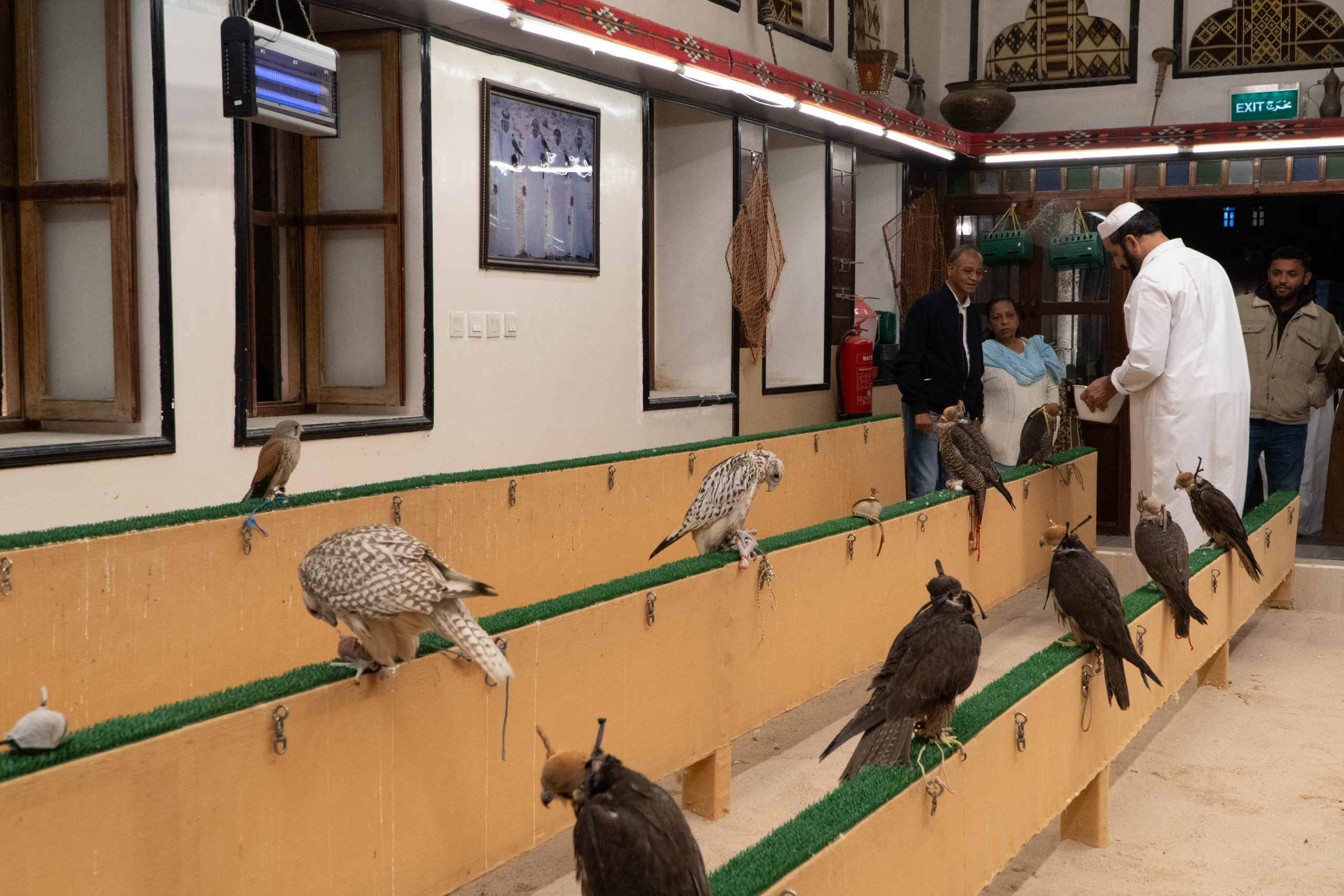
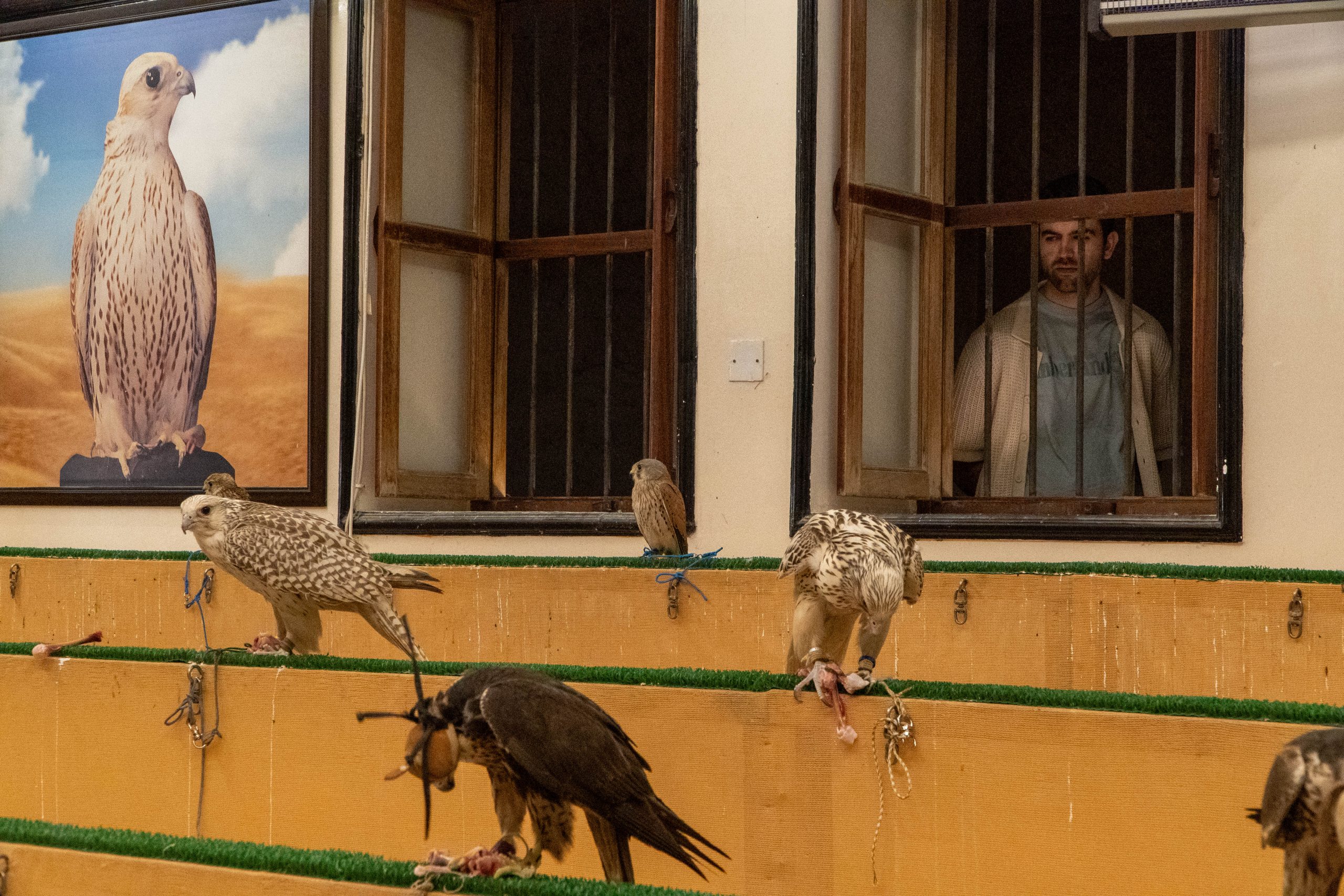
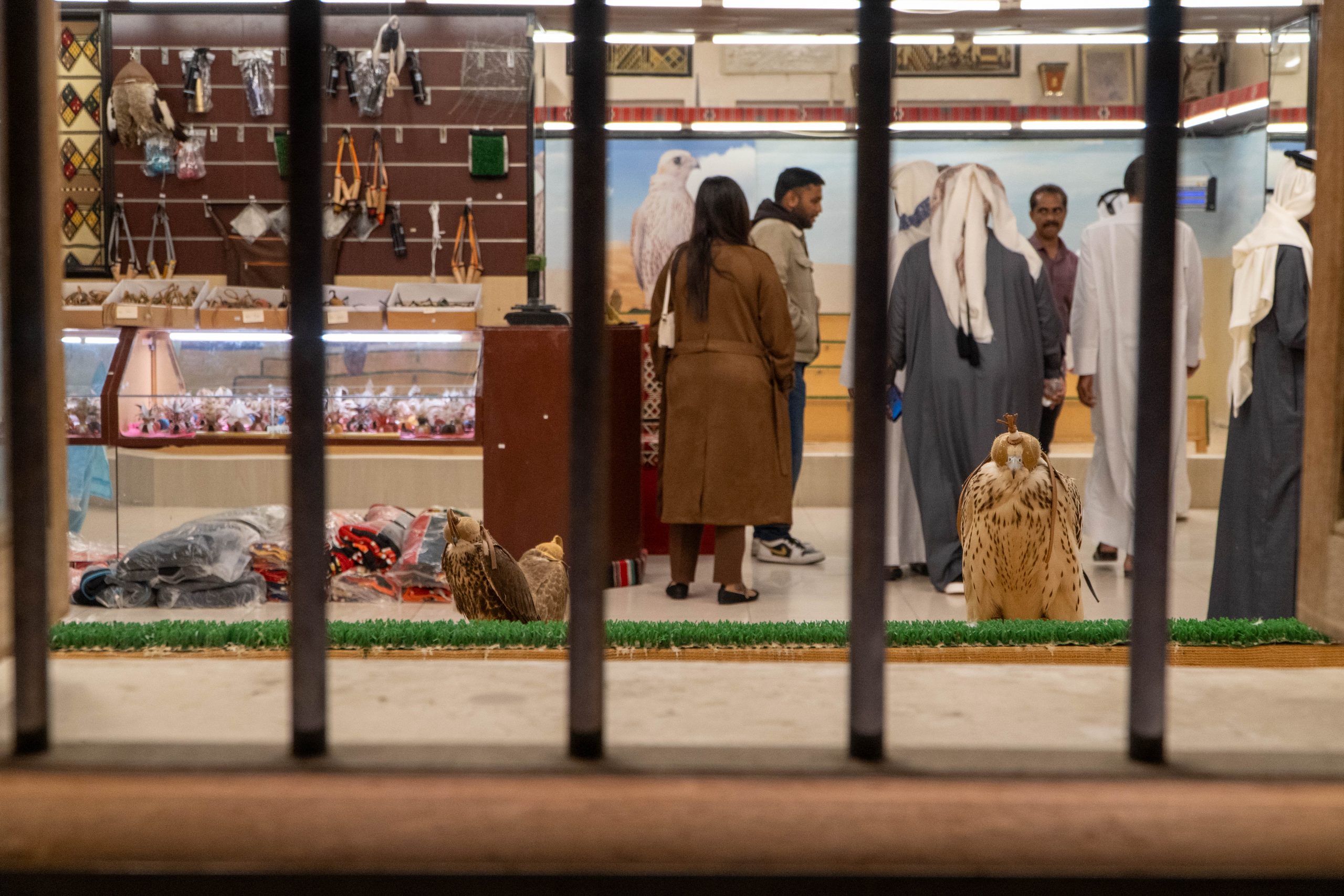
A visitor looks at a group of falcons at Souq Waqif, Doha, Jan. 9, 2026. (Elaine Lai Uen-ling, The Young Reporter)
Falcons at Souq Waqif, Doha, Qatar, Jan. 9, 2026. (Elaine Lai Uen-ling, The Young Reporter)

《The Young Reporter》

The Young Reporter (TYR) started as a newspaper in 1969. Today, it is published across multiple media platforms and updated constantly to bring the latest news and analyses to its readers.

Comments

Passengers and drivers doubt effectiveness and fairness of the new seatbelt rules
New Lives, New Challenges: Chinese expats seek openness in Saudi Arabia’s workplace