
The Hong Kong government is ramping up its artificial intelligence (AI) development through massive new computing capacity and funding, but industry players raised concerns that AI adoption levels in the city remain too low.
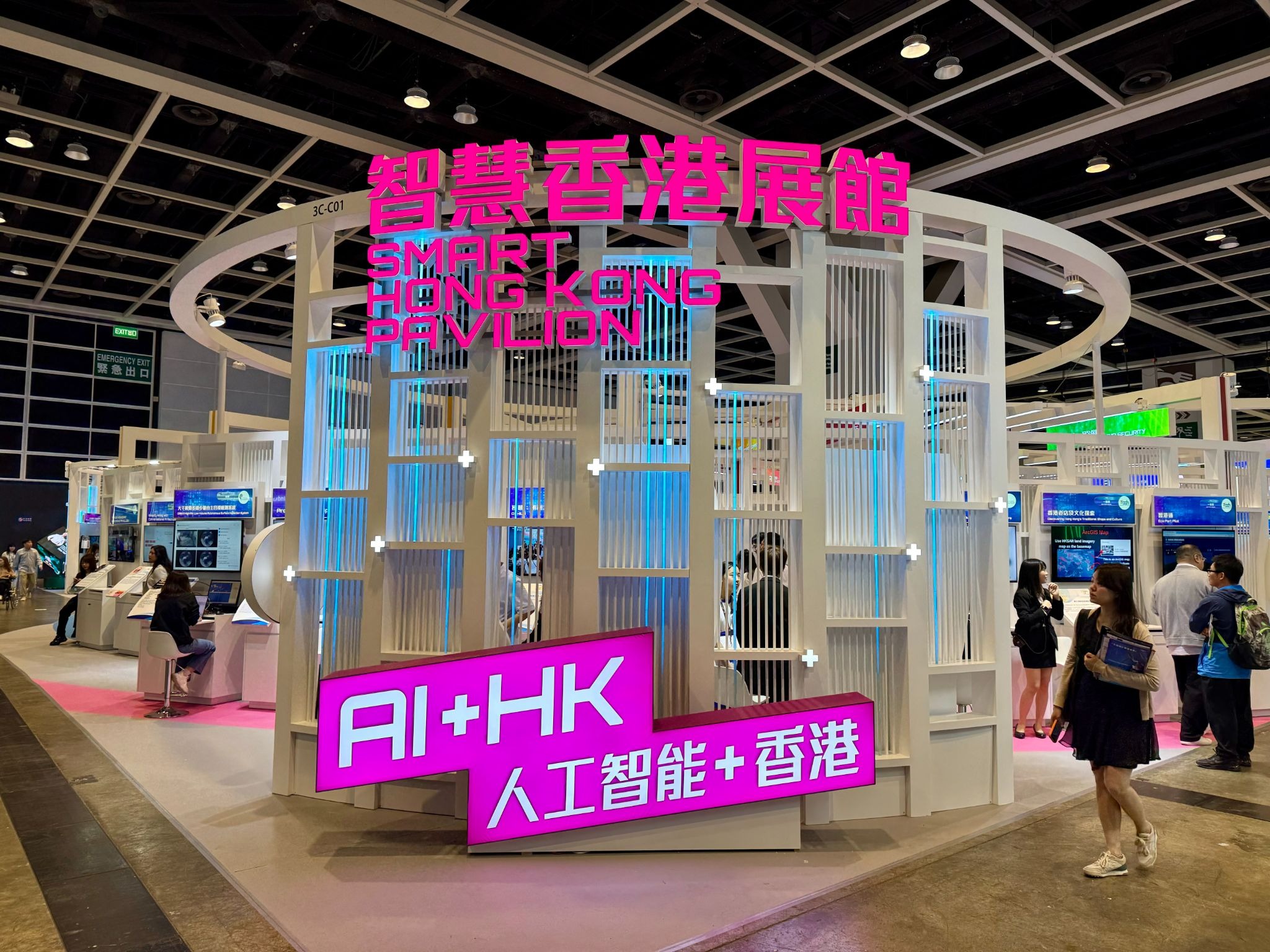
Lillian Cheong Man-lei, Under Secretary for Innovation, Technology and Industry of the Hong Kong SAR Government, said at a thematic seminar during InnoEX 2026 on Tuesday that AI is a key driving force for industrial transformation. Hong Kong has been taking a multi-pronged approach to building its AI ecosystem, she said, covering research and development (R&D), computing power, data infrastructure, talent and funding.
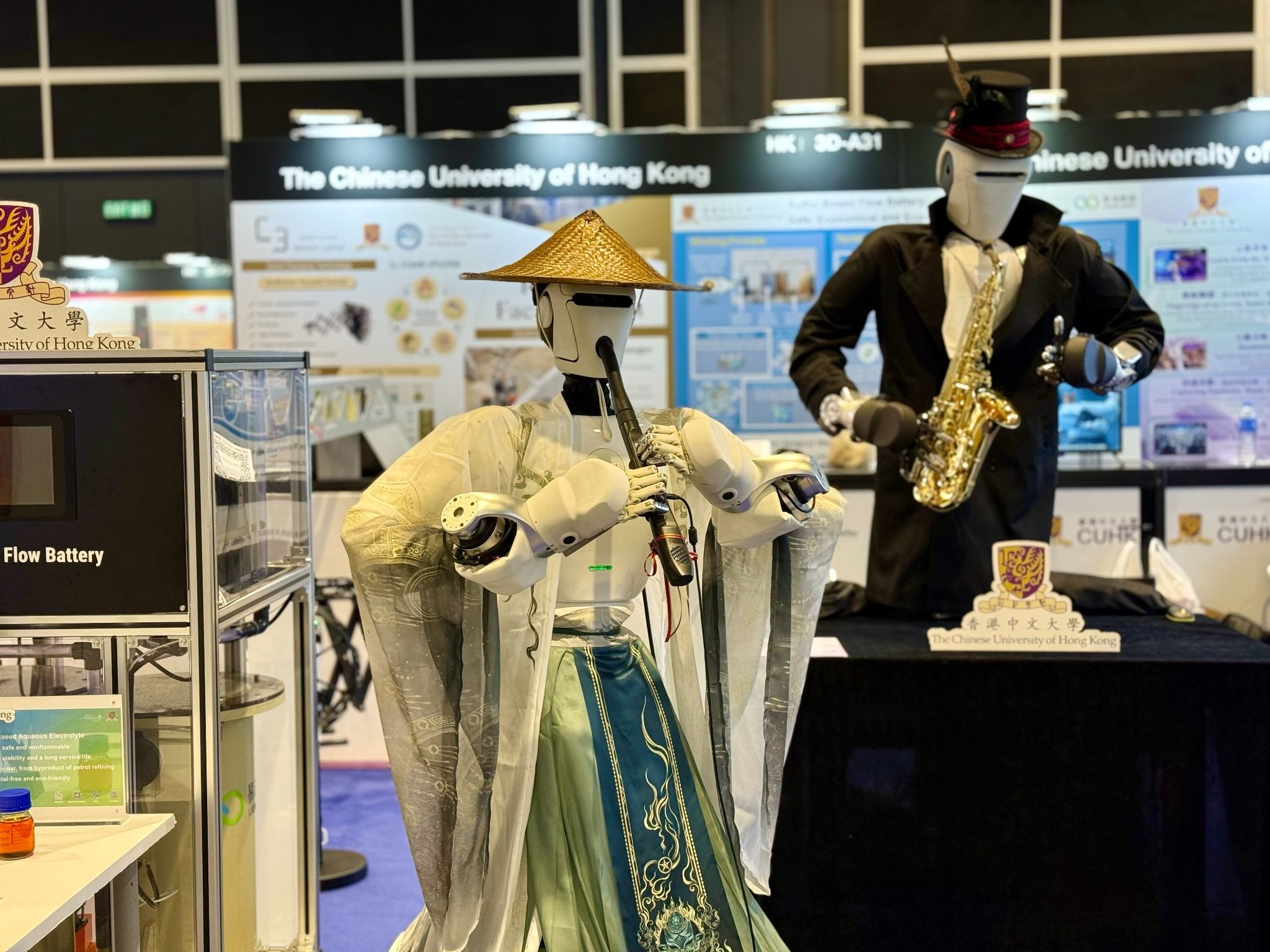
She mentioned that to accelerate the R&D and commercialization of AI workflows and drive industry empowerment in AI, Hong Kong is moving forward with the establishment of a dedicated AI research and development center.
On the data infrastructure front, the city plans to build a data center cluster in Sha Ling, which is expected to boost total computing power from the current 5,000 petaflops to 180,000 petaflops by 2032, a 36‑fold increase.
Furthermore, an array of key funding programs has been launched to bolster the AI ecosystem, including the HK$3 billion AI Subsidy Scheme, which assists local institutions, R&D centers and enterprises in advancing AI research and applications.
Henry Mak, the Assistant Marketing Manager of Ricoh Hong Kong Limited, a provider of workplace technology, said the HK$3 billion government subsidy is a source of sales opportunities for technology providers like his company. He explained that amid economic uncertainty, clients such as businesses and schools rely on government funding to adopt technology solutions.
Anthony Ribout, a French startup Founder and CEO of ARSK in Hong Kong, also highlighted the value of government support, noting that Hong Kong’s AI support policies are more efficient than those in France, with clearer funding schemes and stronger financial and industrial backing to welcome overseas startups.
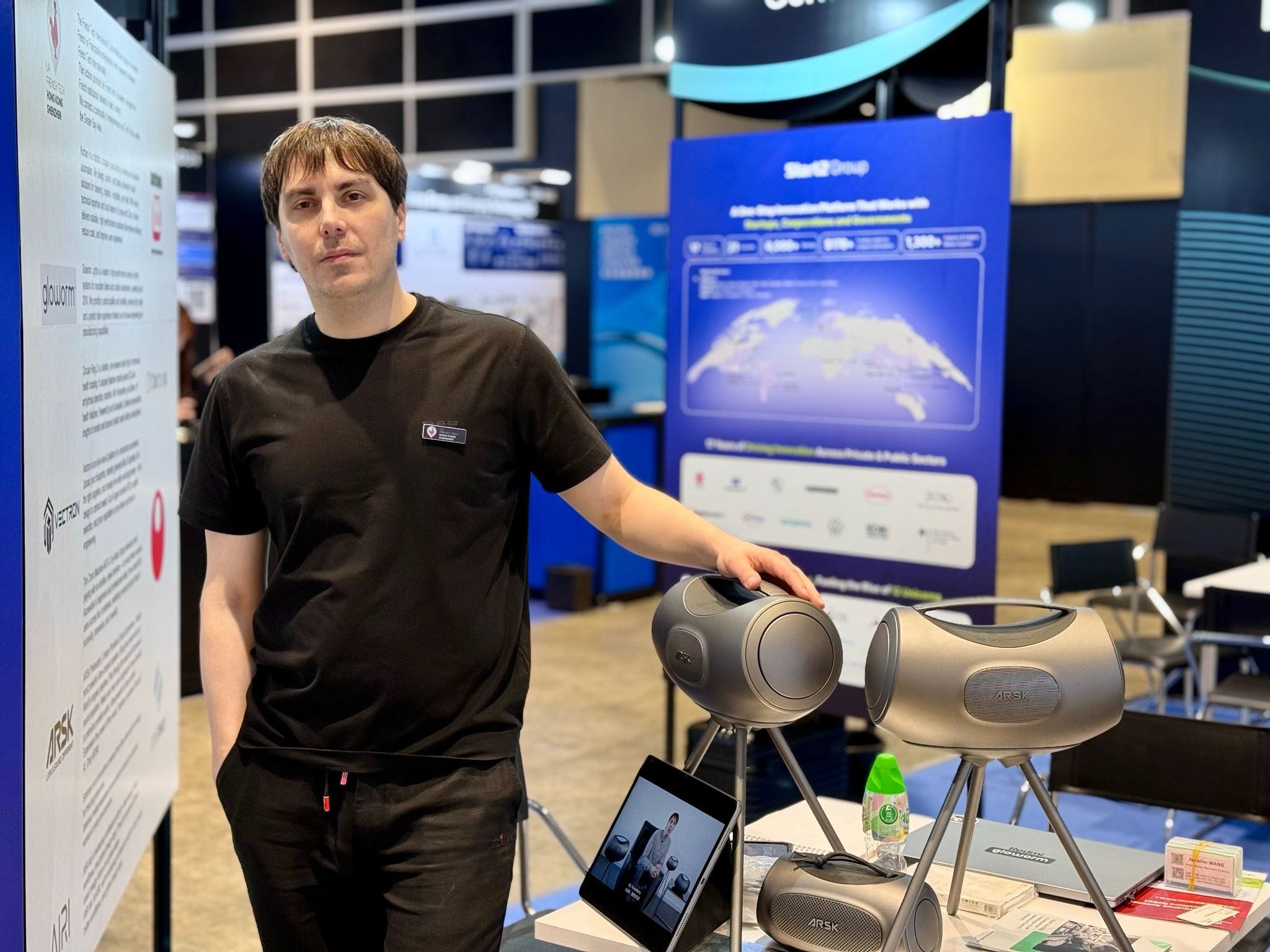
However, Mak also expressed concerns over the city’s future AI development.
He said Hong Kong remains behind global leaders in visible AI adoption such as drones and robots, partly because of stricter regulations and public resistance.
He also predicted that AI could replace 30% to 40% of entry-level positions in the next three to five years, warning that employment losses may squeeze incomes and dampen consumer spending.
“AI serves as an aid across all industries, streamlining work while also posing challenges, and even competition, for the workforce,” he added.
《The Young Reporter》
The Young Reporter (TYR) started as a newspaper in 1969. Today, it is published across multiple media platforms and updated constantly to bring the latest news and analyses to its readers.
“Too big and too difficult”: fire officers defend response as Tai Po Fire hearing continues

50th HK Sevens opens with some 30,000 spectators



Comments