
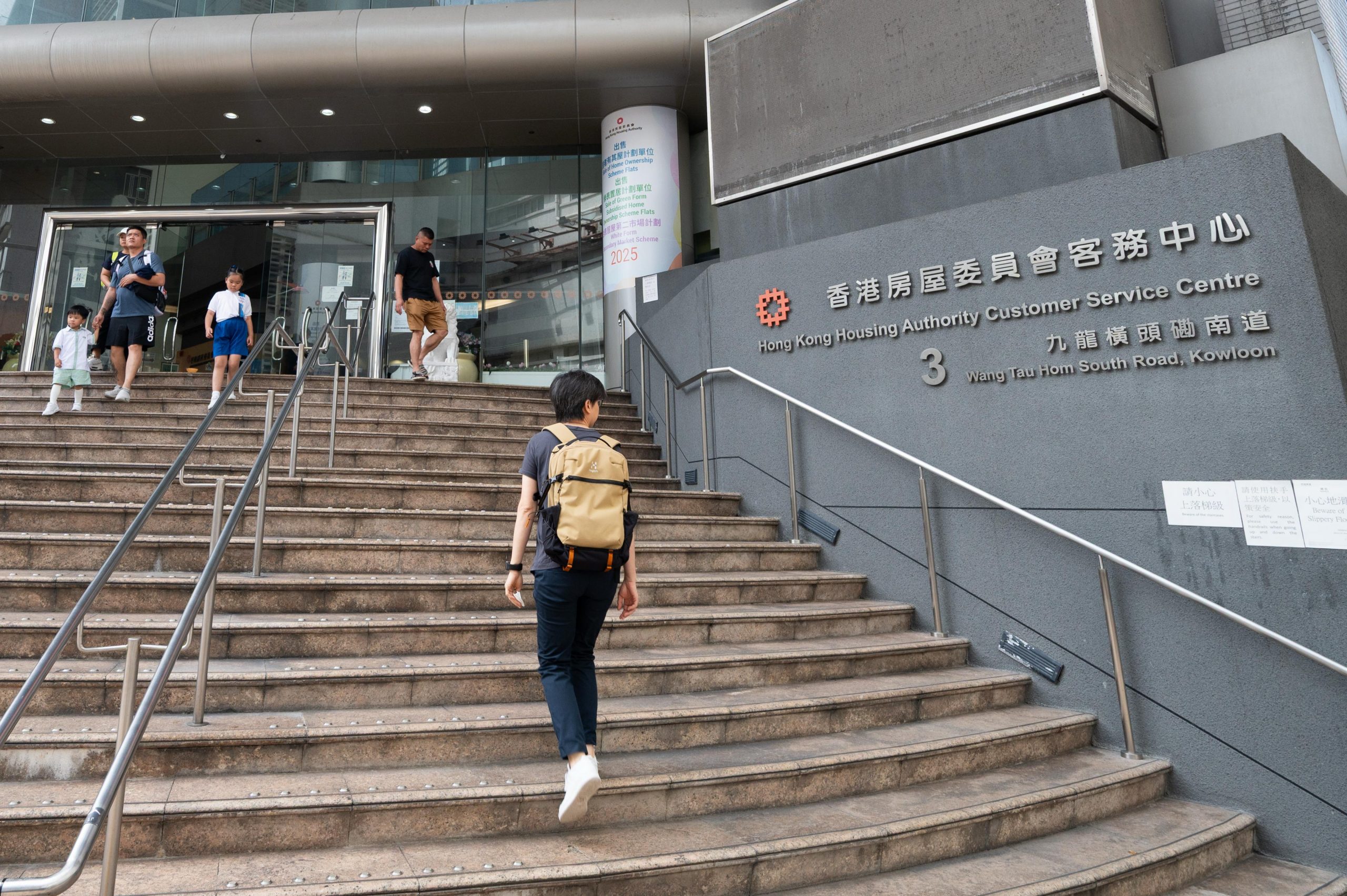
Subsidised housing in the Northern Metropolis will include a higher proportion of larger flats for purchase, Hong Kong Chief Executive John Lee Ka-chiu said at today's annual Policy Address.
The share of units measuring around 45 square metres or more will rise from 20% to 25% from 2031, aiming to improve residents' overall quality of life, Lee said.
The average public housing unit was 37.2 square metres in 2024, according to the Hong Kong Future Economy Institute.
“If the transport can’t keep up, then no matter how good a place is to live, or how new and beautiful the developments are, it’s all meaningless,” Lai Chun-kit, 32, a chef, said.
The Northern Metropolis, roughly one-third of Hong Kong’s total land area, is expected to provide over 70,000 public and private housing units within five years, according to the five-year plan announced today.
The area’s transport is mainly linked by the Northern Link railway and the Northern Metropolis Highway.
Both transport infrastructures are expected to be delivered by 2034 and 2036.
Lai, together with his wife Chung and their daughter, will move into a public housing unit in Tuen Mun within a month, after five years of waiting. He said they have no intention of moving to the Northern Metropolis if they are allocated a flat there.
The couple said that the quality of education provided by the school network would be the most important factor in their decision to relocate.
“It’s not that people don’t want to choose that place, but the supporting infrastructure has to catch up as well,” Lai said.
The government is set to advance transport infrastructure, building a new hospital in Ngau Tam Mei and develop cultural facilities.
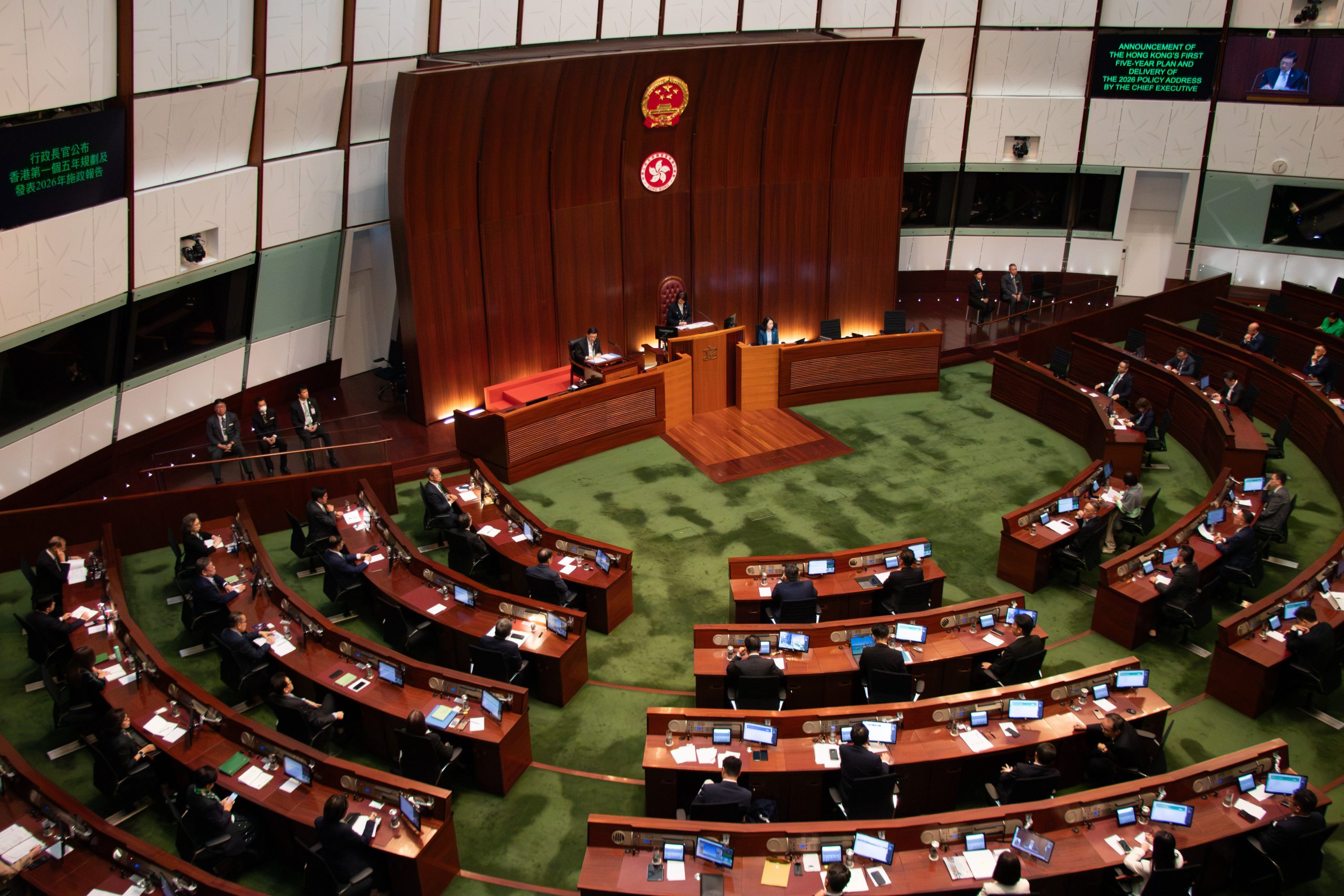
Job opportunities and adequate basic infrastructure are the key drivers in attracting people to settle in the Northern Metropolis, according to Chan Siu-ming, an associate professor in the Department of Social and Behavioural Sciences at City University of Hong Kong.
“Without sufficient job opportunities, particularly grassroots and commercial jobs, residents would face lengthy cross-district commuting times, undermining the area’s appeal as a place to live and work,” Chan said.
Chan added that community facilities such as schools, libraries, neighbourhood shopping malls and district community service buildings are essential to support a self-sufficient new town.
Yu Xuan, 26, a mainland Chinese postgraduate student at the University of Hong Kong lives in Shenzhen and commutes to Hong Kong by high-speed rail.
She said that if she obtained a job at the San Tin Technopole in the future, she would choose to live within the district instead of commuting across the border from Shenzhen.
“If I am qualified to apply for housing options such as talent apartments with rents below market rate, the overall cost could be lower than commuting from Shenzhen,” she added.
《The Young Reporter》
The Young Reporter (TYR) started as a newspaper in 1969. Today, it is published across multiple media platforms and updated constantly to bring the latest news and analyses to its readers.
Live: Hong Kong Policy Address 2026



Comments