
Three years after Chan Sau-mei moved into her flat, the concrete wall started flaking off. Now, 20 years later, the entire building is full of exposed rebars, dust and concrete splatters.
“It’s like a sandy beach at home everyday. It is an endless nightmare cleaning up all the mess at my house,” Chan, 52, said, adding that there is a new renovation project nearly every eight months.
Chan lives in the Model Housing Estate, Hong Kong’s oldest existing public housing estate, sandwiched between Quarry Bay and North Point on Hong Kong Island.
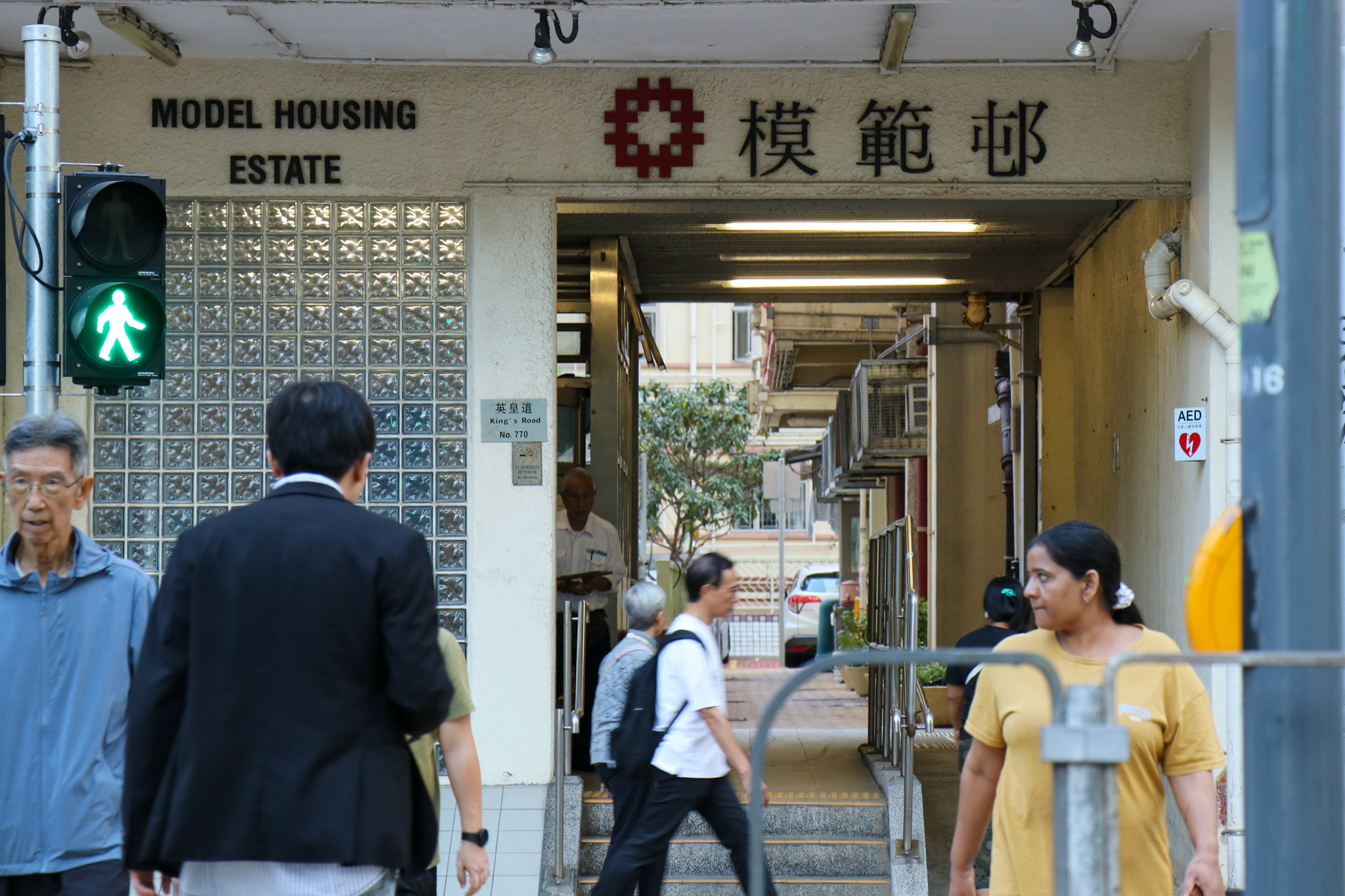
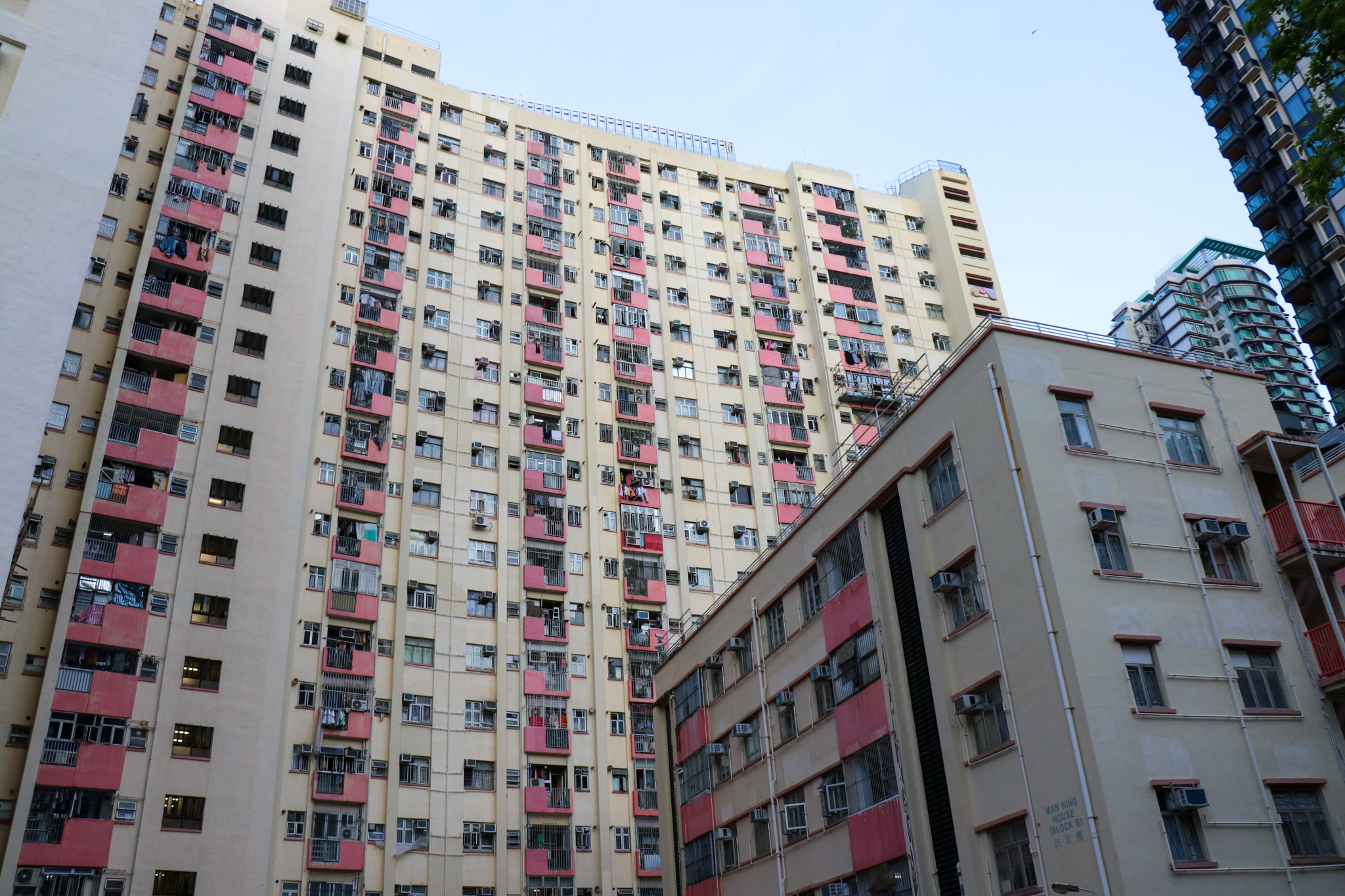
Five of the estate’s six blocks were built in 1954, with one, a redevelopment of the original, built in 1979. Chan’s block is one of the originals built with five to six stories and no lift.
Announced in the 2025 Policy Address in September, Lee announced that redevelopment plans for some of Hong Kong's oldest estates will be announced.
The Housing Authority is conducting a study on the redevelopment of Model Housing Estate, and will announce its preliminary findings in 2026-27, while redeveloping plans for Ma Tau Wai Estate and Sai Wan Estate by the end of this year.
Chan said she is happy to finally hear about redevelopment plans.
“I love living here. We have a very close relationship with our neighbours, and doing groceries and commuting around the estate is also convenient. I think this place is a golden location, but the only flaw is it’s old and is worn to a skeleton,” Chan said.
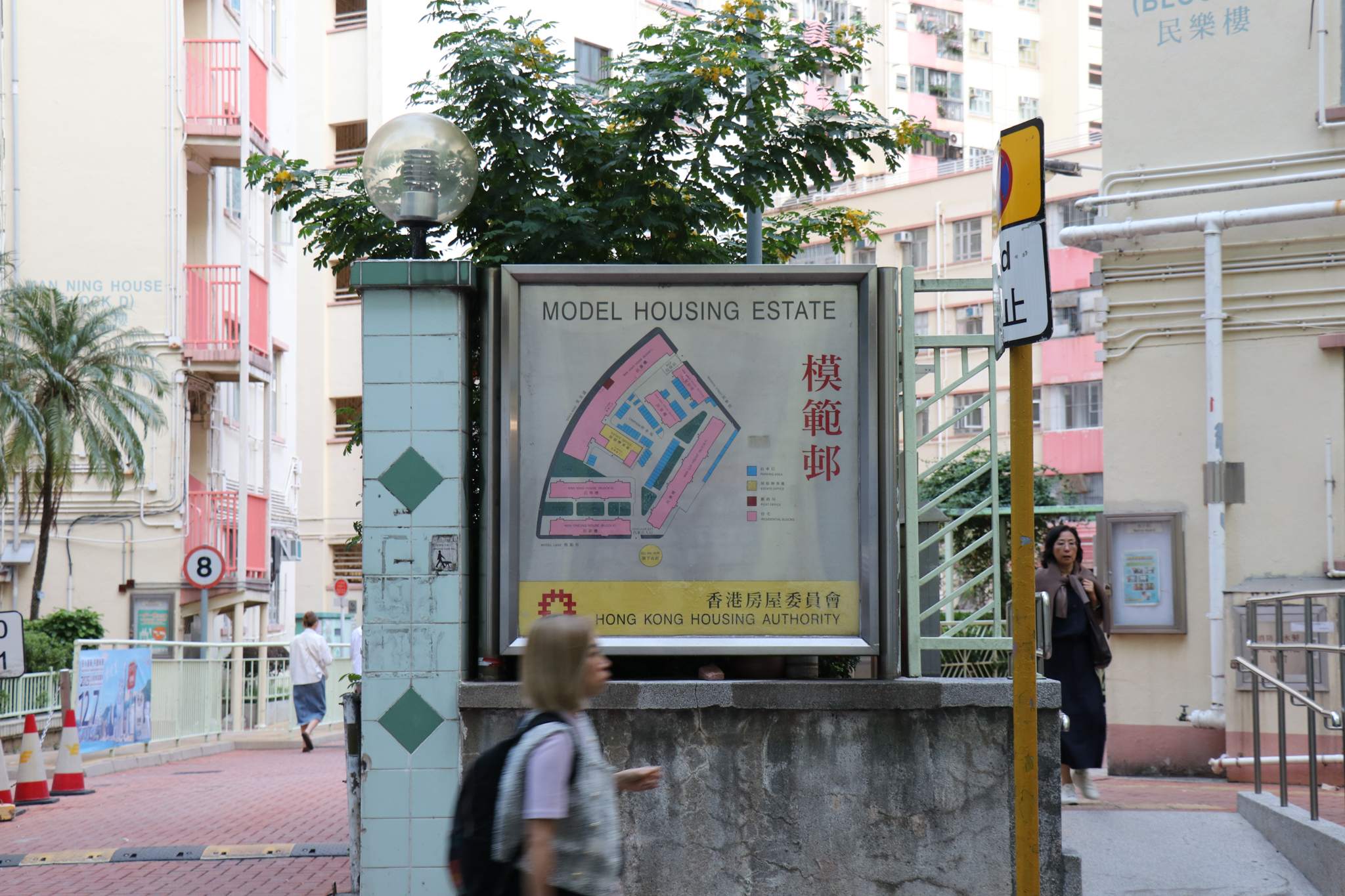
With no lift in the five older blocks, Chan said she is lucky to live on the ground floor, as it is very inconvenient to climb five or six storeys every day to their unit, especially for older residents.
Even if there are lifts, they sometimes cause inconvenience, said Huang Yang-hong, 52, Chan’s neighbour who has lived in newer Block C for over 15 years. Huang’s block has two lifts: one for odd-numbered floors and another for even-numbered floors.
“The lifts might be too old. One of the two would be out of service every 10 days. Elderly residents would just not go out and stay at home or wait at the lobby, not going home,” Huang said.
But Huang said water seeping into her flat is the most pressing problem. Last year, she moved from the first floor to the 17th floor because of severe water leaking.
“More than 10 flats of my old neighbours moved out of the estate because of water seepage,” she said.
She said that renovators told her they could not fix the problem, as it should have been done when the estate was first built.
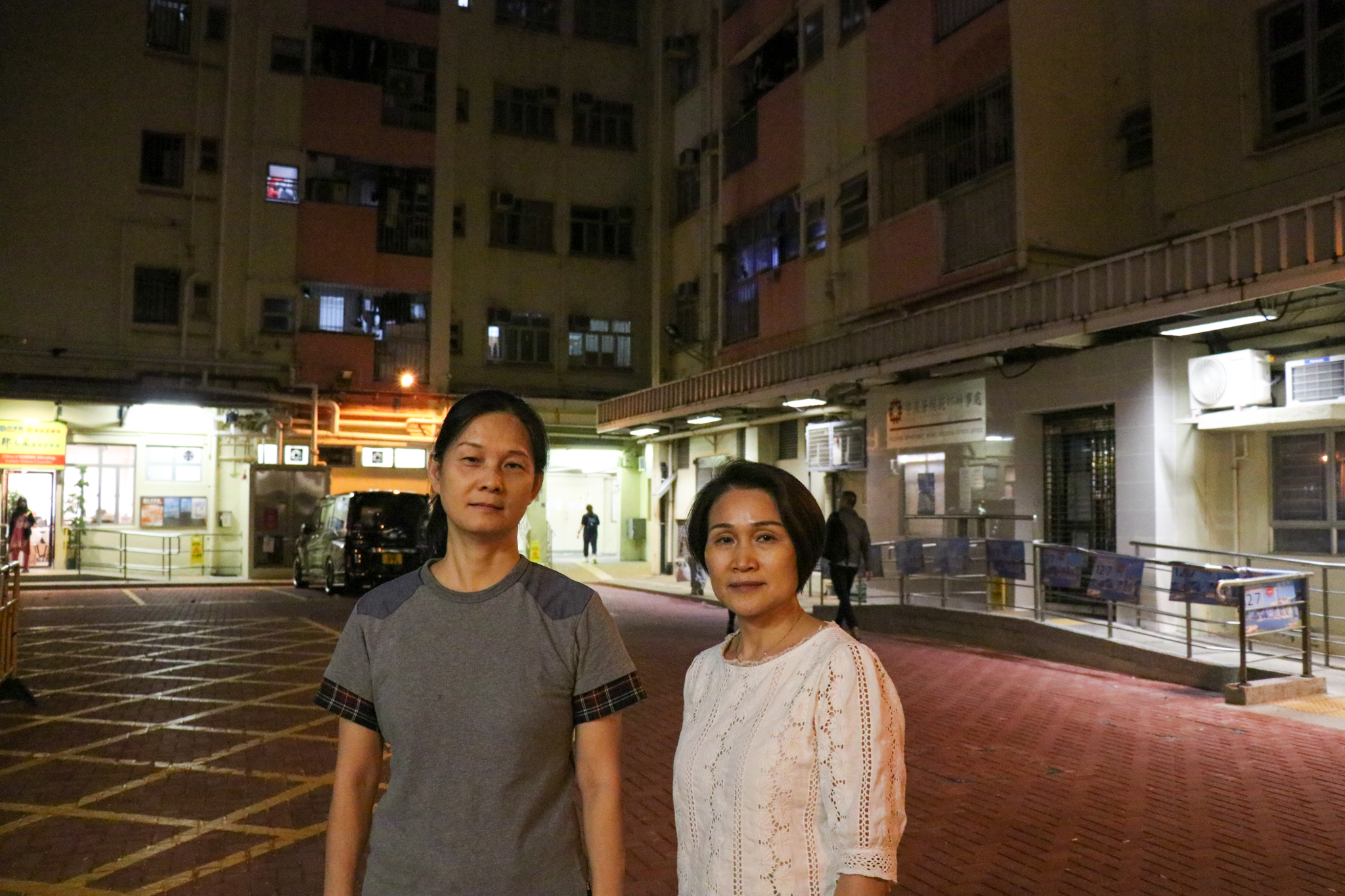
Both Chan and Huang hope the redevelopment plan will be introduced soon to improve residents’ living quality.
“My biggest hope is that after reconstruction, we can move back and live here again,” Chan said.
In an email to The Young Reporter, the Housing Department said it has consistently assessed the estate’s actual circumstances in line with four principles: the buildings’ structural conditions, the cost-effectiveness of repair works, the availability of suitable rehousing resources nearby and the redevelopment’s build-back potential, when deciding whether to redevelop public rental housing.
Eastern District Councillor Cheng Chi-shing admits Model Housing Estate has serious maintenance issues, including ceilings flaking and water seepage.
Cheng added that many units have been reclaimed for repairs, temporarily relocating residents, but that only those with mobility issues, such as leg problems or difficulty climbing stairs, applied for relocation.
“Most residents here are reluctant to move out,” Cheng said.
According to the Housing Authority, it would provide relocations for residents affected by estate clearance, allowing them to select new public rental flats through a priority-based self-selection scheme determined by household size, ballot and special consideration for the elderly or disabled.
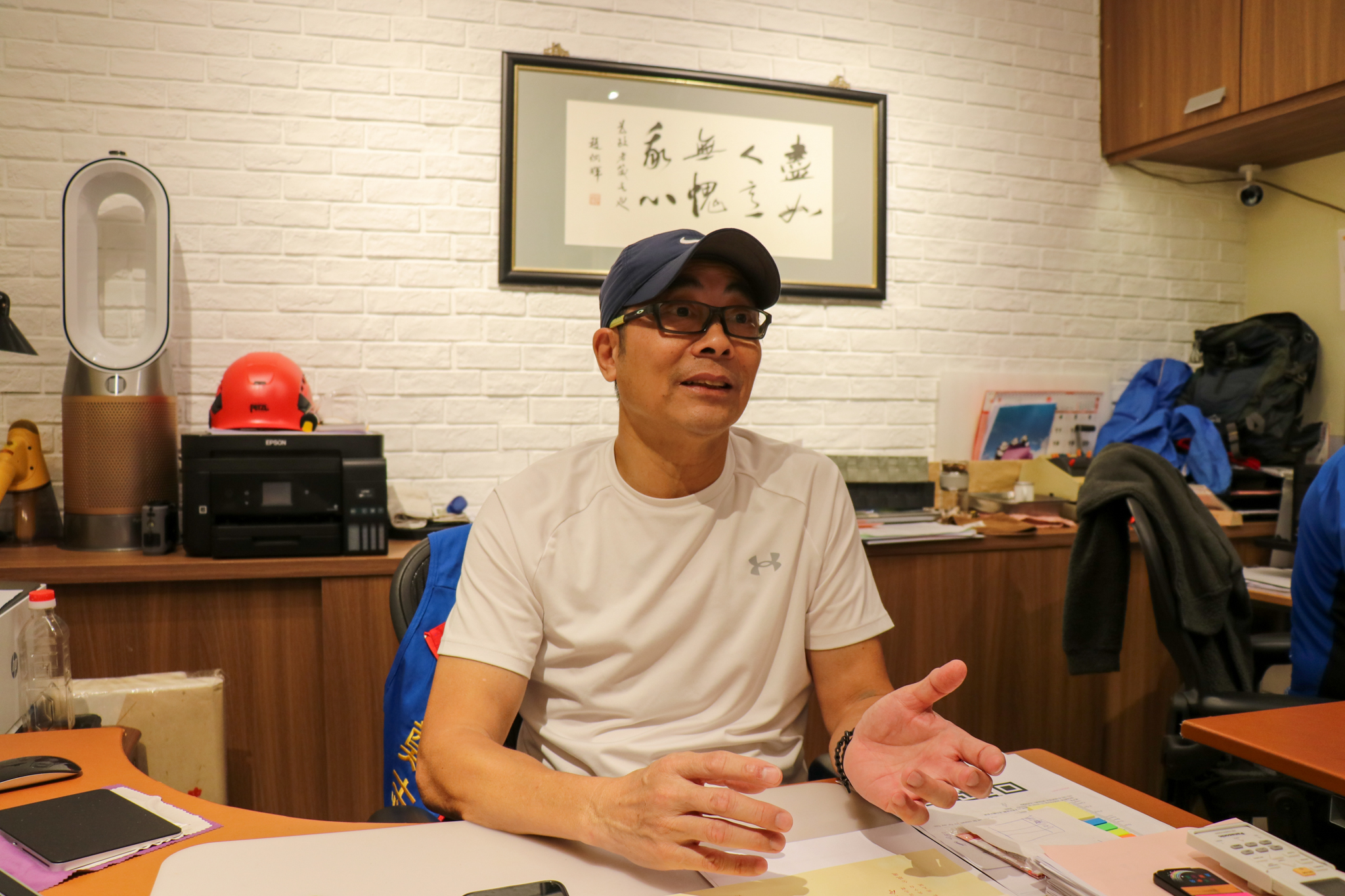
Cheng suggested demolishing one of the low-rise blocks first and constructing a taller building on the same site to accommodate residents from the remaining four blocks.
Residents expect that the redevelopment may utilise high-rise space to provide more flats, as well as improve basic facilities, such as installing lifts.
He said the redevelopment will take at least a decade, and Block C will be the latest to be redeveloped as it is the youngest building in the estate.
Tsui, who declined to give his full name and who lives on the third floor of Block C, said redeveloping Block C is a waste of money.
“I don’t think Block C must be redeveloped. It only needs minor work on the exterior. It is the newest building and the government is already spending money on renovating other flats,” he said.
"If you're going to rebuild, you should've done it sooner. Once demolition starts, everything we've just fixed will be torn down," he added.
Tsui said he is temporarily staying in government-provided accommodation while his home undergoes renovation.
The owners of Jin Jin Cha Chaan Teng, a restaurant on the ground floor of Block C that has been running for over 40 years, said they don’t have plans to relocate or close unless they receive an official letter requiring it.
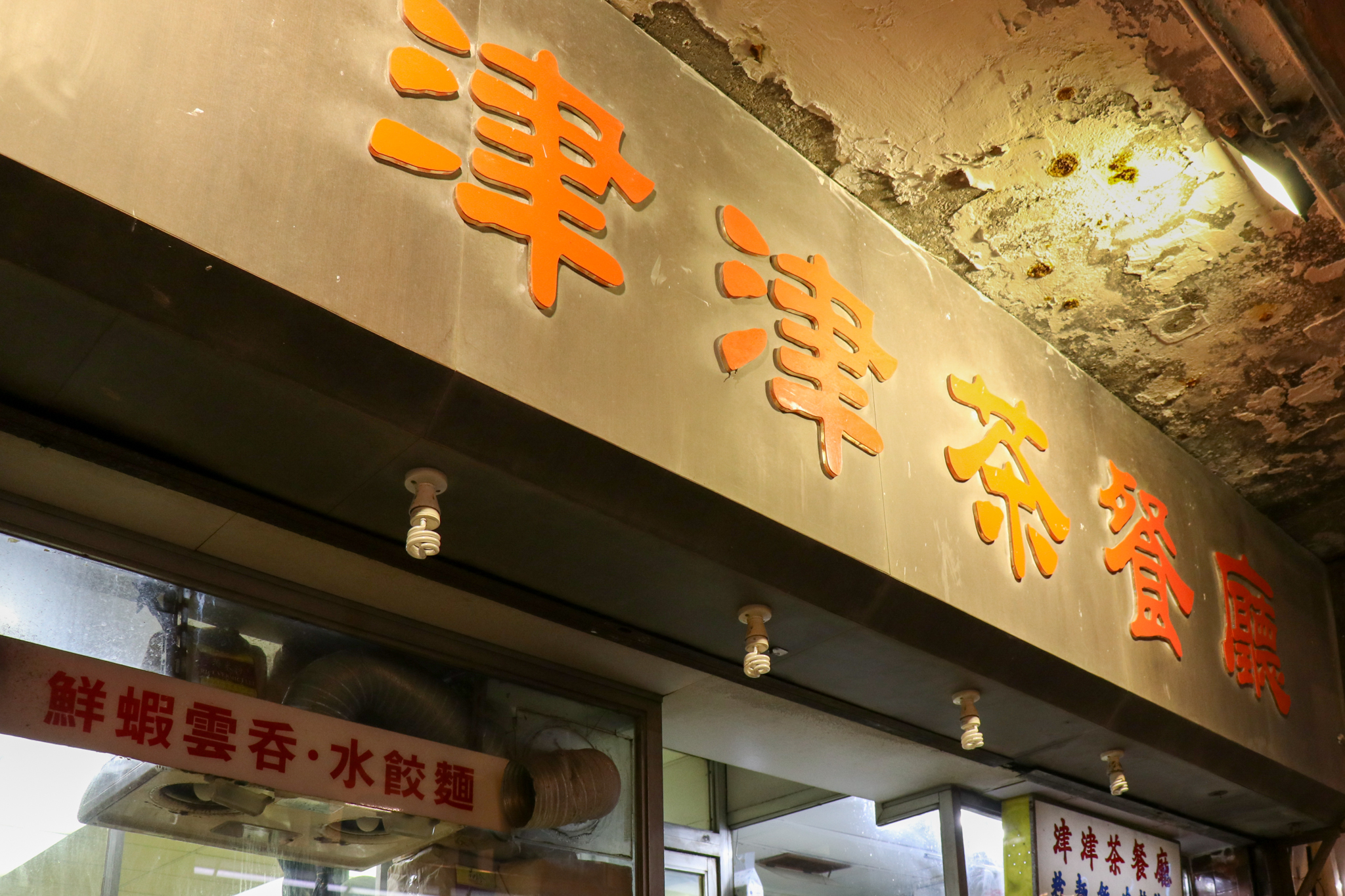
“I think every business stall here, if they are asked to relocate, will have the same worry about losing their regular customers,” the owners said.
They said the employees and residents are emotionally attached to the restaurant.
“If people think of eating chicken and immediately think of Jin Jin, that’s already a huge sense of achievement for us,” they said.
《The Young Reporter》
The Young Reporter (TYR) started as a newspaper in 1969. Today, it is published across multiple media platforms and updated constantly to bring the latest news and analyses to its readers.

Hong Kong Pride returns as an indoor market for another year as parade remains cancelled

Thousands mourn Tai Po fire victims continue as death toll rises


Comments