
Good morning, Perugia: Smartphone narratives essential in journalism
- By: Chun Lim LEUNGEdited by: Chun Lim LEUNG
- 2026-05-02
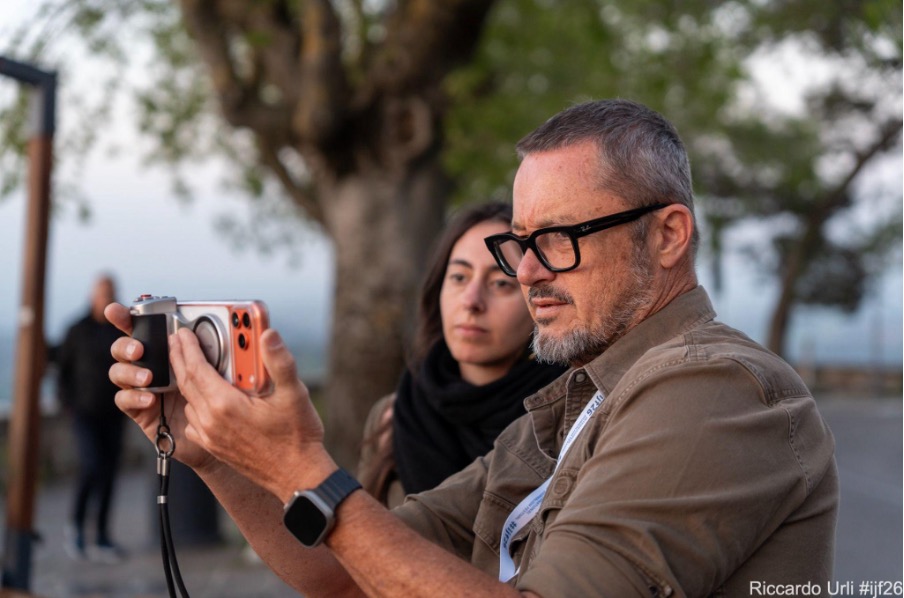
It is essential journalists know a little of every format of storytelling as the era of specific journalism is gone, Australia’s Bond University assistant professor of mobile journalism Rob Layton said during a sunrise smartphone photography workshop at the International Journalism Festival in Perugia on April17.
Layton, with over 45 years’ experience as a journalist and mobile journalism educator, led participants on a walk of Perugia, demonstrated composition and other smartphone camera tips, such as locking the exposure and focus to capture the sunrise and other morning routines of the city.
“Smart phones help journalists working across different platforms and different media just using the phone to present information,” Layton said as he walked through the alleys of Perugia. “Journalists were required to do all things because everything can be done by mobile phones now.”

Layton said he has found more journalists in the field of mobile journalism. “They should know how to use different apps such as YouTube creators for simple video editing and the camera functions.”
Layton taught participants to combine visual elements into narrative video montages, in which everyone had a chance to showcase their final work on the screen.

Lilly Reisenweber, a US student majoring in broadcast journalism from West Virginia University, said the video montages in mobile journalism were more like a digital print story turned into video.
“Mobile journalism and traditional broadcast are both needed in the media landscape,” she said. “Broadcast is a little straightforward to deliver news while different types of journalism could reach different types of audience.”
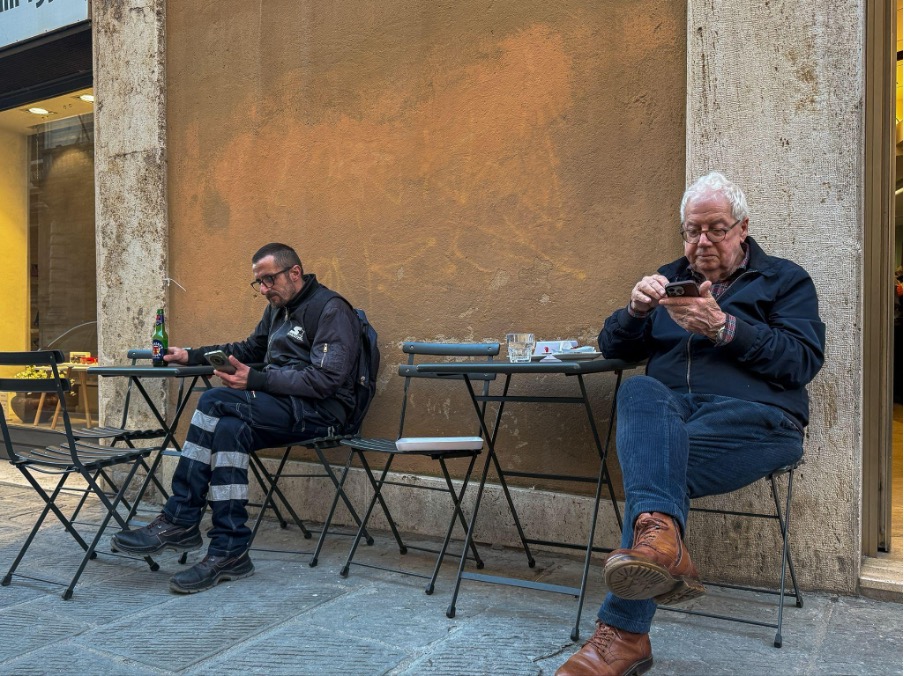
“I started my career as a print journalist, which used words to create images in the audience's mind, while visual journalists would identify the detail through the lens and frame with what you see,” said Aphrodite Salas, associate professor in the Department of Journalism at Concordia University in Canada and a speaker at the workshop..
“Both of the mediums look alike in that they are trying to connect with the audience. That’s not the matter of the format, but the scene which comes into your mind first,” she said.

《The Young Reporter》
The Young Reporter (TYR) started as a newspaper in 1969. Today, it is published across multiple media platforms and updated constantly to bring the latest news and analyses to its readers.
Fans flock to Causeway Bay to celebrate Hong Kong star Keung To’s birthday

Building trust with Epstein survivors needs empathy and self-awareness, journalists say



Comments