
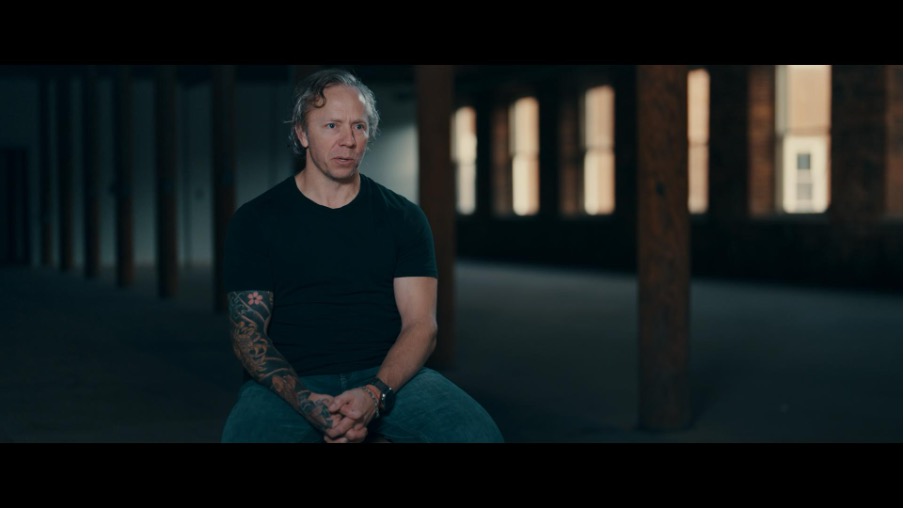
The BBC screened a documentary that follows the lives of paedophile hunters on the dark web at the International Journalism Festival in Perugia.
“The Darkest Web” revolves around US undercover agent Greg Squire and a team of agents who spend every day tracking abusers in encrypted forums who are sharing millions of child abuse materials online.
The documentary reveals unsettling cases Squire and his team investigated, which took director Sam Piranty and his team seven years to document and film.
When asked how he persevered through such a long-term project, Piranty said it was Squire.
“He was a force of nature. It was a real surprise to ever film someone so committed. I believed in him and the amazingness of his stories. When you have conversations with those people, you will realise that it’s worth it,” he said.
It all started with months of back-and-forth emails before Squire even wanted to speak anonymously, Piranty said.
“At some point, he wanted to go on camera because he wanted to talk about the more difficult things he faced. He spoke to his colleagues, who were scared to talk about their feelings. And he wanted to change that,” Piranty said.
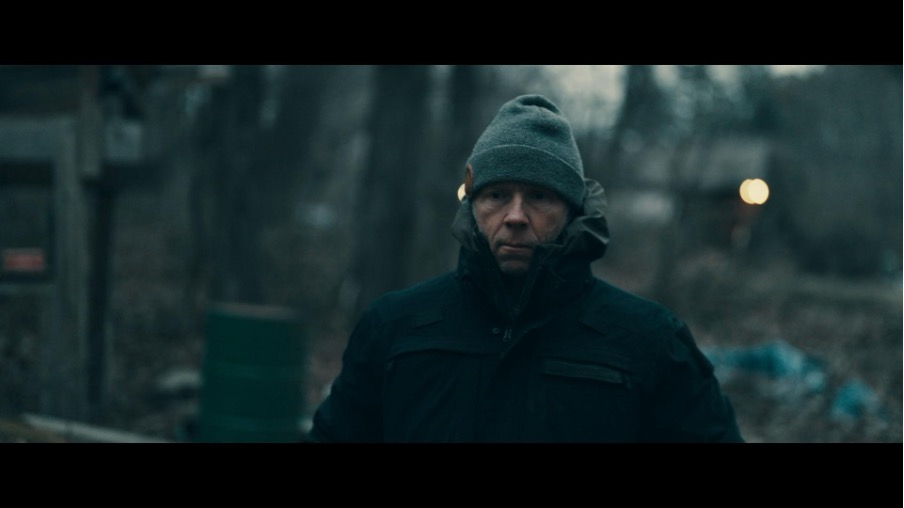
Ultimately, Piranty and his team decided to centre the story around Squire’s psychological struggles and personal journey, as every saved child took Squire hundreds of hours of viewing abusive materials of children.
Piranty added that he wanted people to “get a sense of the scale and gravity of the issue” and know there is hope, that “these Gregs, these amazing men and women who are willing to do things.”
Piranty said the BBC screened the movie at the festival to reach as many people as possible.
“There’s a group of people who would be interested in it, but sensitive to the darker side of things, and that was the group we wanted to grab hold of,” he said.
Melita Cameroon-Wood, a freelance journalist who attended the screening, said she felt moved by the film’s emotional depth.
“I was so grateful that this film and the undercover investigators existed, but I was also saddened and shocked at the extent of the horrific child abuse documented in the film,” she said. “I was angry that this wasn’t being spoken about more in mainstream media. How had I only just heard of this film?”
The first case Squire took on involved a 12-year-old girl named Lucy. In January 2014, he and his team came across pictures of her abuse online. As she was abused for six years, the team felt pressured to find her.
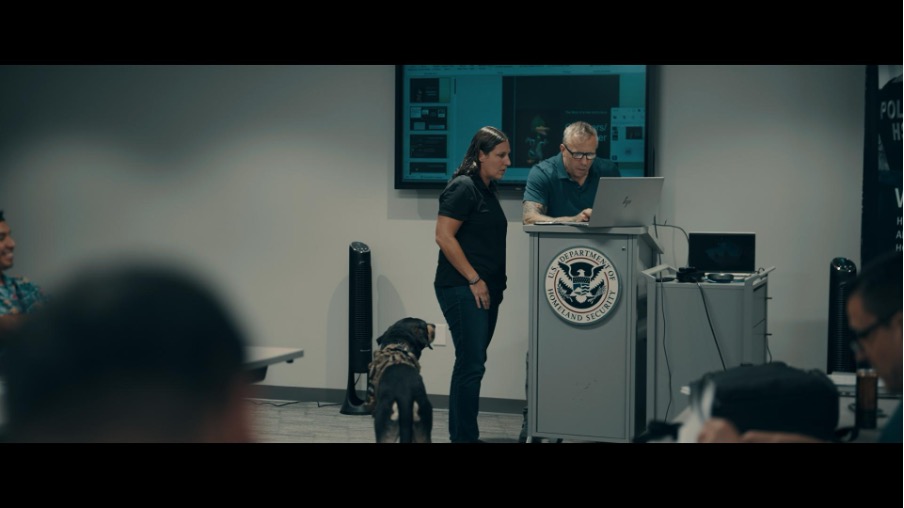
The first breakthrough in the investigation came after they identified the bricks in a piece of furniture from one of Lucy’s photos. With the help of a brick expert, they narrowed the search to a 50-mile radius from a brick manufacturing plant in Texas.
After nine months, Squire and his team found her. Squire reunited with Lucy in 2025, a scene depicted in the film.
“I think the most compelling moment for me personally was the moment at the end when Greg Squire meets Lucy on a park bench to discuss what had happened and how she was rescued after an intense investigation,” Cameron-Wood said.
“It made me realise how important it was that this film was made over several years. With sensitive subject matter, the process shouldn’t be rushed. The strongest narrative arcs emerge when you wait for people to be ready to talk to you — trust has to be built,” she added.
Piranty said some of the most interesting moments in the movie came from casual non-film-related conversations with Squire, such as about his dog and selling his house.
“It's very easy in our line of work to see human beings as contributors. We get them to sign a consent form. So, it’s just about seeing them as human beings,” he said.
He added that the “after” matters too.
“Find a way to move your relationship with the person. There will be a buzz when it goes out. What happens when that stops? Keep that balance and keep them feeling like you haven't used them,” he said.
Piranty stays in touch with Squire and is happy to hear about the documentary’s impact, saying that the film gives Squire and his team the recognition they deserve.
After the documentary was released, a woman spotted Squire on his run, hugged him and thanked him for his work, Piranty said.
“I disagreed with anyone who says documentary is dead. I think there's room in the world for multiple types of filmmaking. There are different ways of engaging people through stories. Some stories are better told in shorter form, and some stories are not. Because you need the context, you need the space,” he said.
The Darkest Web has reached over 2.2 million views on YouTube since its release on Feb. 17.
《The Young Reporter》
The Young Reporter (TYR) started as a newspaper in 1969. Today, it is published across multiple media platforms and updated constantly to bring the latest news and analyses to its readers.
AI-fueled online gender violence surges, causing women journalists to face offline harm
What being a ‘News Creator’ means for the next generation of journalists

Comments