
The policy address proposed several AI training programs to support employees in enhancing practical AI skills and optimized the existing AI support program for small and medium-sized enterprises.
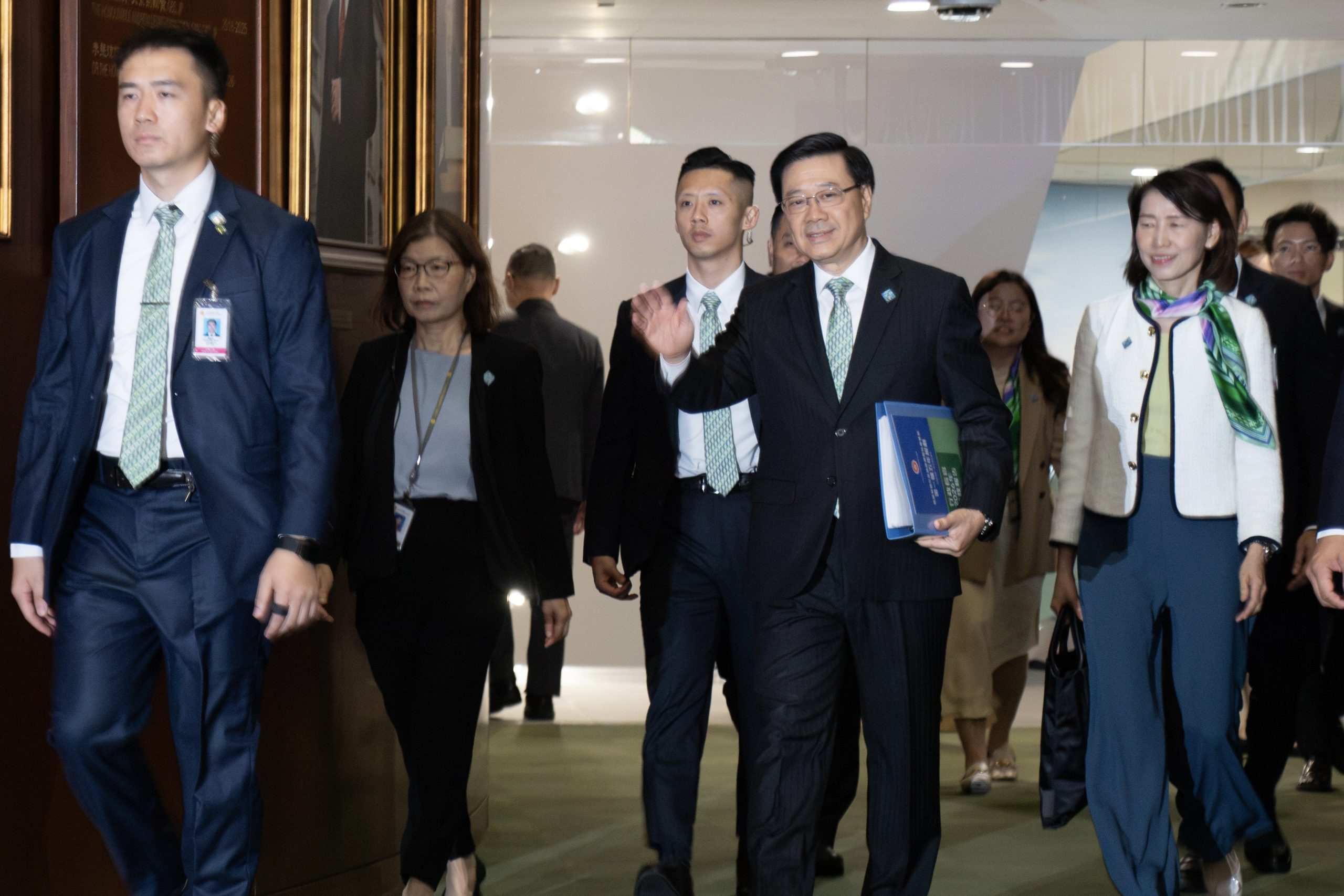
The government will release more than 200 training courses and activities under the “AI for All” programme before the first quarter of 2028.
The government’s Employees Retraining Board will release an 18-month AI upskilling campaign in the first half of 2027, offering free online courses on workplace AI applications, expected to benefit at least 40,000 employees.
Calvin Cheng, the Executive President of the Hong Kong Small and Medium Enterprises Association,
said that without government subsidies and corporate training, employees generally would not voluntarily spend time learning how to use AI.
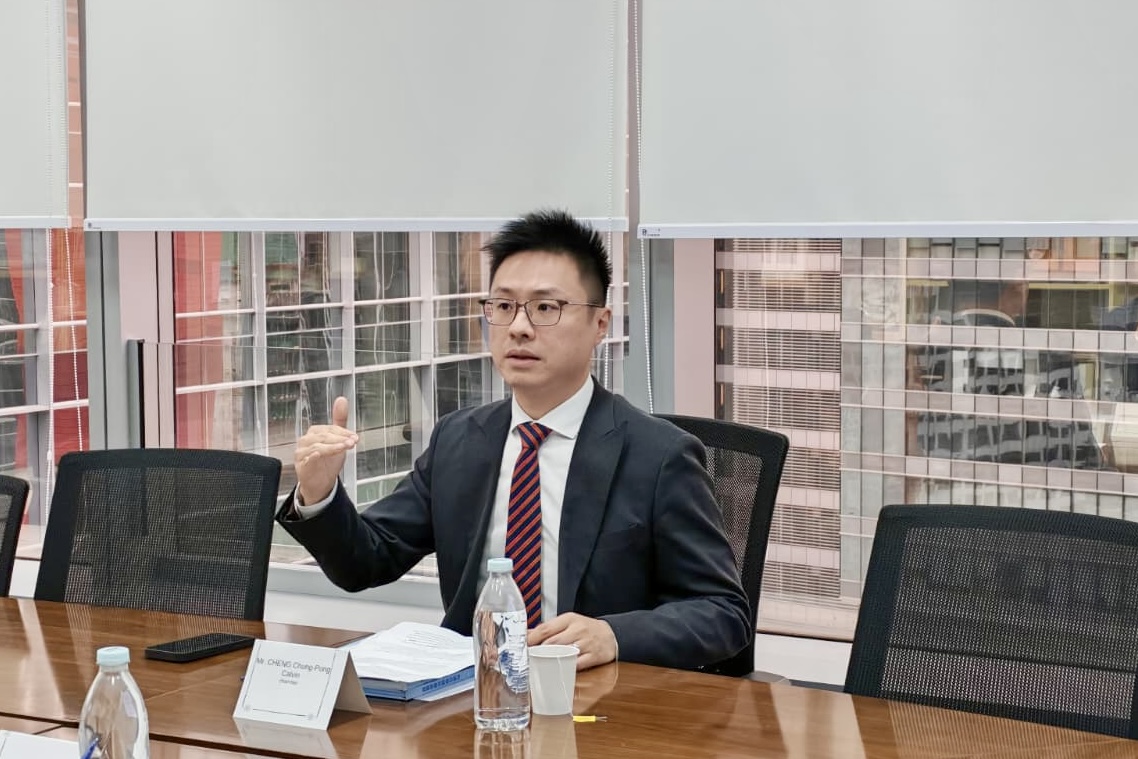
“AI adoption has slowed because many employees hold conservative views, fearing job displacement by AI,” Cheng said.
According to Peter Shum, Deputy Chairman of the Federation of Hong Kong Industries, a lack of clear AI strategies from management creates a gap with employees keen to adopt AI but remaining cautious due to data leakage and security risks.
Microsoft’s May 2026 Work Trend Index reveals that only 19% of AI users in Hong Kong believe their leadership has set a clear and consistent AI strategy.
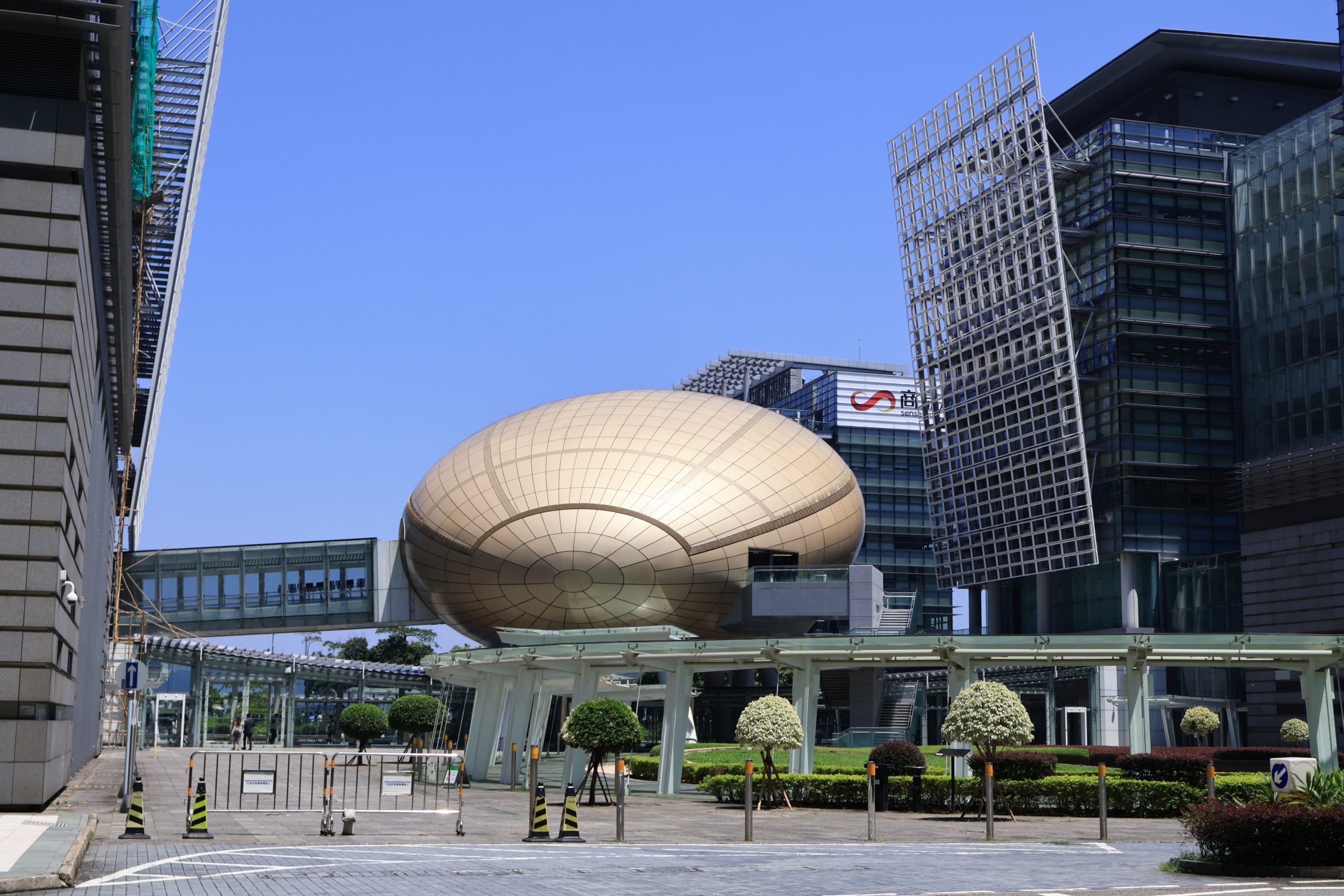
“The market is flooded with information about AI for SMEs, leaving them confused and unsure of what to do,” said Cheng.
According to the Census and Statistics Department, as of March 2026, there were approximately 360,000 SMEs, accounting for more than 98% of the enterprises in Hong Kong.
“The government needs to prioritize supporting SMEs in the field of AI, because large companies have substantial financial resources to manage risk, whereas SMEs are less likely to take the initiative to make risky investments in AI,” said Shum.
John Lee Ka-chiu also mentioned that the government will optimize several existing support programs to further assist SMEs in their AI-driven transformation, including dedicated funding, smart consulting services and security risk assessments.
Dong Xiaole, 53, the founder of Fortunae Limited, a company specializing in AI research and applications, said that for non-algorithm-based companies, AI is not a core driver of productivity but merely a catalyst. Thus, the decision to integrate AI should be based on the specific needs of each enterprise.
“If a company’s business model relies on quality and efficiency, AI can be very useful to it,” said Dong. “If it requires absolute patience and low efficiency, such as in the service industry, nursing homes or the healthcare sector, blindly pursuing efficiency is not necessarily an advantage.”
《The Young Reporter》
The Young Reporter (TYR) started as a newspaper in 1969. Today, it is published across multiple media platforms and updated constantly to bring the latest news and analyses to its readers.
Policy Address 2026: New museum in HK to focus on national security and patriotism
Policy Address 2026: Government to step up Chinese-language support for ethnic minority students



Comments