
“I don’t want to recall the depressed time when I lived in that cramped room and faced a narrow ceiling when getting up, doubting the meaning of my existence,” said Mou On-kei, 20, a university student who just moved out from her previous resident, a subdivided unit (SDU) in Yee Kuk Street, Sham Shui Po, an overcrowded neighbourhood in Hong Kong.
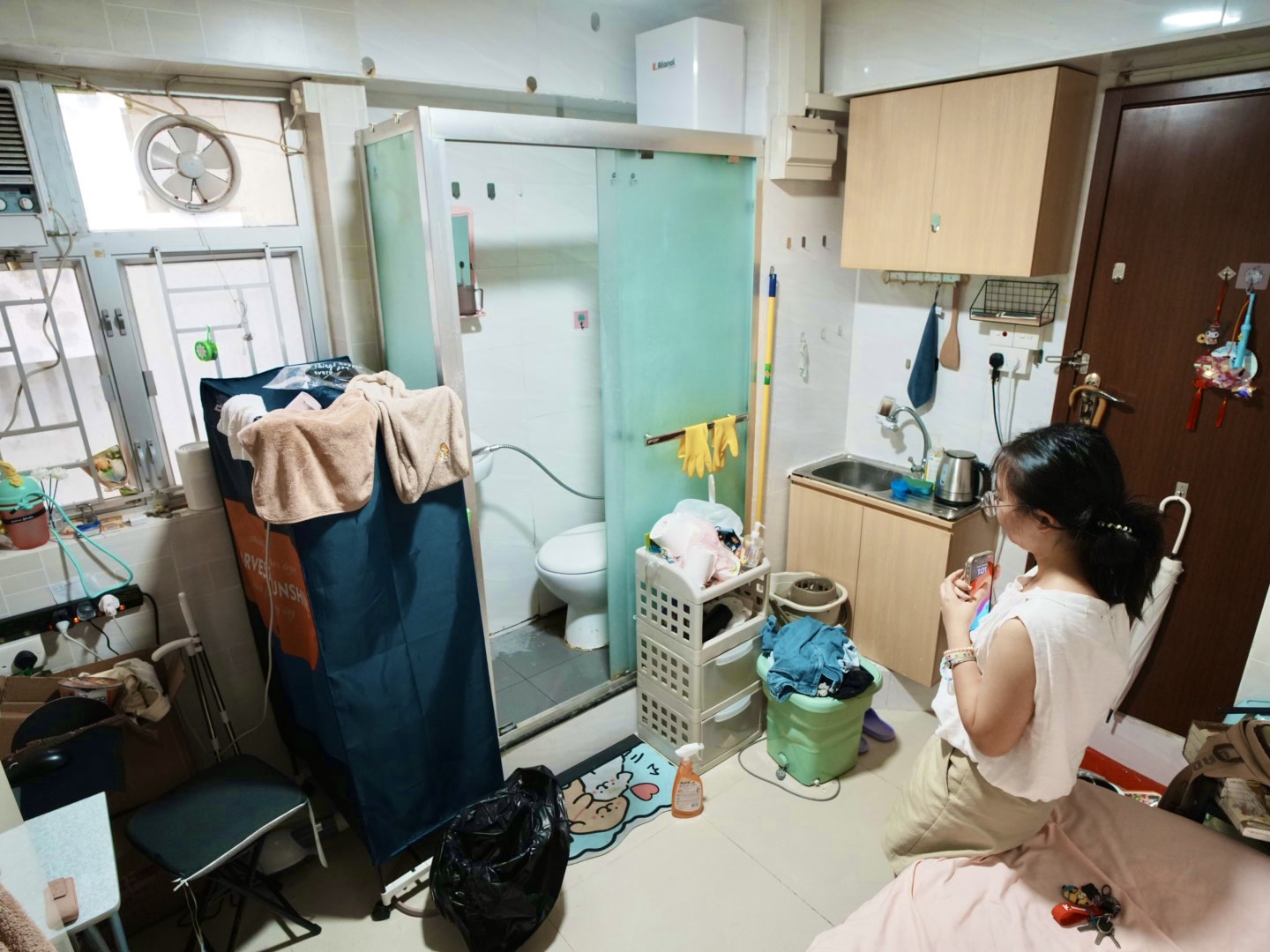
In a room measuring less than 80 square feet, Mou paid HK$4,800 monthly for the previous SDU, where geckos, cockroaches, and rats appeared every month due to the squalid housing conditions, causing her severe acne problems.
Among the other 220,000 residents of subdivided units in Hong Kong, like Mou, 41.6% have rodent problems, and 69.7% have cockroach problems.
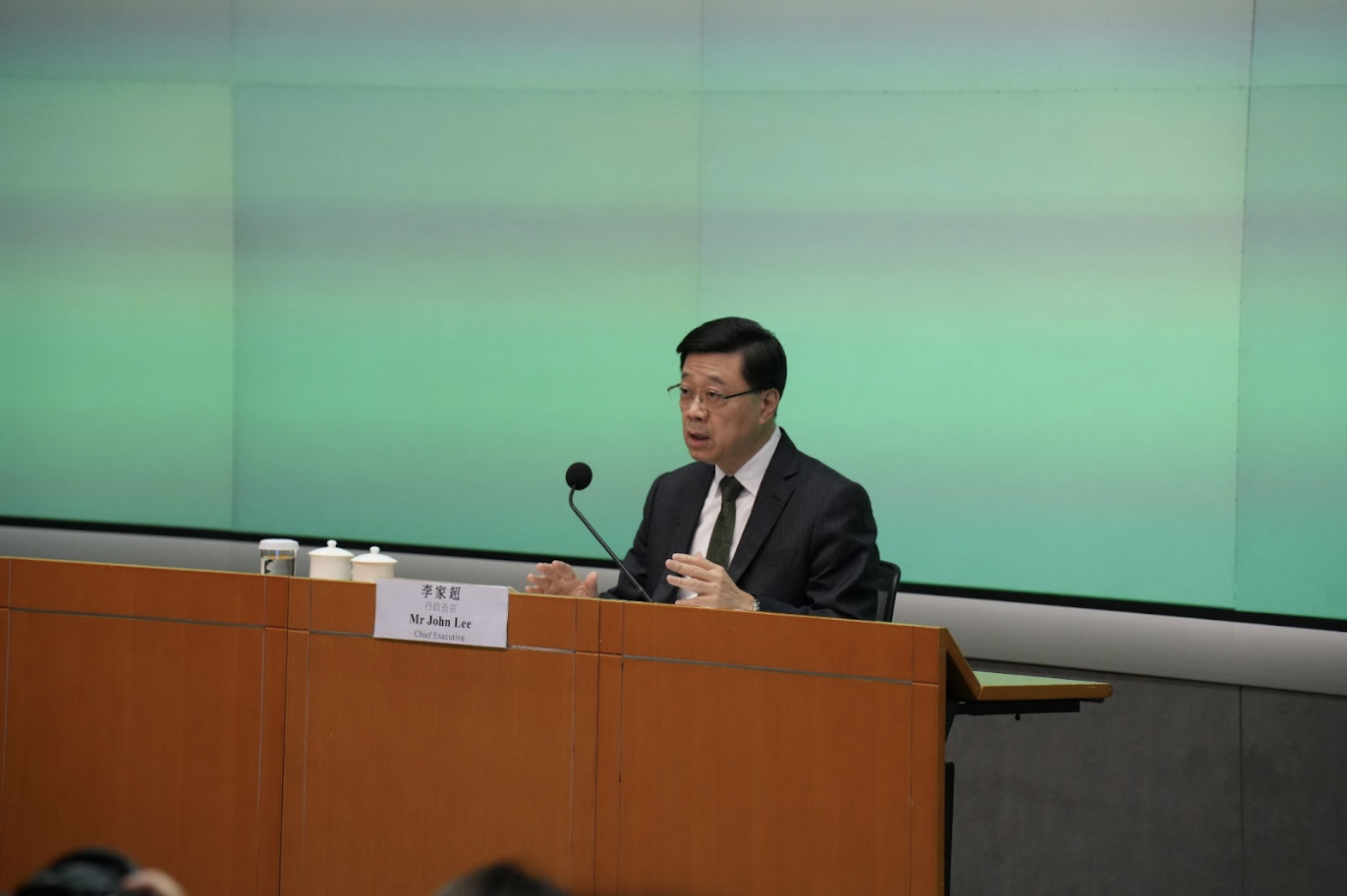
John Lee Ka-chiu, Hong Kong’s chief executive, proposed legislation in his policy speech in October to improve living conditions by phasing out subdivided houses smaller than 86 sq ft and converting them to basic housing units (BHU), up-to-standard units that have individual toilets and windows.
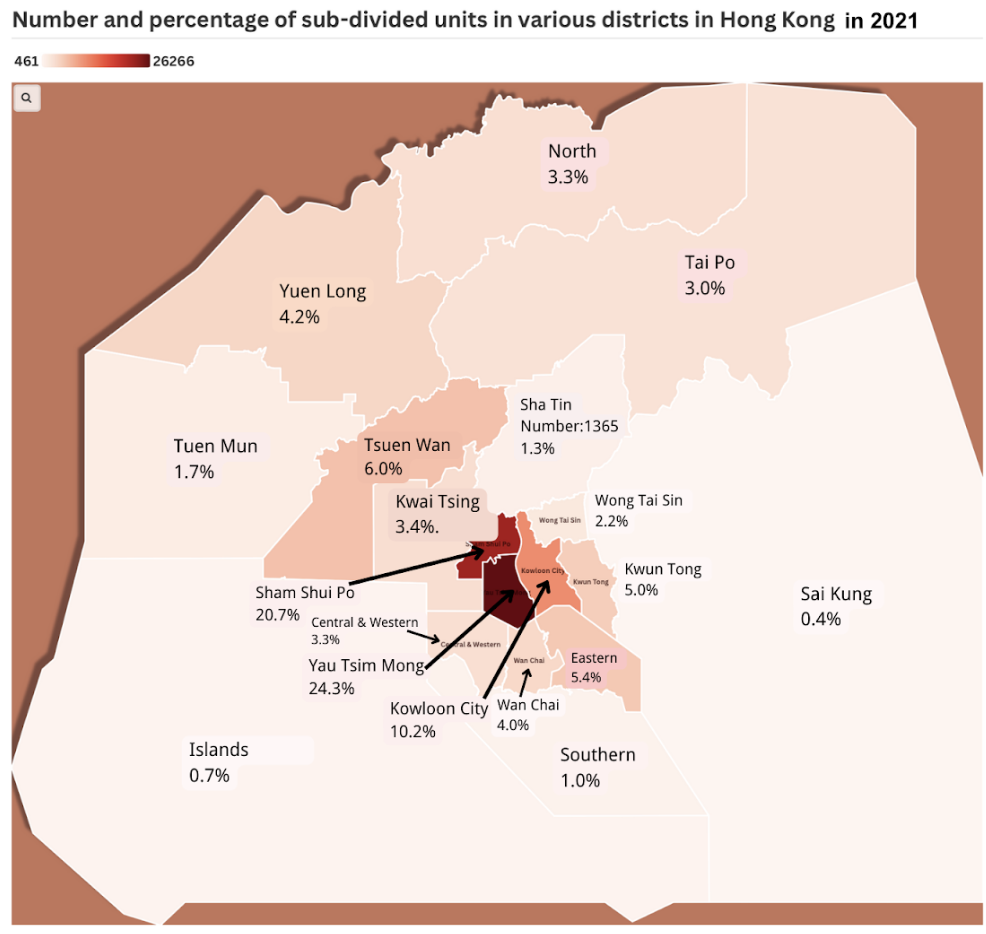
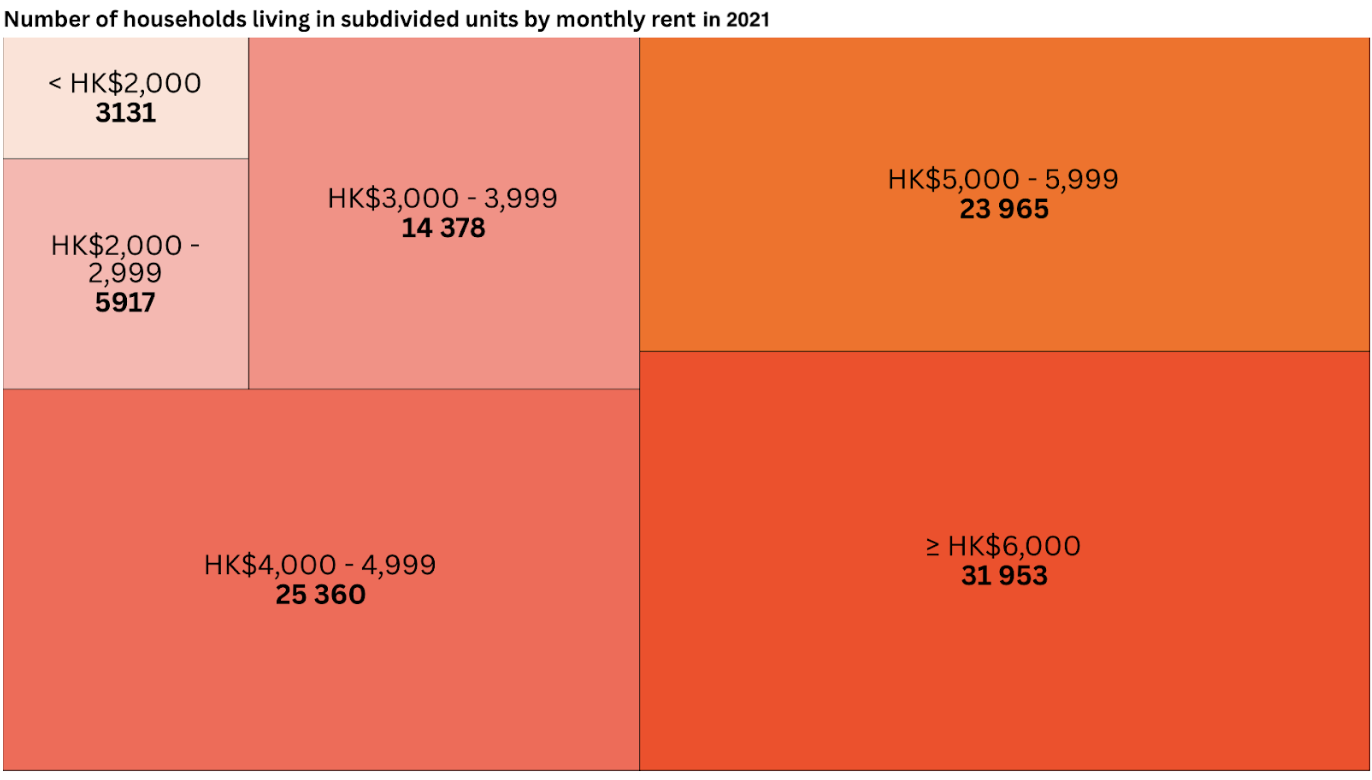
Click here to check the interactive version of Flourish.
There are 110,000 SDU households, of which approximately 30% (33,300 units) are required to be upgraded into basic housing units.
“The lack of uniform standards for SDUs has led to greatly varying living conditions of different SDUs,” said Chen Lihong, a district council member in Sham Shui Po.
Lee’s announcement aims to improve the SDUs’ environment, minimise potential safety hazards, safeguard tenants’ rights and interests, and enhance the sense of belonging of SDU tenants, Chen added.
Lee’s announcement is align with Beijing’s hope of eradicate infamous SDUs and cage homes, as Xia Baolong, the top official on Hong Kong affairs said to solve this “deep-rooted problem” by 2049.
Echoing the central instruction, Lee established a task force to tackle the SDU in the 2023 policy address, and set a series of minimum living standards as well as change of name to eradicate substandard SDUs in the following year.
However, the government’s movement is facing criticism from local landlords. “Lee and legislative council members seem to mix up the concept of owner or landlord with agents or operators of the house,” said Diamond Se, president of the Hong Kong Owners Club and member of the Task Force.
In Hong Kong, many landlords entrust their flats to second landlords or real estate agents to rent them out to tenants.
Se received more than a dozen complaints from SDU owners after Lee’s announcement, as the landlord is responsible for taking criminal liability if the substandard units are still rented out, rather than agents or tenants.
Previously, the government issued an ordinance requiring landlords to submit an AR2 form, a notice of lease for registration purposes, including statistical and regulatory purposes.
Owners who disobey the rules will receive a fine of at least HK$10,000, as their units are considered illegal and may face criminal charges if they are leased out.
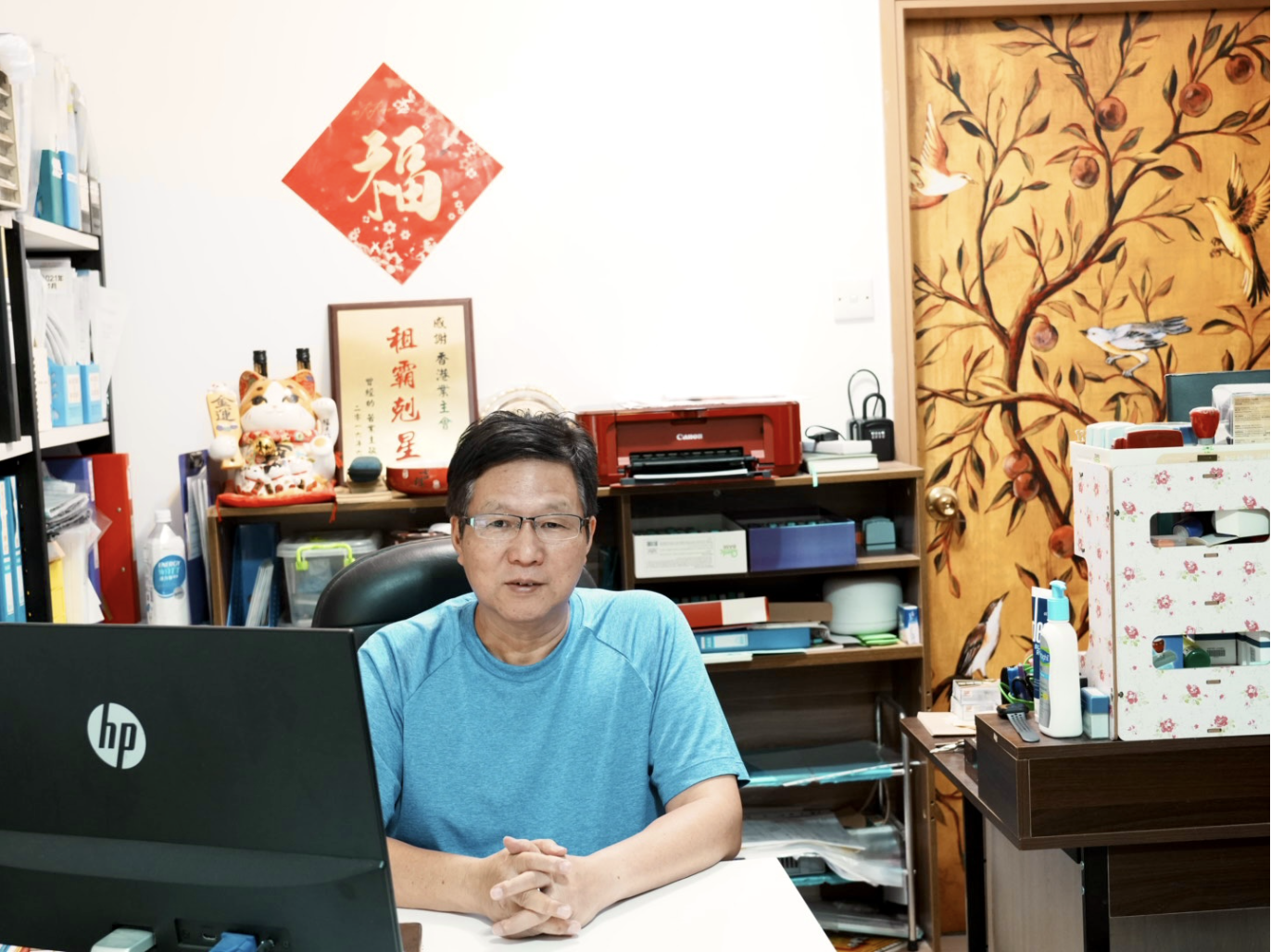
“I understand that such a policy is well-intentioned, but if follow-up support measures don’t keep up, there will be a lot of people who will have to sleep on the streets,” said Se.
Hong Kong has long faced the problem of an imbalance between housing supply and demand. The Government has introduced policies to increase public rental housing, yet has failed to make up for the rising demand.
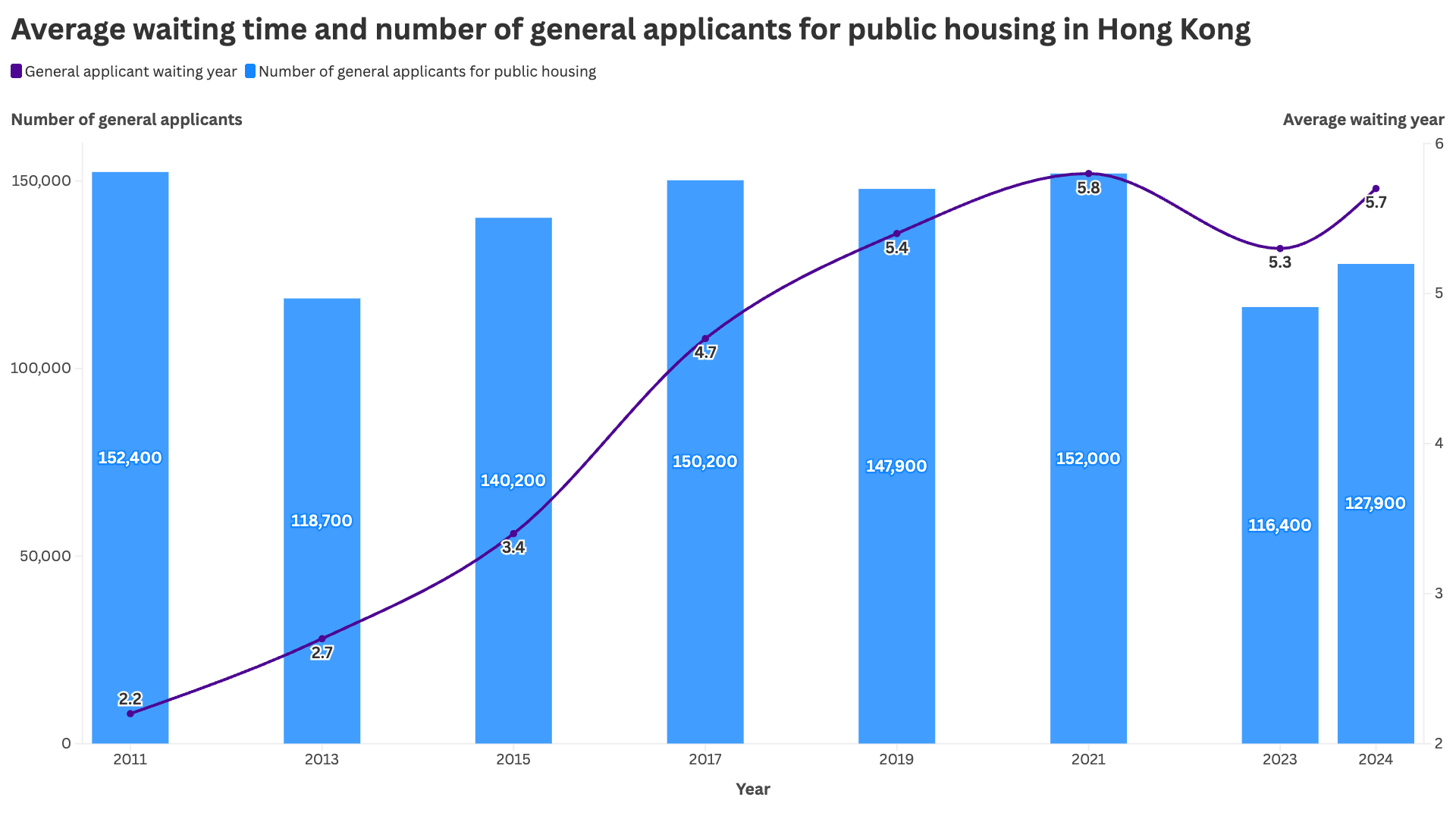
The government promised that 30,000 light public housing units and 21,000 transitional housing units would be gradually provided in the next few years to plug the short-term supply gap, but the locations of these houses are far from the urban areas..
“Some tenants, who used to live in subdivided units in Yau Ma Tei, now have to go to transitional housing in Yuen Long, which will be very inconvenient,” said Korver Li Yu-mau, director of Comhome, a pioneer philanthropic organisation dedicated to helping lower-class residents with housing in Hong Kong.
There are 15,217 units of transitional houses provided by the Housing Bureau, as of Nov. 21, 2024, with half of them (7,611 units) located in Yuen Long.
Apart from that, the proposed new laws will also increase the renovation fee, making SDUs more expensive and unaffordable to rent.
Se estimated that the monthly renting fee for each upgraded unit will increase by HK$2,000-3,000, contributing to the total renovation cost of about $150,000 per unit, based on his experience during the study on tenancy control of SDUs in 2021.
“With the stringent eligibility and the relatively small amount, the government subsidies can hardly cover the impending rental increase faced by simple housing tenants,” said Charlotte Cheung, co-opted member of the Sham Shui Po district council.
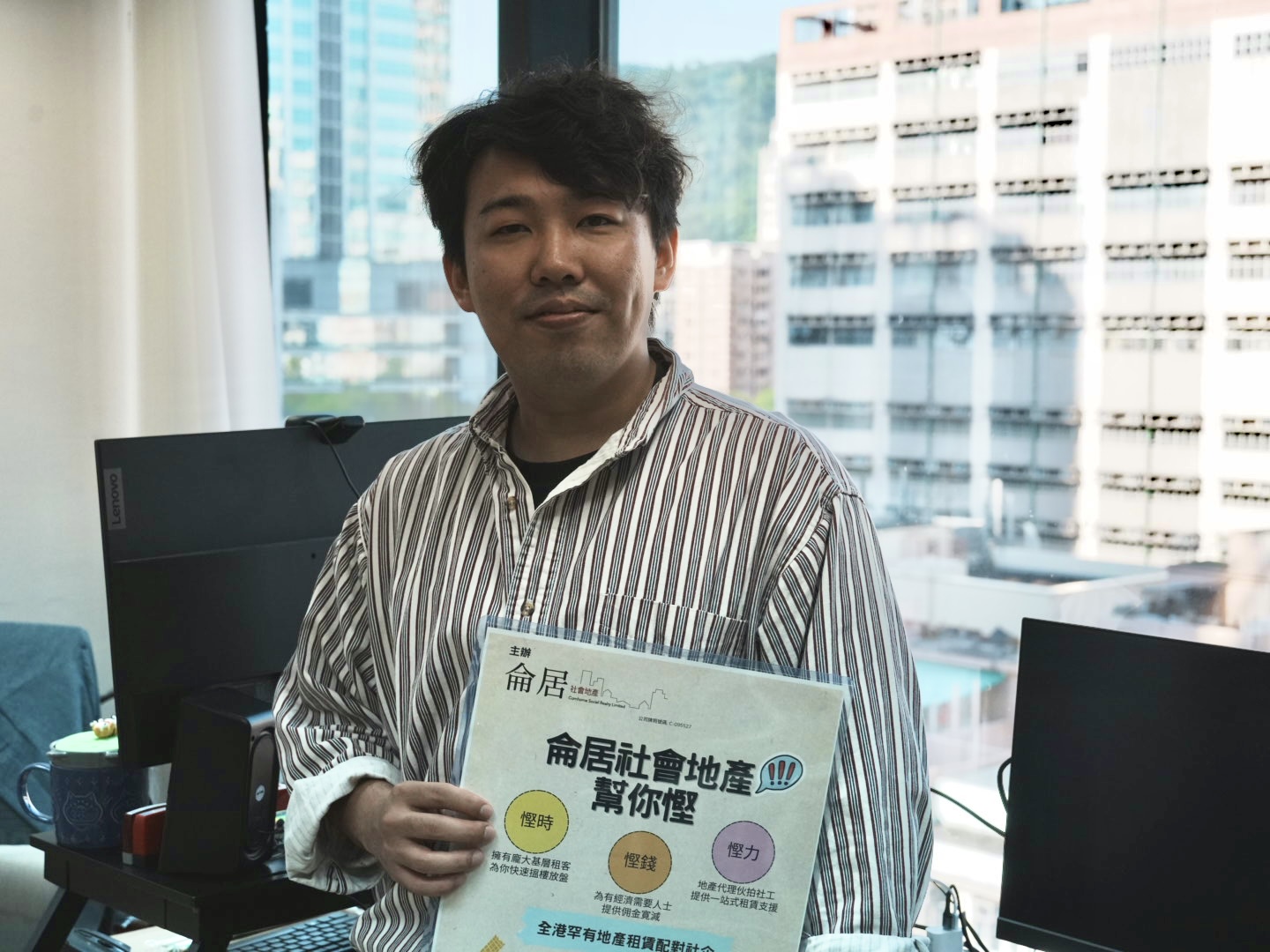
“Owners who don’t want to pay the renovation fee will choose not to submit AR2 forms, and residents will still choose these illegal flats to suffer from a worse environment,” said Li.
Only about 30,000 AR2 forms were received out of 110,000 SDUs after it was introduced in 2022 according to the Legislative Council.
With the aim of reducing renters’ financial burden, Comehome is working to find lower-priced flats that can reduce or even exempt commissions.
“A non-governmental organisation like Comhome relies on sponsorship to maintain its operations,” said Chuang Tai-leung, associate professor of economics at the Chinese University of Hong Kong. “If sponsors think they are not performing well and withdraw their funding, the organisation may have to disband,”.
Comhome received its latest funds from the Social Innovation and Entrepreneurship Development Fund (SIE) and OXFAM Hong Kong in July.
However, compared with the financial help to Comehome, Korver and Louis hope there will be more subsidies and funding set for SDU tenants.
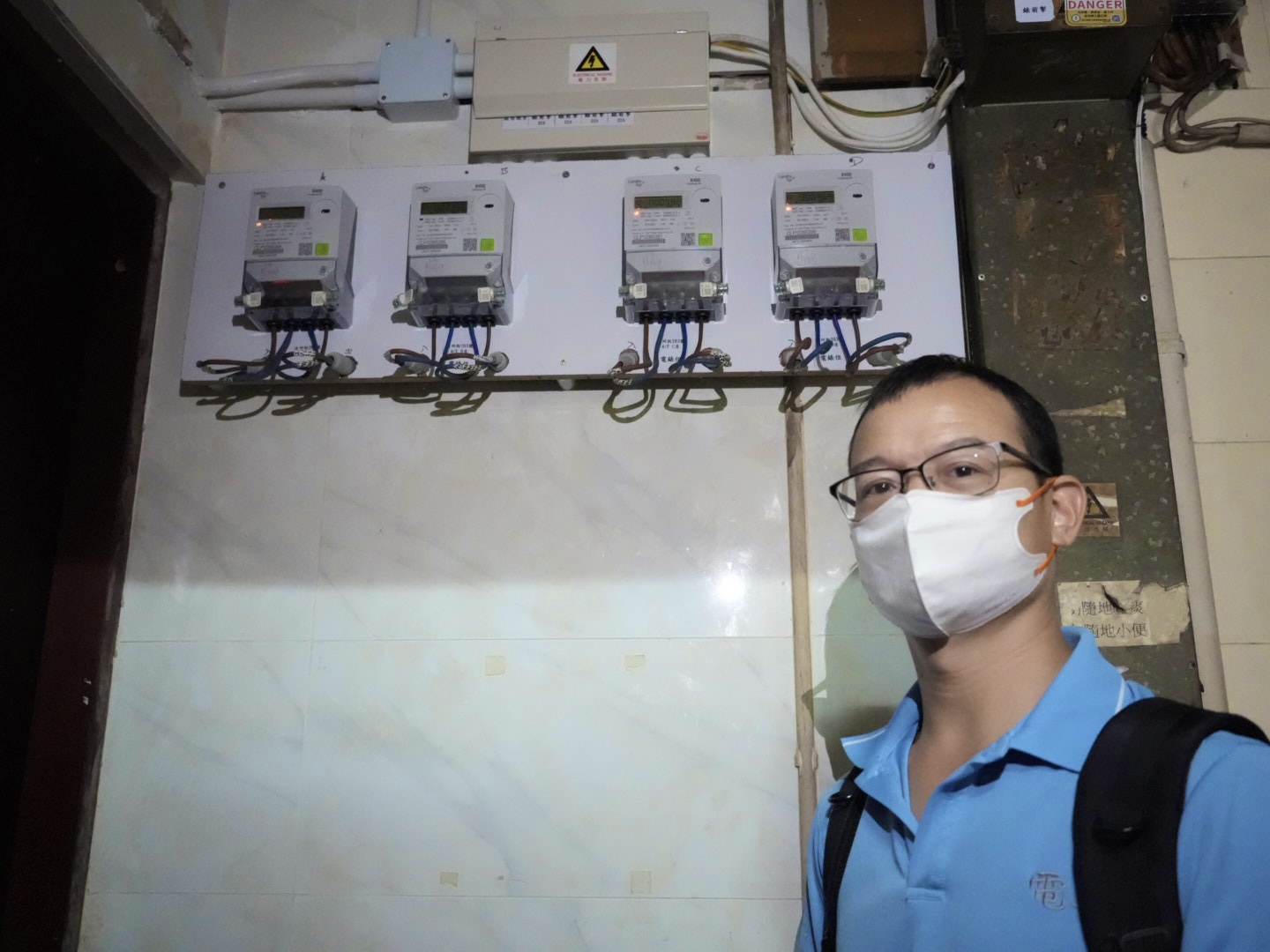
Sharing the same goal, the Federation of Hong Kong and Kowloon Labour Unions (FLU) is helping SDU residents save on electricity expenses by converting to independent electric meters from the combined format that results in higher consumption.
“The more electricity you use, the higher the unit price. Some residents are dissatisfied with the high price brought by the collective charge,” said Diao Shengxiong, the volunteer representative of FLU.
“We are cooperating with electricity suppliers to reform metres so that SDU residents can pay only for their electricity use.”
The reconstruction plan for SDUs is expected to be submitted to the Legislative Council for review in the second quarter of 2025.
Registration for the reconstruction will begin in the fourth quarter of the same year, and the execution plan will be decided in 2027, said the government’s timetable.
“Independent and complete supporting facilities will be provided to improve the living environment for residents,” said Cheung, “however, the resettlement during the reconstruction period and rental issues are yet to be solved. ”
Sub-article
Go-between of subdivided units: local social enterprise strives for homes for renters
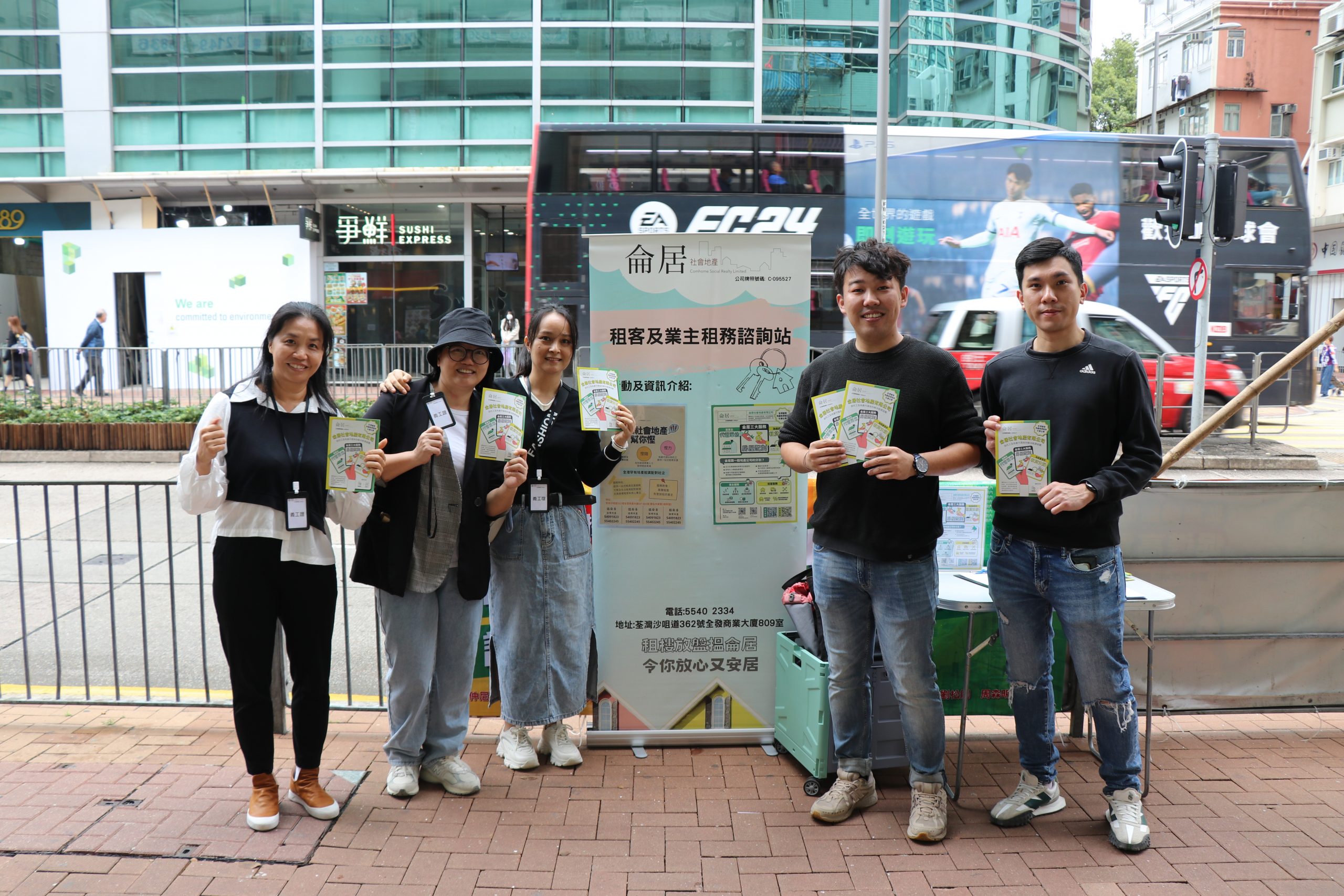
On a cold winter morning, Korver Li Yu-mau gave a speech in the street of Tsuen Wan to introduce a social reality related to subdivided units.
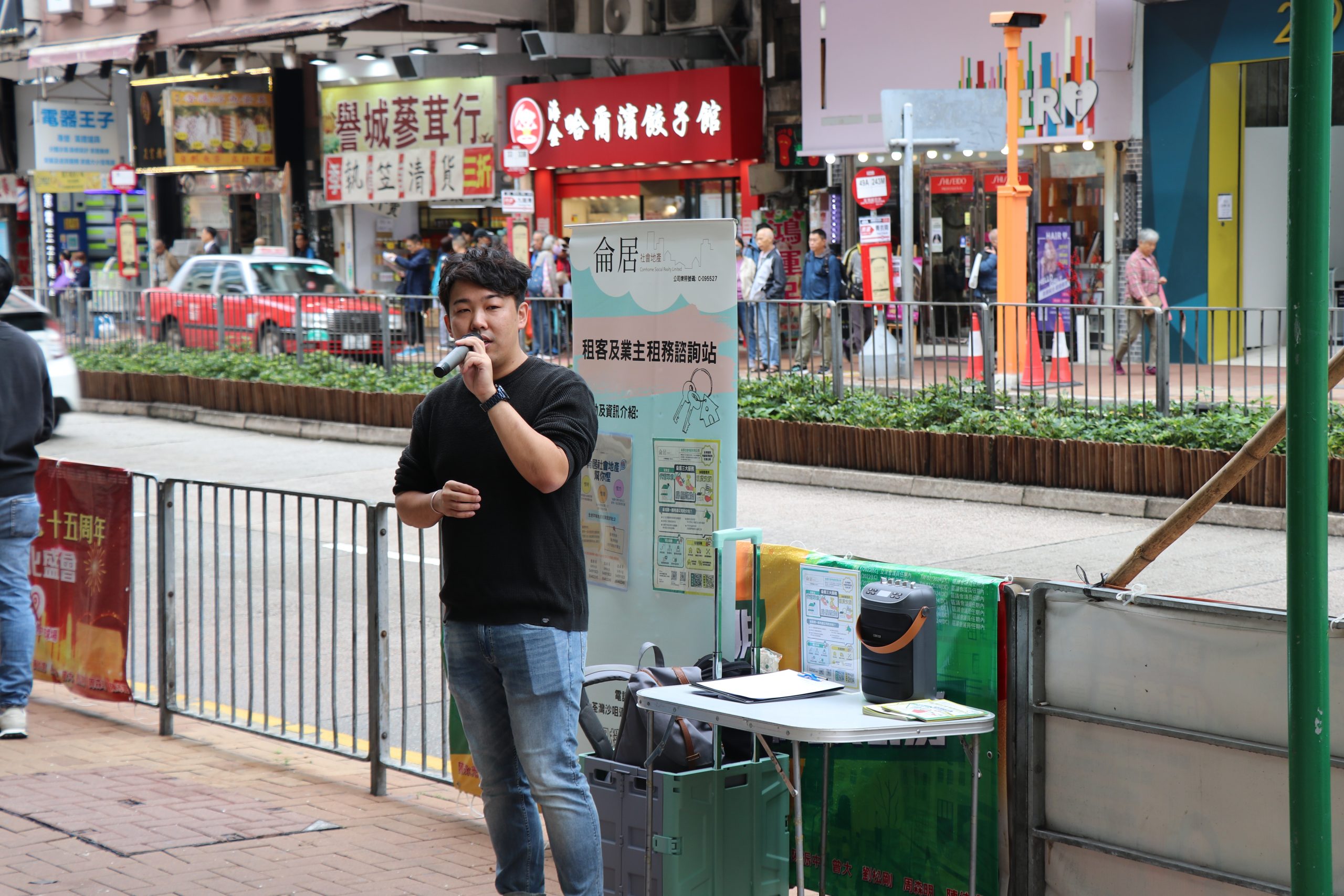
Founded in late 2023, Comhome is the pioneer of social real estate service providers in Hong Kong. With a special focus on subdivided housing, they aim to help “as many residents as they can”, even if they are in financial difficulties.
As the director of Comhome, Korver and his colleagues have helped 21 households find high-quality and affordable SDUs.
“Comhome charges a lower price than commercial property agencies to help tenants move into their new homes and is responsible for supervising the contract between the owner and the tenant to guarantee their interests,” said Korver.
Following the announcement to convert the substandard SDU into a basic housing unit, Korver received more requests from renters and homeowners throughout Hong Kong.
“The model of social reality should be encouraged and duplicated in Hong Kong so that tenants can receive help more easily,” he said.
Together with Korver, Louis Pun Tik-hang, the licensed salesperson of Comhome, shares the concern about rising rental fees.
“In the past, you could easily find a 130-square-foot unit for about HK$6,000 a month,” said Louis, “but now, for the same price, you can only rent units less than 100 square feet, which is a shock and disappointment for clients.”
“A non-governmental organisation like Comhome relies on sponsorship to maintain its operations,” said Chuang Tai-leung, associate professor of economics at the Chinese University of Hong Kong. “If sponsors think they are not performing well and withdraw their funding, the organisation may have to disband,”.
Comhome received its latest funds from the Social Innovation and Entrepreneurship Development Fund (SIE) and OXFAM Hong Kong in July.
However, compared with the financial help to Comehome, Korver and Louis hope there will be more subsidies and funding set for SDU tenants.
“The increase in housing prices after the conversion of modest homes will make renting unaffordable for many people,” said Louis, “This may result in them being forced to live in substandard sub-divided units that do not offer the security of tenure.”
Looking forward, Korver is concerned that the gradual tightening of regulatory measures on subdivided housing may lead to the clandestine circulation of some non-compliant yet low-priced SDUs in the shady housing market.
“I will never stop helping tenants find suitable SDUs, even if it means bearing legal risks getting in touch with owners of nonconforming units,” said Korver, “after all, everyone needs a home.”
《The Young Reporter》
The Young Reporter (TYR) started as a newspaper in 1969. Today, it is published across multiple media platforms and updated constantly to bring the latest news and analyses to its readers.

Esports help build local Gen Z community

Scotland’s largest trade union body holds 40th anti-racism march in Glasgow


Comments