
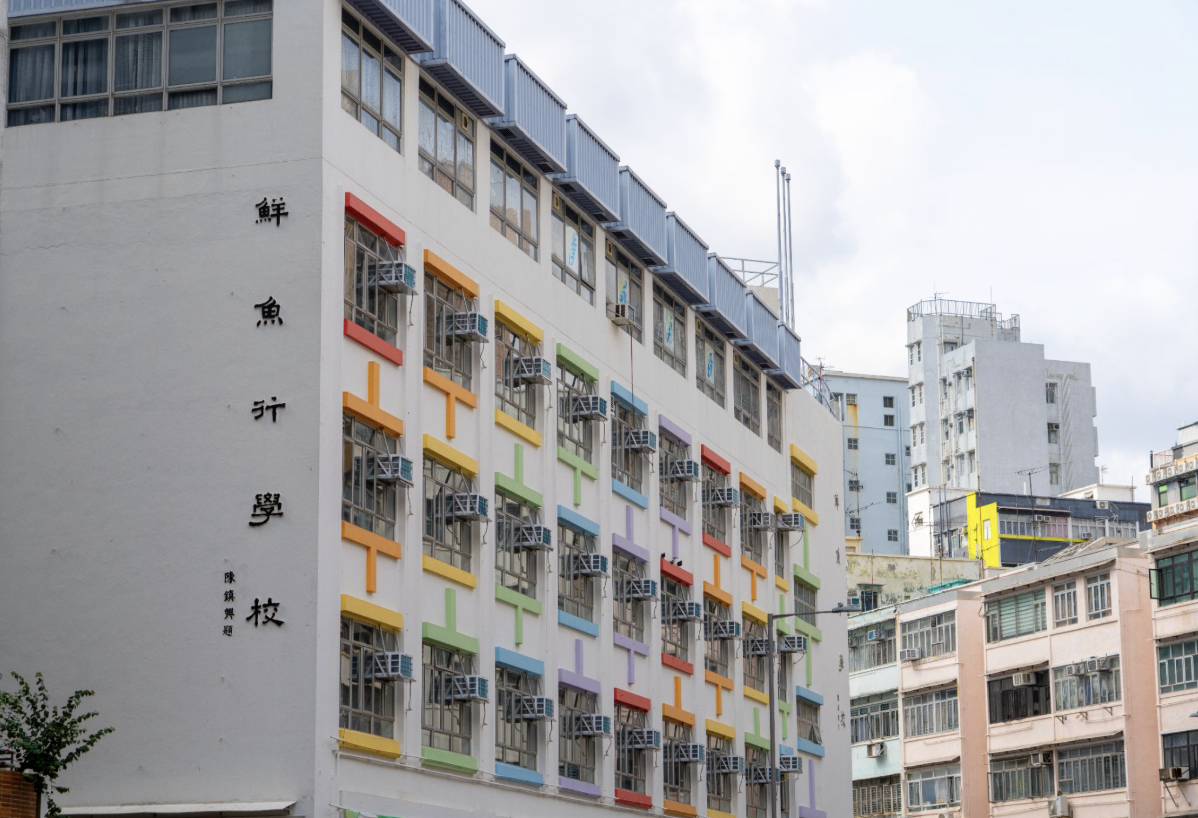
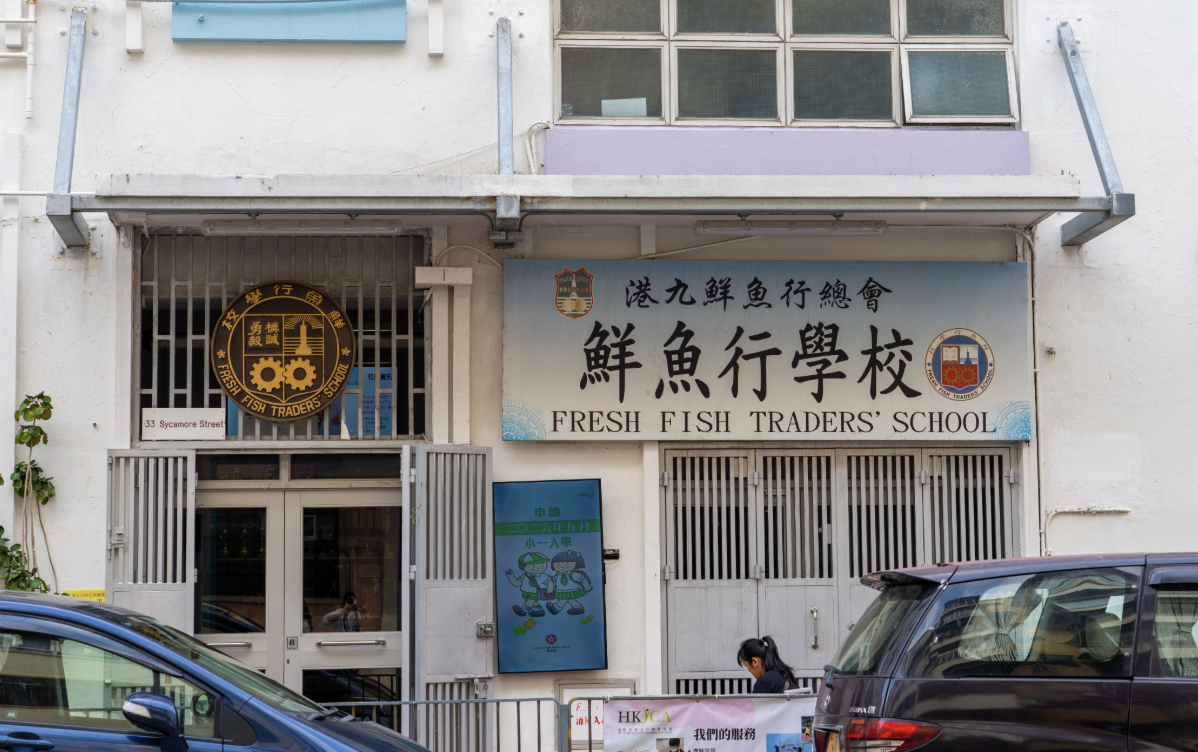
“I can’t bear to leave… It feels empty, as if losing friends,” said Ally Chen, 11, a primary five student at Fresh Fish Traders’ School in Tai Kok Tsui, which was nearly closed due to low enrolment.
On March 17, the Hong Kong Education Bureau announced that a record 15 public and subsidised primary schools across 10 districts, including Fresh Fish Traders’ School, would have no primary one classes for the next academic year because they failed to enrol the minimum of 16 students.
The potential school closures leave schools, teachers and students worried about heavier workloads and the loss of familiar school communities as they navigate an uncertain future.
Fresh Fish Traders’ School previously faced enrolment shortages in 2004 and 2007, but managed to turn things around. This time, however, rather than closing its doors, the school announced in March that it plans to merge with another school in the district, although the partner's name has not yet been disclosed.
Hong Kong’s student population has been shrinking rapidly. Primary school enrolment fell from 373,228 students in the 2019/20 school year to 319,447 in the 2024/25 school year, a decrease of 14.4%, according to the Bureau.
Education Secretary Christine Choi Yuk-lin said in a media briefing in March that the number of students participating in the primary one allocation for 2026/27 had fallen by around 4,000 compared with the previous year.
Experts point to Hong Kong’s falling birth rate. According to the Census and Statistics Department, the number of births in 2025 dropped to a record low of 31,714, a 14% decrease from the previous year.
“Emigration of young families has certainly contributed to the decline in school enrolment, but its impact is secondary compared to the persistently low local birth rate,” said Anita Koo Ching-wah, a professor at the Faculty of Arts and Social Sciences, Hong Kong Baptist University. “Uncertainty about when and how many young families emigrate or cross-border students enrol also adds to the issue.”
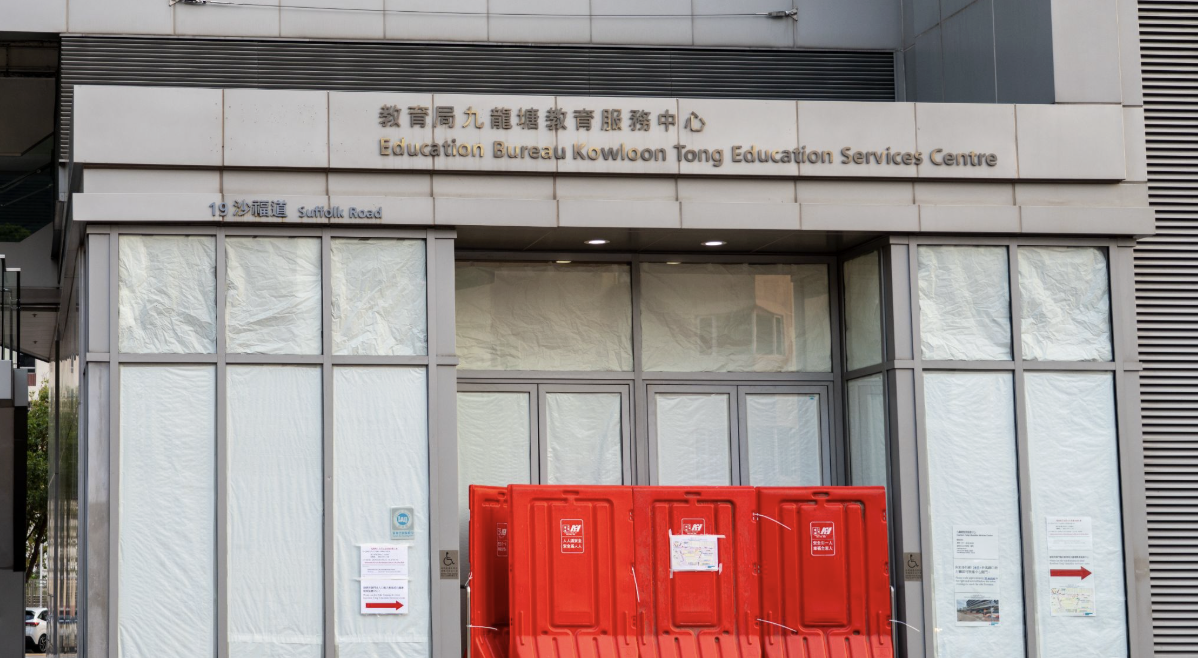
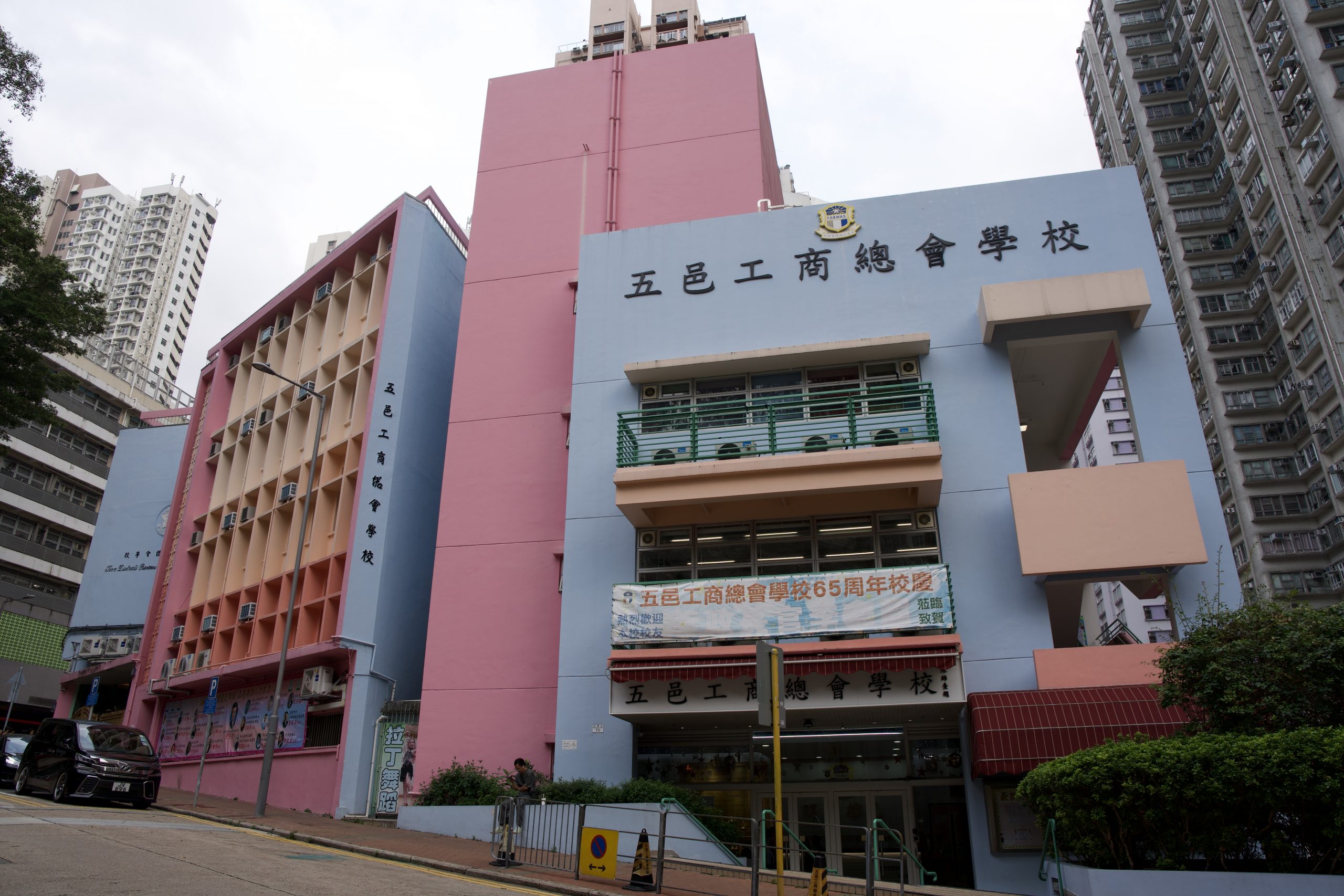
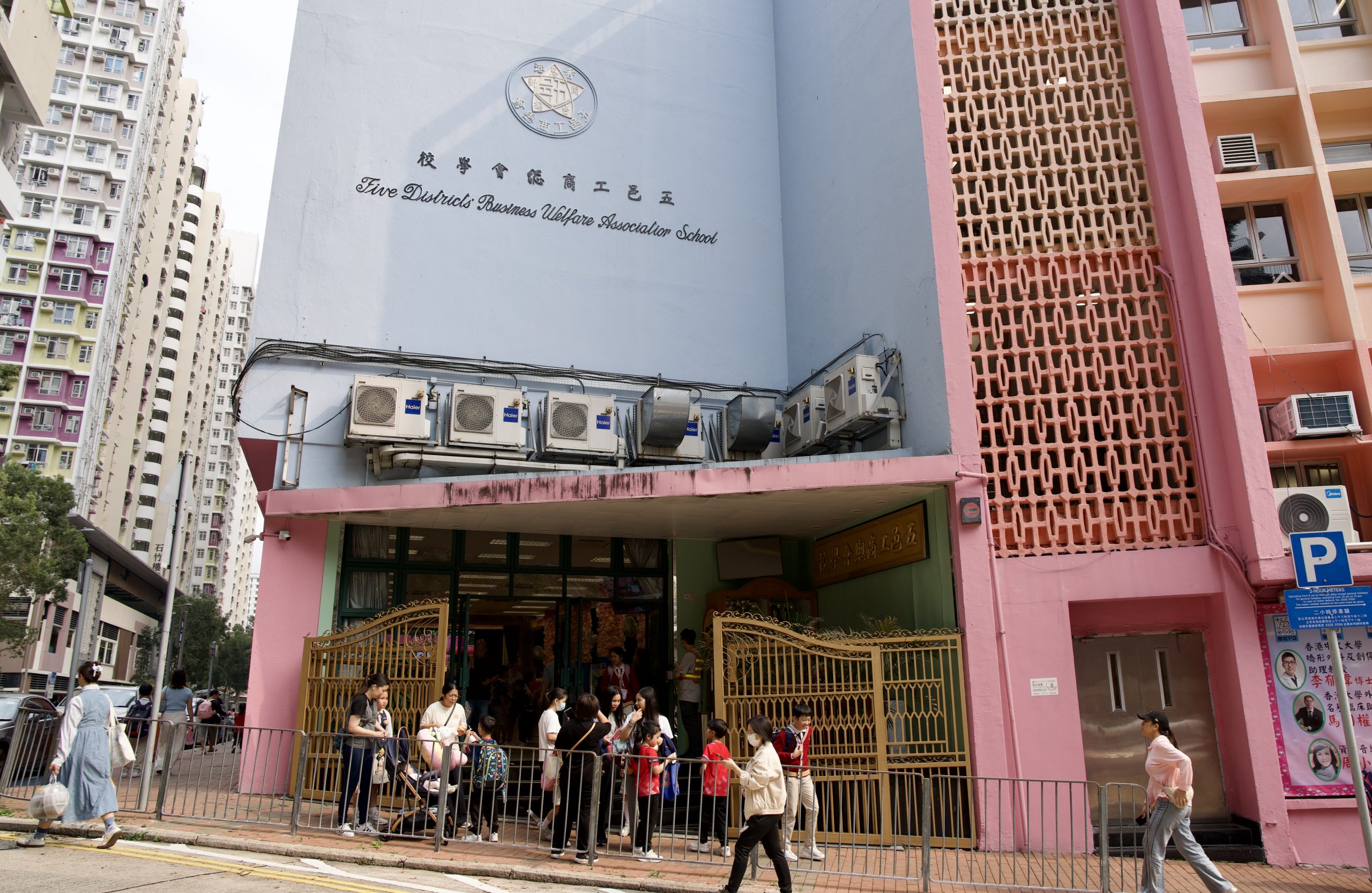
Five Districts Business Welfare Association School, one of the affected schools and also the alma mater of Chief Executive John Lee Ka-chiu, said in an email reply that it is actively exploring follow-up options, with student well-being as the top priority. This follows an announcement in March that it plans to merge rather than close.
According to the Education Bureau, schools will be able to choose their merging partners based on shared values, interests, and a mutual willingness to cooperate. The bureau described this as the most feasible way to consolidate resources under current circumstances.
However, Koo added that differences in resources, reputation and academic performance between schools can lead to power imbalances during mergers, impacting decisions on campus location and teacher retention.
Sze Chi-kin, the 56-year-old principal of Fresh Fish Traders’ School, said a closure would be especially hard on current transfer students, who face limited transition opportunities if they lack any local assessment results.
The school, known for supporting children from low-income families and welcoming students from diverse cultural backgrounds, has long helped these students to integrate.
He added that changing schools at this stage may disrupt established friendships and support networks, forcing students to adapt to new teachers, rules and environments. The Education Bureau has urged schools to make early arrangements so that students can complete their primary education without unnecessary transfers.
Among the 15 affected schools, nine have applied for merger; four plan to phase out or cease operations by the 2029/30 school year at the latest; one intends to run private primary one classes; and the remaining school, which benefited from previous Education Bureau facilitation measures for merged schools, has been granted an exemption to participate in the 2027 allocation.
According to the Education Bureau, the government’s “soft landing” policy aims to address the structural decline in the school-age population by adjusting the number of schools. This allows the education ecosystem to adapt to changes while reallocating and integrating existing resources.
For merger proposals, the Education Bureau offers a one-off grant of up to HK$1 million to cover additional expenses and allows the retention of surplus teachers during the three-year transition period.
If the merged school fails to secure a subsidised primary one class within its first three years, it may receive a one-time exemption to continue participating in the allocation exercise for an additional year.
Tong Wai-yee, 49, an English teacher at Fresh Fish Traders’ School, said the “zero-class” decision came as a real shock to her.
“Obviously, we were sad,” she said. “No students have left so far, but fewer teachers next year would mean heavier workloads.”
Although primary six student Kitty Yang said her last year remains unaffected, she worries the school’s merger will be difficult for students.
“I cannot just dump this mess on someone else,” Sze said. “So, I will continue working until everything is settled, turn 58, and only then will I retire.”
《The Young Reporter》
The Young Reporter (TYR) started as a newspaper in 1969. Today, it is published across multiple media platforms and updated constantly to bring the latest news and analyses to its readers.
Hong Kong’s abandonment crisis leaves dog shelters overcrowded and dogs facing uncertain futures
Red minibus drivers struggle as ridership plunges and fuel costs rise


Comments