
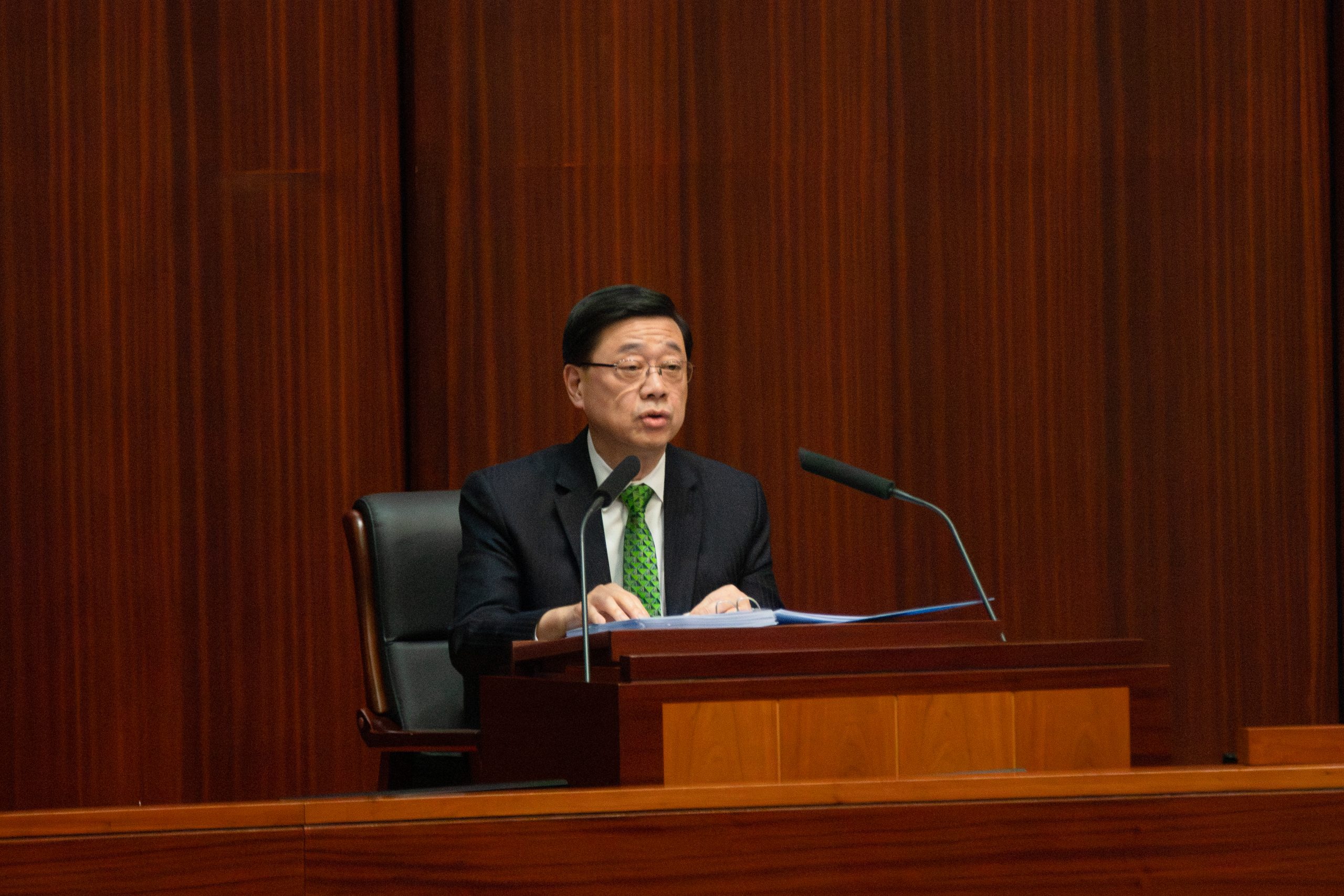
Non-locals hoping to obtain Hong Kong residence through investment will be able to purchase residential property for a minimum of HK$30 million rather than the current HK$50 million, said Chief Executive John Lee Ka-chiu in Wednesday’s policy address.
But the amount of the property purchase allowed to be counted towards the visa scheme eligibility of HK$30 million in investments will remain HK$10 million.
This is under the New Capital Investment Entrant Scheme, which was launched on Mar. 1 last year, to help investors settle down in the city without the need to establish or join a business.
As of February this year, the scheme has received 918 applications and expects to inject over HK$270 billion into the local market, according to the government’s press release in March.
But among the approved applications, no applicant has made an investment in residential real estate. They all choose to invest in non-residential approved assets to meet the eligibility requirements.
Wu Cheuk-him, district councillor of Tai Po, said the government’s move is positive.
“I am confident that lowering the investment threshold for property purchases will draw more people to buy homes in Hong Kong, and as a result, to stimulate the local property market,” he added.
Mainland residents face a stringent cap on foreign exchange conversion of US$50,000 (HK$389,000) a year, which means they cannot buy property that costs more than this with direct remittance.
Viola, 26, from the mainland and working in a Hong Kong local school, said she purchased a residential property in Hong Kong at the end of 2023. She does not want to reveal her full name as she had to get creative, which may not be legal, with how she moved her money from a mainland bank into Hong Kong for the transaction.
“I am constrained by the rule that sets an annual remittance limit. There is always a way to transfer money, but it can carry certain risks,” she said. “I hope that the cross-border remittance limit for individual homebuyers would be raised and the documentation requirements can be simplified.”
A common way especially for mainlanders to buy local properties is to register or find a Hong Kong-based company first, Wu said.
“Without a Hong Kong corporate bank account to facilitate the transaction, mainlanders are unable to buy houses in Hong Kong personally by using their mainland identity,” he said. “I don’t think foreign exchange limits prevent those genuinely intending to settle in Hong Kong through the investment visa scheme from doing so.”
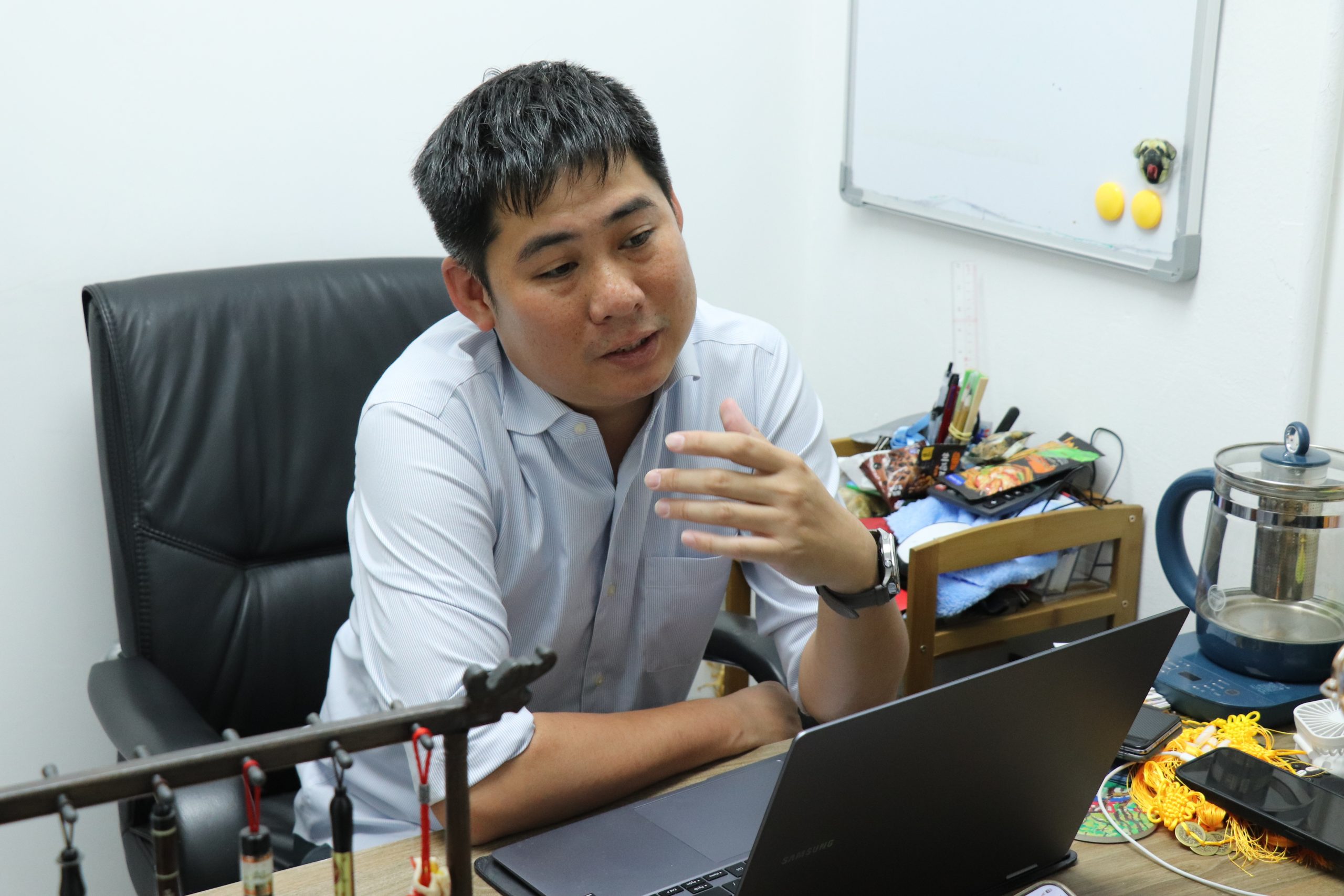
Terence Chong Tai-leung, the Executive Director of the Lau Chor Tak Institute of Global Economics and Finance, said this policy is both positive and necessary.
“A residential property valued at HK$30 million holds greater investment value than one priced at HK$50 million, as the higher-priced property is less marketable and comparatively harder to sell or circulate in the market,” he said.
“Therefore, lowering the threshold for homeownership helps reduce the difficulties of acquiring property and bring more available choices for new immigrants,” he said.
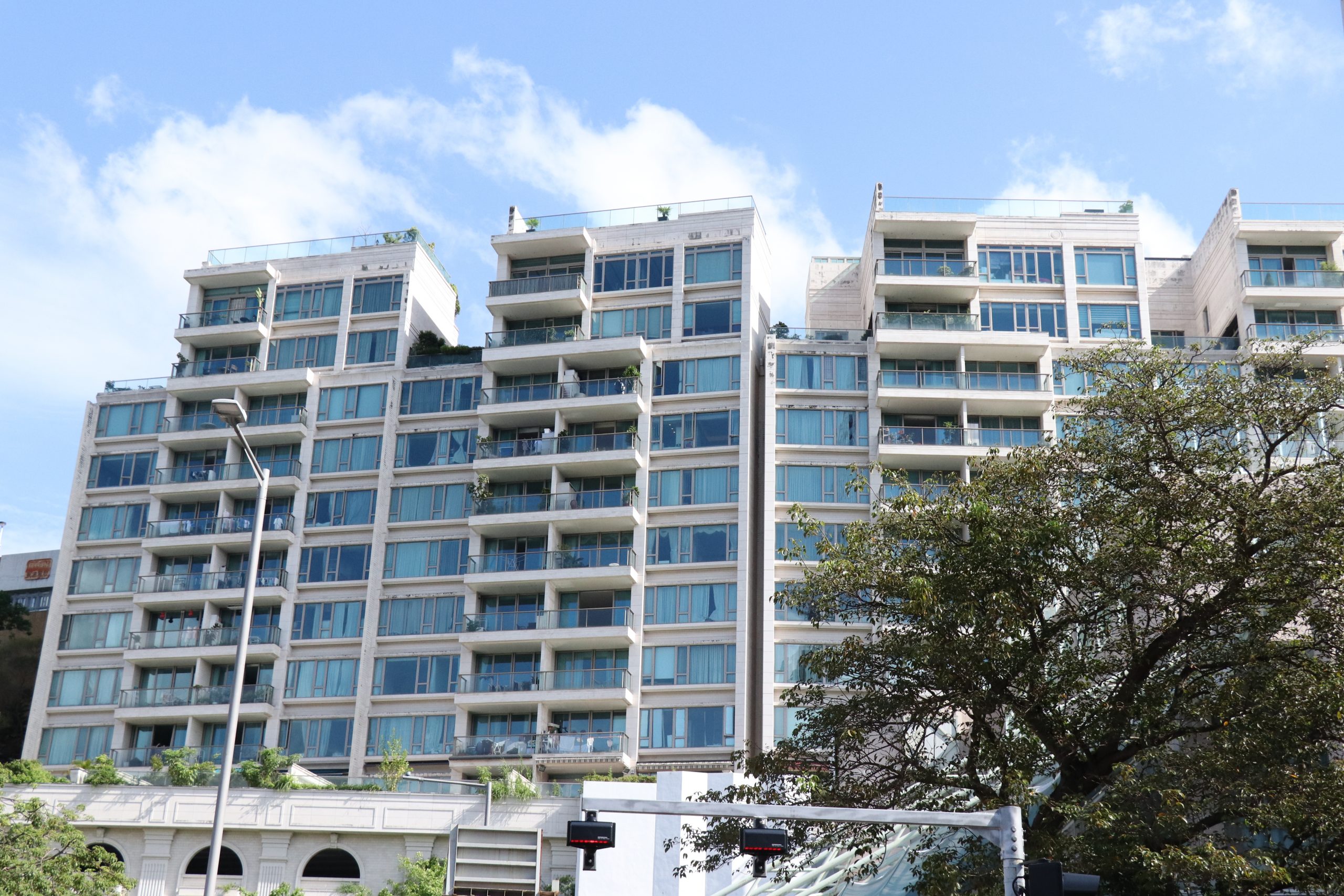
This year’s edition of international housing affordability from Demographia, an international agency focusing on public policy analysis, showcases that Hong Kong has been the least affordable market for the 14 years since its inclusion, with the median multiple of 14.4 in 2024.
The number of vacant private residential units reached 57,900 last year, marking an 18-year high since 2006, according to the Hong Kong Property Review 2025.
《The Young Reporter》
The Young Reporter (TYR) started as a newspaper in 1969. Today, it is published across multiple media platforms and updated constantly to bring the latest news and analyses to its readers.
Policy Address 2025: More patriotic education on the 80th anniversary of Chinese WWII victory
Key Highlights from Policy Address 2025


Comments