
Joey Li's dream of studying in Hong Kong is confined to a 10-square-meter room barely larger than a parking space.
The 21-year-old undergraduate from Guangdong, who majors in Integrated Communication Management at Hong Kong Baptist University’s College of International Education, paid HK$4,000 monthly for this partitioned corner in a shared 30-square-meter apartment.
She shares this apartment at a cost of HK$15,500 a month with two other roommates, each of whom has a private bedroom.
The sacrifice is a loss of privacy, where she is constantly accompanied by the noises of roommates cooking or using the bathroom.

"It makes me feel bad, but I have no choice," Li said.
To save more money, she mainly cooks at her residence and resorts to McDonald's and frozen food.
Li is one of nearly 89,000 non-local students studying in Hong Kong, a number set to grow dramatically as the government pushes its “Study in Hong Kong” brand. Non-local student quotas have been doubled by 40% and are set to hit 50% next academic year.
However, the city’s eight top universities are only offering about 42,000 dormitory places. This severe shortage forces the majority of non-local students into the private rental market, where soaring demand squeezes prices in university-adjacent districts like Shatin.
According to the University Grants Committee, all full-time UGC-funded undergraduate students are only eligible for one year of on-campus housing during their studies at universities.
Starting from the second year, both non-local and local students must apply for on-campus accommodation, with allocation subject to a screening process. The school considers factors such as commuting time, academic performance, and participation in student activities when assessing applications, according to the official websites of HKBU, CUHK and HSU.
For postgraduate students, on-campus housing is not guaranteed, especially when the number of applicants exceeds available places.
At institutions like CUHK, housing priority for non-local postgraduates is determined by lottery, while for local students, it is based on commute distance.
Shatin is a popular rental destination for non-local university students as it is only one MTR stop away from CUHK and HSU, and two stops away from HKBU, with lots of shopping malls and supermarkets.
Rachel He, 21, an HKBU student majoring in Innovative Healthcare, chose to live in ShatinPark, a private residential area, because of its convenience.
“There is a beautiful view of Shing Mun River. And I can go for running exercises by the river with my friends,” she said.
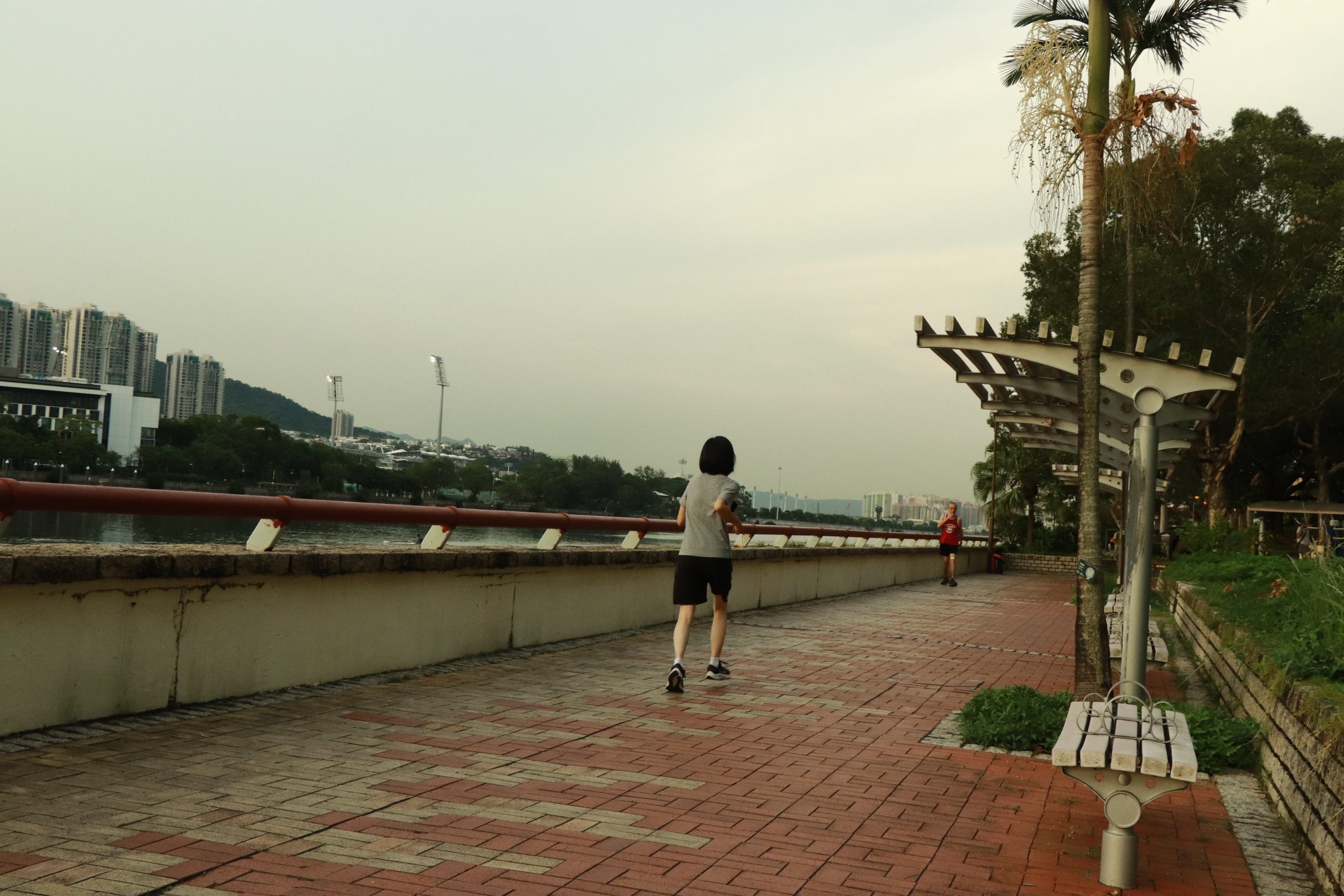
Terence Chong Tai-leung, an economics professor at the Chinese University of Hong Kong, said Shatin rental prices will keep climbing in the next five years, influenced by the “Study in Hong Kong brand” and US-China Trade 2.0.
“The instability of US visas under the US-China Trade 2.0 is redirecting more international talent to Hong Kong,” Chong said.
“This influx is keeping demand for rental properties in Hong Kong rising, which will continue to push up housing prices.”
According to the data released by 28Hse, a Hong Kong real estate website, the rent in Sha Tin shows a sharp rise during the rental season this summer, climbing from HK$15,129 in July to HK$16,434 in August amid trading volume surges.
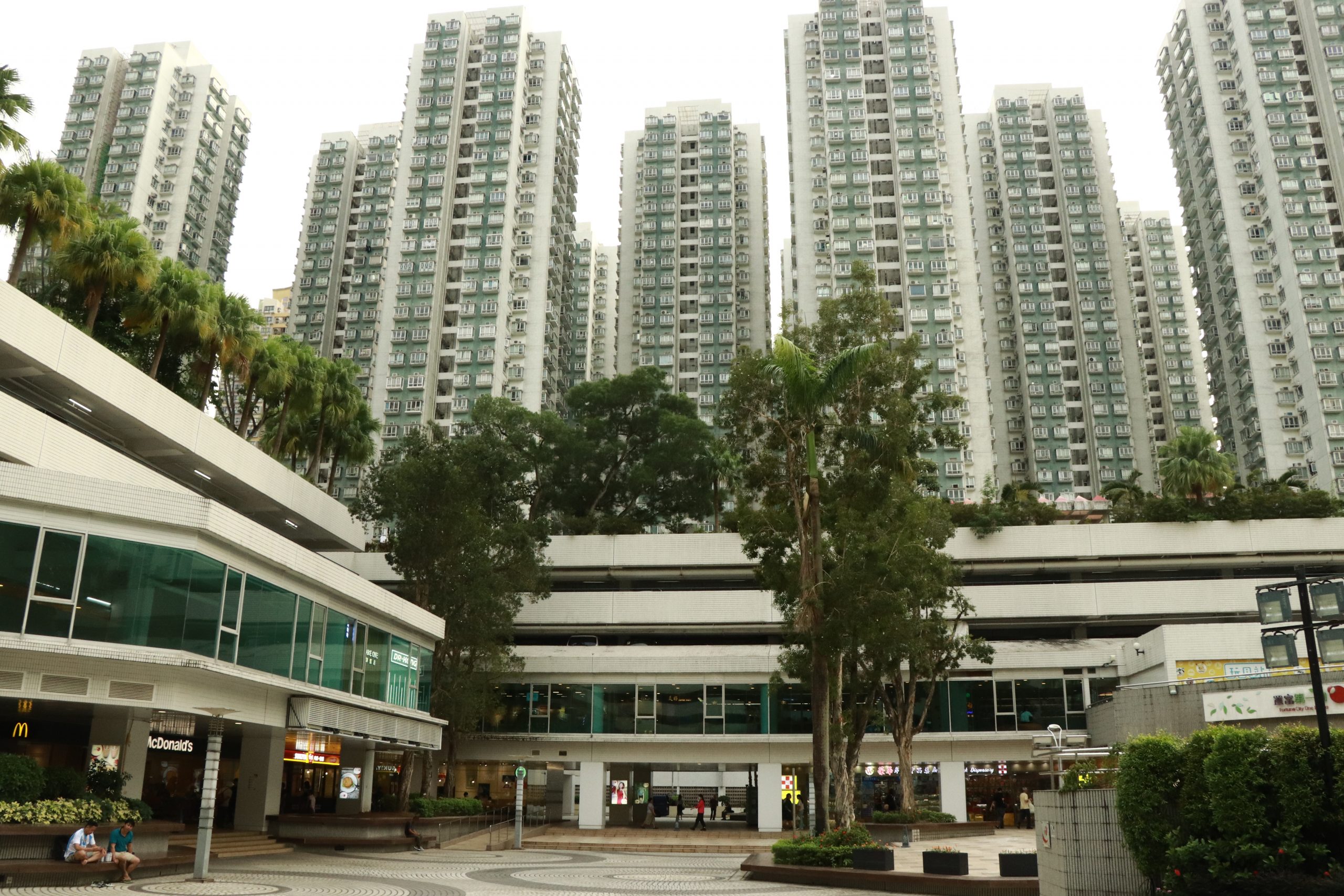
“As a result of climbing rental prices, non-local students who are facing greater financial pressure are forced to rent off-campus, even choosing more distant suburban areas such as Fanling or commuting between Hong Kong and Shenzhen,” Chong added.
Due to high rents, some students opt to commute from Shenzhen to Hong Kong.
Adjani Luo, 26, a postgraduate student studying Chinese at the Hang Seng University of Hong Kong who also missed out on campus dormitories, opted for a 1.5-hour commute between Hong Kong and Shenzhen, attending classes four days a week, living in Melin, Futian district.
“My monthly rent is 3000 yuan, which is about 5000 yuan lower than the price of a single room in Sha Tin I looked at before,” she said.
"Living in Shenzhen also reduces food costs, with dish quality generally matching their price."
Faced with this widespread pressure, the government has streamlined the application process in relation to planning to encourage the market to convert hotels and other commercial buildings into student hostels, according to the 2024 policy address.
Universities around Shatin are collaborating with real estate developers to open more off-campus housing, providing students with more options and freeing them from the burden of high rents and long commutes.
For example, CUHK introduced their first university-endorsed off-campus accommodation, Parkwood in 2024. Developed and managed by Henderson Land, it offers double, triple and quadruple rooms with prices from HK$5,335 to $5,950 per month per bed.
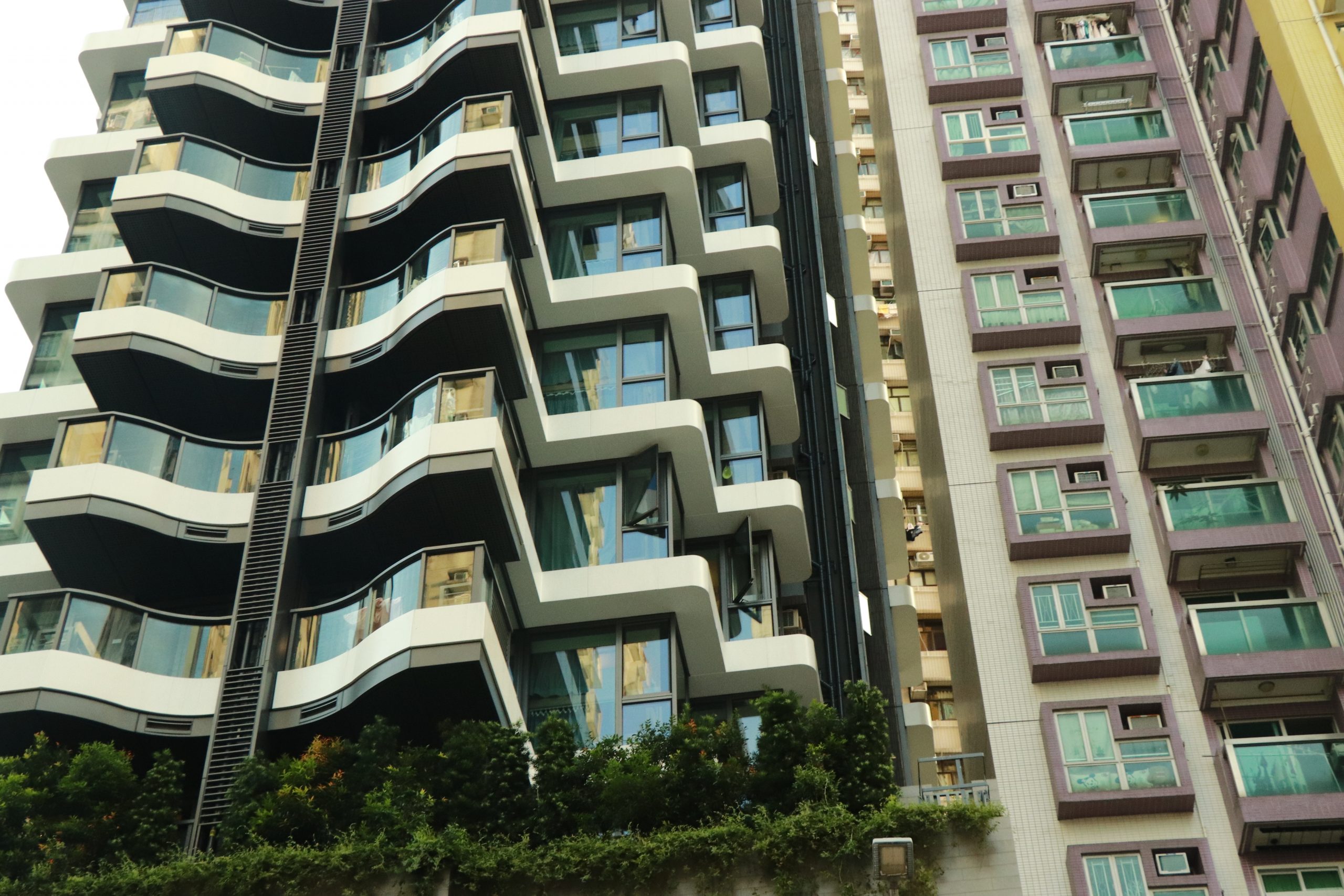
CUHK admitted 18,438 undergraduate students and 4,650 graduate students in 2024, offering 8,342 on-campus dormitories for undergraduate students and 1,462 on-campus dormitories for postgraduate students.
JaelliBean Shao, 23, a master student at CUHK, couldn't get a place at an on-campus dormitory because of limited quotas and chose to pay HK$5000 per month for a four-person room in Parkwood. CUHK collaborates with Henderson Land Development on a residential project.
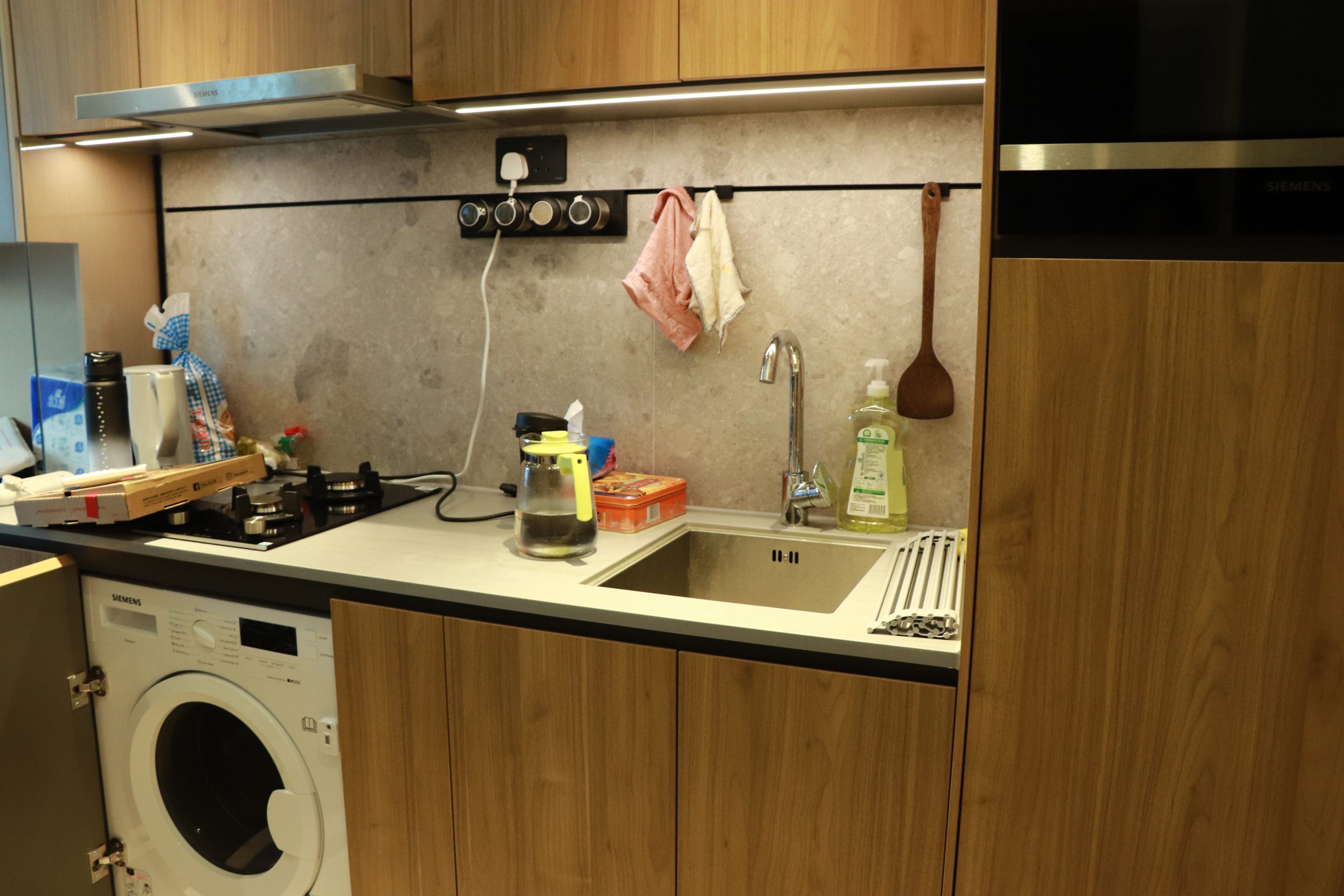
“The price at Parkwood is not much cheaper than renting an off-campus apartment,” Shao said, adding that he had considered a double room at Hilton Plaza, another private estate in Sha Tin, for just HK$1,000 more.
The location also presents a challenge. Shao said his commute involves a seven-minute walk to Tai Wo MTR Station, followed by a train ride and a transfer to a university shuttle bus, taking approximately 30 minutes in total.
“It is not particularly close to the university,” he added.
Yet, Shao said the benefits of living in Parkwood are that it brings students together and holds regular dormitory activities.
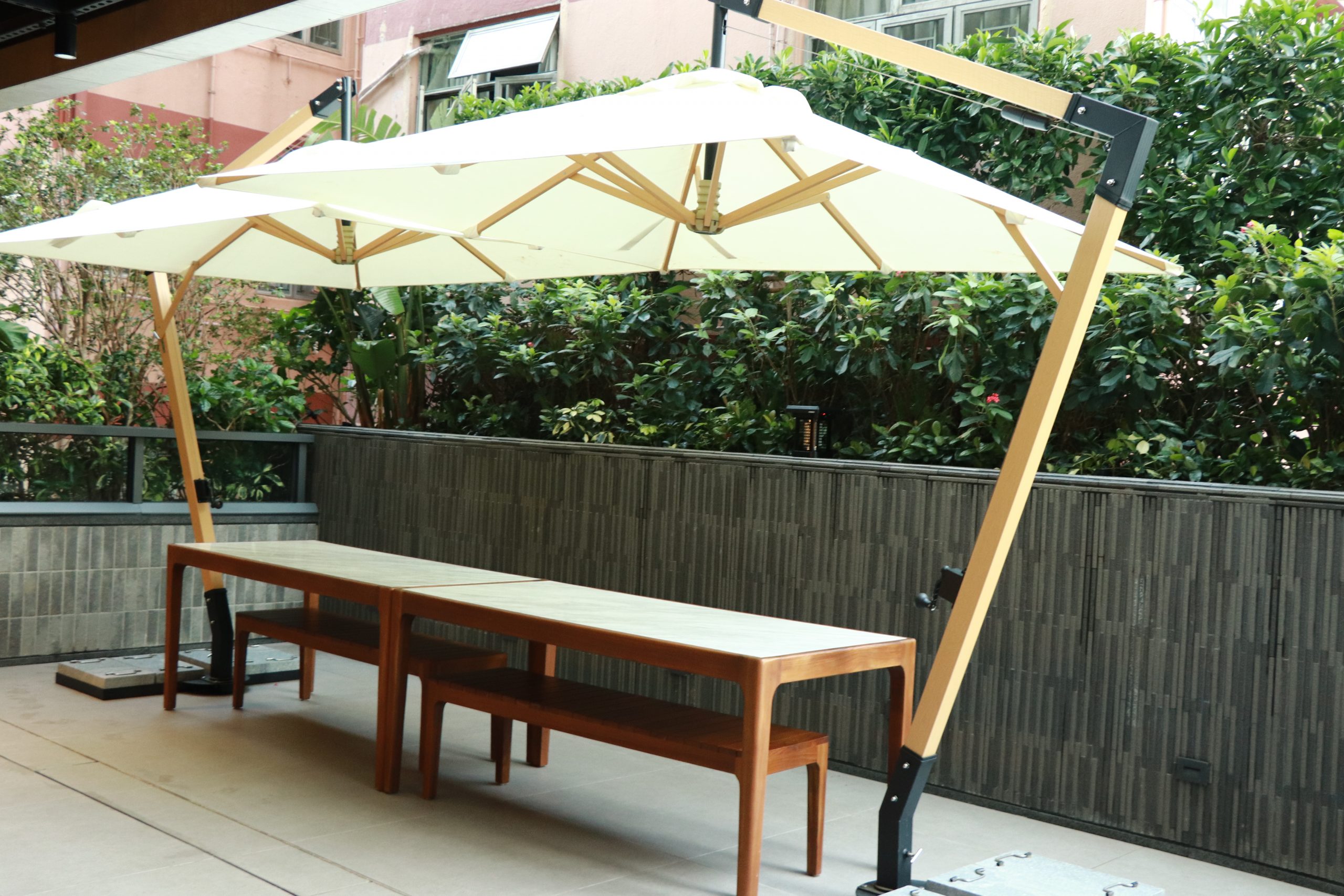
“The dormitory held a mooncake-making event during the Mid-Autumn Festival this year. Although I didn't participate, when I passed by, I felt the homely atmosphere of reunion and joy and tasted some delicious mooncakes,” he said.
In 2025, HKBU introduced a new on-campus dormitory, namely - The Village Care- providing 1,700 dormitory places. It also launched a Local & Non-local pairing scheme that greatly increased the probability of non-local students obtaining on-campus accommodation.
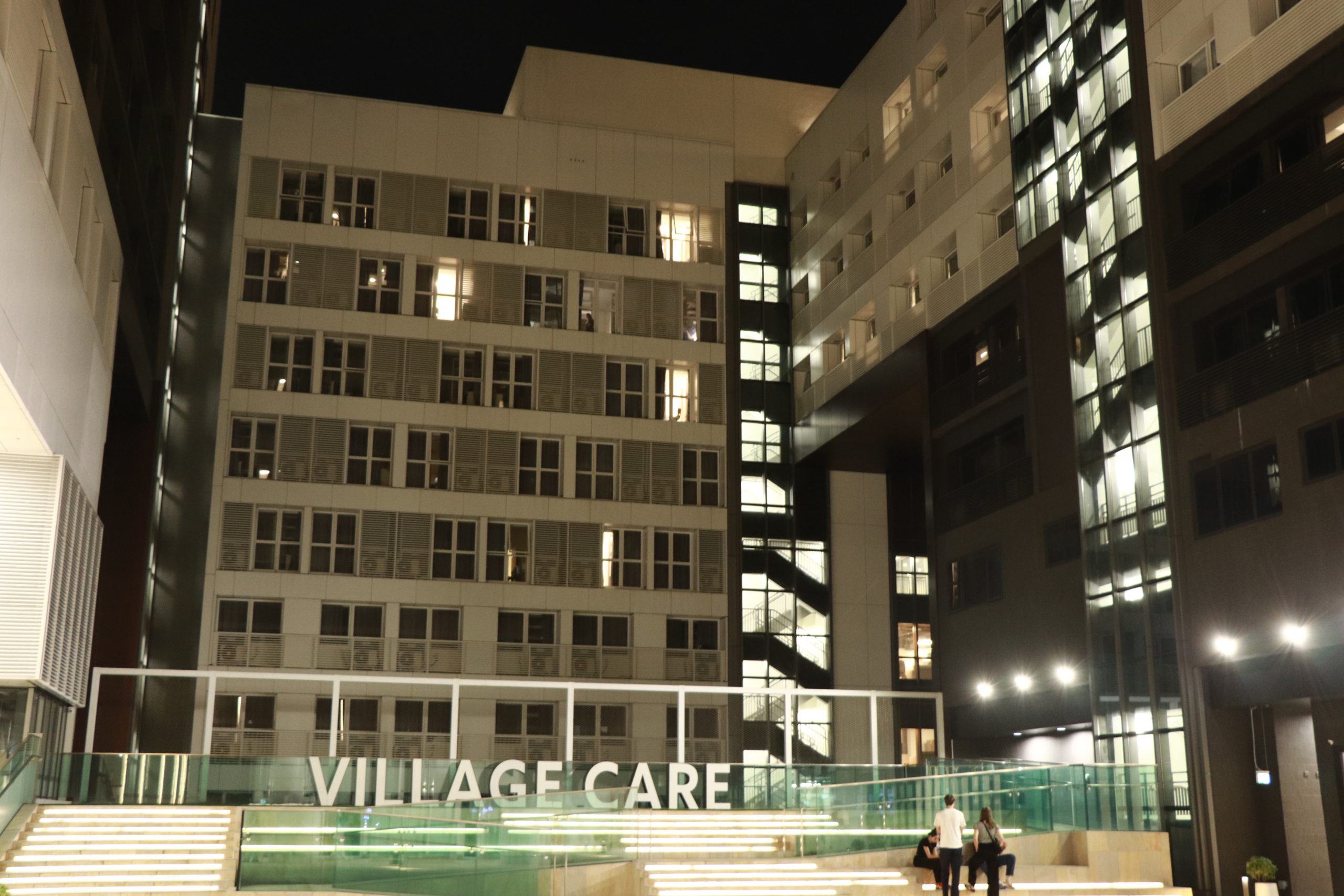
A spokesman from the HKBU Student Accommodation Section said 30 to 40% of the VC residents are local students.
The spokesman said their website also provides information on off-campus housing and students can contact the housing agency directly for details.
“If students have difficulty in funding or communicating with an agency, we may offer help to them,” the spokesman added. “And we are seeking further collaboration with off-campus housing providers to obtain suitable off-campus housing for our students.”
However, these measures aimed at alleviating the pressure on non-local students have sparked new dissatisfaction within the local community. Legislative Council member Wendy Hong Wen said in a Q&A session of the guided tour event of the Legislative Council.
“Some universities give higher priority to non-local students when allocating publicly funded dormitories, which is unfair to local students,” she added.
“In fact, against the backdrop of the housing crisis in Hong Kong, many local students come from extremely crowded families and also long for a place to improve their living environment,” Hong said. “When I was studying at the University of Hong Kong, I also lived in a subdivided unit near the school, and I deeply understand the difficulties faced by students.”
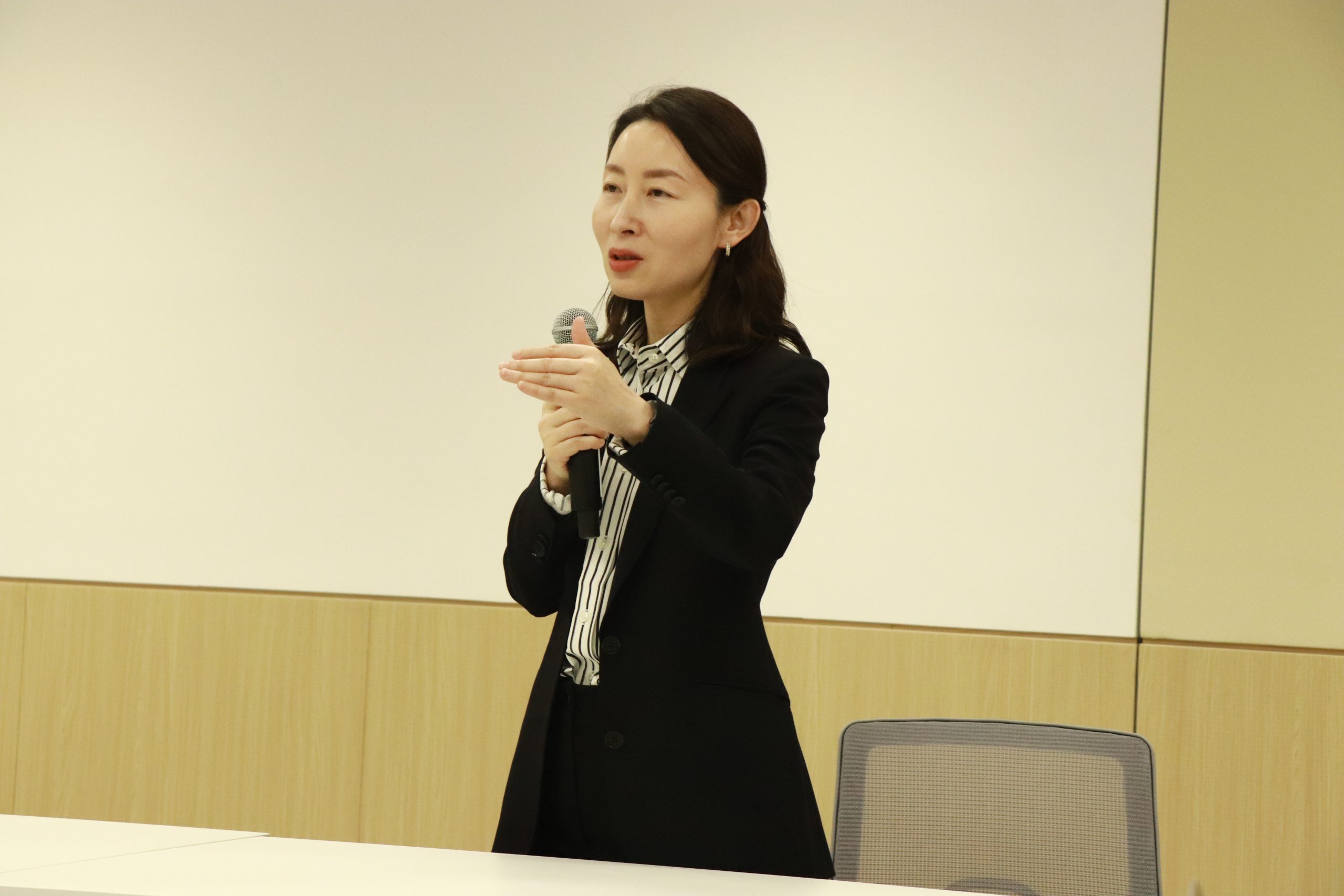
She admitted that the government's Northern Metropolitan Area University City plan is too far away to alleviate the shortage of college student dormitories, and called for the immediate conversion of more vacant commercial buildings into dormitories.
However, despite this, Shao's voice may represent the true wishes of most students.
"I still want to live in the on-campus dormitories, where I can participate in the unique cultural activities of different colleges and feel a stronger sense of community belonging.”
《The Young Reporter》
The Young Reporter (TYR) started as a newspaper in 1969. Today, it is published across multiple media platforms and updated constantly to bring the latest news and analyses to its readers.

From street to stall: How Kwun Tong’s evicted hawkers fight for survival

Advocate pushes Hong Kong to see refugees with compassion amid global backlash


Comments