
Beneath Kwun Tong's gentrified Yue Man Square lies a descending escalator that leads one to a ghost market. Despite bright lighting and air conditioning, the Yue Man Hawker Bazaar is drawing only a handful of visitors each day to the basement market selling household supplies.
Off-seasoned pyjamas and bath towels are seen hanging on store fronts where shop owners idled by, barely making any sales.
This is a stark contrast to the former street vendors who used to huddle up in the heart of Kwun Tong’s hustle and bustle while making a living to sustain their families.
Since 2021, more than 100 stalls have been relocated to the Yue Man Hawker Bazaar, which was designed to support hawkers’ livelihood. But they complained that its hidden basement location and a surging popularity with online sales have made their businesses no longer sustainable.
Although there are efforts to revive the market, its once-vibrant atmosphere was killed in the process.
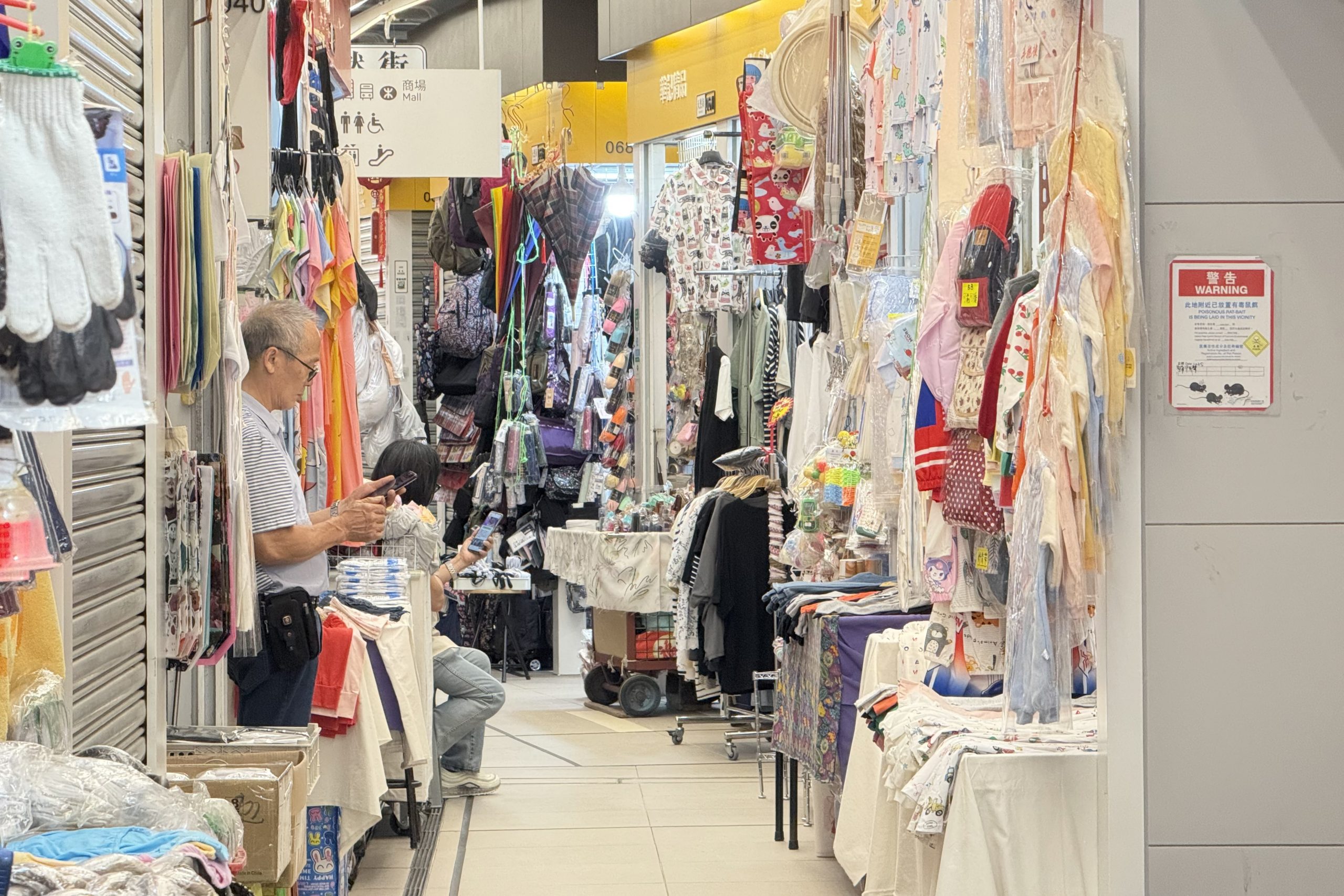
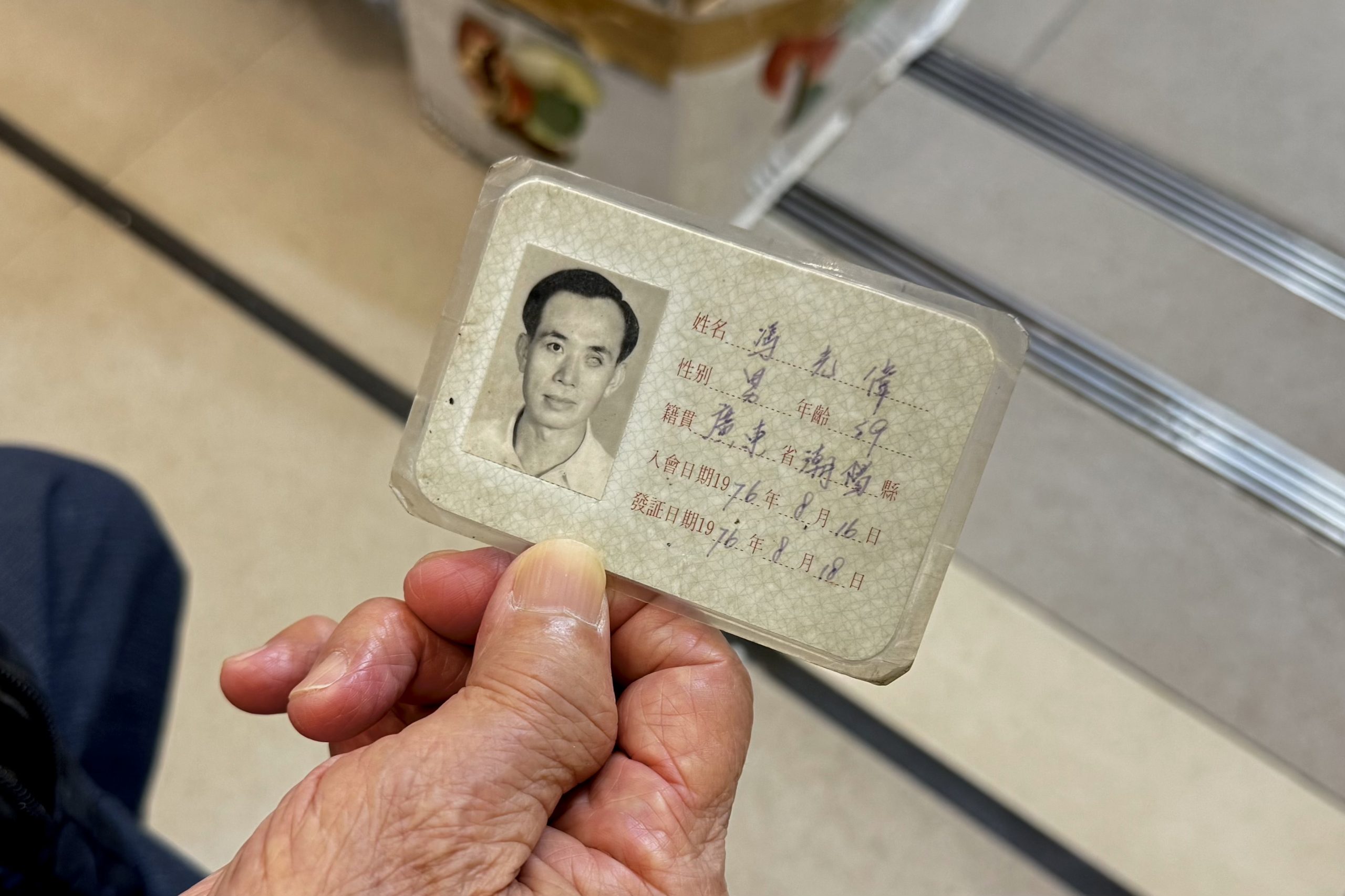
Fung Kwong-wai, 88, is a stall owner in Kwun Tong who has been selling mostly pyjamas for all ages for over 50 years.
“I can only make a hundred dollars a day. It is not enough, as even lunch now costs at least HK$40,” said Fung.
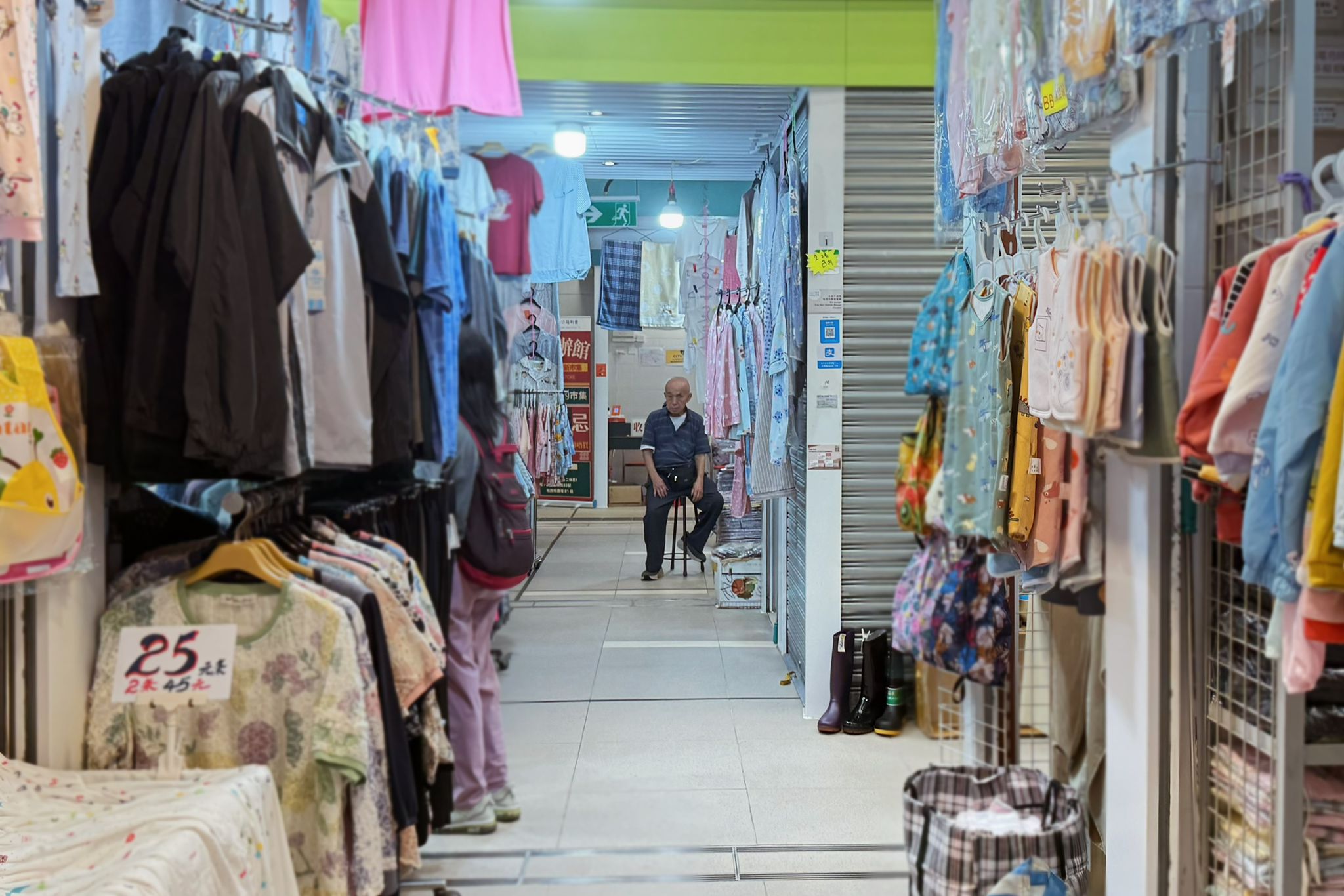
Many hawkers, like Fung, face a similar situation at Yue Man Hawker Bazaar.
“No one comes here except for some neighbours occasionally,” said Janet Chan, 50, another old stall owner who sells daily items including combs, hair ties and pouches at the bazaar.
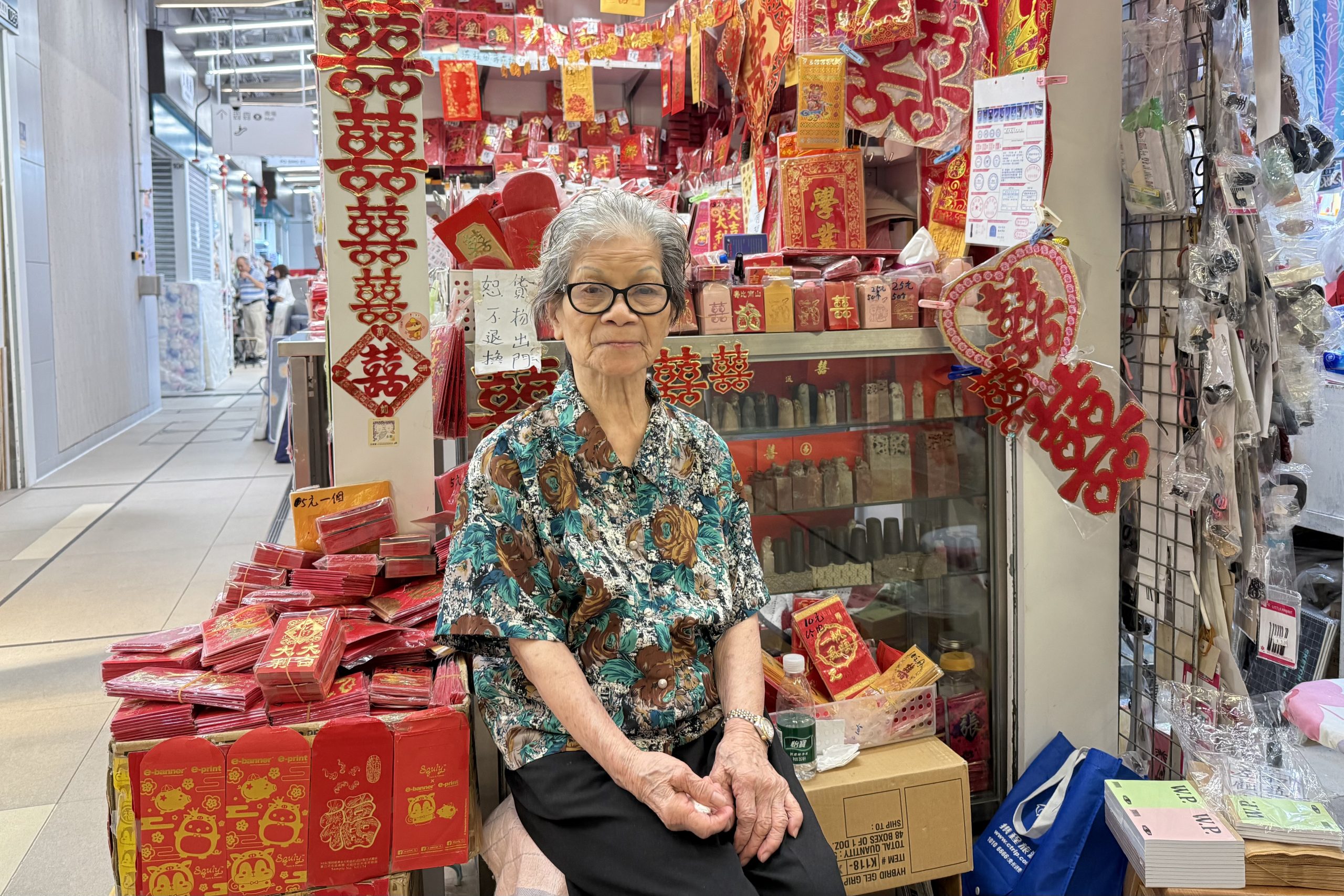
Lau Sze-ying, 80, has been an owner who sells Chinese New Year couplets and red pockets for over 50 years.
“Half of the day goes by, and only two to three people out of every 10 people who take the escalators down may buy things here. Most of the people who come are usually not to buy, rather, to use the toilet here,” said Lau.
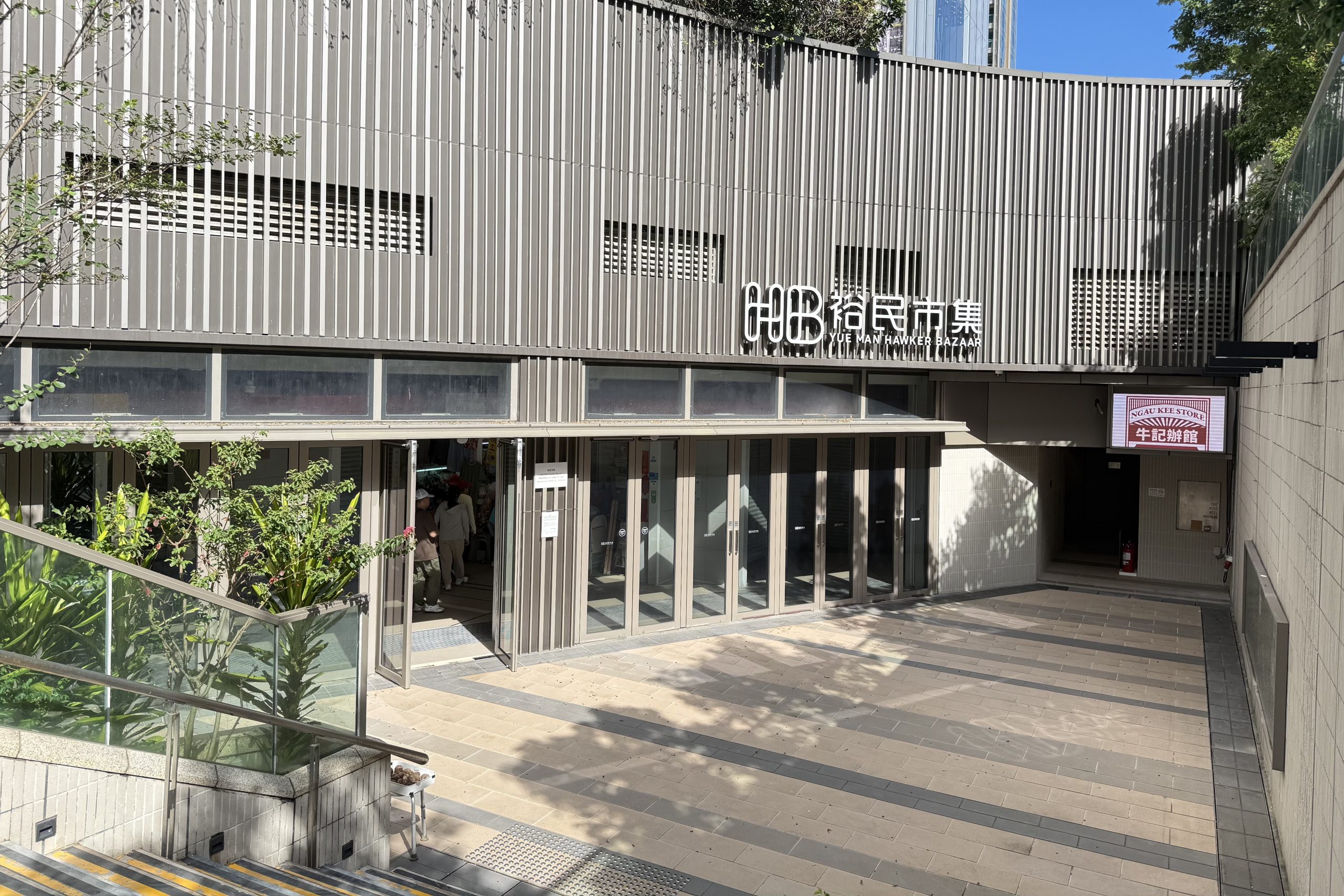
In 2021, over a hundred licensed fixed-pitch hawkers at the Tong Yan Street Interim Hawker Bazaar were relocated to Yue Man Hawker Bazaar, which was opened under the redevelopment programme led by the Urban Renewal Authority.
The redevelopment goes under Yue Man Square’s renewal plan, which provides more innovative and smart facilities to enhance residents’ quality of life. Hawker Bazaar now serves as a permanent market for vendors stationed at the former temporary small town on Mut Wah Street and Hip Wo Street, with no rental fee for the first five years, said the owner Chan.
Fung recalls his old life on the street.
“In the past, I set up stalls on the street with my wife. It is undeniable that the work was very hard as we were exposed to the wind and rain, but we made a lot of money from the coming and going of people,” said Fung.
The move in 2021, part of a government redevelopment program, which once promised a more upscale operation, however, has sent their business to a desperate deep-end.
“The location is too hidden, and I have no customers,” he added.
Markets help build strong connections between neighbourhoods in Hong Kong. From the delicious food at Temple Street Night Market to the casual clothes and shoes at Ladies’ Market, they showcase the city’s unique street culture.
But for other markets like this one, moving from selling on the street to inside a building has become inevitable.
Lau Chi-pang, a member of the Legislative Council, said that it is a natural transformation in today’s business conditions.
“A more modernised environment, with fixed stalls and better lighting, can provide a higher quality of sales,” he said.

He said it is not the hawkers’ fault that their businesses are struggling, but the changing consumption behaviour, particularly the rise of online shopping.
“Taobao’s products can be delivered to people’s doorsteps and are a lot cheaper. It is so convenient that fewer people want to shop outside, especially at hawker markets,” said the owner Chan.
“Customers’ habits have changed due to the overall environment. No matter how much the government promotes hawker markets, it will not help a lot because it cannot change the current situation,” said the legislator Lau.
“All physical stores need to find their own ways to fit the current market,” he added.
Some organisations are trying to help. From last December to this March, the local non-profit creative Good Lab ran Market for Good, an entrepreneurship program that brought about 20 young vendors into the Bazaar, aiming to establish stronger community connections and bring more customers
“But I feel like the area of Market For Good and where the old vendors are set up are completely two different worlds,” said Audrey Chan, 25, co-founder of Brake Corner, one of the new stores in the initiative.
“I feel so helpless as I think this project cannot help the old stall owners at all,” she added. “People passing by don’t bother to look at the older shops, let alone buy anything from them.”
Kowie Chan, 52, founder of Guidetor, is aware of the current decline of the city’s market development as she has participated in many booth events around Hong Kong, including the “Market For Good.”
“There is no promotion at all, people do not know about the great products here,” she said.
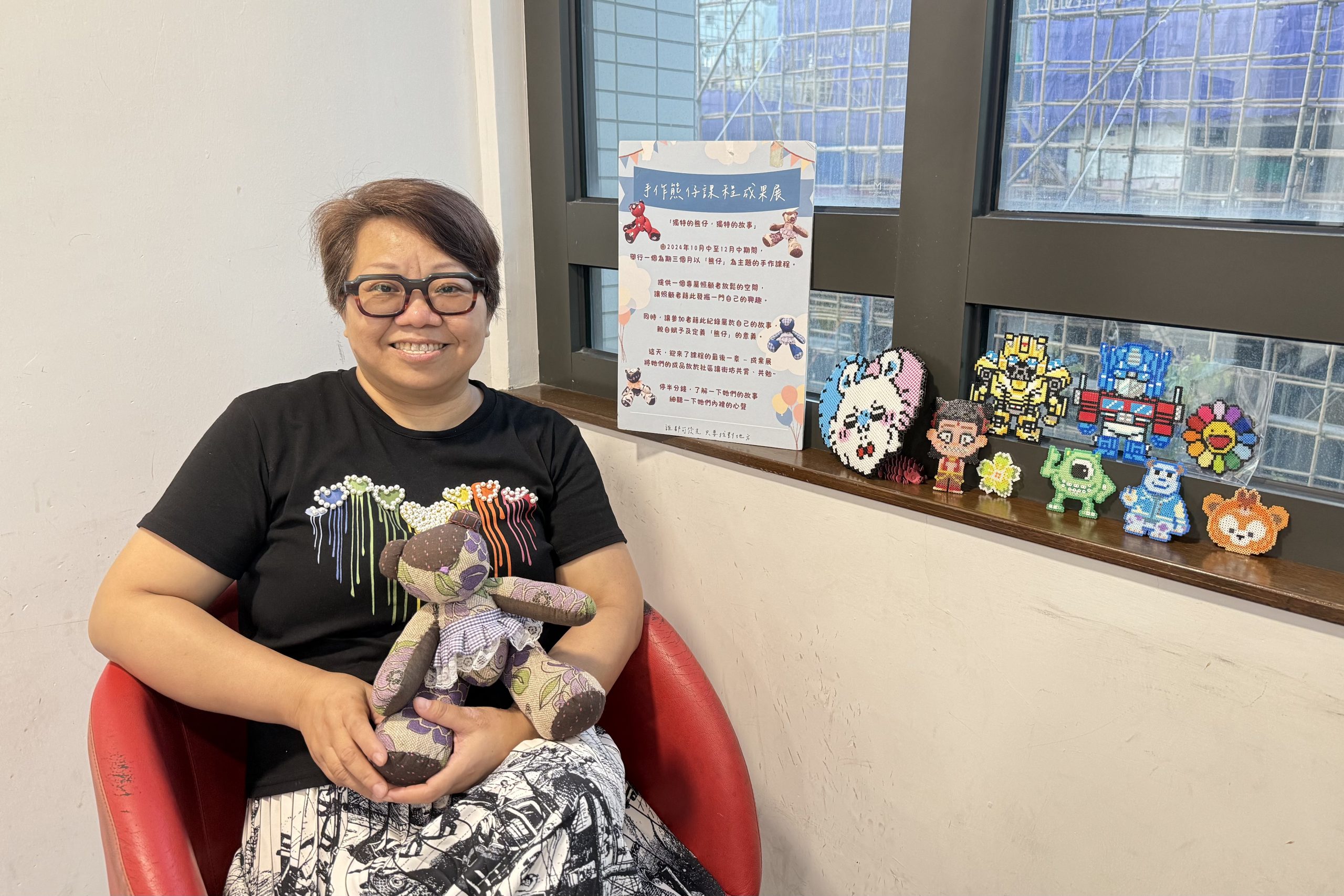
She said that holding workshops is also a good way to attract more new customers, especially children.
“This market no longer has the bustling atmosphere that the street market once had,” said Ng Oi-ling, 87, a stall owner who has sold stationery in Kwun Tong for over 50 years.
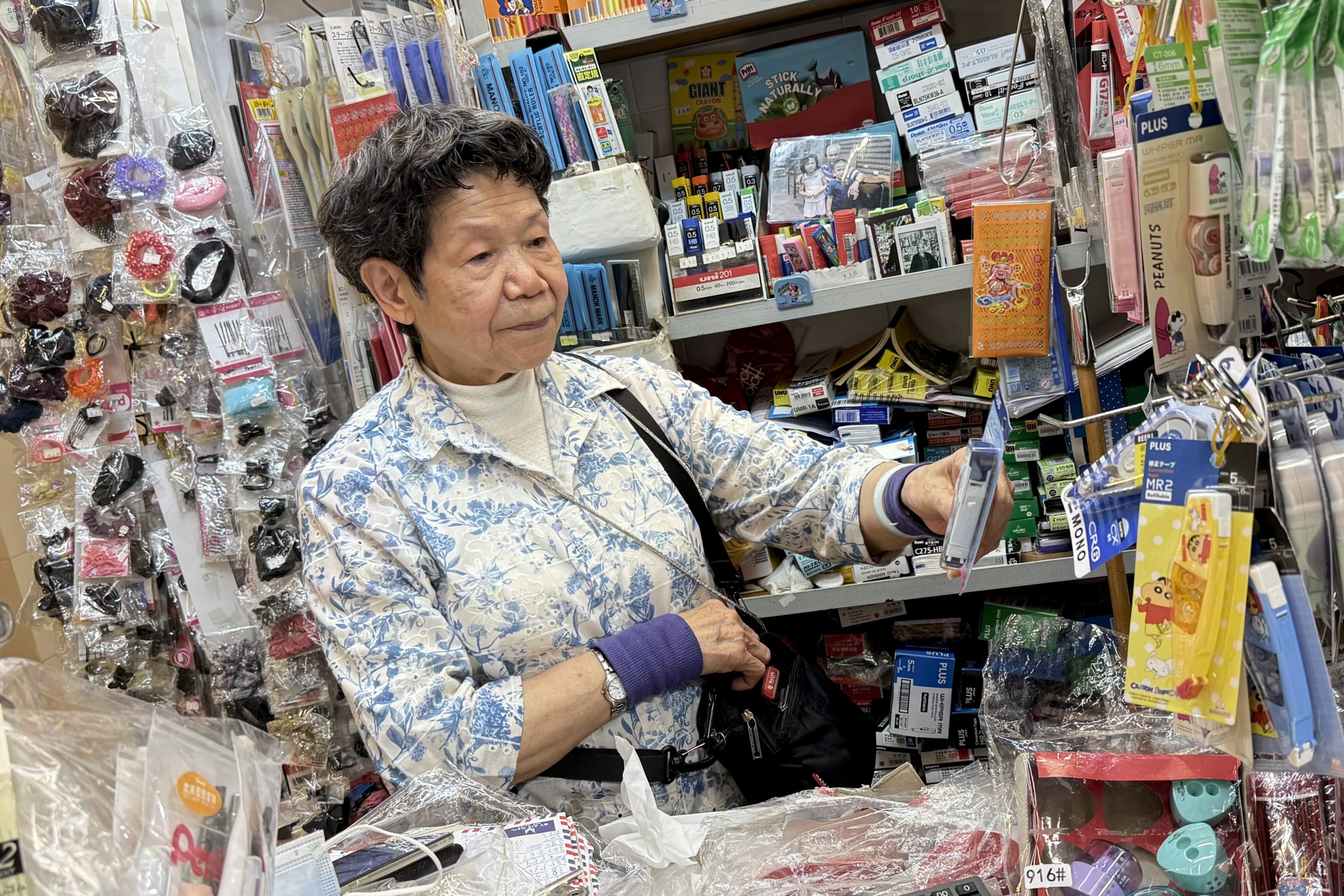
“I have been running my stall for fifty years, and I have never seen it as miserable as it is now. Even if the government is trying to help us, I do not see any sign of recovery,” said the owner Lau.
“To keep the market going, we need to find ways so that we can keep maintaining a warm and welcoming environment, and the sense of intimacy that once existed in the hearts of Kwun Tong residents can be preserved,” said Ng.
《The Young Reporter》
The Young Reporter (TYR) started as a newspaper in 1969. Today, it is published across multiple media platforms and updated constantly to bring the latest news and analyses to its readers.

Hong Kong Eco Expo Asia 2025: Cost concerns shadow ESG push as Hong Kong firms seek greener image
Shatin hostel scramble, housing quagmire under Hong Kong's policy of expanding non-local student enrolment


Comments