
Labubu powers Pop Mart’s revenue, but can it last?
- By: LAI Uen Ling、SIU Tsz HangEdited by: Robin Ewing
- 2025-11-25
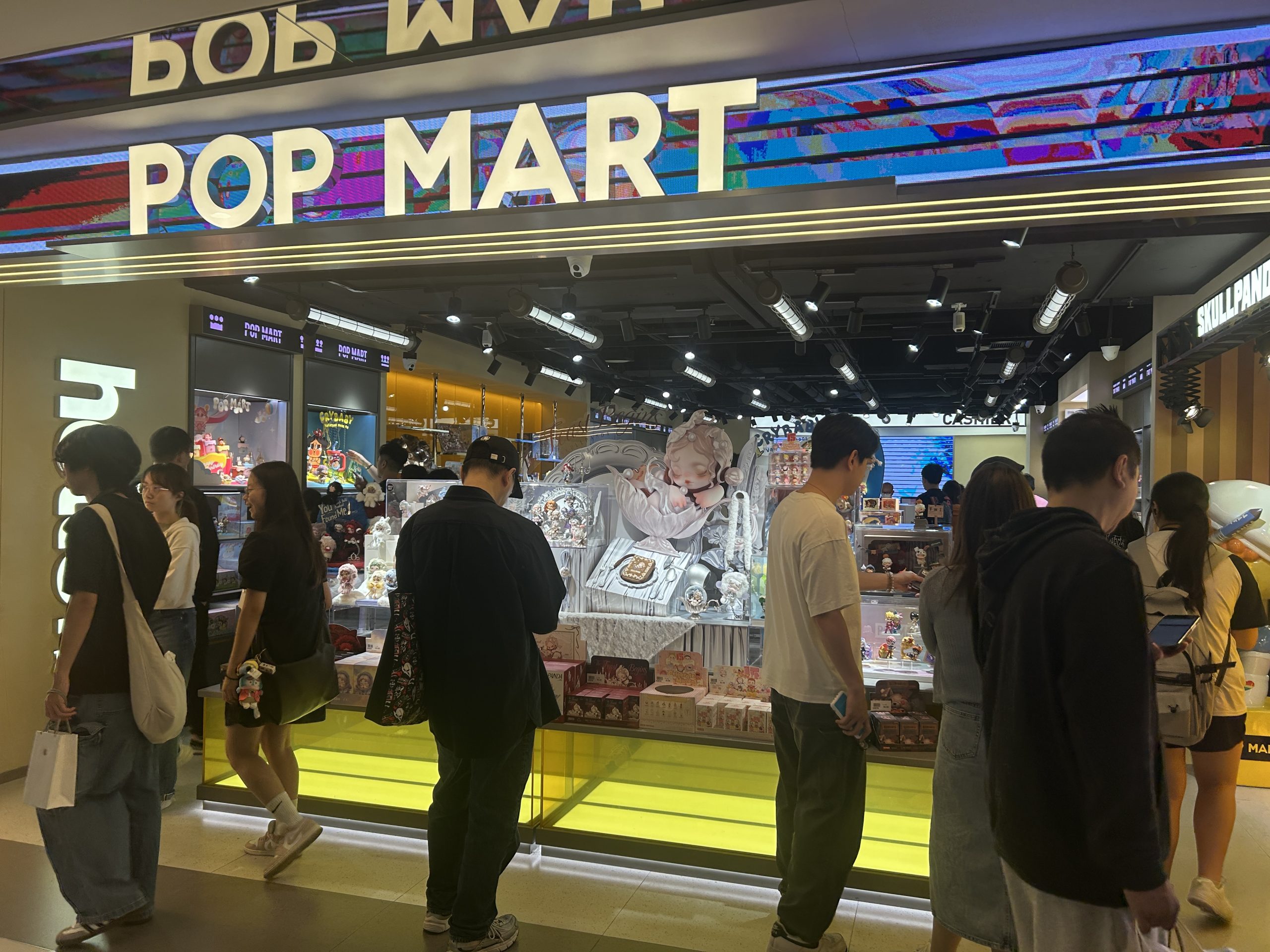
Yoko Chan, 35, a clerk, wearing a Labubu T-shirt and a pink Labubu charm on her handbag, wandered around a Pop Mart shop in Sha Tin. It is her weekly ritual to go to the store to look for new items.
Known for its high, pointed ears, mischievous grin, and serrated teeth, the small plush toy monster Labubu is one of the most popular products at Pop Mart, the leading Chinese toymaker with over 500 physical stores in over 30 countries and regions.
Since falling in love with Labubu in 2024, Chan has spent several thousand Hong Kong dollars on Labubu products. Labubu charms are her all-time favourite, and she has nearly 100 of them at home.
"Labubu has different looks. Sometimes they have clothes, or smaller in size, and even with festive decorations,” Chan said.
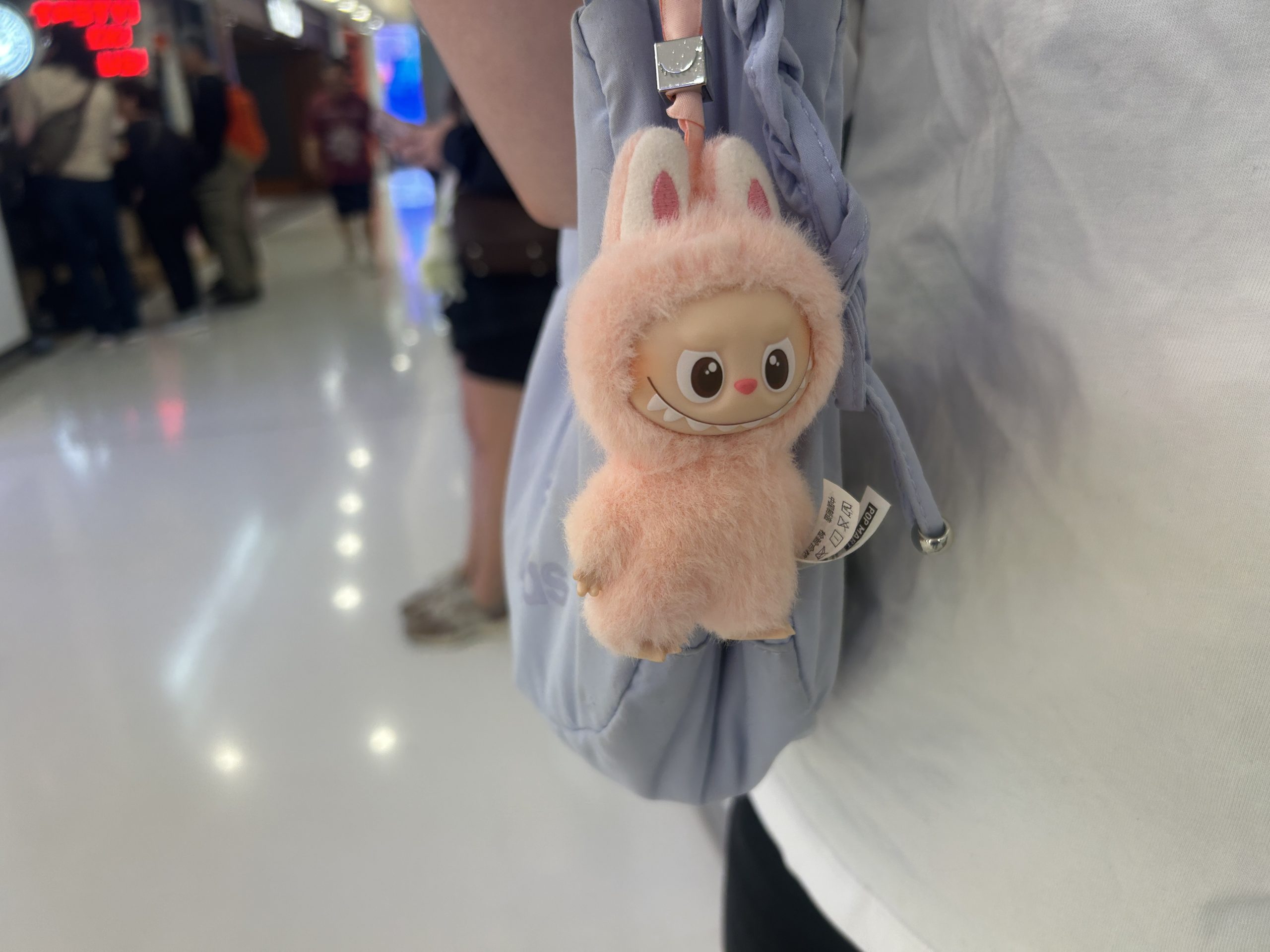
Chan is one of millions whose enthusiasm for the plushie toy helped push Pop Mart’s revenue up 250% this year, according to company data. But a recent share price drop shows that interest may be declining, and experts say the company needs new strategies to sustain investor confidence.
In the Asia-Pacific region, Pop Mart’s revenue rose by between 170% and 175% compared to the same period last year.
Despite the strong revenue growth, Pop Mart’s share price had fallen by 18.5% as of Nov. 6, following the release of its revenue figures on Oct. 21.
Designed by Hong Kong-based illustrator Kashing Lung, Pop Mart started selling Labubu in 2018 and it went viral in 2024 after K-pop star Lisa, who has 107 millions followers, showcased the bag charm on her social posts. Other pop singers, such as Rihanna and Dua Lipa, were also spotted with these fluffy creatures adorning their bags, which further sparked public curiosity about Labubu.
Pop Mart achieved revenue of US$861 million (HK$6.76 billion) from plush toys sales in the first half of 2025. This drove thirteen times higher than the previous year’s revenue and accounted for nearly half of its total revenue.
Pop Mart offers more than 43 characters, according to its website. Apart from collaborating with well-known intellectual properties, such as Harry Potter and SpongeBob, the company also develops original intellectual properties with independent artists, just like Labubu and the rising star Crybaby.
"I think Labubu looks pretty cute. I also like other Pop Mart’s characters, such as CryBaby and Twinkle Twinkle, but I still like Labubu more.” Chan said.
Chan said if she couldn’t get the specific Labubu look she wants from blind boxes, she would buy it from the secondhand market.
Blind boxes bring surprises, but customers are not guaranteed their favorite editions and the secondhand market has become an important source for collectors.
Some of the biggest platforms for reselling Pop Mart toys include eBay, Carousell, and local Facebook groups. For rare editions, like the secret version from the “Big Into Energy” series, prices on eBay range from some hundred dollars to HK$5,000.
Vincent Leung, 34, is a Labubu reseller who operates a luxury goods boutique in Mong Kok with his partners. He has been reselling for one year and sourcing Labubu figures from around the world for both wholesale and retail.
In an in-person interview, Leung said the demand for traditional luxury goods, such as watches and high-end bags, has declined in recent years due to reduced consumer spending power, while he saw Labubu has become “a new luxury good.”
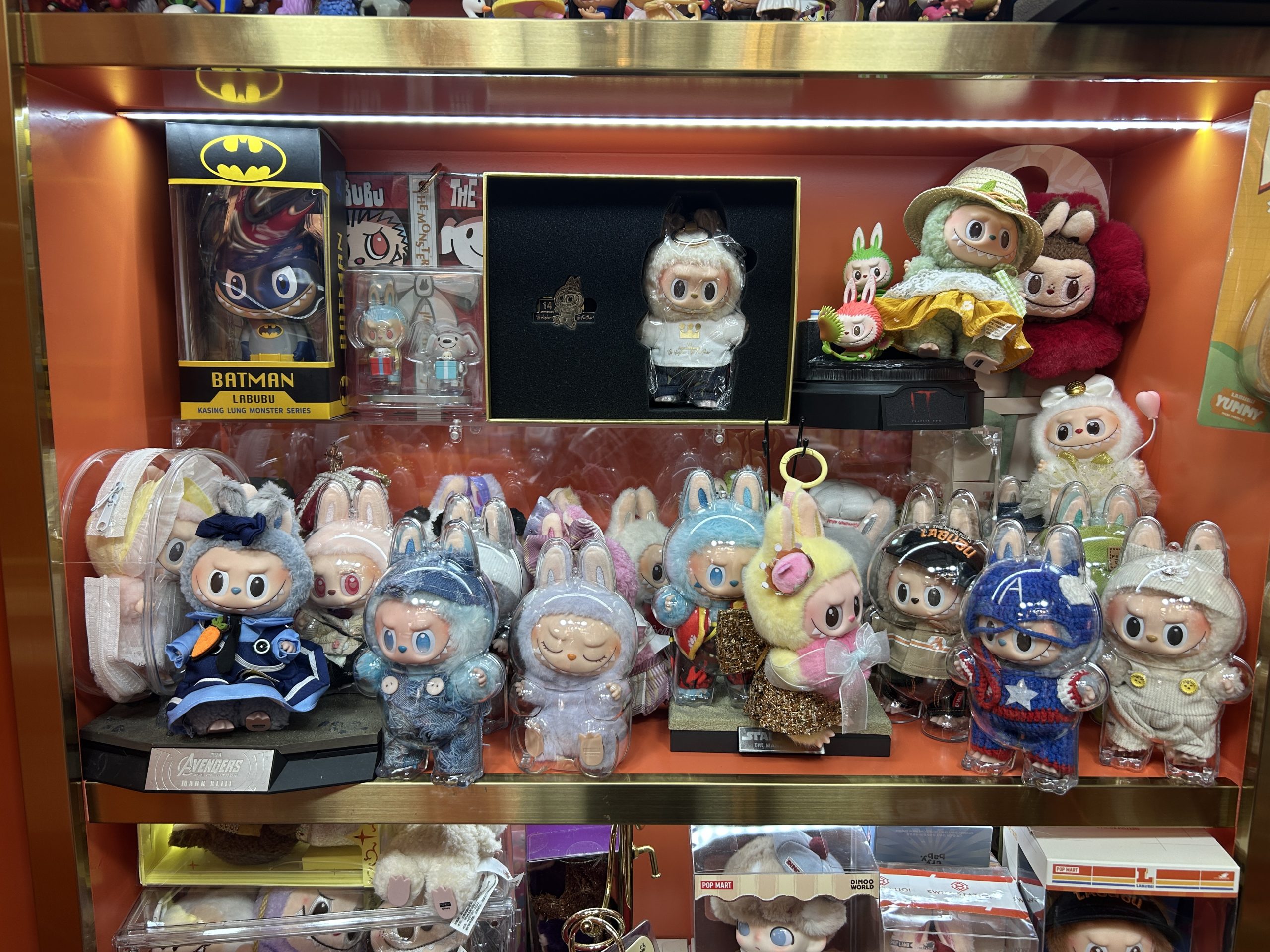
“The price of Labubu can vary, from a few hundred to a few thousand dollars,” Leung said, adding that the biggest Labubu’s deal he has transacted is about HK$30,000 for only several Labubu dolls.
As the shop mainly does wholesale, Leung said resale prices from his shop are set at 80% of the market price and the price has cooled down slightly as Labubu’s popularity continues.
“I haven’t seen the market price drop drastically because Pop Mart may not restock, or only restock a little. The demand for the rare and older Labubu models remains," Leung said.
Terence Chong, an economics professor at the Chinese University of Hong Kong in a video interview, said the core success of Pop Mart is about blind boxes, which involve gambling elements and keep people buying.
"Instead of relying solely on the character’s appeal, Pop Mart makes money profits mainly from its blind boxes sales strategy," Chong said, adding that the uncertainty of obtaining a limited edition or a favourite item increases customers' sense of pride when they finally get the figure they want.

Despite that Labubu’s collection has boosted over US$675 million (HK$5.2 billion) revenue in 2025, a 668% surge compared to the revenue of US$88 million (HK$684 million) in 2024, the company sees a 151% increase in its cost of sales compared to the previous year.
As the stock prices are generally reflected by the company’s profit, Chong said Pop Mart’s profits are declining as its cost of sales rises, leading to a plunging stock price.
“In the short term, the stock price might be pushed up due to strong growth expectations. But in the long run, all stocks have to rely on their profits to support the stock price,” Chong added.
While Pop Mart has reshaped Labubu into dozens of different versions has contributed to its success, with the launch of mini Labubu released on Aug. 28, Chong said relying on just one character may not be sustainable.
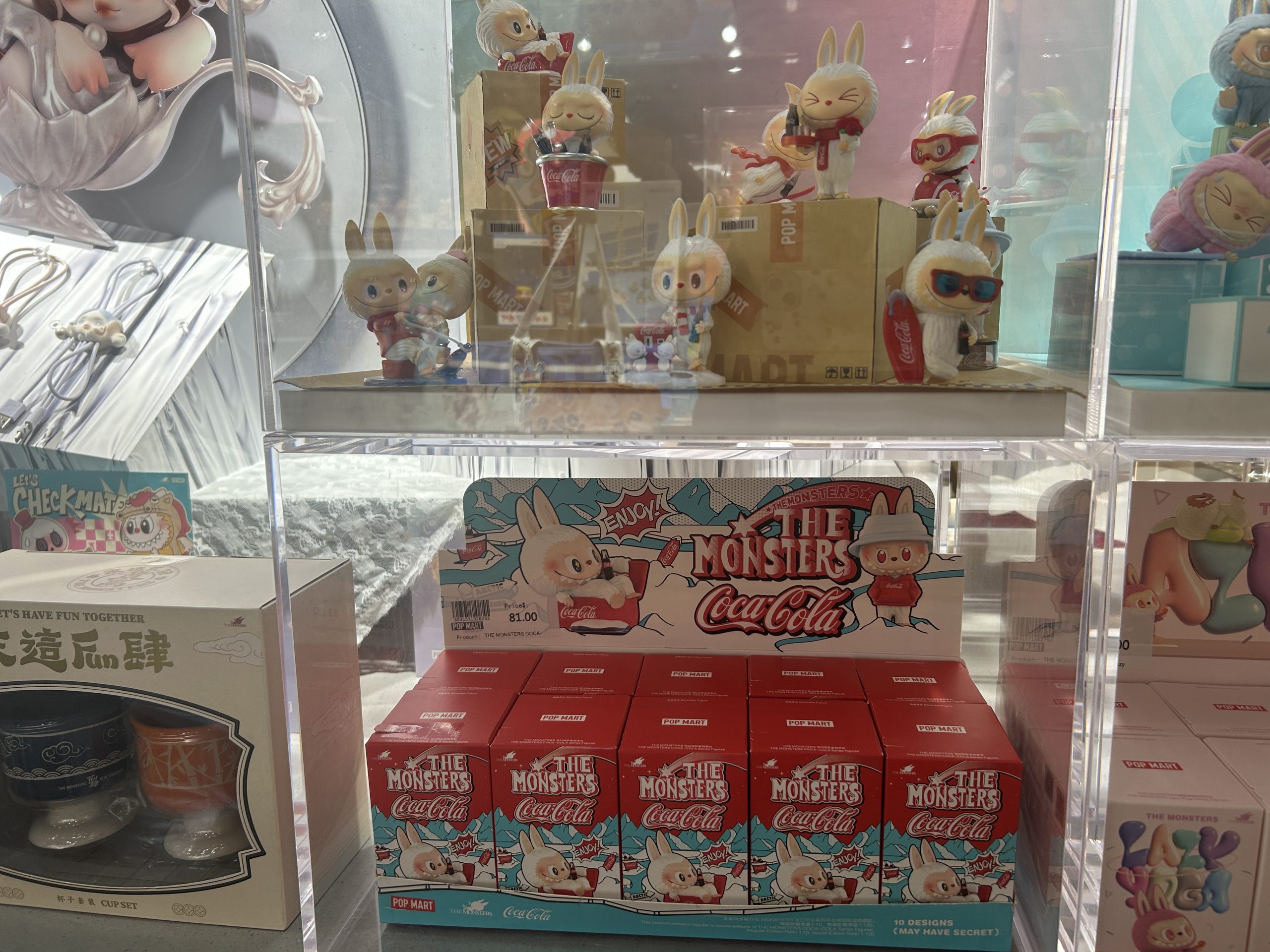
“There should be more diversity in its products and characters. Just like Doraemon has other family members,” he said.
“Right now, there are no movies and related media to expand its products, it’s just about the figure itself.”
《The Young Reporter》
The Young Reporter (TYR) started as a newspaper in 1969. Today, it is published across multiple media platforms and updated constantly to bring the latest news and analyses to its readers.

Super Typhoon Ragasa set the second-longest T10 signal in Hong Kong since 1999

At least 13 dead in Tai Po level-five fire


Comments