The MTR expansion with the Northern Link will open before 2034 and the Hong Kong-Shenzhen Western Rail Link the following year, Hong Kong Financial Secretary Paul Chan Mo-po said in the budget plan today.
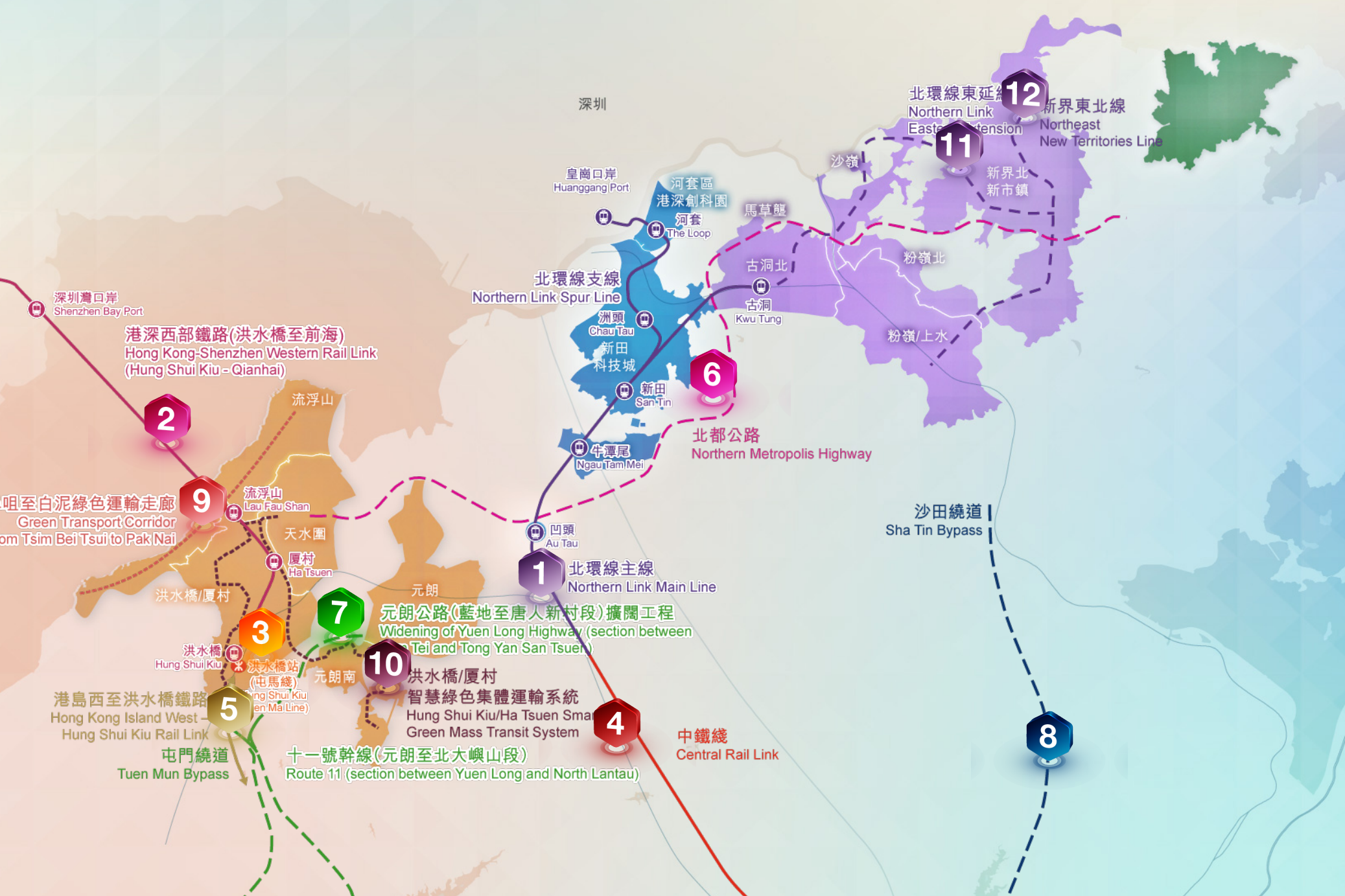
The Northern Link will be used to connect the Tun Ma Line and the East Rail Line and extends to the Huanggang Port in Shenzhen, while the Hong Kong-Shenzhen Western Rail Link will run to Shenzhen Bay Port. Both will connect to Shenzhen’s railways.
“The strategies will focus on public transportation, and promote the flow of people and goods within the Greater Bay Area,” Chan said.
MTR’s official website reports that the total passenger flow on the MTR border crossings is projected to be 106.673 million in 2025, which is the highest number in the past three years.
Chen Nga-Yau, 20, a local university student living on Hong Kong Island, travels between Shenzhen and Hong Kong once every two weeks.
Chen said Lo Wu and Lok Ma Chau MTR stations are especially crowded on weekends and holidays and sometimes she has to wait for 30 minutes to return.
“If I want to go to Bao’an District in Shenzhen, I need to change two modes of transportation to get to Shenzhen Bay Port,” Chen added. “It’s really too troublesome.”
According to the MTR Corporation 2025 Results Report, HK$140 billion will be invested in developing new railway projects.
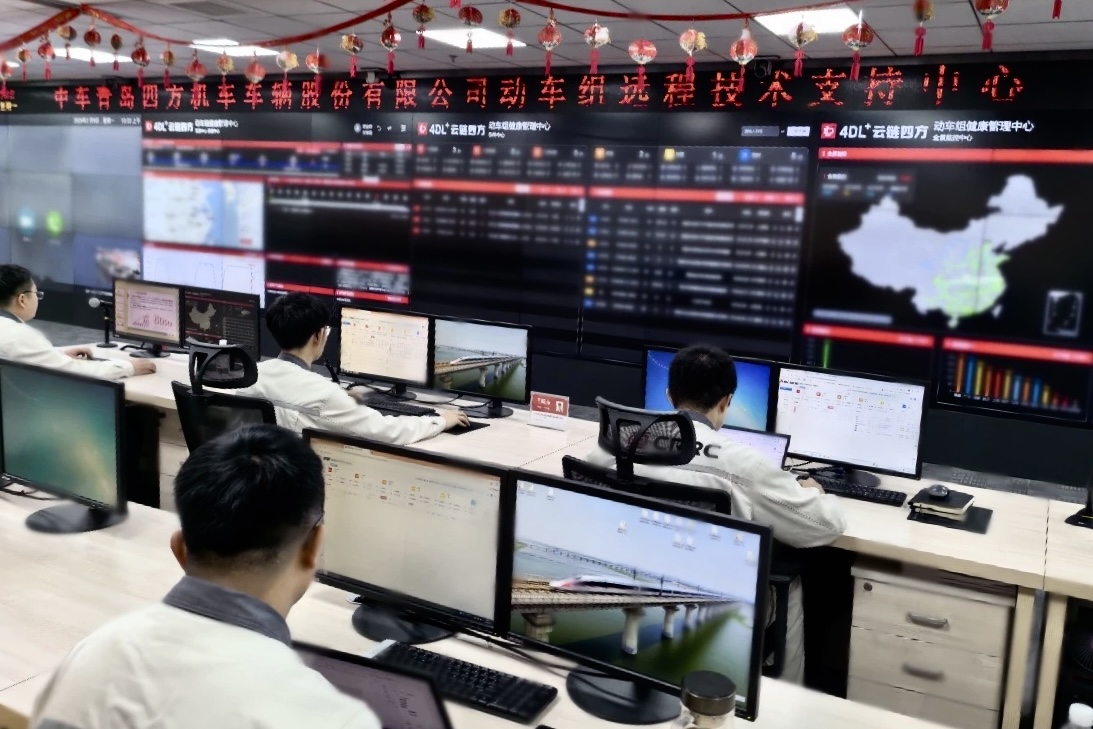
Zou Zhang, 37, Business Manager of China Railway Rolling Stock Qingdao Sifang Company (the major supplier of MTR train cars), said the company has already begun technical preparations and signaling system research for the construction of the Western Railway and Northern Link.
Peng Huiwen, 31, Hong Kong University urban planning lecturer, said that the connection between the Hong Kong and Shenzhen MTRs is of great help in promoting the integration of the Greater Bay Area.
“Connecting more ports via the MTR will attract more mainland tourists to consume, which will definitely benefit Hong Kong’s economy,” Peng said.
Peng added, The improved transportation in northwest Hong Kong will facilitate labor mobility, benefiting small businesses such as those in Nanshan High-Tech Industrial Park.
“The newly built MTR lines may have updated train models, allowing the subway to run faster,” Peng said.
Zou said the Northern Link and the Shenzhen-Hong Kong Western Railway will respectively adopt the Chinese Standard Type A metro train and the CINOVA2.0 new intercity and urban intelligent train.
Type A subway lines are currently in operation on seven lines in Hong Kong, with a maximum operating speed of 80 km/h. The CINOVA2.0 intelligent train is designed with a max speed of 200km/h.
《The Young Reporter》
The Young Reporter (TYR) started as a newspaper in 1969. Today, it is published across multiple media platforms and updated constantly to bring the latest news and analyses to its readers.
Budget 2026: Government reserves HK$4 billion for Wang Fuk Court’s buyout
Budget 2026: HK$50 million for Hongkongers to receive AI training


Comments