
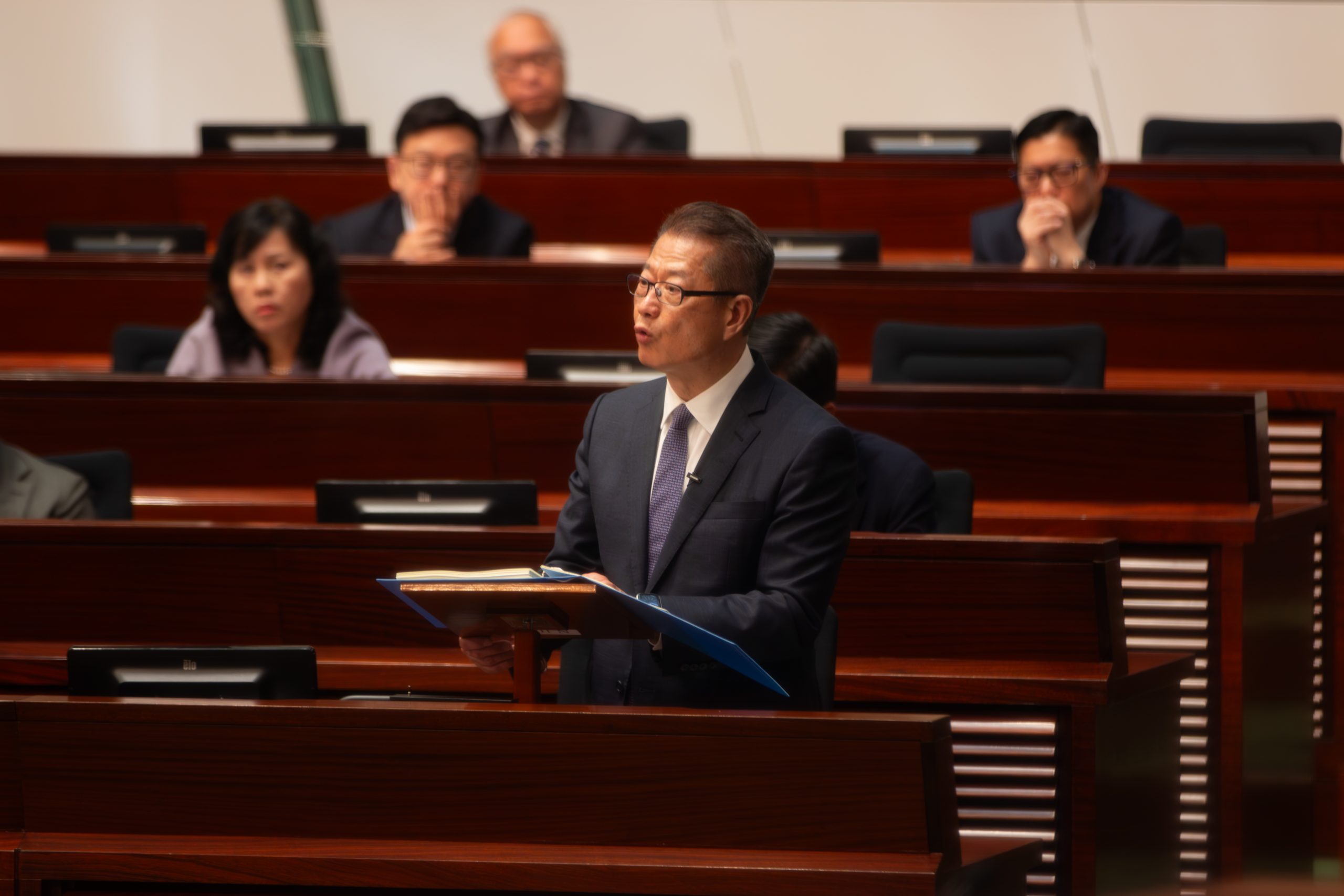
Hong Kong government cashed in a HK$2.9 billion surplus in the last fiscal year sustaining a three-year deficit.
Speaking in his budget speech Wednesday, Financial Secretary Paul Chan Mo-po attributed the surplus to a surge of HK$50 billion revenue from stamp duty and profit tax as the stock market and local economy rebounded.
This surplus came a year earlier than expected which is expected to remain until 2028.
Chan added that the city would issue an additional HK$160 to 220 billion worth of government bonds every year, in the course of next five years. Another HK$150 billion from Hong Kong’s foreign exchange fund would be earmarked to pay for the Northern Metropolis project.
Edward Lau Kwok-fan, advisory committee on Northern Metropolis, said in a statement that the issuance of bonds can help fund mega infrastructure.
“It allows the government to advance strategic projects such as the Northern Metropolis while maintaining fiscal stability and aligning long-term investment with long-term returns,” Lau stated.
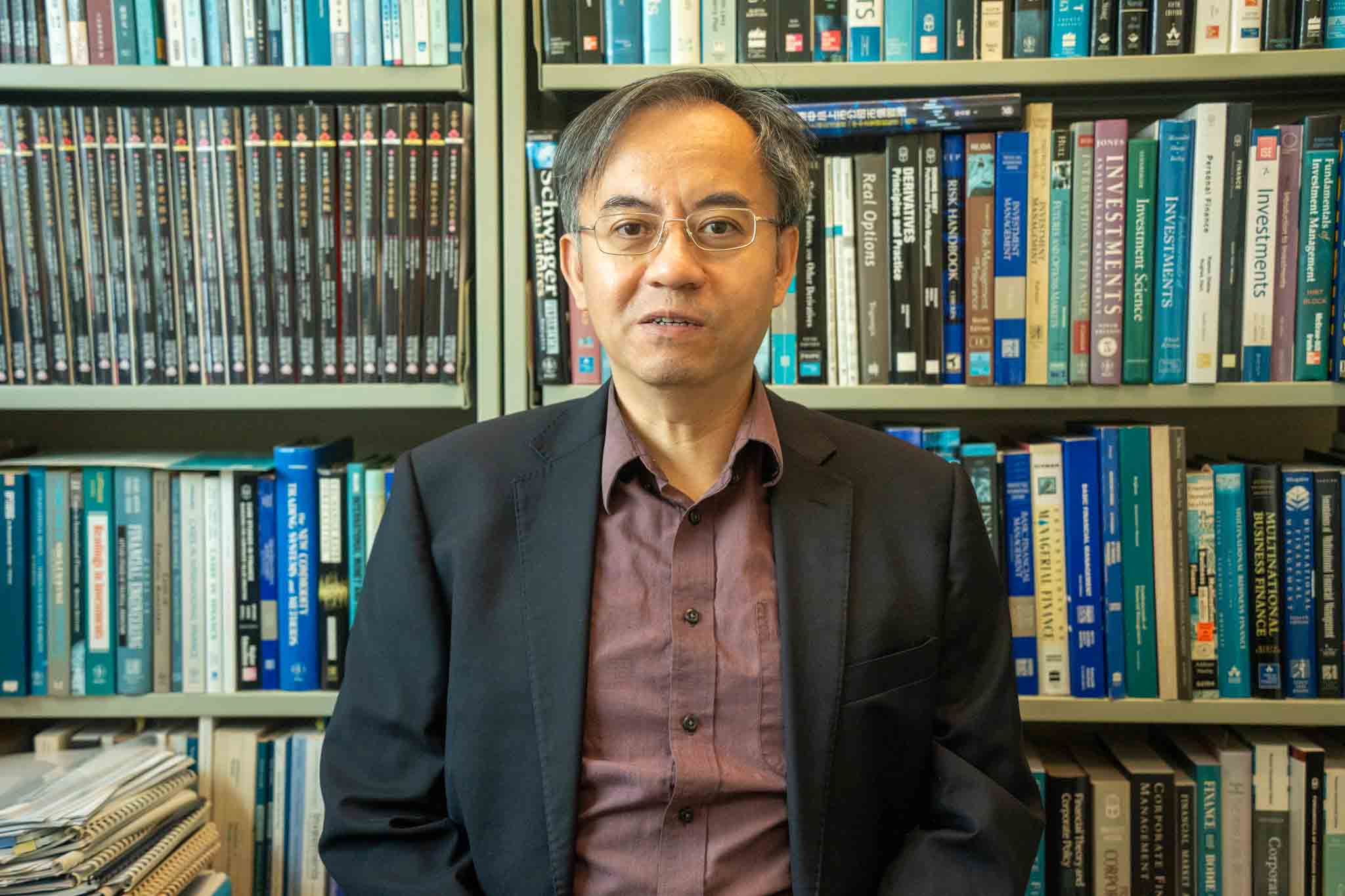
Billy Mak Sui-choi, associate professor of the department of accountancy, economics and finance at Hong Kong Baptist University, said the government can consider developing the infrastructure in phases to prevent another deficit.
“Investing infrastructure is mandatory to boost economic activity as it supports a variety of industries of talent, land and property,” Mak said.
“If we divide the mega construction in five years, the spending will be relatively lower than paying it all at once. The government may then sell the land or property in the same district to achieve financial sustainability," Mak said.
In his budget speech, Chan said the government has to strictly control the government expenditure by reducing 10,000 civil servant hires before June 2027.
Adrian Pedro Ho King-hong, LegCo member for the New People’s party, said he was not surprised to see the surplus earlier than expected.
“The government has pocketed more tax revenue from the hotel industry and proactively increased stamp duty from 4.25% to 6.5% for high-end properties priced over HK$100 million,” Ho said.
“It is reasonable to reduce welfare spendings and maintain a prudent strategy since the land premium is now accounting for fewer government revenues," Ho added.
Citing intensifying geopolitical risks, Ho called on the government to earmark12 months of fiscal reserves to meet unforeseen financial challenges.
《The Young Reporter》
The Young Reporter (TYR) started as a newspaper in 1969. Today, it is published across multiple media platforms and updated constantly to bring the latest news and analyses to its readers.
Budget 2026: Hong Kong reduces taxes to attract enterprises and investment
Budget 2026: Hong Kong boosts Chinese medicine industry to drive local growth


Comments