
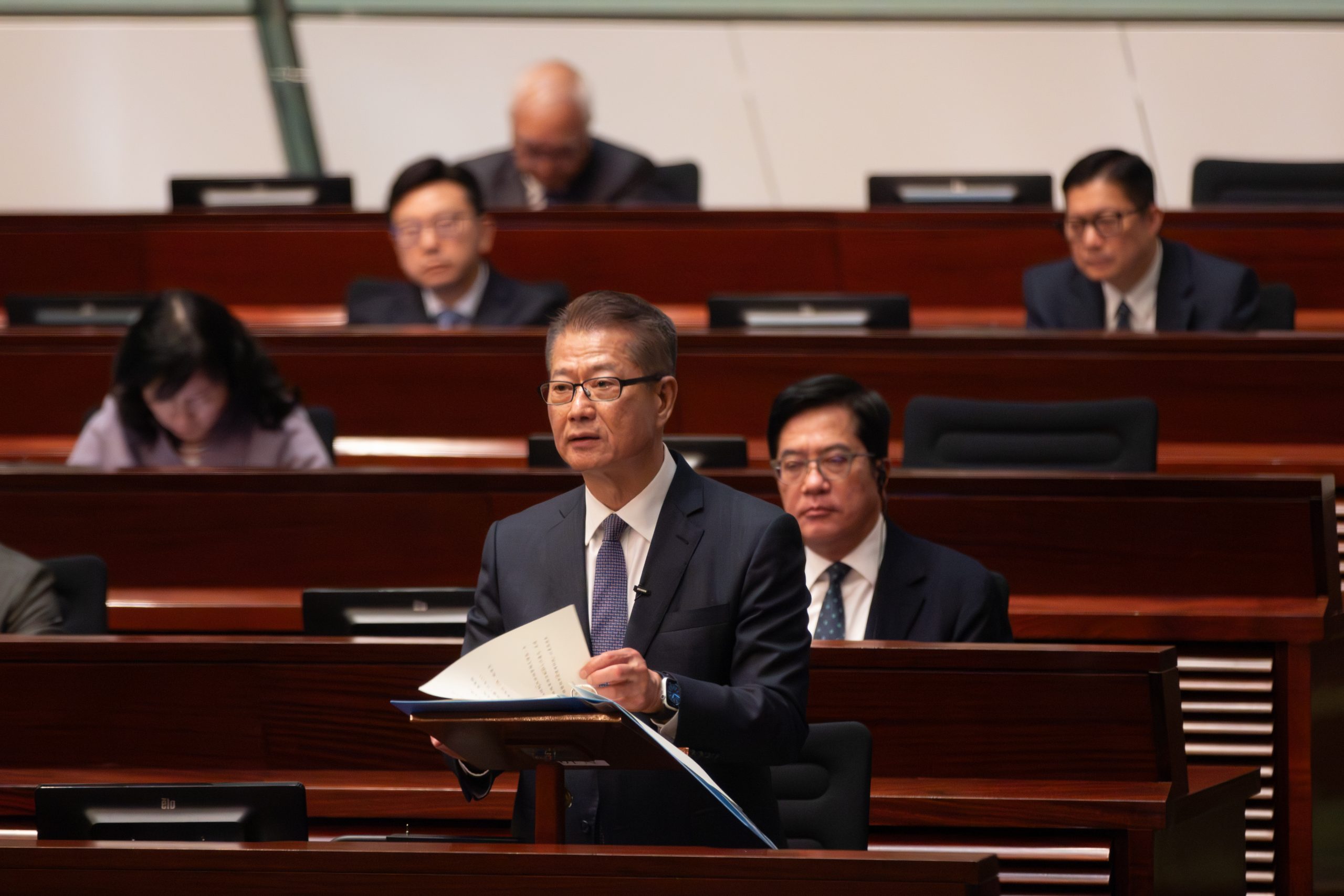
Hong Kong Financial Secretary Paul Chan Mo-po proposed a tax regime augmentation, aiming to attract more family offices, which manage money for ultra wealthy individuals.
“Tax regime coverage will expand the scope of funds to specific ‘funds-of-one’, as well as classifying digital assets, precious metals, and specific commodities as investments with tax concession eligibility,” said Chan.
Chan added the changes will take effect from the year of assessment 2025/26.
A family office is a private wealth management company established by ultra-high-net-worth individuals, responsible for the day-to-day management of family assets.
According to Chan Ho-lim, Under Secretary for the Treasury Bureau, single family offices generally refer to institutions established by a single family for wealth, family affairs, and long-term equity investment management. Multi-family offices, on the other hand, are licensed companies that “serve more than one high-net-worth family” by providing outsourced services and are “typically established and run as commercial ventures”.
There are 3,384 single family offices in Hong Kong, according to research from Deloitte.
According to Financial Services and the Treasury Bureau, this is a 25% increase from 2023. Half of the current offices are serving families with more than US$51 million of accumulated wealth.
Since 2023, the Hong Kong government has issued a policy statement supporting the development of a global ecosystem for family offices and asset owners, promoting the growth of the industry.
The bureau also said a single office contributes approximately HK$12.6 billion annually to the local economy through operating expenses alone, directly creating over 10,000 full-time professional positions, covering high-value-added fields such as financial advisors, legal and accounting.
Yu Ann, 36, Co-Founder of Jadewell Family, a multi-family office, said, compared with banks and securities firms that have a single perspective, family offices can provide a comprehensive view and risk analysis across banks and even platforms, including funds, insurance policies and other private investments that are not invested through banks.
"As well as tailor-made financial courses and guidance for the next generation of the family to help them better take over the management of family assets,” she said.
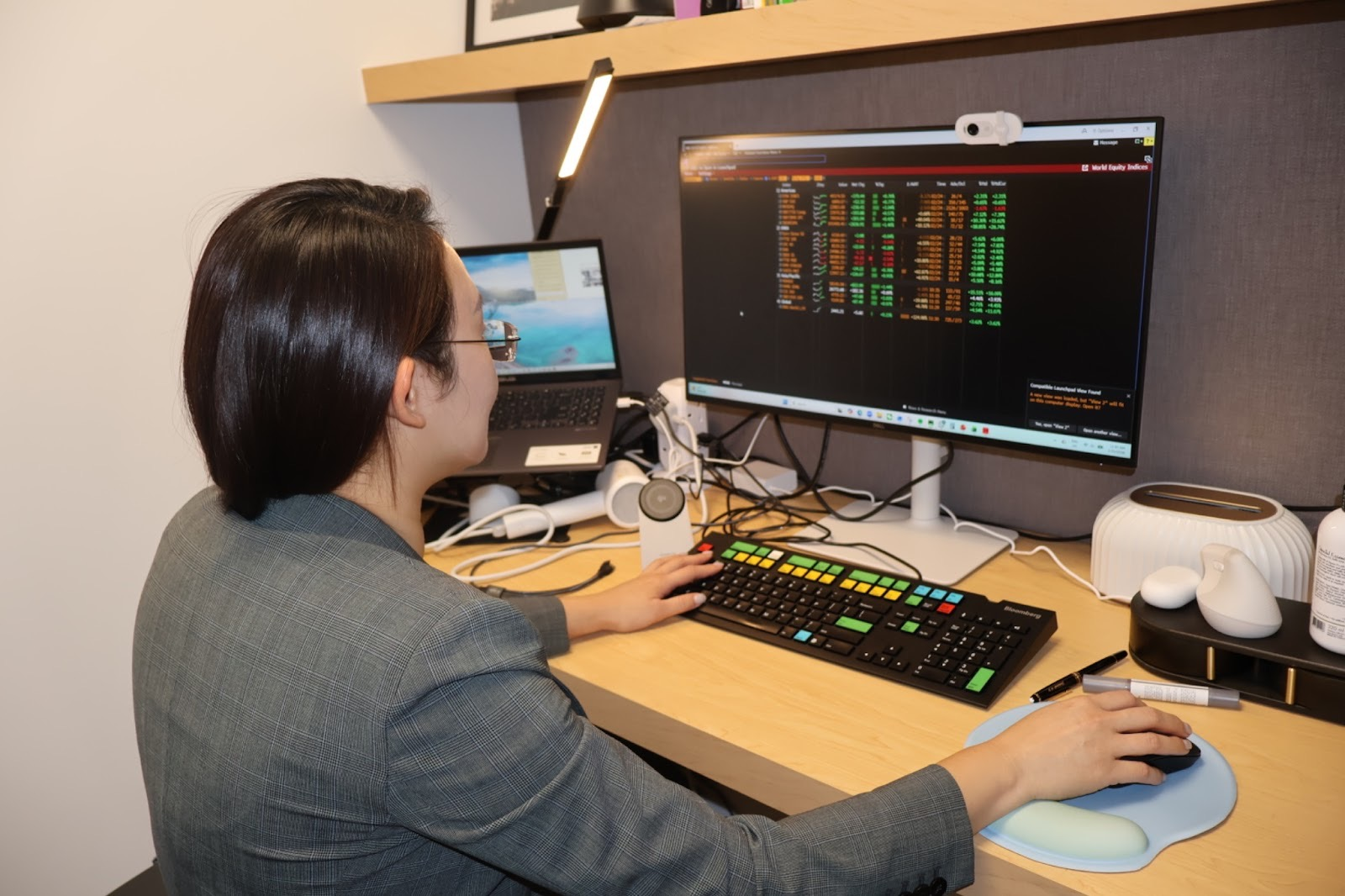
“Single Family Offices and Muti-family Offices are not in competition,” Yu said.
“Under numerous circumstances, single-family offices engage multi-family offices to outsource certain operational activities.”
“I hope policies will help more people understand what a family office is, thus broadening the market,” You said.
Peng Liang, 50, an independent investor from mainland China, said he prefers to manage his own money as the cost of using family offices is high and he is worried about high-risk investments, which the industry has a reputation for.
With the proliferation of imposter family offices around the globe, Yu said, "The government should tighten supervision and licensing requirements, and crack down on issues such as money laundering, failure to fulfill fiduciary duties to clients, and inadequate internal controls. I believe that only by addressing more of these problems can we build greater confidence among clients in Hong Kong’s family office industry."
《The Young Reporter》
The Young Reporter (TYR) started as a newspaper in 1969. Today, it is published across multiple media platforms and updated constantly to bring the latest news and analyses to its readers.
Budget 2026: Hong Kong reinforces its roles as international gold trading centre
Budget 2026: Hong Kong reduces taxes to attract enterprises and investment


Comments