
At 11 pm on a weeknight, Reenice Lim was still on her feet. The head of House of Roasted Meats, a homegrown roasted meat brand, was juggling walk-in customers and a stream of online delivery orders.
Even with four outlets in Singapore, Lim stressed that running the business still comes with significant challenges.
In 2025, Singapore’s dining scene underwent a major shake-up. Between Jan. 1 and Oct. 23, 2,431 food and beverage (F&B) outlets shuttered, while 3,357 new ones opened.
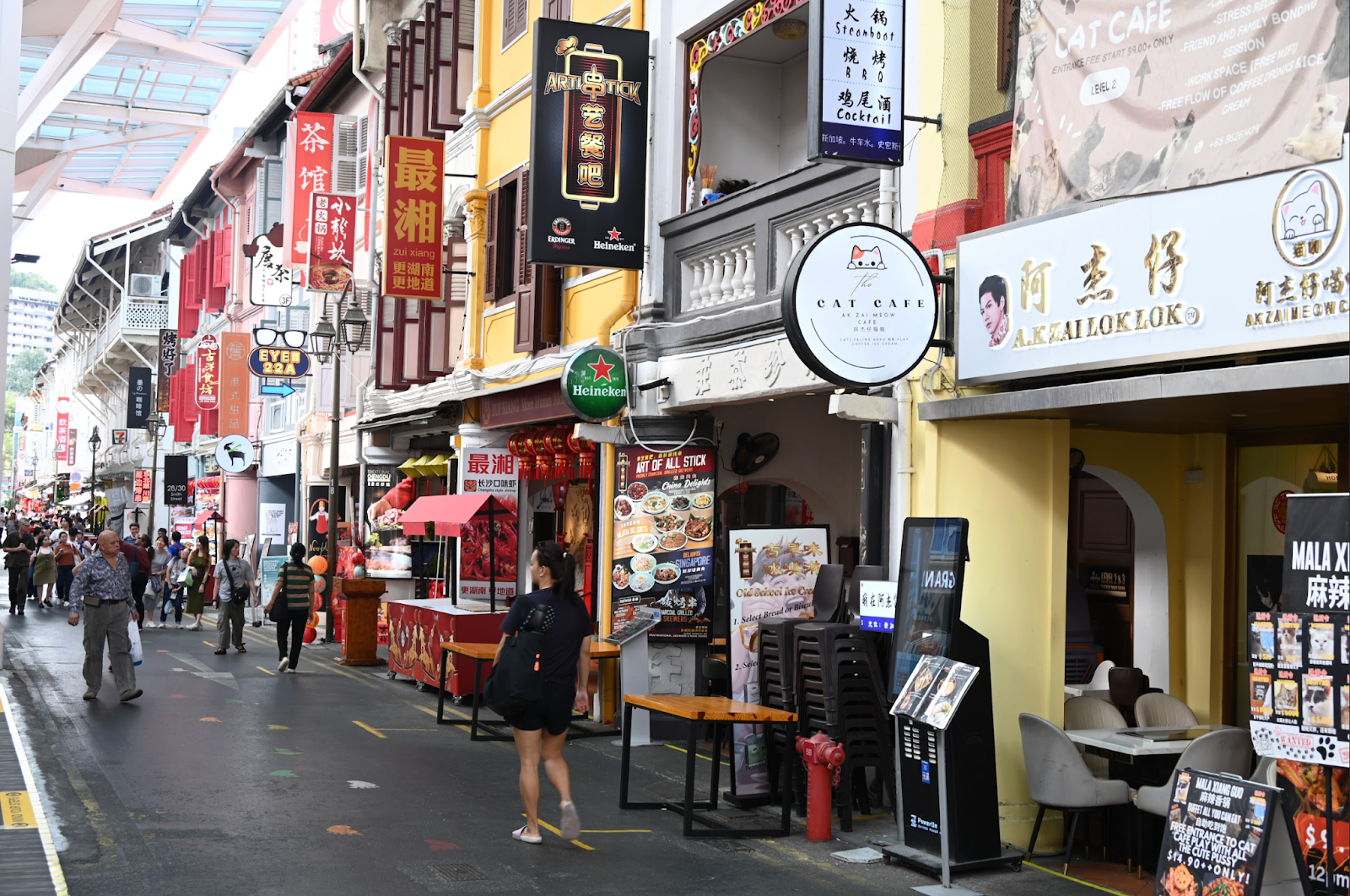
Among those bowing out were homegrown brands like Fluff Stack, a six-year-old Japanese-style soufflé pancake chain that closed all five of its outlets in May, citing a challenging F&B environment in Singapore.
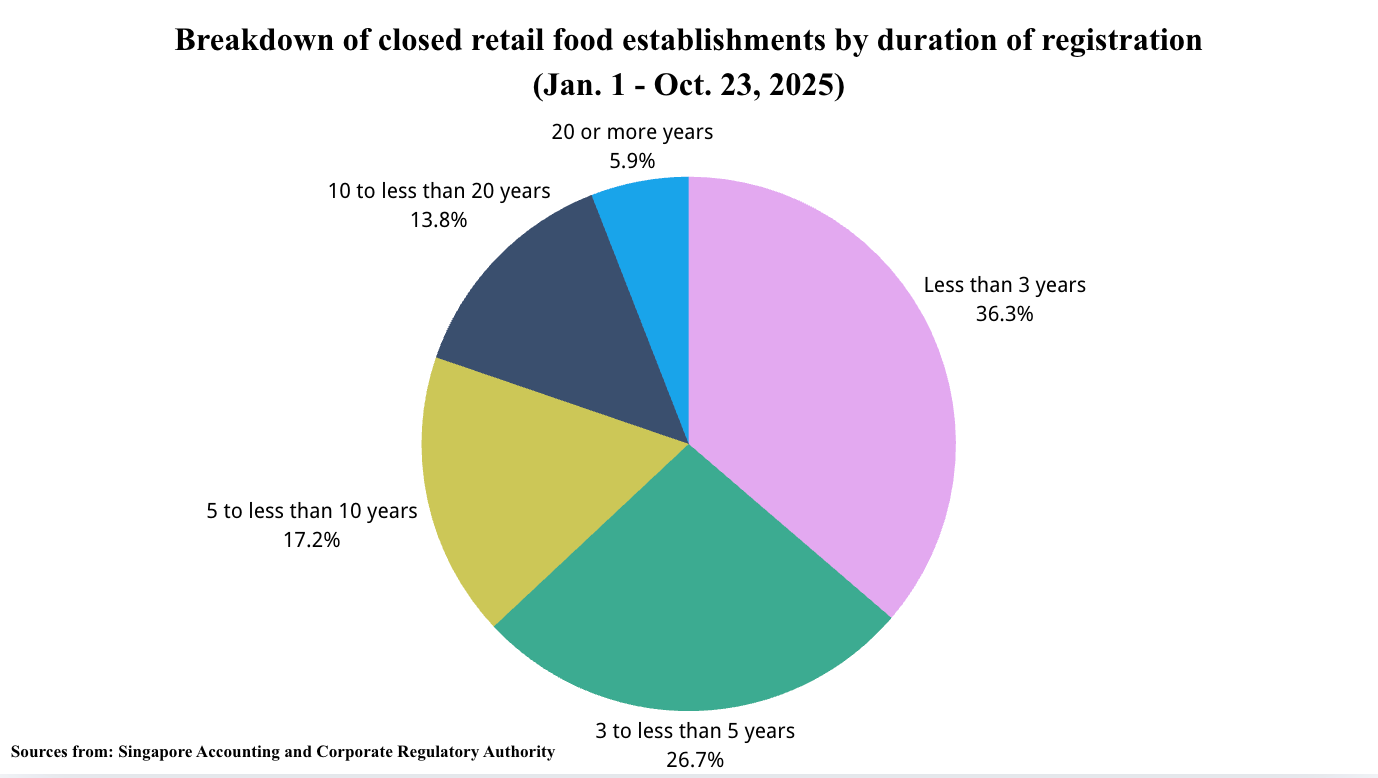
Accounting and Corporate Regulatory Authority (ACRA) data shows that over 60% of 2025’s shuttered F&B outlets had operated for fewer than five years.
Amid the fierce market competition marked by a major reshuffle, Lim said for local operators like herself, “the biggest difficulties are the increasing rental costs and manpower costs”.
This struggle is echoed by 33-year-old Xia Ziwen, a veteran Chengdu restaurateur turned Singapore entrepreneur, who noted that a local labor shortage has pushed manpower costs to 30% of total operating costs.
Starting in March 2025, Ministry of Manpower (MOM) regulations further mandate a minimum gross monthly wage of S$2,080 (HKD 12,850) for F&B stall assistants, intensifying the financial pressure on small-scale operators.
To comply with the manpower quotas set by MOM, businesses must hire a specific number of locals to “unlock” foreign work permits.
Xia noted that this regulatory obligation can push the total monthly cost of employing a single Malaysian retail assistant to S$5,000 (HKD 30,900).
Businesses heavily reliant on migrant workers, such as Lim’s roasted meat stalls, are especially hard hit by the mounting costs brought by higher government levies and stricter wage requirements.
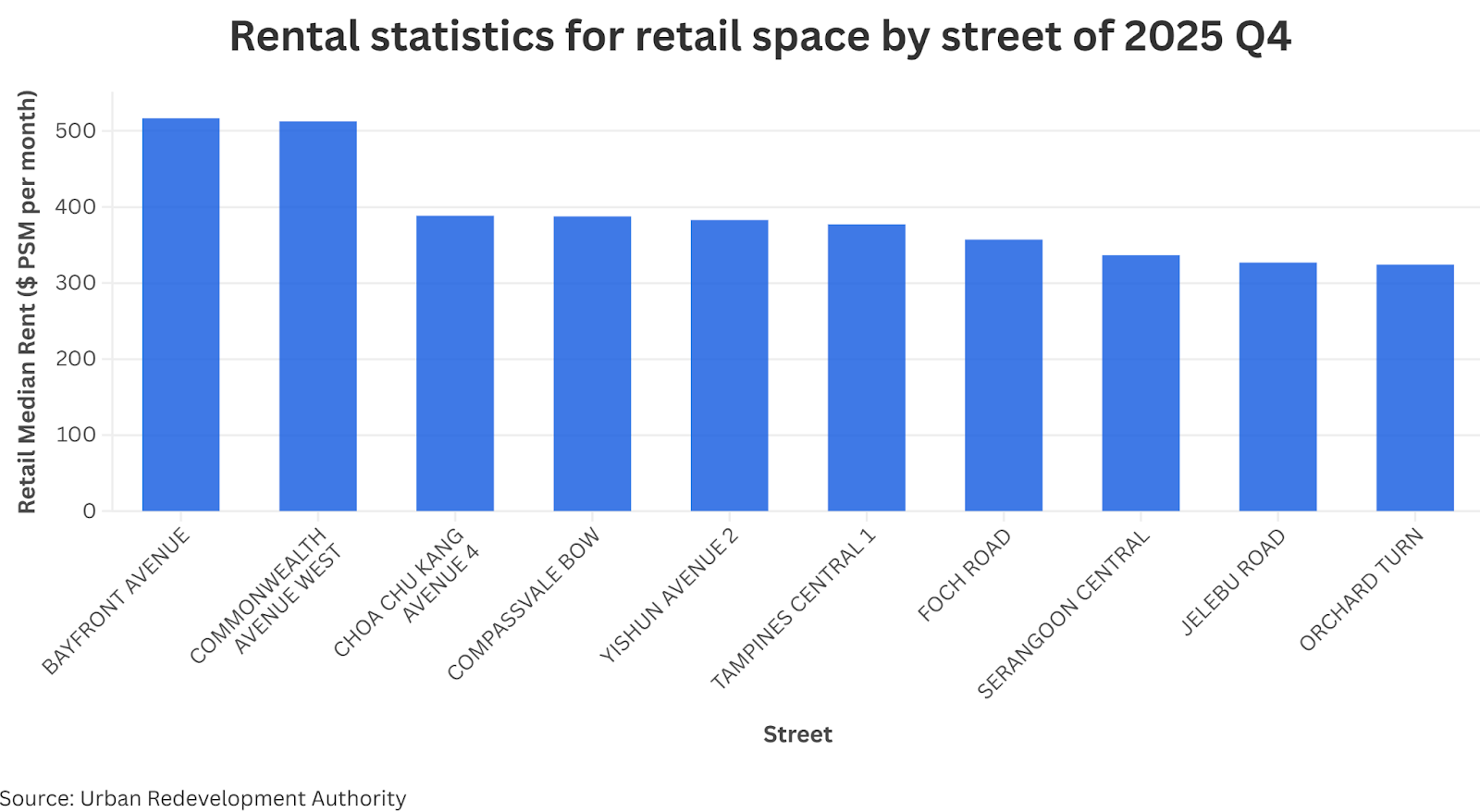
Urban Redevelopment Authority (URA) data shows that in 2025, rentals of retail space increased by 1.9%, compared with the increase of 0.5% in 2024.
Despite the mounting operational costs, a flood of new players has entered Singapore’s market, mainly brands and businesses from mainland China.
From mid-2024 to August 2025, the number of mainland Chinese F&B brands entering Singapore spiked from 32 to 85, according to Eurogroup Consulting. Correspondingly, their total outlet count skyrocketed from 184 to over 400.
Many of these newcomers are competing for “golden locations”. Brands such as CHAGEE, YGF Malatang, and Haidilao have now occupied prime locations like Orchard Road and Bayfront Avenue, which are very expensive to rent.
This obsession with “golden locations” reflects a broader strategy identified by Andrew Delios, a professor at the National University of Singapore Business School. He noted that Singapore's hyper-competitive landscape makes it an ideal testing ground for brands with global ambitions.
“When you can succeed in a competitive environment, then you can succeed in less competitive environments,” he said.
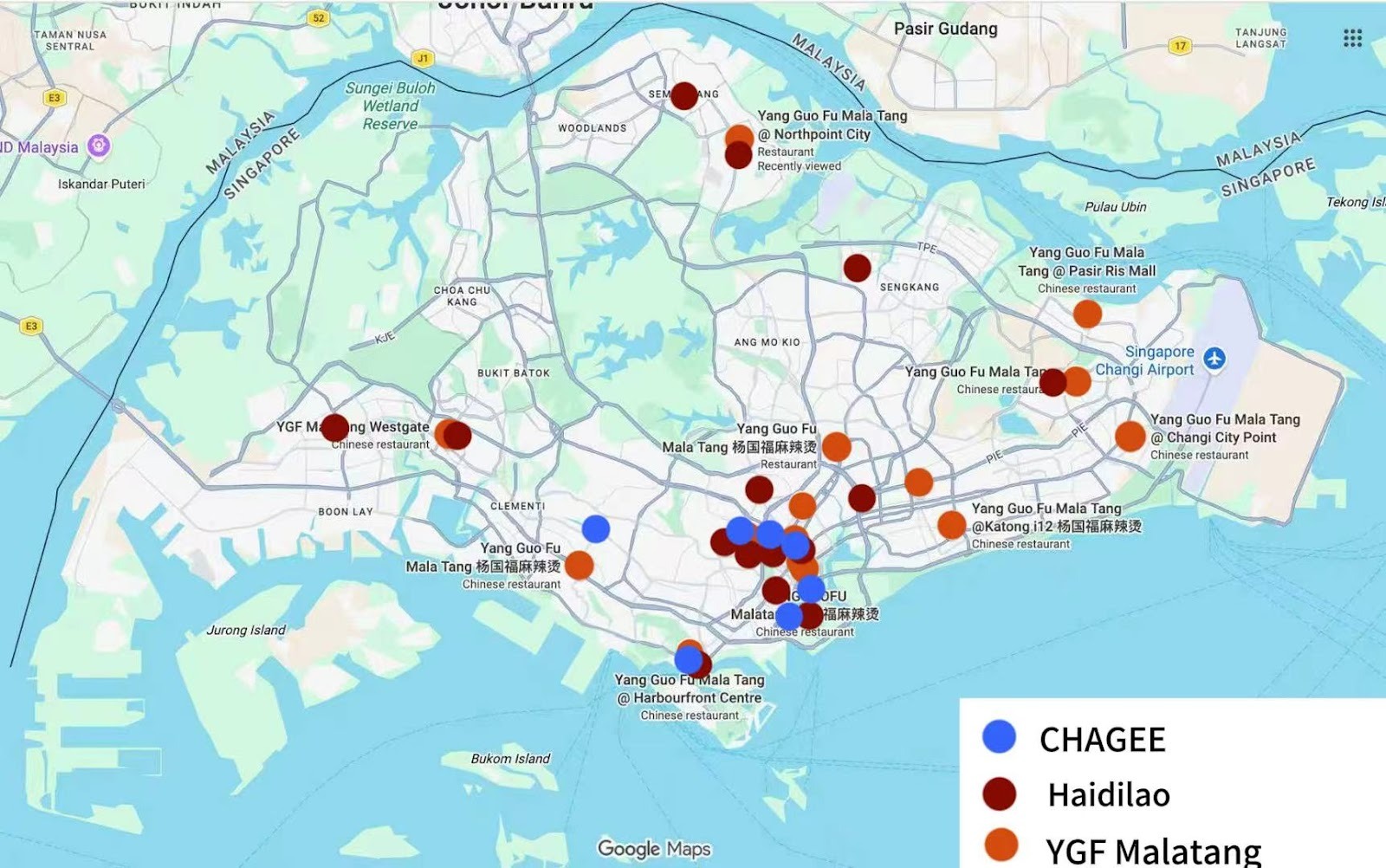
Yet the influx of foreign F&B brands has further put local businesses at a disadvantage, according to Lim.
“Due to the foreign currency advantage, foreign companies entering the market may have more capital and resources compared to local businesses,” Lim said. “This allows them to offer their food at a lower price.”
Beyond the exchange rate advantage, Delios said that the business-friendly environment is also a driving force behind the continued influx of capital into Singapore’s F&B market.
“Setting up a business in Singapore is very easy,” he said. “One can register and establish a business even within 24 hours.”
According to the World Bank’s Business Ready (B-READY) 2025 report, Singapore ranks first globally in the “Operational Efficiency” pillar.
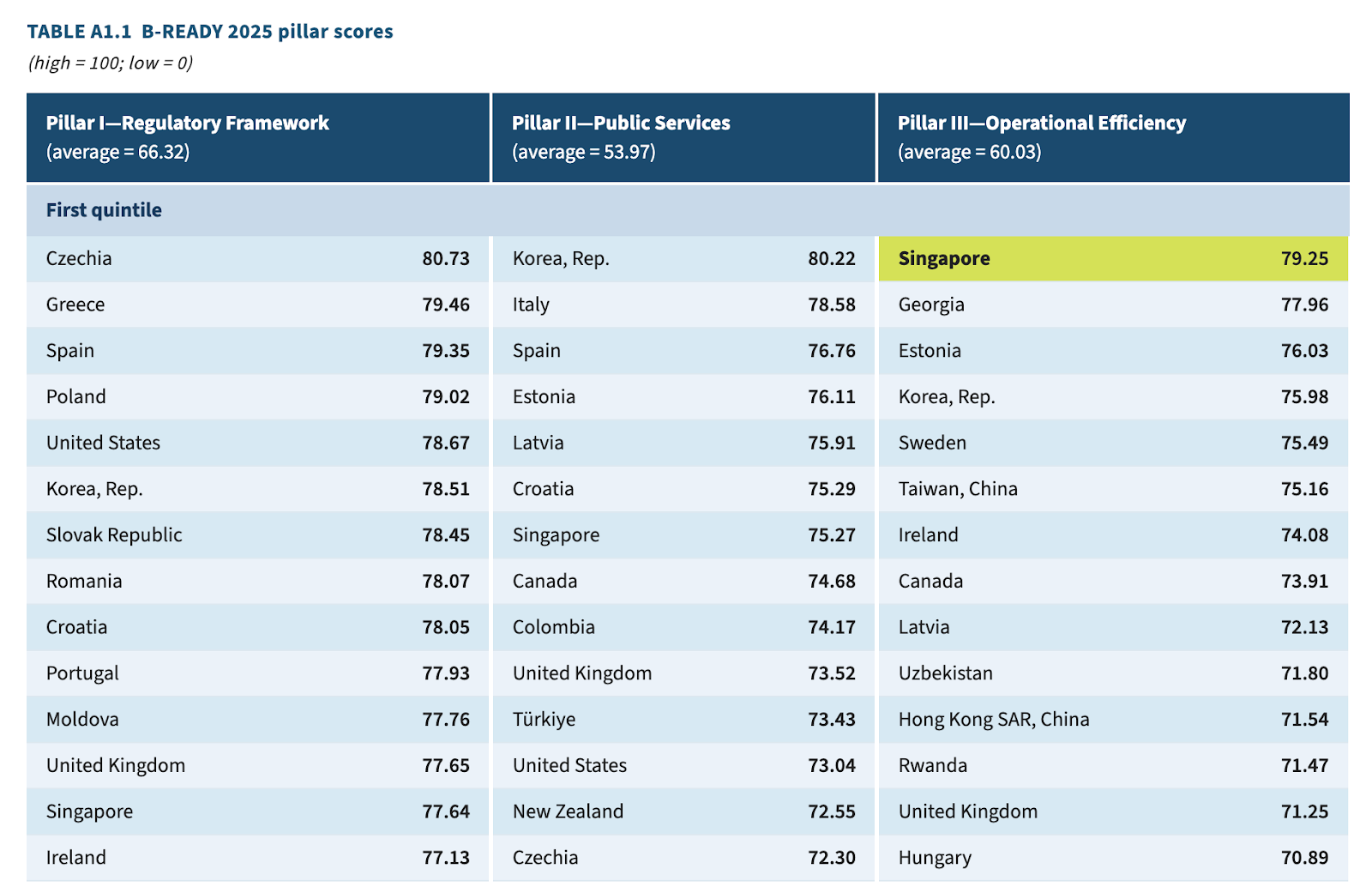
“The sophistication of the Singaporean consumer” is another reason why the Singapore market is so attractive, Delios said. He explained that owing to the diversity of Singapore’s local food landscape, local consumers have a relatively open palate, which means that when a new brand enters the market, businesses do not really have to create a new category of food.
On the demand side, strong consumer spending is also driving this influx.
The latest Household Expenditure Survey by the Singapore Department of Statistics showed that in 2023, the average monthly household expenditure on food serving services reached S$966 (HKD 5,960), with dining out accounting for 67.9 % of total food expenditure.
Market research firm YouGov’s Singapore Dining Out Report 2025 also found that about half of Singapore’s Gen Z and Millennials dined out at least once a week, higher than the 39% for the general population.
Gu Lingjie, a 23-year-old postgraduate student, said his monthly spending on dining hovered around S$1,000 (HKD 6,170) in 2025, a slight increase from the previous year.
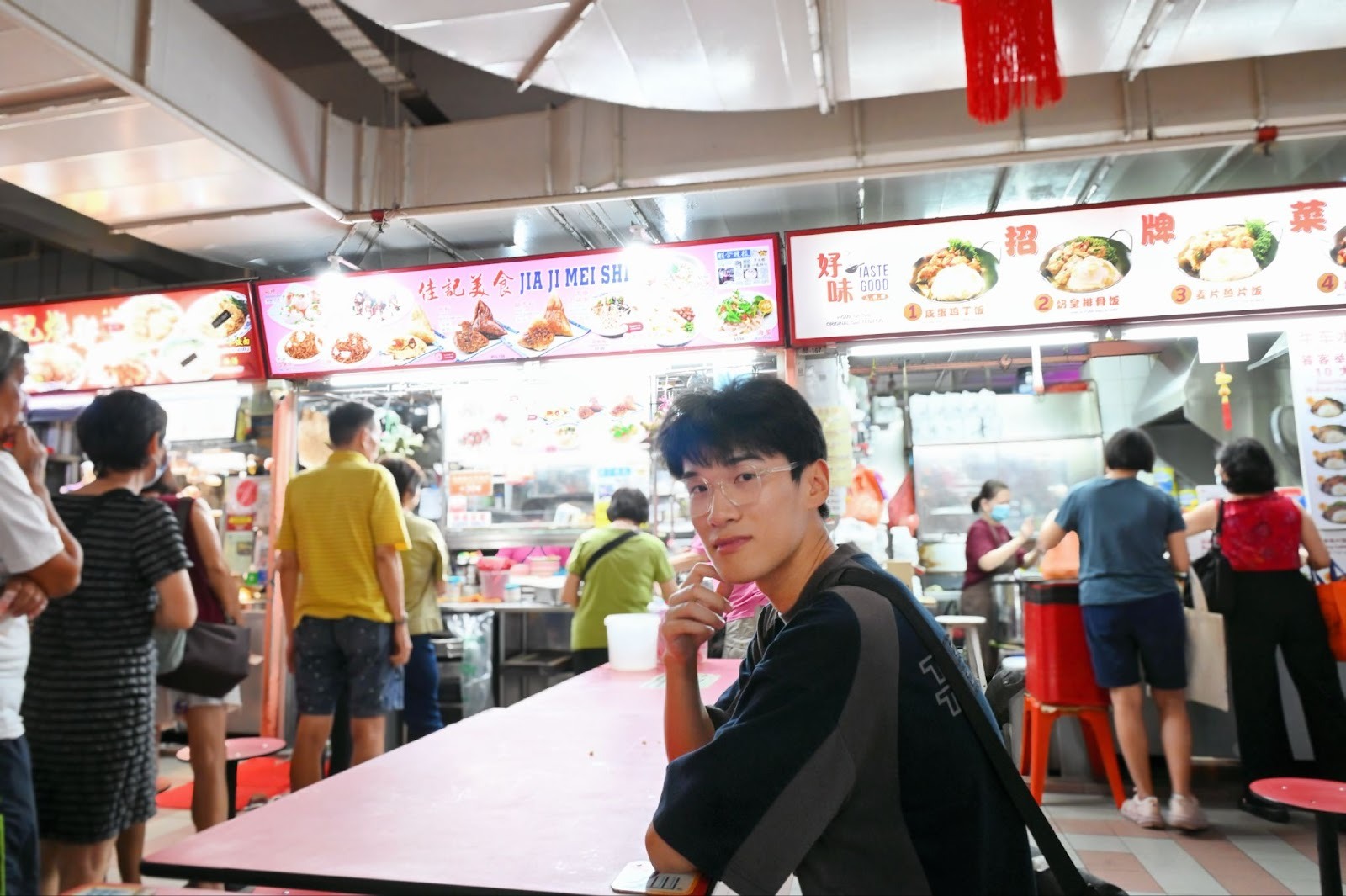
As a consumer, Gu said that he is always willing to try these newly arrived brands as they provide more choices.
To better adapt to the changing industry environment, Lim adjusted her operations by increasing the variety of set meals, launching on delivery platforms like Grab, Foodpanda, and Deliveroo, and even converting her newest outlet to a 24-hour operation.
Confronted with intense market competition brought about by foreign entrants, Delios also provided some coping strategies for both local and newly entering players.
He said a smart approach is to adopt a business model that can achieve quick success, minimize the cost of failure, and accumulate revenue in the short term.
“Providing a unique atmosphere by arranging special seating or special food sets may be a method to differentiate a brand,” he said, adding that businesses also need to identify their core identity and carve out unique positioning in the market to be successful.
To sustain operational stability and predictability, Delios said that establishing a loyal core clientele is also a must for catering businesses.
"Competition is always good," Delios said. "It provides more choice for customers and forces companies to do better."
《The Young Reporter》
The Young Reporter (TYR) started as a newspaper in 1969. Today, it is published across multiple media platforms and updated constantly to bring the latest news and analyses to its readers.

Art Basel Hong Kong: Asia debut of Zero 10 sparks mixed reactions
Hong Kong office market active on relocations, but recovery fragile



Comments