
AI summary:
- Hong Kong plans to produce over 35,000 public housing units a year on average over five years starting in 2027/28.
- Increased supply could shorten housing queues, but one academic said tackling wealth and income inequality is also essential.
- The government is also tackling public housing abuse.
Hong Kong will continue to increase public housing supply and combat public rental housing (PRH) abuse, Chief Executive John Lee Ka‑chiu said in his Policy Address 2026 on Wednesday.
“The current-term Government has laid a solid foundation for, and is entering the harvesting phase of, public housing production, ” Lee said. “In the next five years, from 2027-28, public housing production will exceed 35,000 units a year on average.”
HO Hang-kei, an Adjunct Associate Professor in the Department of Anthropology at The Chinese University of Hong Kong whose research interests include housing policy, commented that ramping up PRH supply is a positive measure.
“I think this is great because, as we know, Hong Kong has been experiencing a shortage of public housing units, so as you can see from previous figures, the queue was very long,” Ho said. “And I think by having more supply, I think it's going to decrease the waiting time for many people actually need them, especially a lot of people are now kind of in the use of temporary housing.”
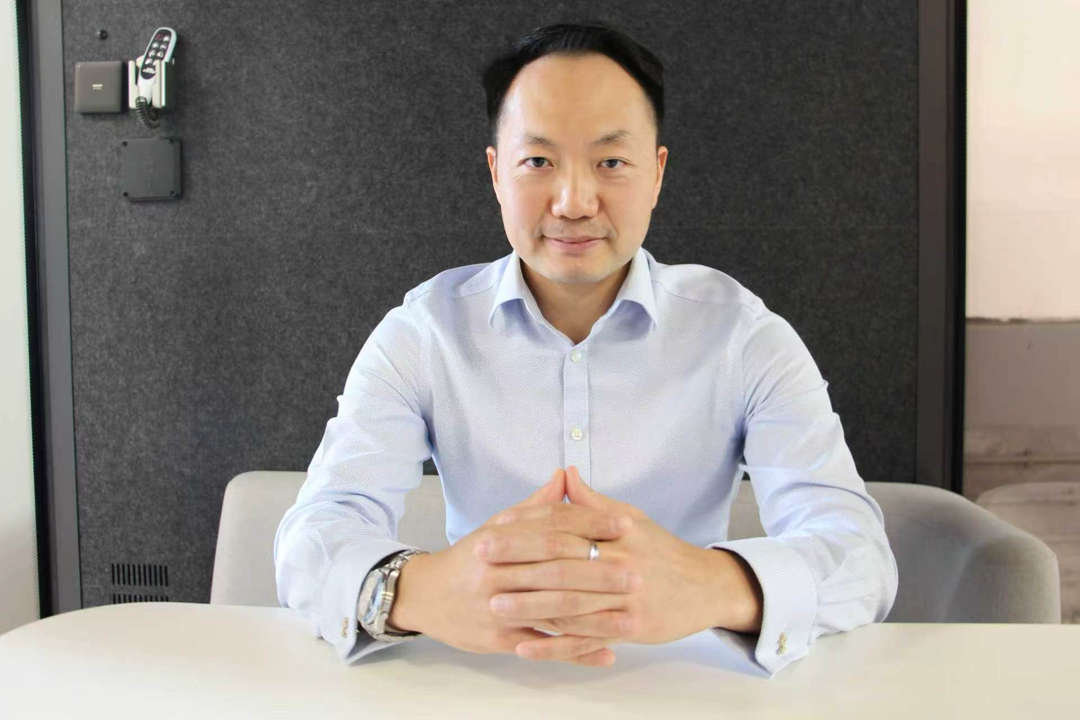
Ho said that there would be some short-term kind of pain, such as a fiscal deficit. But over the medium to long term, he thought the increase in housing supply would benefit Hong Kong. More stable housing could help residents feel more secure about their work, education and other aspects of their lives, he said.
However, Dong Ding, an Assistant Professor in the Department of Accountancy, Economics and Finance at Hong Kong Baptist University, said that more housing alone cannot resolve underlying wealth inequality. He added that the fundamental solution to housing problems lies in tackling wealth and income inequality through job creation and stronger domestic and industrial demand.
The Policy Address also stated that about 26,000 units have been substantially completed and progressively occupied since the launch of the innovative Light Public Housing (LPH), with the remaining units to be ready for occupancy by the end of March next year.
While the housing measures aim to shorten waiting times, Met Yan, a local resident, expressed the view that LPH mainly appeals to newly arrived low-income households. Yan said local Hong Kong residents are generally unwilling to move in because it provides only temporary accommodation and requires residents to relocate again in the future.
Alongside supply expansion, the government has been combating PRH abuse to prevent the misallocation and waste of PRH resources. According to the Policy Address, the Hong Kong Housing Authority had recovered over 10,000 PRH flats involving tenancy abuse or breaches of tenancy agreements or housing policies as of June 2026, saving more than HK$10.5 billion in construction costs.
Andy Li, a local resident who has lived in public housing for 12 years, said that some public housing tenants have assets exceeding the eligibility limits but continue to occupy public housing resources due to loopholes in the vetting process, reducing opportunities for those most in need.
“It is unfair for families facing hardship to wait seven years just like ordinary families,” Li said. “The government could make discretionary adjustments to give them preferential consideration.”
Note: This report was written by students from The Young Financial Post editorial team. Generative AI was used for polishing sentences, grammar checking, sorting out concepts related to Hong Kong public housing policies, and assisting in developing interview questions.
Models used: Gemini, Doubao, Perplexity, Grok.
The final version was manually reviewed, edited, and verified by The Young Financial Post team.
《The Young Reporter》
The Young Reporter (TYR) started as a newspaper in 1969. Today, it is published across multiple media platforms and updated constantly to bring the latest news and analyses to its readers.

Policy Address 2026: Two AI models identify Offshore RMB business as a key theme
University Towns heart of new Northern Metropolis


Comments