
Bars in Central are eagerly waiting for customers as the city has been reviving its night economy ever since the pandemic. The government has launched a series of campaigns to boost spending and consumption at night, including a recent tax cut on imported liquor.
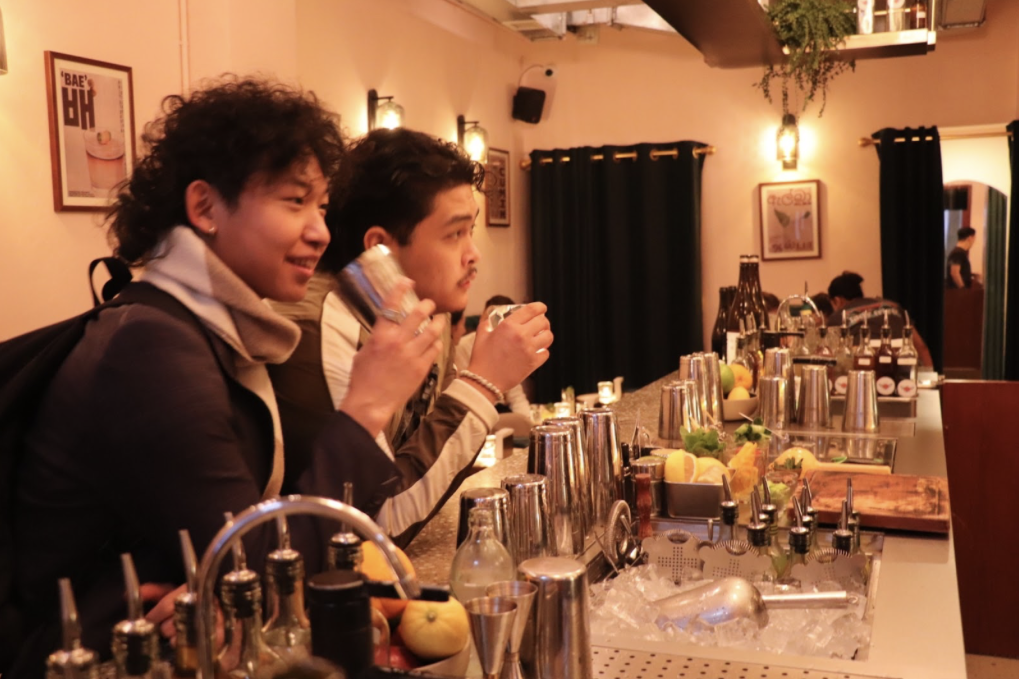
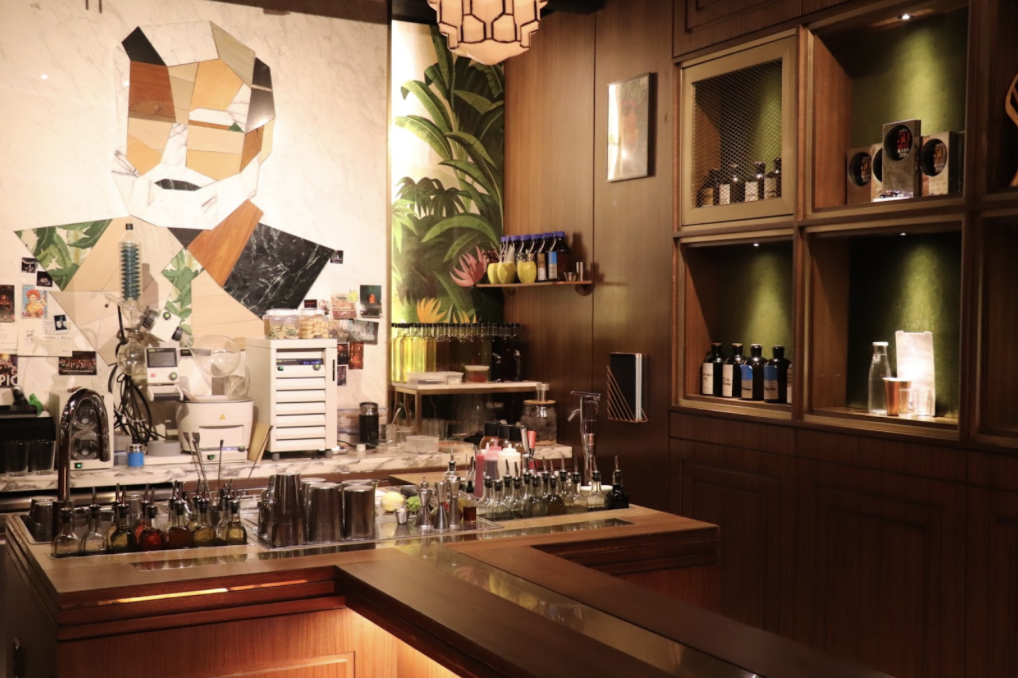
John Kerwin Alanis, tender of Shop B- A Little Lab, is wiping the glasses to prepare for a new day. “Before the pandemic, at this time, people would fill my spot, ” said Alanis. No people visited the shop yet, he remained smiling while wiping the counter, “But things are getting better this year.”
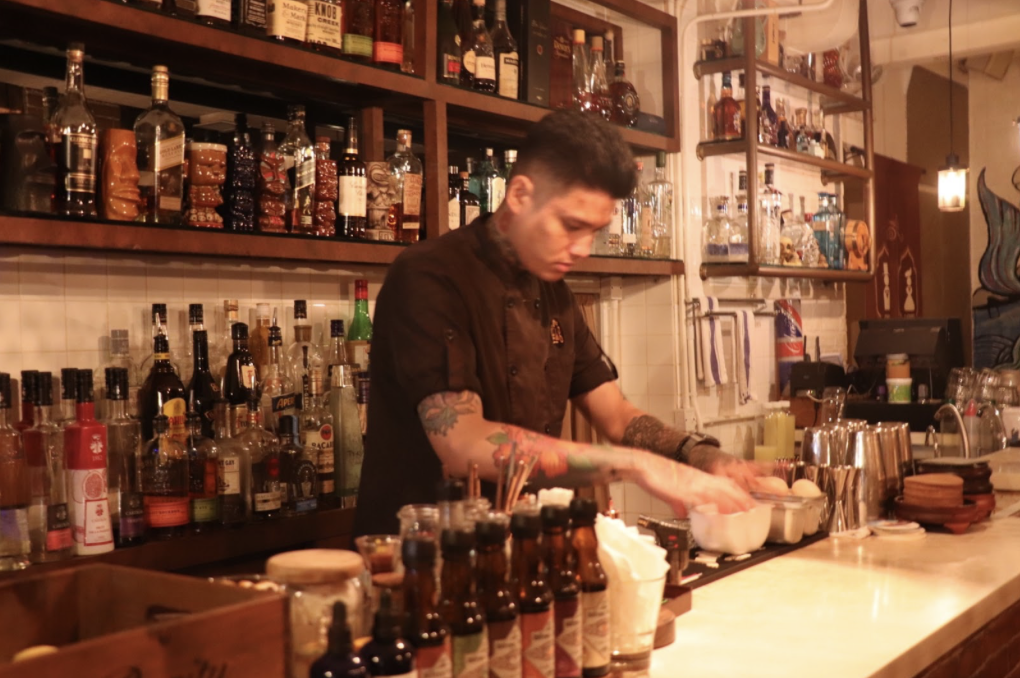
In mid-October, the Chief Executive of Hong Kong John-Lee Kachiu said in 2024’s policy address that the tax targeting importing liquor, referring to alcohol containing alcohol by volume (ABV) above 30%, was slashed to 10% from 100% for the portion above importing price $200, while the duty for portions below $200 remained the same.
The movement aimed at “promoting the liquor trade and boosting the development of high value-added industries, including logistics and storage, tourism and high-end food and beverage consumption,” said Lee.
Hong Kong experienced “cold winters” in retail and consumption in the post-pandemic era. The reduced tax was viewed as another effort to boost the local economy, though its effectiveness remains unclear.
The bar and restaurant sector is one of the hardest hit by the pandemic in Hong Kong. According to the Hong Kong Census and Statistics Department, total bar revenue in the second quarter of this year was nearly HK$340 million, a drop of about 25% compared with the same period in 2019.
“For us, we are getting the same prices from wholesalers for liquor so far, ” said Jimmy Singh, bar owner of ACED. “No difference at all. But if I can get lower prices, I will sell at a lower price."
Singh said the business is still running at a low level. “Nowhere near the recovery are we because of high costs,” he added.
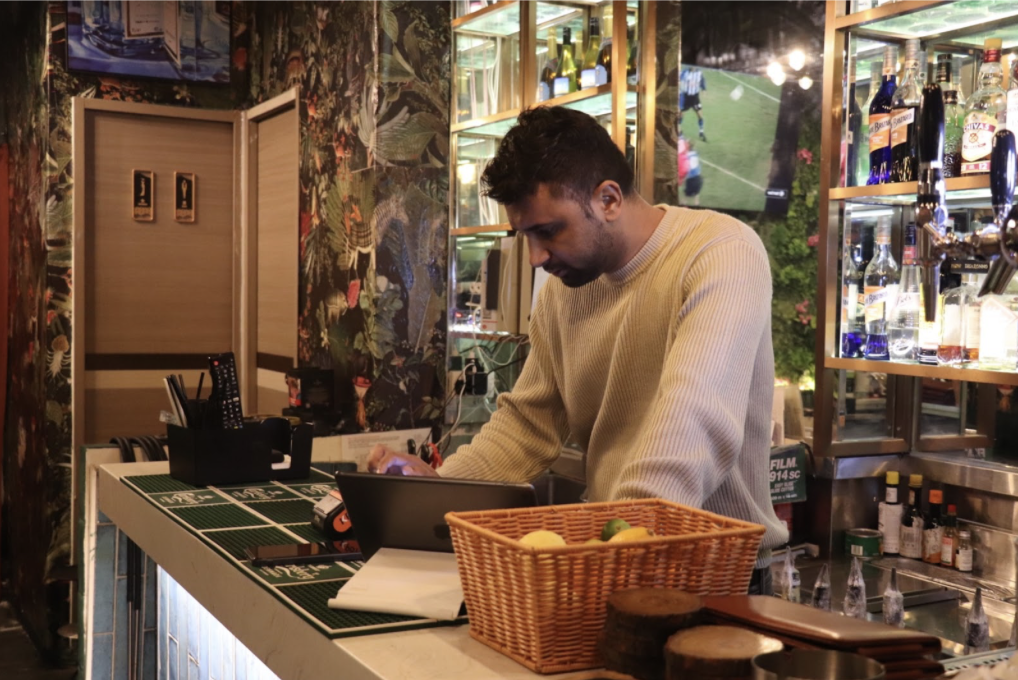
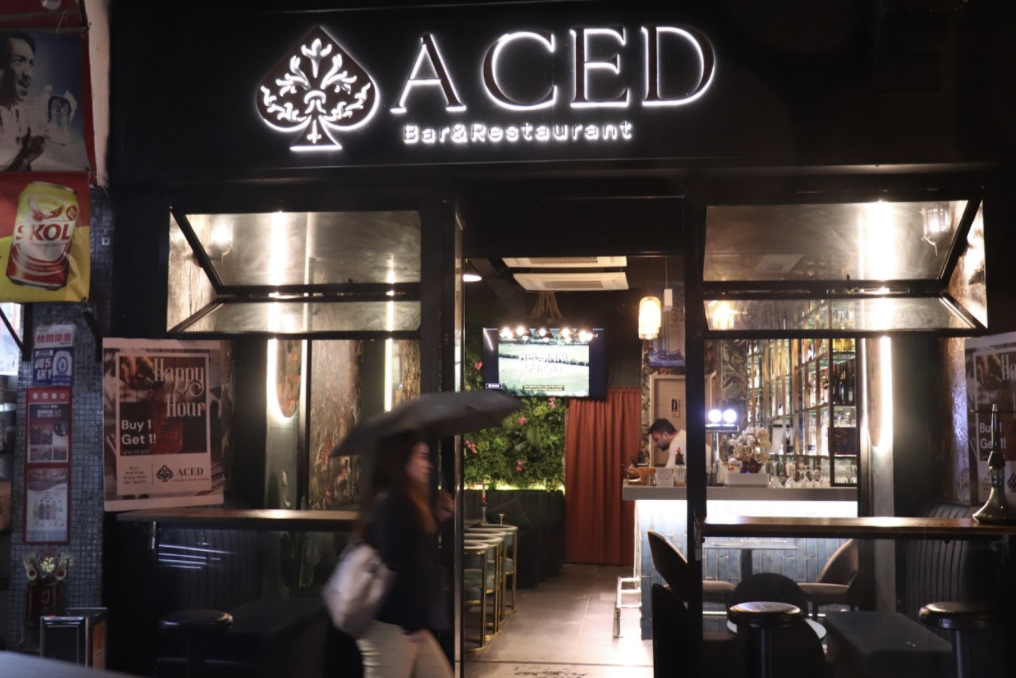
“I did some promotions on the previous three days, but the total sales were less than HK$1,000,” said Singh. “It's hard to cover the rent and hire the people. The costs are just unbeatable.”
The rent and staff salaries are the most difficult problems bars are facing now. A monthly cost for renting a shop is about HK$60,000, as shown on The Storefront’s website. Bartenders' average monthly salary, as reported by Glassdoor, a hiring agent, is around HK$18,500.
Adrian Ho, the legislative council member, said that it takes time to reflect the impact of the tax cut on alcohol prices, as “wholesalers need time to clear out their stocks,” which were purchased before the newly-launched policy was effective.
“The slashed importing prices eventually can benefit bar owners as their costs are lower, ” said Ho. “But the reduced prices do not equal higher customer footfalls, also.”
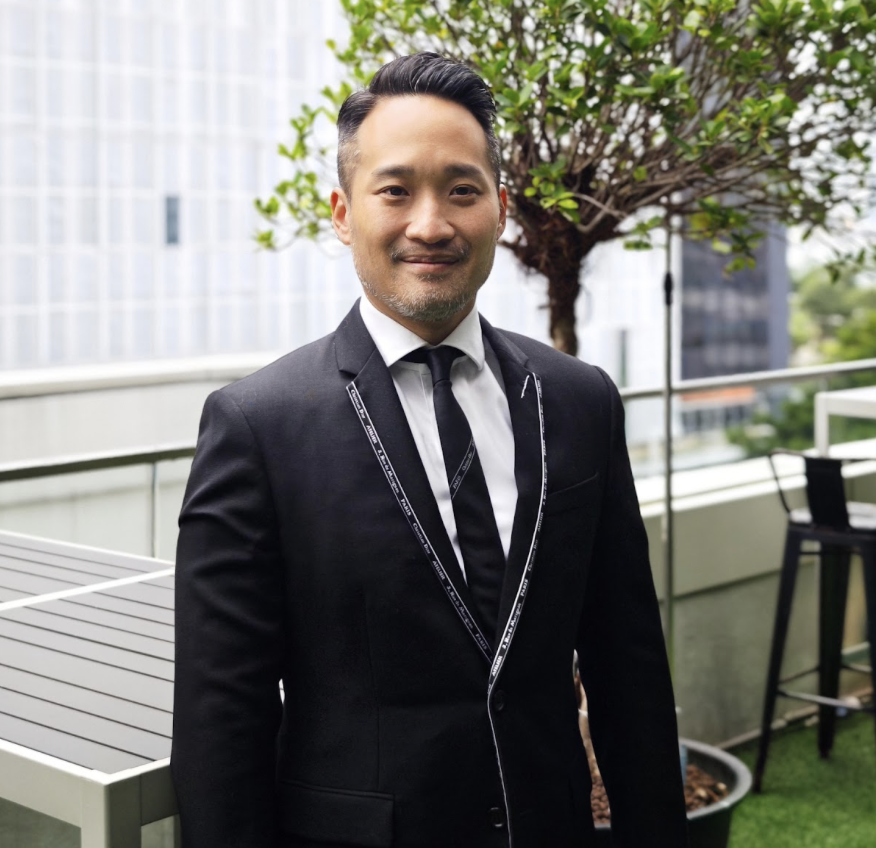
Zachary Chan, co-founder of Hong Kong Liquor Store, an alcohol wholesaler and distribution centre, said the benefit of reduced tax is to convert people to “high-end” consumption.
“The policy opens up the market for these premium liquors, as it gives us chances to sell them at a reasonable price that people are willing to buy,” said Chan.
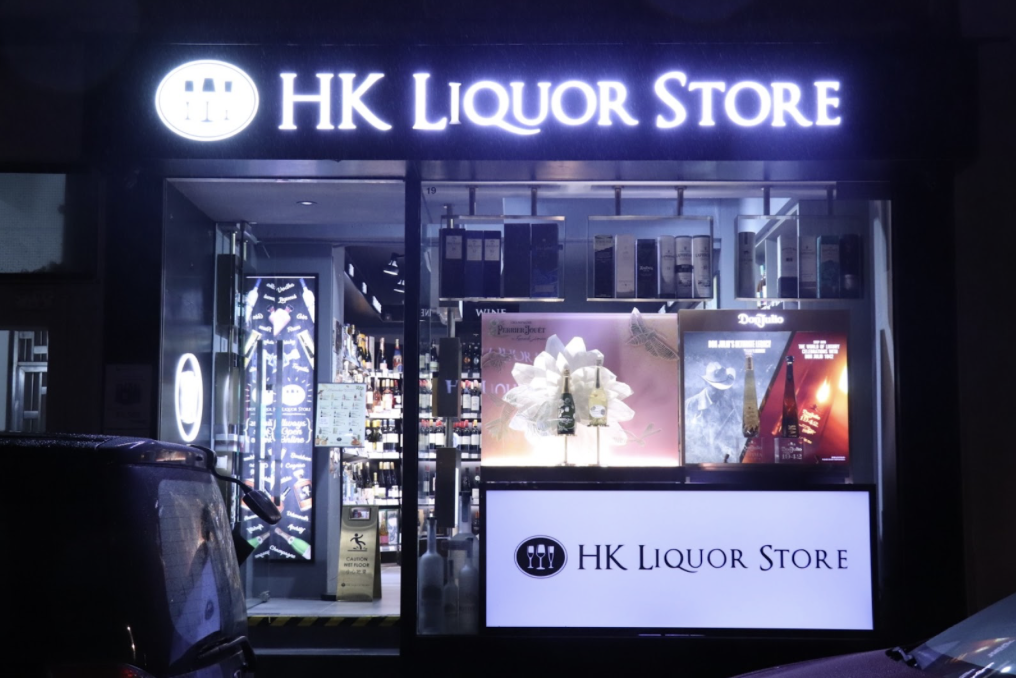
Besides unbearable costs, changed consumer consuming habits is another pressuring issue local bars grapple bitterly with.
“People are different now,” said Alanis. “Not many people like to drink compared to before.”
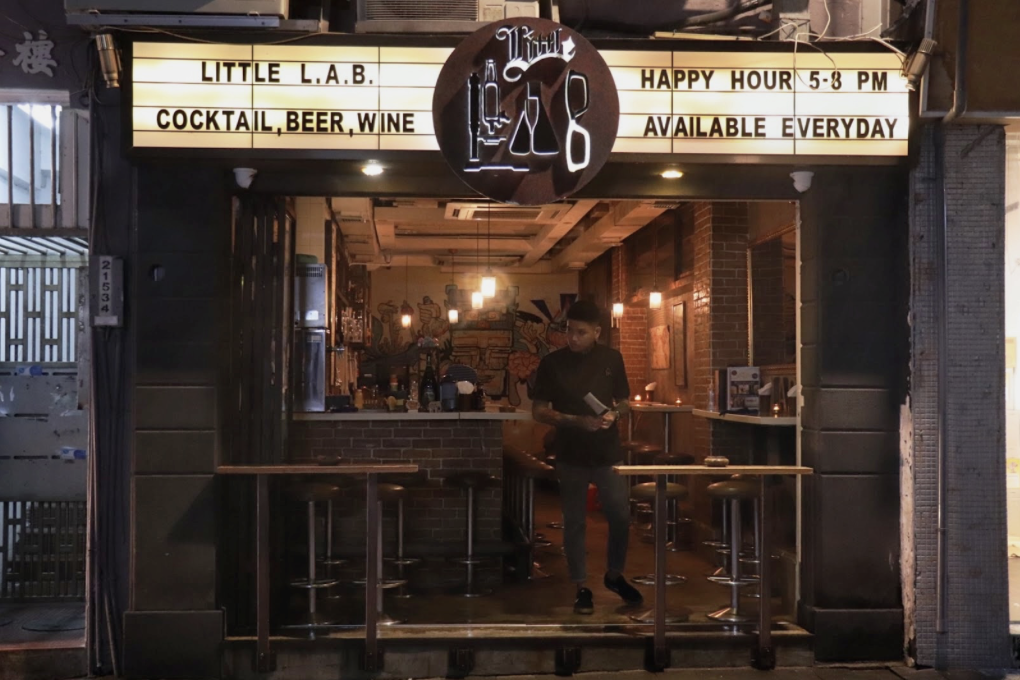
The lockdowns have changed citizens’ habits, as they found there is no need to go outside to have fun. The heavily hit economic growth is another constraint limiting spending, as staying at home generally costs nothing.
“Local customers also go to China, like Shenzhen, to spend,” said Frankie Choi, manager of LE JARDIN. “The prices are cheaper, the place is bigger, and the service is good in Shenzhen. These elements attract people,” he added.
A report published by The Chinese Manufacturers' Association of Hong Kong shows that local residents' expenditure in overseas markets surged by 64.7% and 29.3% in the first two quarters of 2024 compared year-on-year, showcasing a preference for spending abroad over domestic markets.
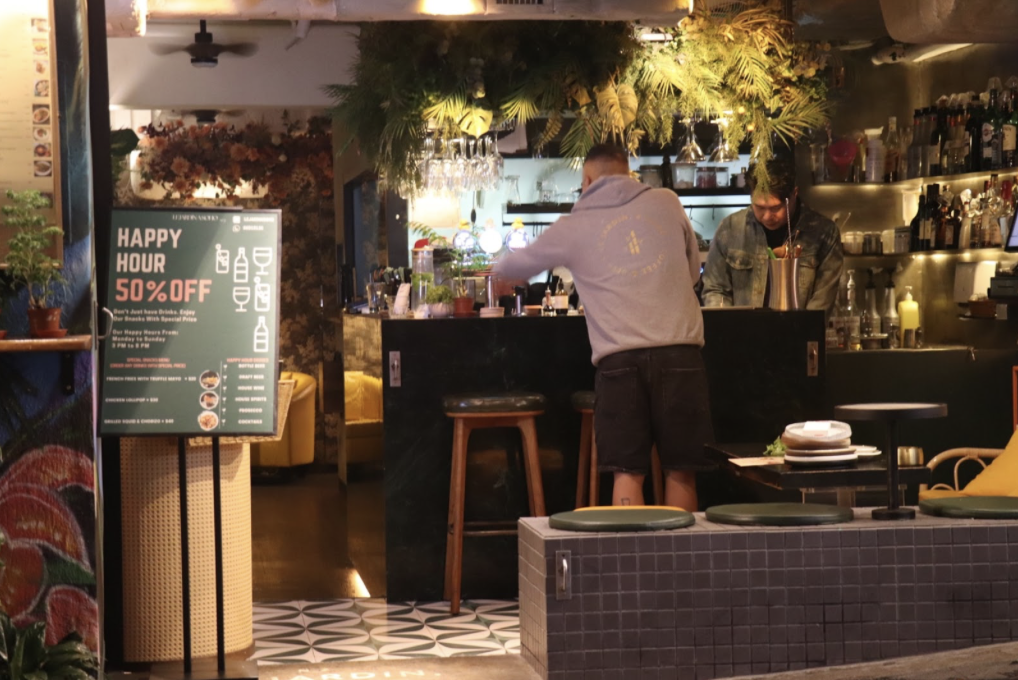
However, Chris Kong, tendre of The Old Man – an award-winning bar, said he remains “optimistic” about local bars' developing as an industry player for a decade, despite a less satisfying recovery pace.
“Hong Kong is (an) international (city) with a solid and robust drinking culture,” said Kong. “It has connections with the world, and customers overseas are coming back to enjoying Hong Kong flavours. We are not at the level before the pandemic, but are making progress, ” he added.
《The Young Reporter》
The Young Reporter (TYR) started as a newspaper in 1969. Today, it is published across multiple media platforms and updated constantly to bring the latest news and analyses to its readers.

Reshaping the way consumers see food products

ChatGPT as psychological counsellor: lifeline or limitation?


Comments