
Nepal’s 2025 protest: youths hope for political change, experts urge structural reformation
- By: LAI Uen LingEdited by: KURNIAWAN Trista Vania
- 2025-10-09
Pravakar Bogati, 22, graduated with an engineering degree in Nepal last year, but has been unable to find a job in the capital of Kathmandu despite months of looking. So when protests broke out in early September, he joined, hoping his voice would lead to political change.
It worked. After six days of violence, large-scale protests in different cities that saw more than 70 killed, mostly young protesters shot dead by police, the prime minister resigned and parliament was dissolved.
Former Chief Justice Sushila Karki was appointed interim leader, and a general election is now scheduled for March, sparking hope for reform, particularly among Gen Z. Experts, meanwhile, are calling for institutional changes in the country's economy and society.
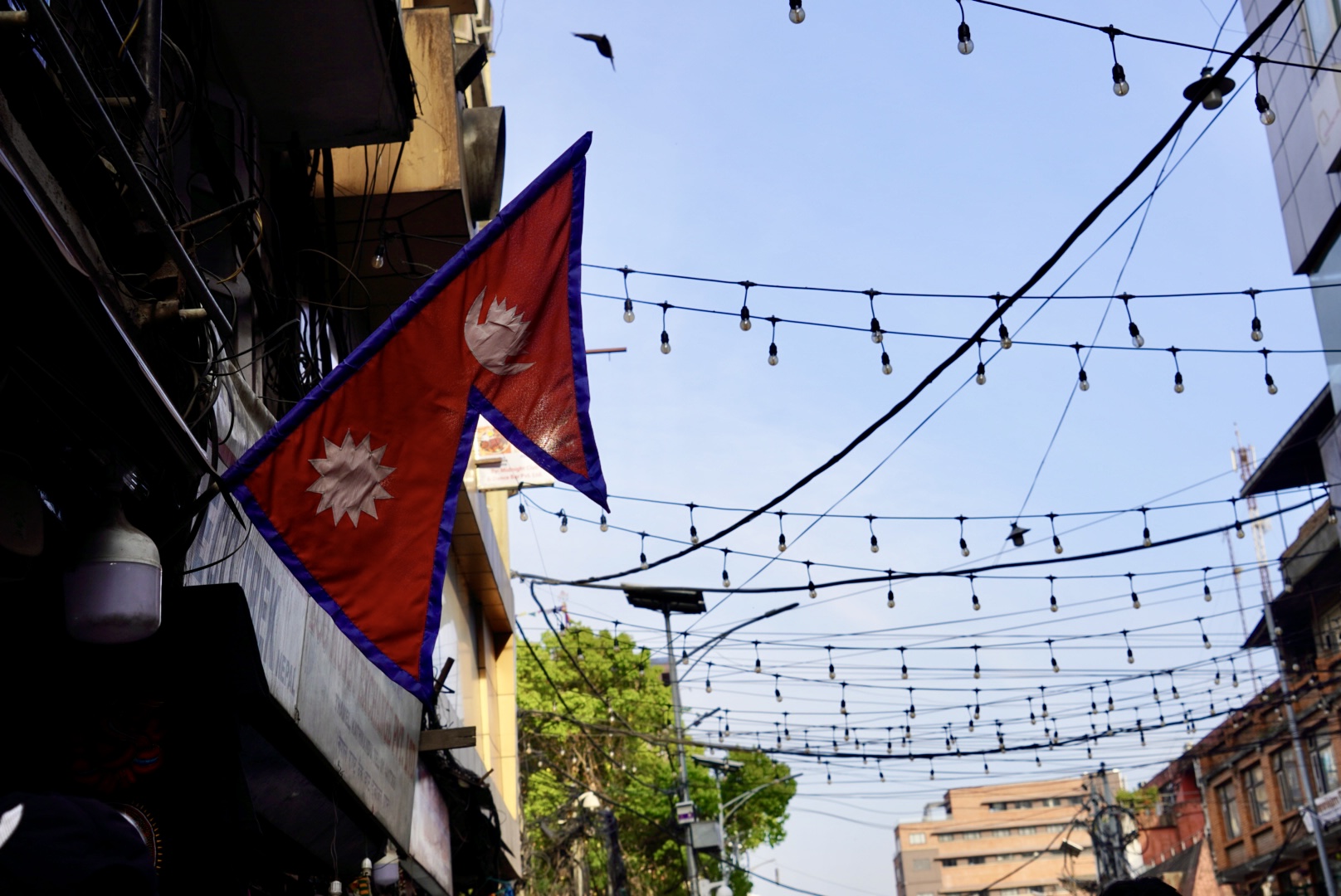
Bogati said it was important to stand up to let the government know the demands of the public.
“It was not about toppling the government,” he said. “We wanted to let them know that there are certain people among the youngsters who have a different view on the political stances of the people and how the government should be run, how the country itself should be.”
A decade-long civil war transformed Nepal from a 240-year-old monarchy to a republic in 2008. Three major parties have dominated the government since: The Nepali Congress, Communist Party of Nepal (Unified Marxist–Leninist) and Communist Party of Nepal (Maoist Centre).
In a game of political “musical chairs,” as Bogati describes it, there have been 13 prime ministers from these three political parties since 2008.
Bibek Raj Kandel: “The old narratives the political parties used to sell about how they managed to make the country a republic no longer resonate.”
Bibek Raj Kandel, an analyst and AsiaGlobal Fellow at the University of Hong Kong, said Gen Z protested for change because they did not experience the monarchy that the older generations did.
“The old narratives the political parties used to sell about how they managed to make the country a republic no longer resonate. People want real, material change. The youth need opportunities,” he said.
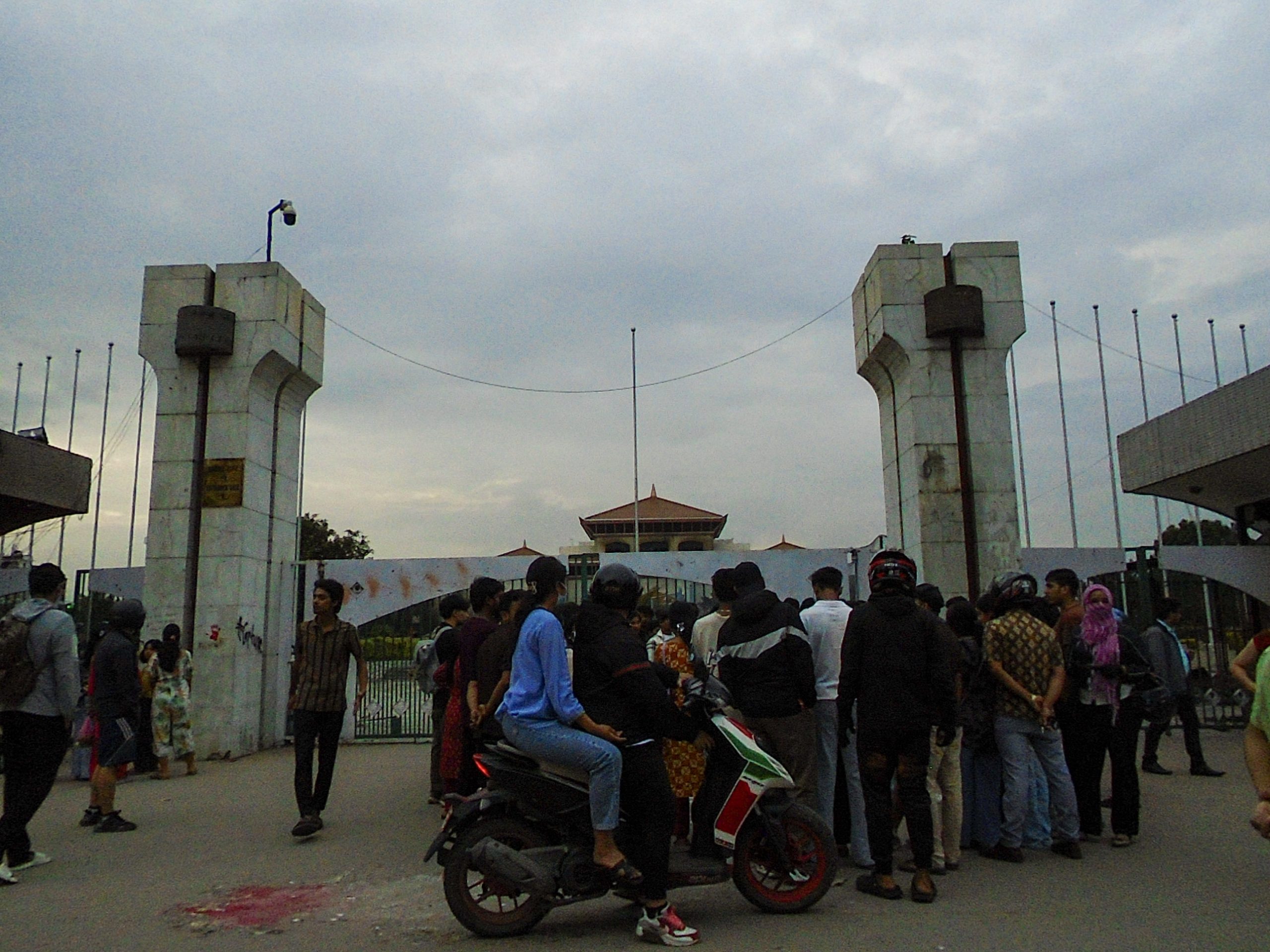
Sudipa Mahato: “I think it's going to influence the coming generation to be politically aware and educate themselves.”
Nepal has a large youth population, with a median age of 25.3 years, while the global average is 30.9 years, according to the United Nations.
Previously called “laid-back, not involved in current affairs” by her older family members, Sudipa Mahato, 20, a student, joined the protest in Kathmandu. She said her generation is now being taken more seriously because of the protests.
“Even my parents call me Gen Z. They don’t call me ‘daughter’ anymore,” she said.
Mahato plans to vote for the first time in the upcoming election.
“Politics was never the hot topic for us to discuss. Now, I think it’s going to be more included in our everyday conversations,” she said.
Interim prime minister Karki, Nepal’s first female leader, announced on Sept. 25 that the legal voting age has been lowered from 18 to 16.
Kandel said he hopes Nepali youth will take more part in public affairs, even if they are not currently politically active.
“I wish they would take more participation — not just in protests. Now it's about building, recreating, and re-imagining the story of Nepal,” Kandal said.
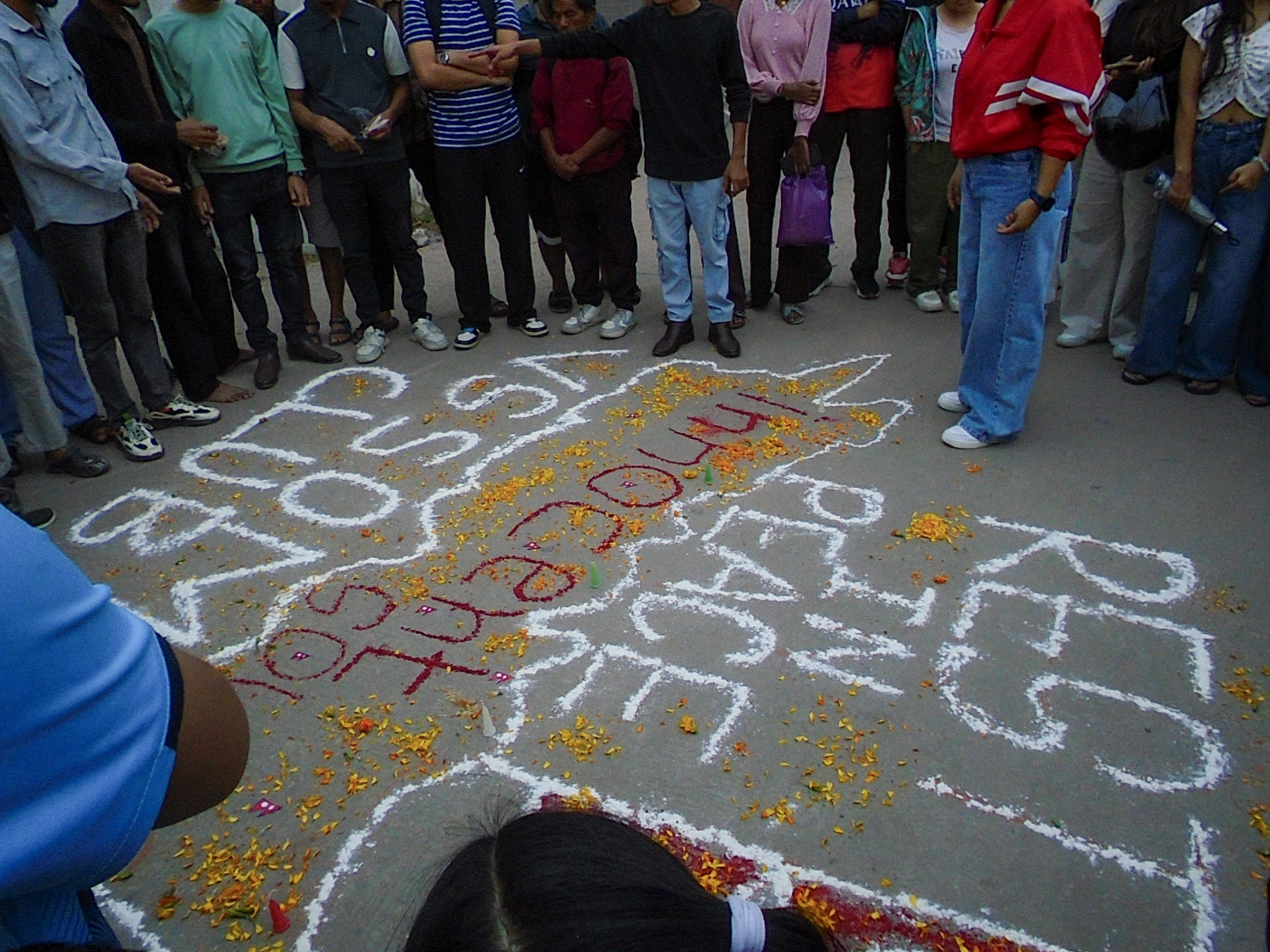
Botagi said he looks forward to seeing what the interim government can achieve in six months.
“I will want the government, the people to move forward, in terms of the growth and the vision that we want to see,” he said, adding that he hopes the economy can be stable and support local business.
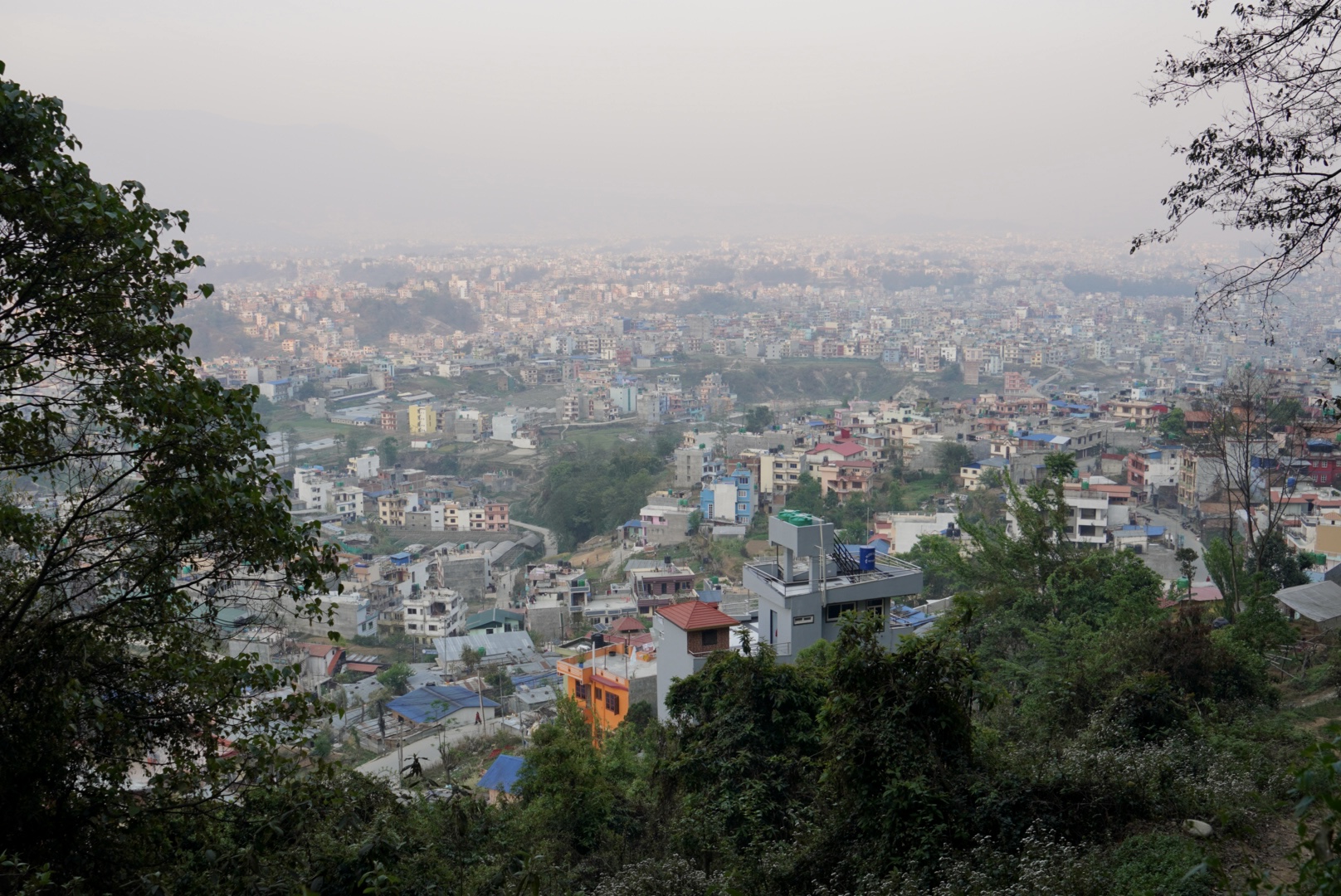
Changing Nepal’s economic structure may prove to be a difficult task. Nepal’s economy has heavily relied on remittances, money transfers sent by foreign workers home to their families. In 2024, more than a quarter of Nepal’s gross domestic product came from remittances, according to the World Bank.
Although the per capita GDP in 2024 reached US$1,447, the highest on record, it is still behind Sri Lanka’s US$4,516 and Bangladesh’s US$2,593, where there were also youth protests in 2022 and 2024.
“There are rich people who can afford luxury products worth thousands of dollars — items that are far beyond the reach of most Nepalis,” Bogati said.
Mohit Sharma: “Without money, resources and connections it's very hard to survive in Kathmandu.”
Corruption has long been an issue in Nepal, where it is ranked 107th among 180 countries on the Corruption Perceptions Index 2024 compiled by Transparency International.
Mohit Sharma, 22, from Nepal who studies economics at Hong Kong Baptist University, said he supported the protest as it was about raising youth’s voice against the system.
“The corruption in Nepal is severe,” he said. “I was just born with the mentality that the government just does not work”.
Sharma said he wants to work in Hong Kong after graduation and return to Nepal when he has enough resources and money.
“When I was in Nepal, it's very hard to survive in Kathmandu without money, resources and connections. You'll be a nobody even though you have a lot of skills and potential like you wouldn't reach anywhere,” he said.
Bibek Raj Kandel: “Eventually, it's not about shortcuts, or any new phase, new party, or alternatives. Nothing is going to change overnight. We need to work on the institutions.”
Nepal’s unemployment rate in 2024 is 20.82%, a slight increase from 2023, according to the World Bank. From 1991 to 2024, Nepal’s unemployment rate averaged 19.52%.
With weak governance and rising geopolitical conflicts, Kandel said Nepal should find a new story for itself.
“Remittance cannot continue to be the core part of our economy. We cannot keep on exporting our youth abroad. These people eventually need to see their future at home,” Kandel said.
“The protests should be a moment to recalibrate our entire socioeconomic order, to reconsider how we position ourselves in the global order, and how we can rebuild or recalibrate our social relations,” he said.
Before the protest, Bogati said he neither saw people posting about Nepal, nor how much they love the nation on social media — it was always about getting out of the country or going abroad to build their dreams. But the protest changed some people’s minds.
“They (Nepalis) wanted to leave the country to find jobs abroad. I think this has changed after the protests — people are looking forward to opening businesses here and giving back to the country,” he said.
“Most people, including me, want to live here. Of course, they want to achieve, but at the end of the day, they miss the calm mountains of Nepal,” he said.
《The Young Reporter》
The Young Reporter (TYR) started as a newspaper in 1969. Today, it is published across multiple media platforms and updated constantly to bring the latest news and analyses to its readers.

Blazing fire dragon dance ignites Tai Hang to celebrate Mid-Autumn Festival

Hong Kong eyes tech-driven online platform for port community to catch port trade opportunities| LSCM Logistics Summit 2025


Comments