
Big city lights? Too mainstream. Young Chinese travellers now prefer to crave the road less travelled.
Chinese Gen Z travellers are ditching crowded classics for off-the-beaten-path destinations in Europe. The hunt is on for niche places that promise more profound, more authentic local experiences, turning once-mainstream spots into personalised immersions.
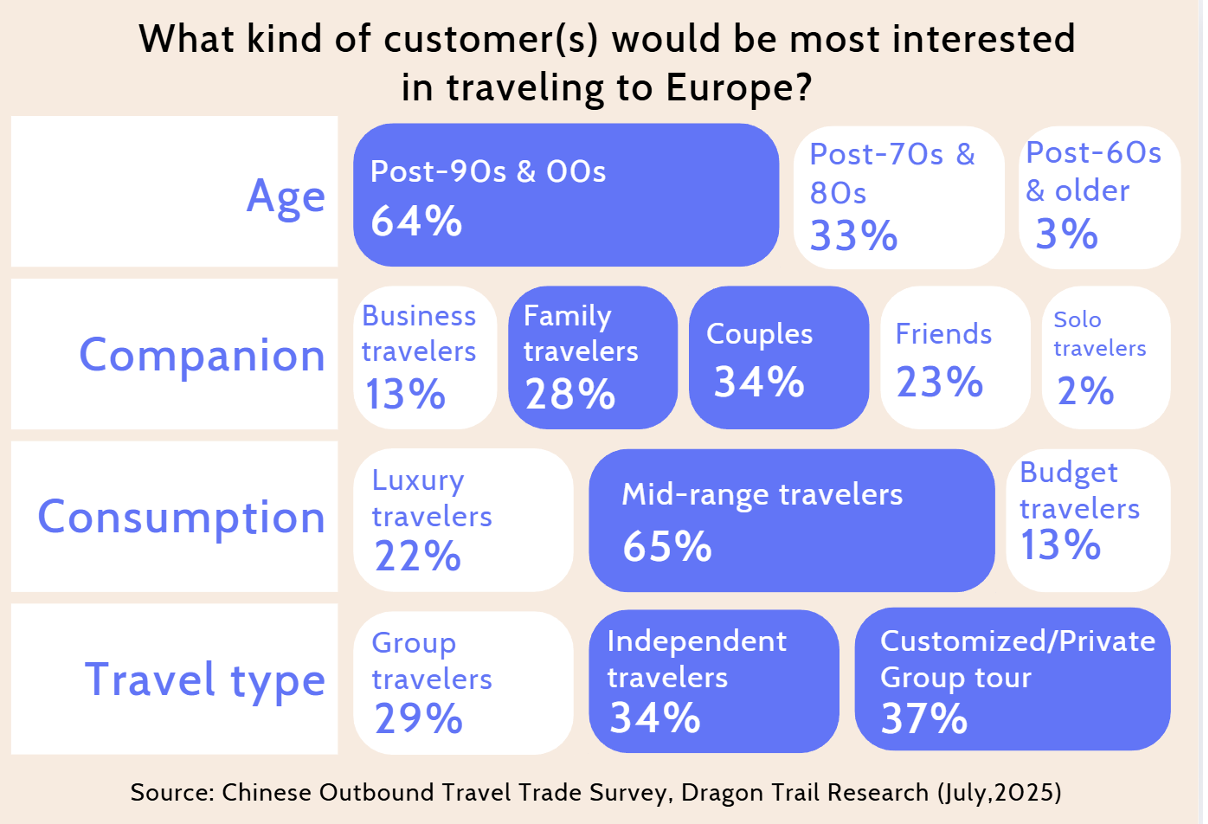
Gen Z travellers, generally defined as those born from the mid-to-late 1990s to the early 2010s, favour cultural deep dives over cash-splashing consumption. They seek stories and experiences that resonate long after the trip ends.
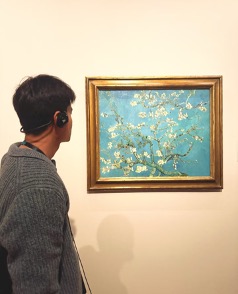
Wang Yang, 28, came to the Netherlands to visit the Van Gogh Museum on October 1 after learning on social media that the museum faced the risk of closure due to budget constraints.
His reservation wouldn't load on his phone at first, but a tip from Rednote, a popular Chinese social media, helped him purchase a ticket at the entrance.

“Enjoy your visits!” chirped the staff as Wang secured his ticket, sharing a warm grin with the ticket inspector—a moment that felt like a heartfelt welcome to this 28-year-old adventurer.
His 22-day European odyssey, blending annual leave with the National Day Golden Week, cost him roughly 50,000 RMB—about a quarter of his yearly income.
Departing from Xi’an, China, Wang and his friends didn’t book any travel agent’s service or pay for a local guide; instead, they followed tips and routines shared on social media platforms as a way to craft their personalised journey.
“Europe’s cities pulse with a deeper cultural and historical soul than most places,” Wang explained. “That’s why I came back.”
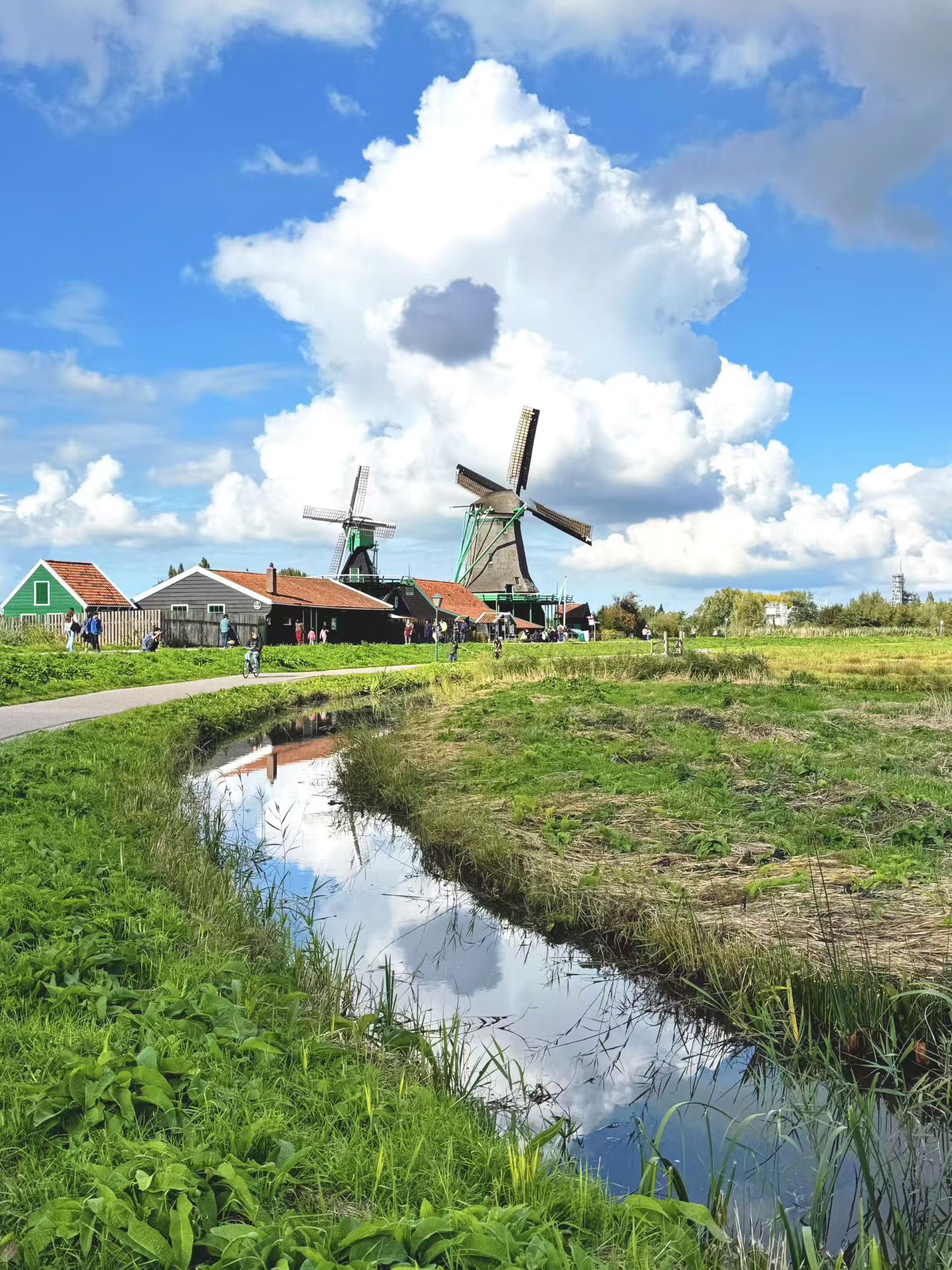
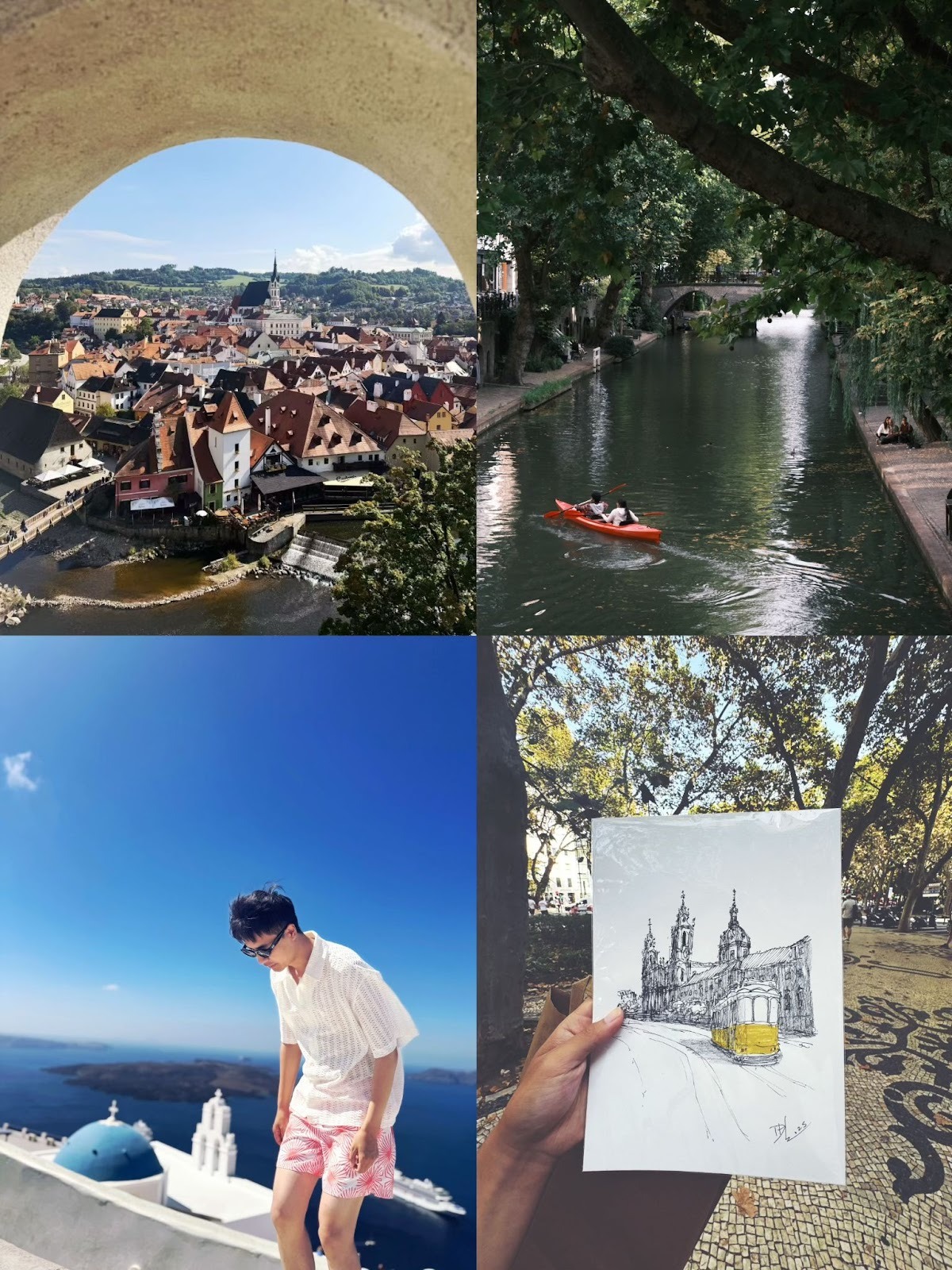
Ditching the well-trodden Barcelona-Paris-Rome circuit, Wang and his friends ventured to Europe’s hidden gems—the Czech Republic, Greece, Portugal, and the Netherlands—while revisiting Spain, a nostalgic nod to a trip six years prior.
“Golden Week outbound demand in China is breaking records. We expect 8 - 8.4M outbound trips overall, and Europe is expecting around 50-54% YoY (growth), ” said Subramania Bhatt, CEO of China Trading Desk, a marketing technology company specializing in research on Chinese consumers.
Bhatt’s comment tracks with Fliggy, a leading Chinese online travel services platform, which reported a 14.6% year-on-year increase in the average order value for holiday activities during the 8-day Golden Week holiday this year.
And notably, Gen Z travellers are driving the surge in bookings.
The platform highlighted a notable shift in traveller preferences, with bookings for small- and mid-sized European cities doubling compared to last year, as tourists increasingly favour niche destinations over traditional hotspots.
As the epic National Day and Mid-Autumn Festival super Golden Week kicks off, short-haul routes still rule the roost by sheer volume—Japan, Korea, and Southeast Asia hold strong in the top five. However, Europe has moved into the first rank of long-haul choices for Chinese travellers this week, surging past the Middle East and America, Subramania Bhatt, CEO of China Trading Desk, shared through email.
The classics—Rome, Madrid, Paris—are seeing a boom, aligning with sentiment analysis showing “Europe” muscling back into the top destination picks alongside ever-popular regional haunts. In Q1, Europe ranked fifth overall (≈10%) despite the short-haul influence, and by Q3, it’s still a standout among “Top Countries/Regions.”
Lesser-known European places like Düsseldorf, Frankfurt, and Copenhagen are drawing crowds, easing the strain on the tired Paris-Rome-Barcelona trail. Platform-driven, free-and-easy trip planning—fueled by Rednote, Douyin, and online travel agencies—remains king, Bhatt noted.
Yue Gai, an economics lecturer at the University of Swansea in the UK, stated that the rise of niche approaches is inseparable from the impetus provided by social media.
“Gen Z Chinese travellers are digital natives who see travel as a way to express identity and creativity,” Yue said. “Platforms like Xiaohongshu and Douyin draw them to experiences that feel authentic, shareable, and culturally immersive.”
Taking skincare or cosmetics, for example, Wang explained that the price gap between China and abroad isn’t the magnet it used to be. While domestic prices might seem higher, with frequent promotions, free samples, and gift-with-purchase perks, the value evens out.
“Honestly, it’s often more convenient to just buy at home,” he added.
This evolving consumption trend extends to outbound travel, where adventurous activities like diving, sea fishing, skydiving, and skiing saw bookings rise by nearly 30% year-on-year, according to Fliggy.
“The growing appetite for unique travel experiences is reflected in the expanding range of leisure activities,” the platform stated, underscoring the dynamic shift in holiday preferences.
Unlike Wang's multi-country itinerary, Chai, a 27-year-old woman from China, chose to travel to the UK during the Golden Week, based on practical economic considerations.
Compared with “ridiculously expensive” airfares to continental Europe countries, she decided to visit the UK during this year’s Golden Week holiday.
However, she found that the UK's spending levels are actually higher than most countries she's ever been to, compared to her previous visits to the US, Japan, Southeast Asia, France, and Spain.

Chai's trip to the UK for the National Day holiday lasted 5 days, and she expected to spend a total of 10,000 RMB on accommodation and food, which accounted for nearly 50% of the trip's cost.
“The accommodation in particular cost more, and food and drink were slightly more expensive,” she said.
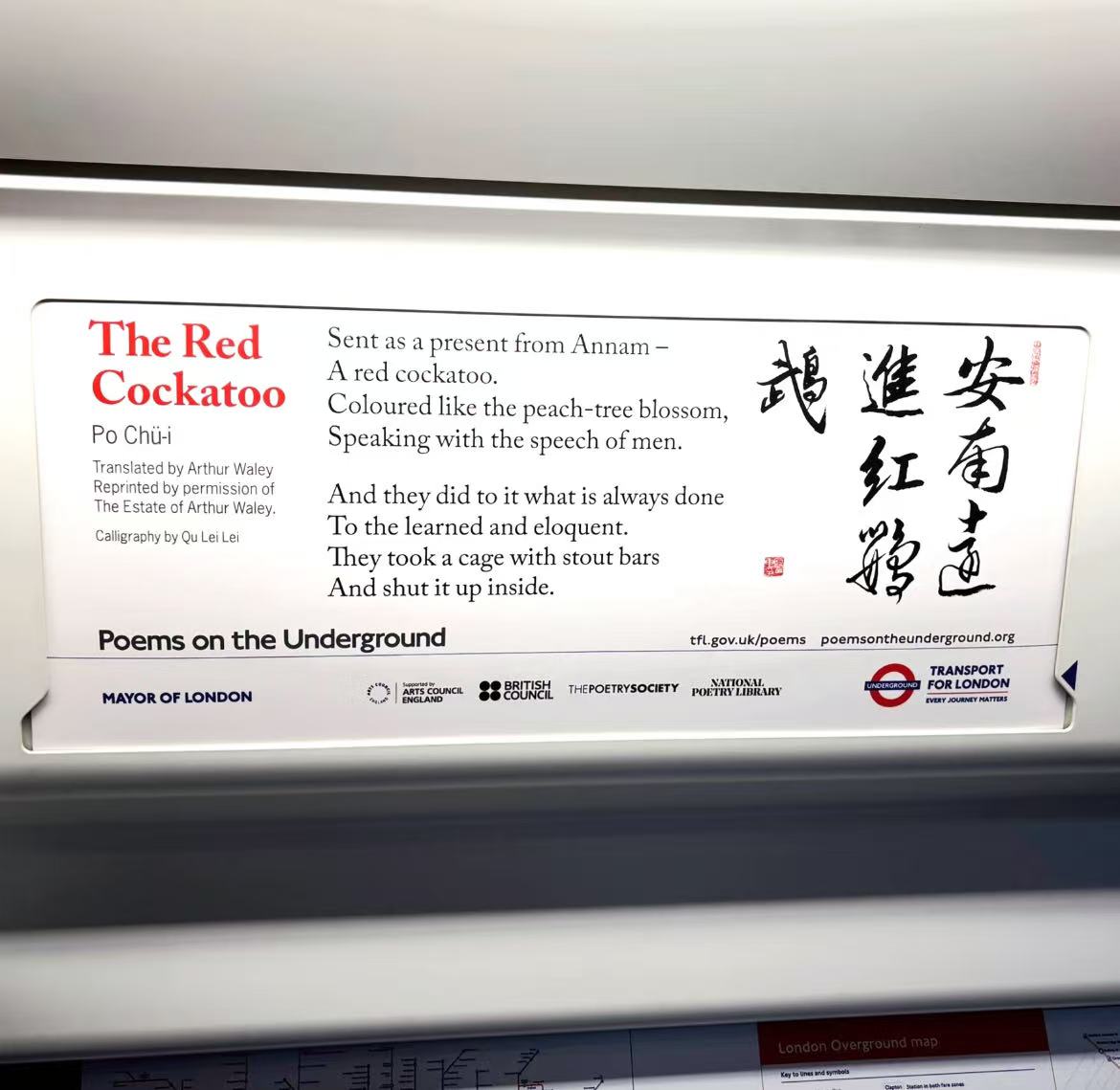
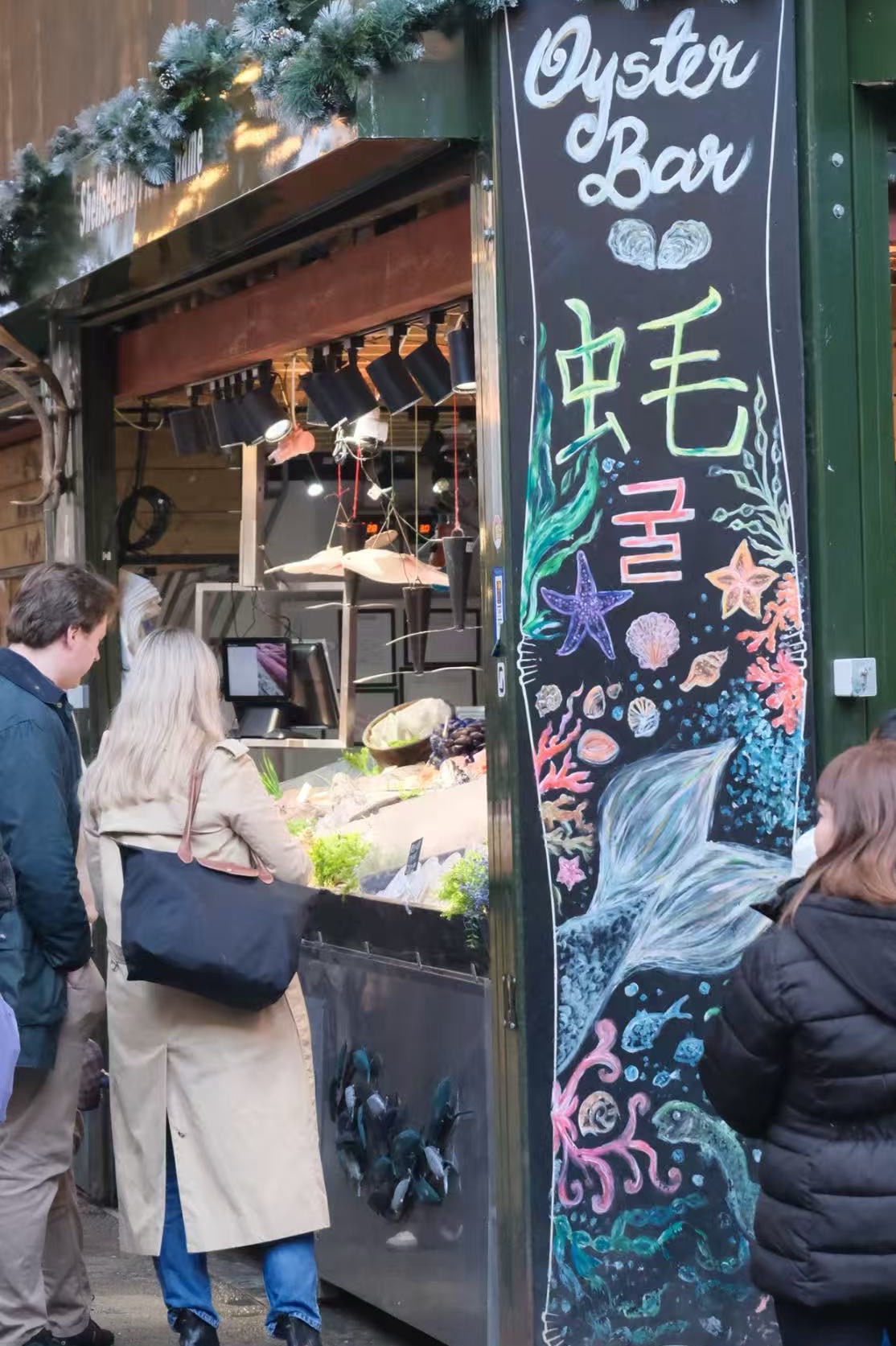
Data from the European Tourism Commission showed that Europe recorded a 3.3% year-on-year increase in the number of Chinese tourists in the second quarter of 2025, but overnight stays fell slightly by 0.7%, reflecting that travellers are shifting to shorter, more precise travel patterns.
Chai is part of a Gen Z demographic that comprises 46% of Chinese visitors to the UK aged 16-34. She said she focused more on experiential spending, such as visiting exhibitions and football matches, than on buying luxury goods.
Guo Yichen, a 20-year-old university student from China, visited London this November. He said that the entrance fees of attractions aren’t too high, the National Gallery and the British Museum he visited in London were both free of charge.
Though the admission fee was low, Guo spent around 258 Renminbi to secure a 3-hour tour led by He Ling, a museum tour guide specializing in Chinese tourists. The group Guo joined contained seven participants in total.
“Having a dedicated tour guide throughout the visit is a form of experiential consumption, well worth the money spent on it—otherwise, the artifacts would remain distant, difficult-to-understand ancient relics to me,” said Guo.
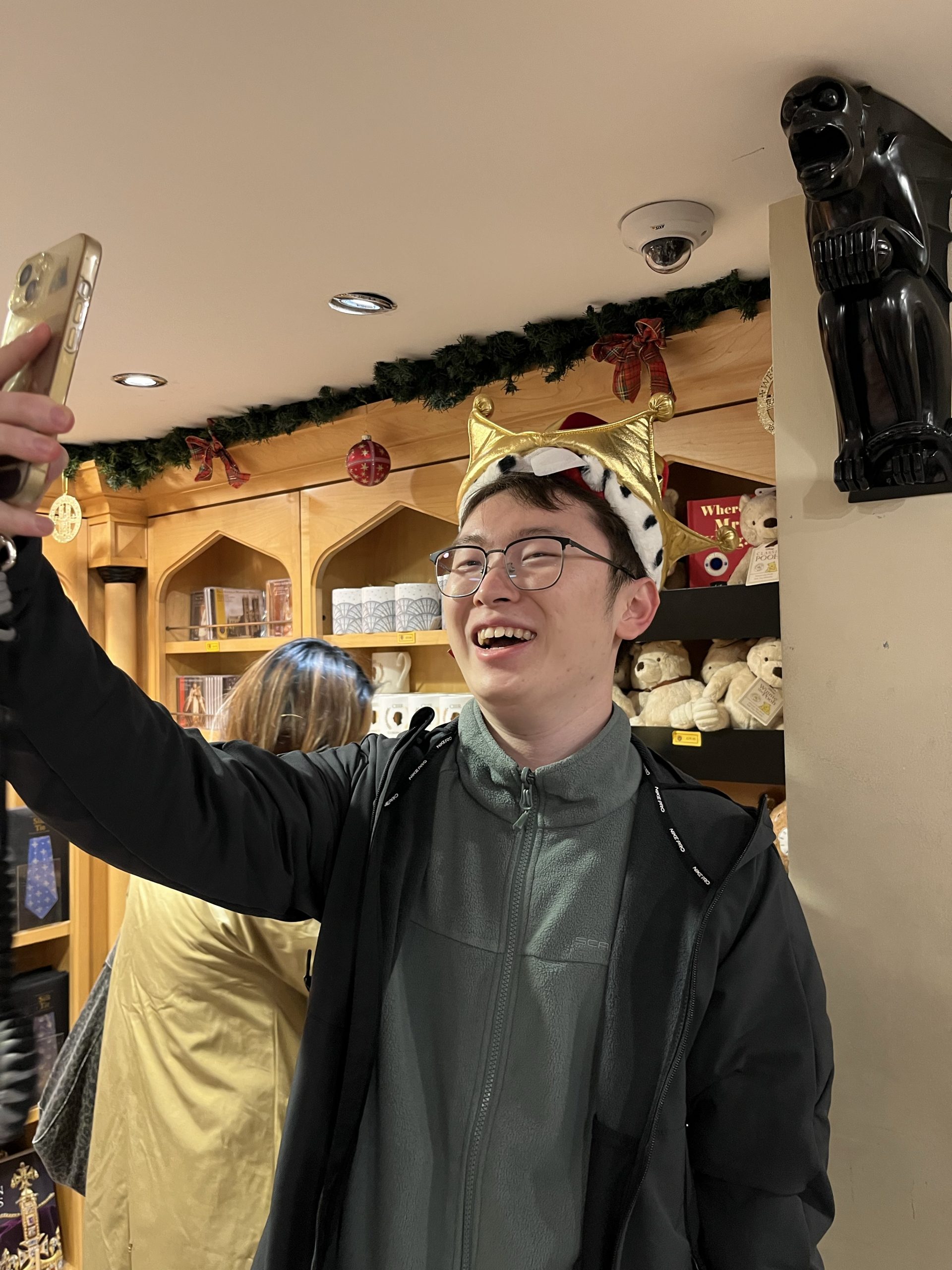
He Ling told the Young Financial Post that she has been in the role for approximately six years.
Her introductions to key exhibits are delivered entirely in Chinese, and clients primarily discover her services through platforms like Rednote.
"To me, guiding is something that remains fresh no matter how many times you do it. Each exchange of ideas with different guests inspires me to view the artifacts from a new perspective," she said.
.jpg)
"For many Chinese tourists, the China Pavilion certainly evokes the most emotions. I once led a group where, when discussing the Dunhuang artifacts, young girls' eyes were all filled with tears," added He.
Yue also mentioned that after the pandemic, many people see travel as a way to rediscover meaning, not just to shop.
“They seek emotional connection, cultural depth, and personal growth through travel experiences — and Europe offers an ideal setting for that,” She said.
“I have to say the experiential spending will give me the urge to revisit the UK next time,” said Chai.
《The Young Reporter》
The Young Reporter (TYR) started as a newspaper in 1969. Today, it is published across multiple media platforms and updated constantly to bring the latest news and analyses to its readers.
IPO regulation reform in the hot market burns winning spaces for retail investors

Raise “fur kids” rich way: Hong Kong pet expenses continue to rise, with emerging premium consumption


Comments