
At MegaBox shopping mall, Giuliana, a border collie known for the breed’s its intelligence and agility, sat quietly in a pet stroller while her owner, Gabriella Ng, bent over to straighten the hem of her dress, ensuring Giuliana could present her best performance during their walk show on Sep. 27.
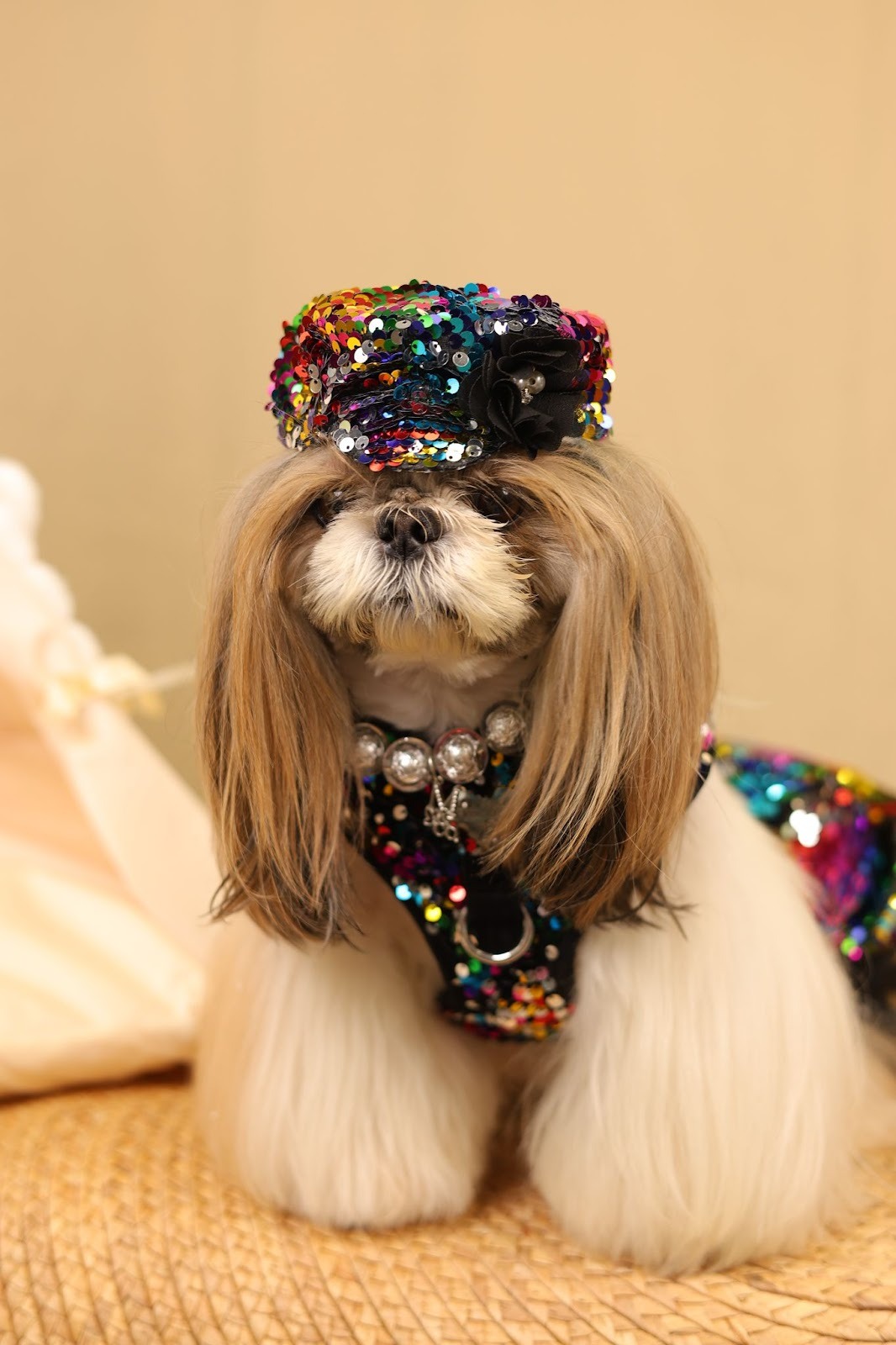
As a fashion designer and content creator, Ng took one month to design her and Giulian’s dress to match each other stylishly for the showcase during the Pet Walk Show 2025.
“It cost about HK$10,000 for these two dresses,” said Ng, pointing at her piece.
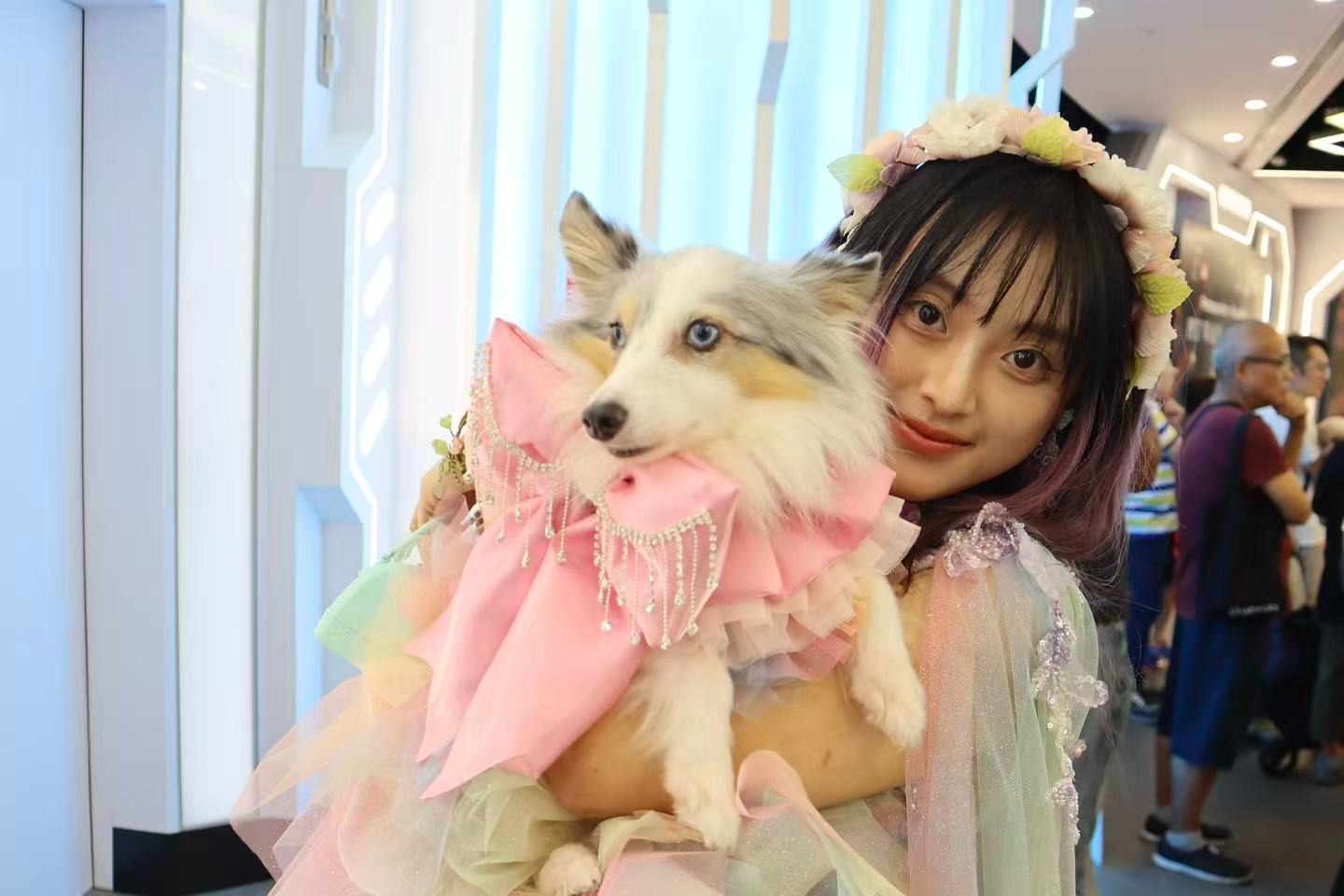
With an average cost of HK$700, Ng shared that Giuliana has around 20 items of clothing.
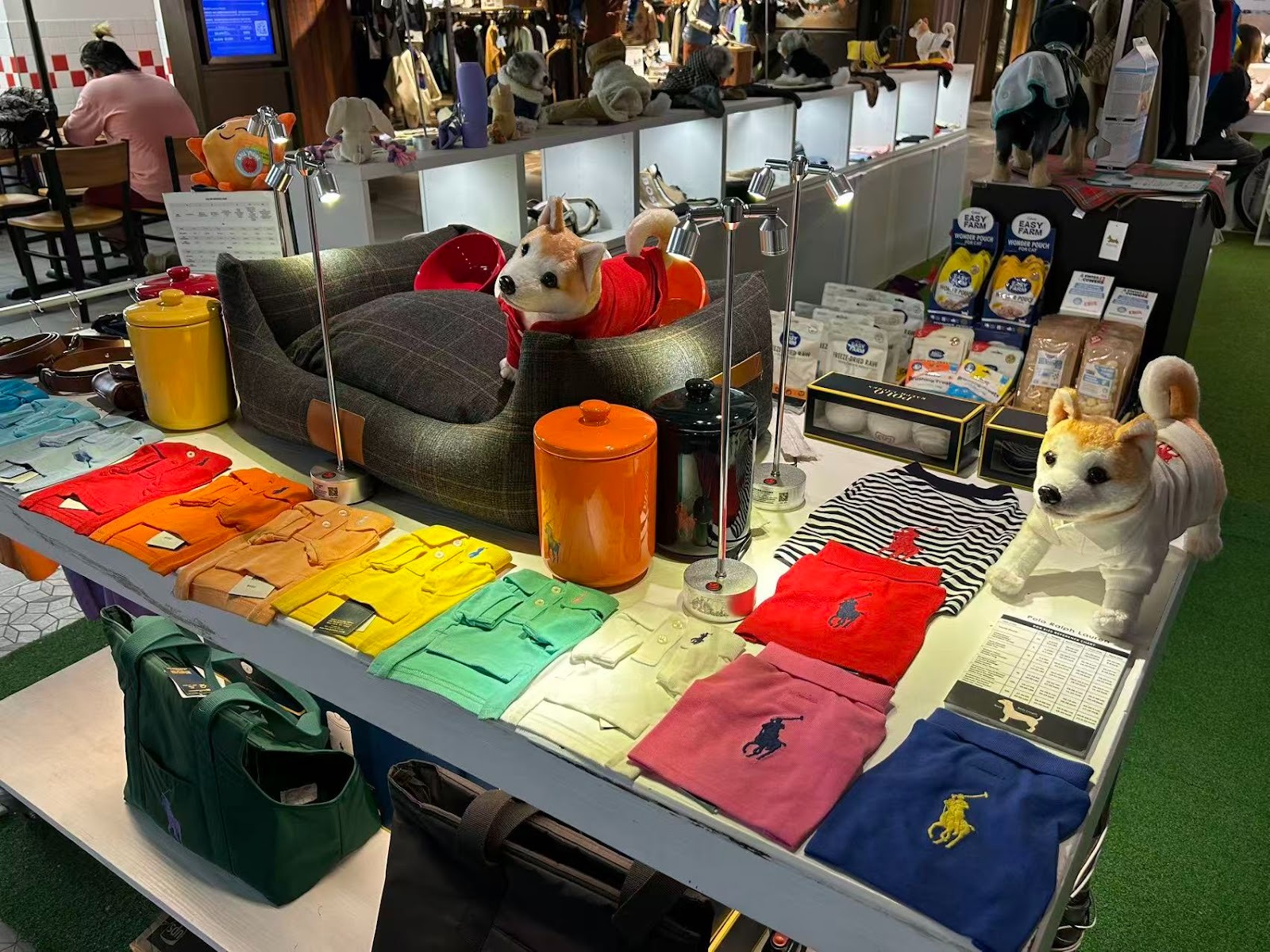
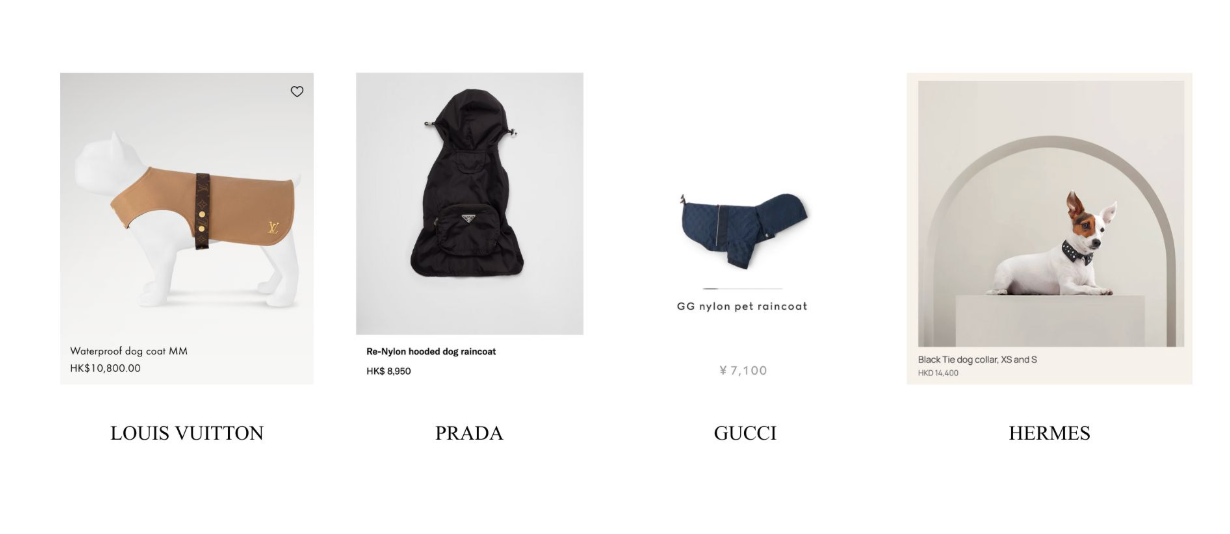
According to Exhibition Group, the organiser of another pet show, 80.1% of about 1,000 respondents reported an increase in expenditure over the past 12 months, with average monthly spending reaching HK$2,086, up 6.3% from HK$1,962 the previous year.
The proportion of people spending between HK$1,501 and HK$2,500 per month on pet care rose from 27.5% to 32.4%. Additionally, 79.1% of respondents expect their spending to increase within the next six to 12 months, over half anticipating at least a 10% rise.
A trend toward premium, personalised pet care is redefining Hong Kong’s pet consumption economy as owners allocate larger budgets into their “fur kids,” boosting the related products and services market.
The global dog clothing market reached US$1.5 billion (HK$11.7 billion) in 2024, according to internal data and industry insights from 6Wresearch released in April.
Tomas Yuen, a retired professor from the Department of Economics and Finance at Hong Kong Shue Yan University, noted the spending shift marks a broader change in consumption patterns. Most pet owners prefer high-quality and luxurious services and products for their “fur kids,” which could change the market’s business model.
“They care about the health, the well-being, and the wellness of their pet,” Yuen said, “they are actually treating them as kids.”
Such change is linked to the city’s slumping birth rate, according to Vincent Lee, a professor at the Academy of Wellness and Human Development at Hong Kong Baptist University.
“Especially for young people, even those who are married, there is little interest in raising children,” Lee said, “so pets become substitutes.”
About 7.4% of Hong Kong pet owners spend more than HK$10,000 on their “fur kids” every month, with over half of pet owners in Hong Kong spending between HK$1,000 and HK$4,999 monthly, according to a survey about dog pet expenditure in 2024 released by OneDegree, a Hong Kong insurer offering pet insurance products.
The report also shows that more than 40% of the expenditure is beyond the basic necessities of pet care. Additionally, owners increasingly purchase personalised services such as pet grooming, photography, and interest classes.
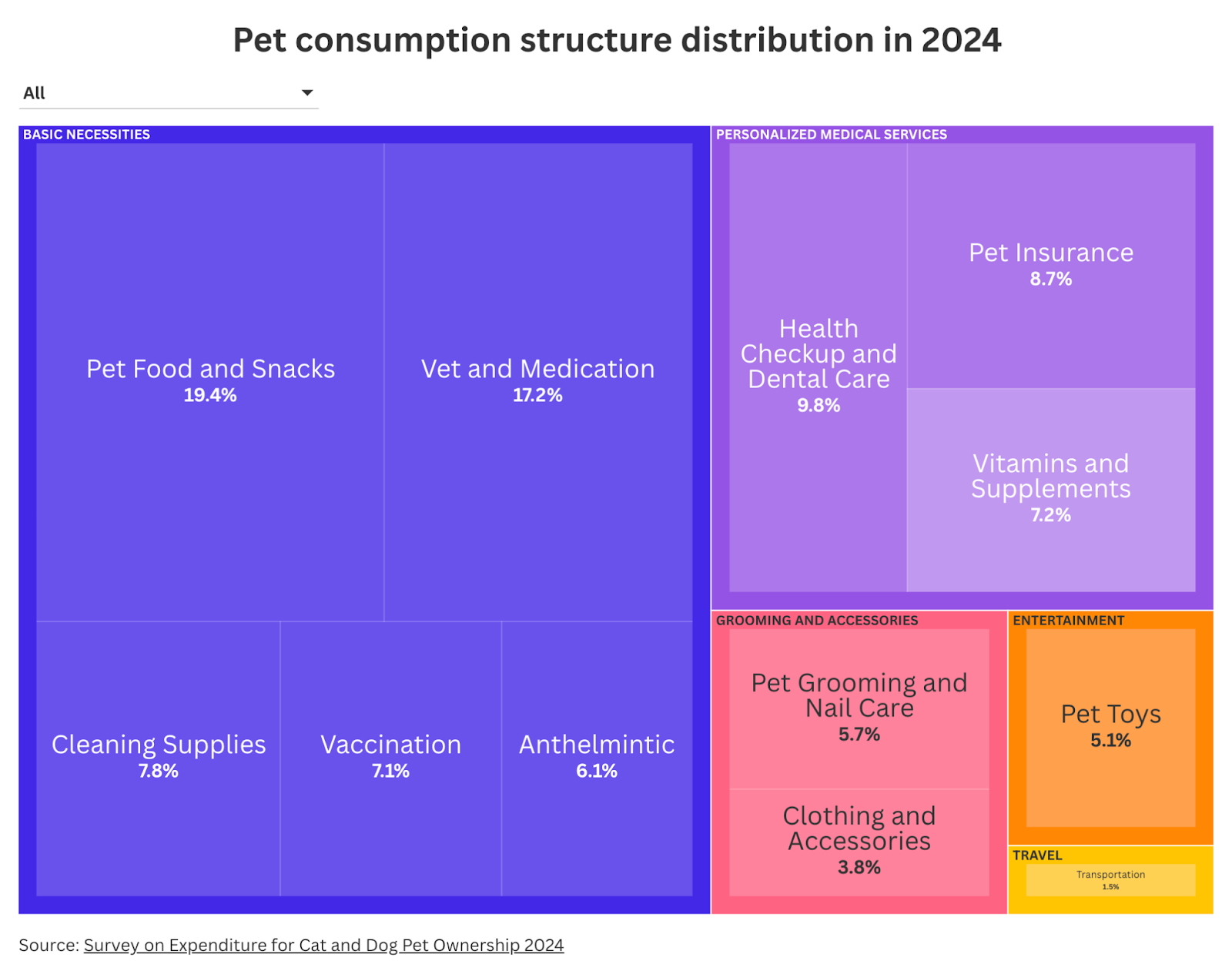
Apart from expenses on basic necessities, clothing and grooming account for 9.5%, and transportation accounts for 1.5%.
Looking ahead, the global pet grooming products market is forecasted to have a 5.40% compound annual growth rate (CAGR) between 2022 and 2029, according to Data Bridge Market Research, a global market intelligence and consulting firm.
The global dog clothing market is projected to grow at an 8.29% CAGR from 2025 and reach US$2.4 billion (HK$18.7 billion) by 2031, said 6Wresearch, a firm specializing in market intelligence and technology consulting.
To make Hong Kong more pet-friendly, John Lee Ka-chiu promised to issue licenses to allow pets into restaurants during his policy address speech this September. Licensed restaurants will display clear signs indicating that customers can bring their pets into the restaurant.
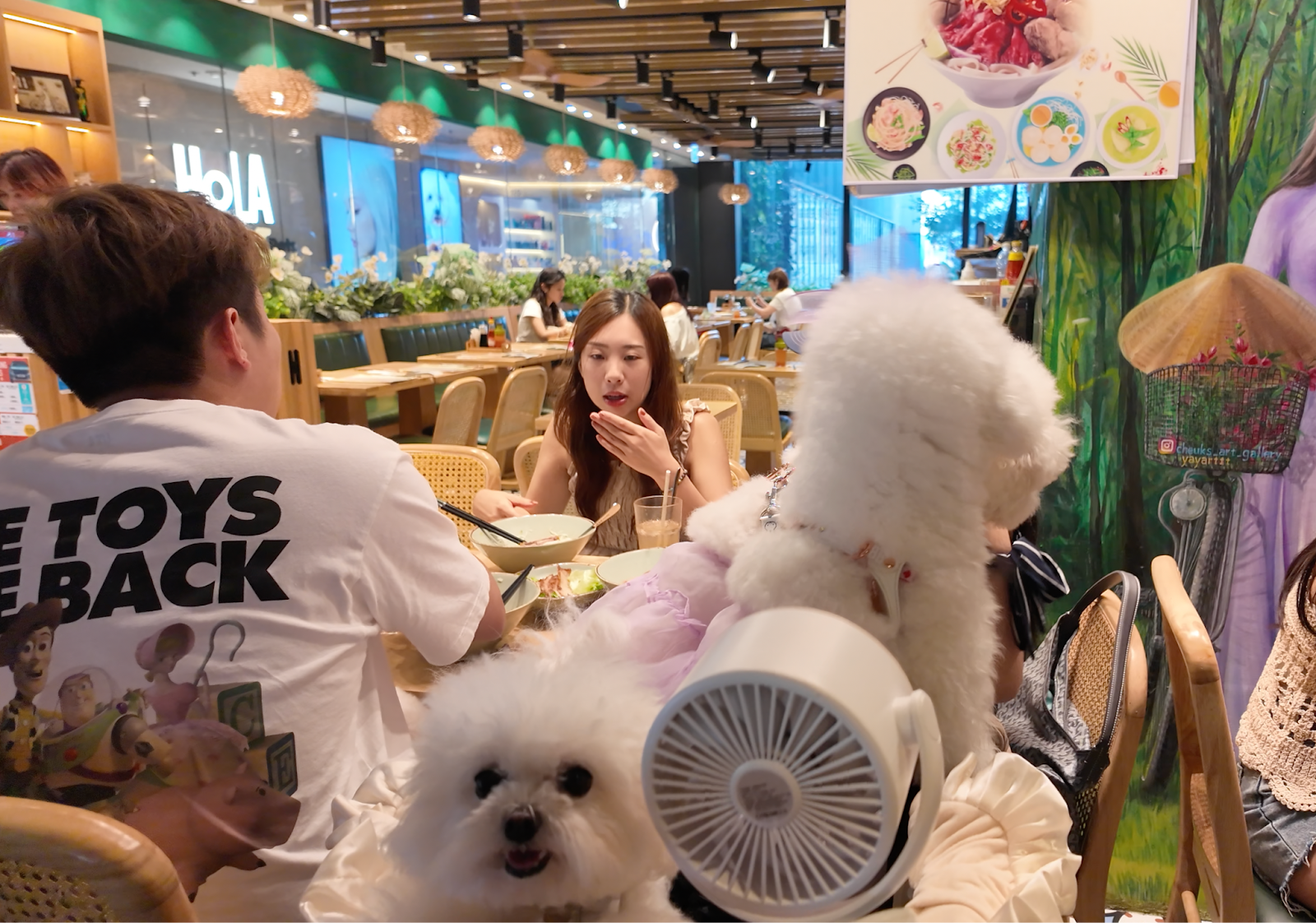
Zoie Cheng, director of business expansion at PetClub Pet Ambulance, said this government policy will stimulate the pet-related economy and encourage pet owners to spend in Hong Kong.
“Since there are really not many such (pet-friendly) places in Hong Kong, we all hope to have more diverse public spaces that can gradually be opened up for pets,” said Cheng.
Cheng hopes that the development of the animal and pet industries will actually improve the current “ice age” in the catering industry.
However, Vincent Lee is concerned that the economic impact of such policies may not be as strong as the government anticipates, considering that allowing pets inside could reduce the number of tables, leading to lower profits or higher charges.
With such pet-friendly policies, the Hong Kong Baptist University professor also suggested that staff at pet-friendly venues undergo professional training to adapt to the new business model effectively.
《The Young Reporter》
The Young Reporter (TYR) started as a newspaper in 1969. Today, it is published across multiple media platforms and updated constantly to bring the latest news and analyses to its readers.

Chinese Gen Z shifts focus to lesser-known European destinations amid social media trend

From ‘brain rot’ to balance: Gen Z’s pursuit of meaningful content in fragmented media


Comments