
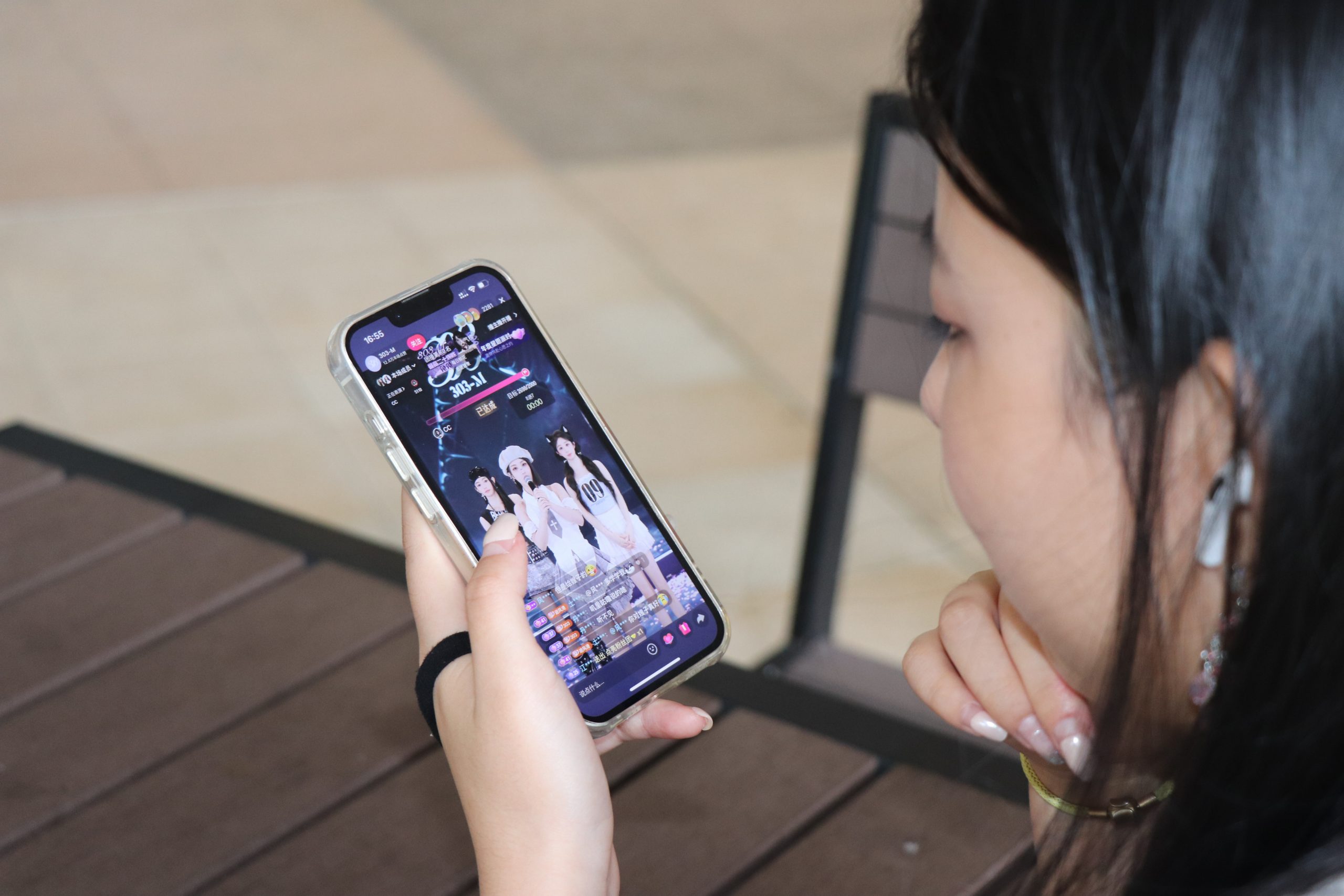
Every day, Zhang Danying, 22, an undergraduate student from mainland China at Hong Kong Baptist University, turns her phone on to enjoy scrolling through clips and image-driven posts on social media from the moment she wakes up. She spends almost 12 hours a day watching netizens dancing to pop music, or trying out various challenges.
Zhang aspires to seek learning advice and reach for lighthearted social snippets to feel relaxed. Instead, she grew anxious from social comparison with people, and came down to media addiction that disrupted her daily routines out of the cyberworld, with constant inner struggles.
“It is hard not to watch social media for a day,” Zhang Danying said. “But after watching it, I feel uncomfortable all day.”
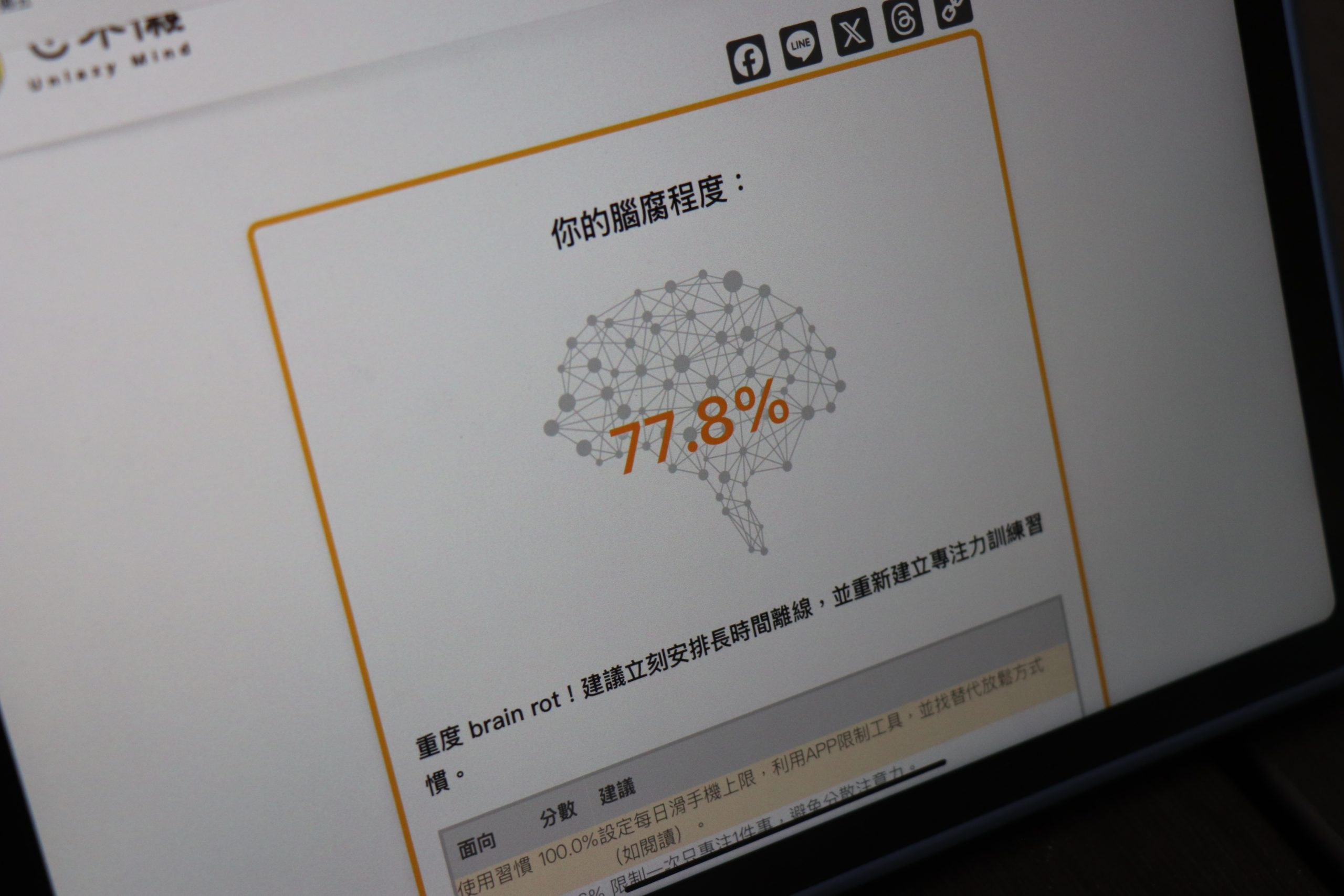
Zhang is not alone. In mainland China as well as globally, it has become common for Gen Z to jokingly claim they are suffering from “brain rot”—a slang phrase that means poor cognitive skills and fading memory after hours of social media scrolling. As noted by the Oxford University Press in 2024, usage of the term “brain rot” surged by 230% from 2023 to 2024.
According to a 2024 survey by Bazaarvoice in Statista, 34% of interviewees' responses that short-form videos, such as TikTok and Instagram reels, are more effective at spreading online than text-based posts.
Based on Metricool Viral Trends Analysis, popular social media posts include catchy music, timely hashtags, evolving cultural conversations and collective online experiences, shaping as a market strategy.
As noted by the China Trends 2024 by Groove Dynasty, it highlights Douyin phenomena of emerging social experiment-type challenges, one case is that participants stage humiliating acts in crowded elevators to capture bystander reactions. Other examples include the ‘APT. Dance’ that features hand gestures with upbeat music.
Zhang Danying is caught up in the wave of the latest social media craze.
In a short drama ‘The Return of the Cleaning Mom’, a young billionaire proposes marriage to a middle-aged cleaning lady after a one-night encounter, narrative to deliver an identity twist that the cleaning lady is a hidden tycoon.
Zhang does not admire the online short dramas trending online, which storylines appear to be unrealistic. Yet, this kinds of content continue flooding her feeds and she cannot resist consuming, as this content is getting high view counts and is recommended to every user in Xiaohongshu.
Zhang has the most access to the theme of ‘reborn in ancient times and change fate’, which is based on illusion.
“The scripts are exaggerated, spinning ‘Cinderella‑style’ tales or scripting a revenge story from the viewpoint of a marginalized party,” Zhang said. “ The storylines are typically low in quality with formulaic plot structure, rushing immediately toward a climax, stories even cut off halfway to lure viewers.”
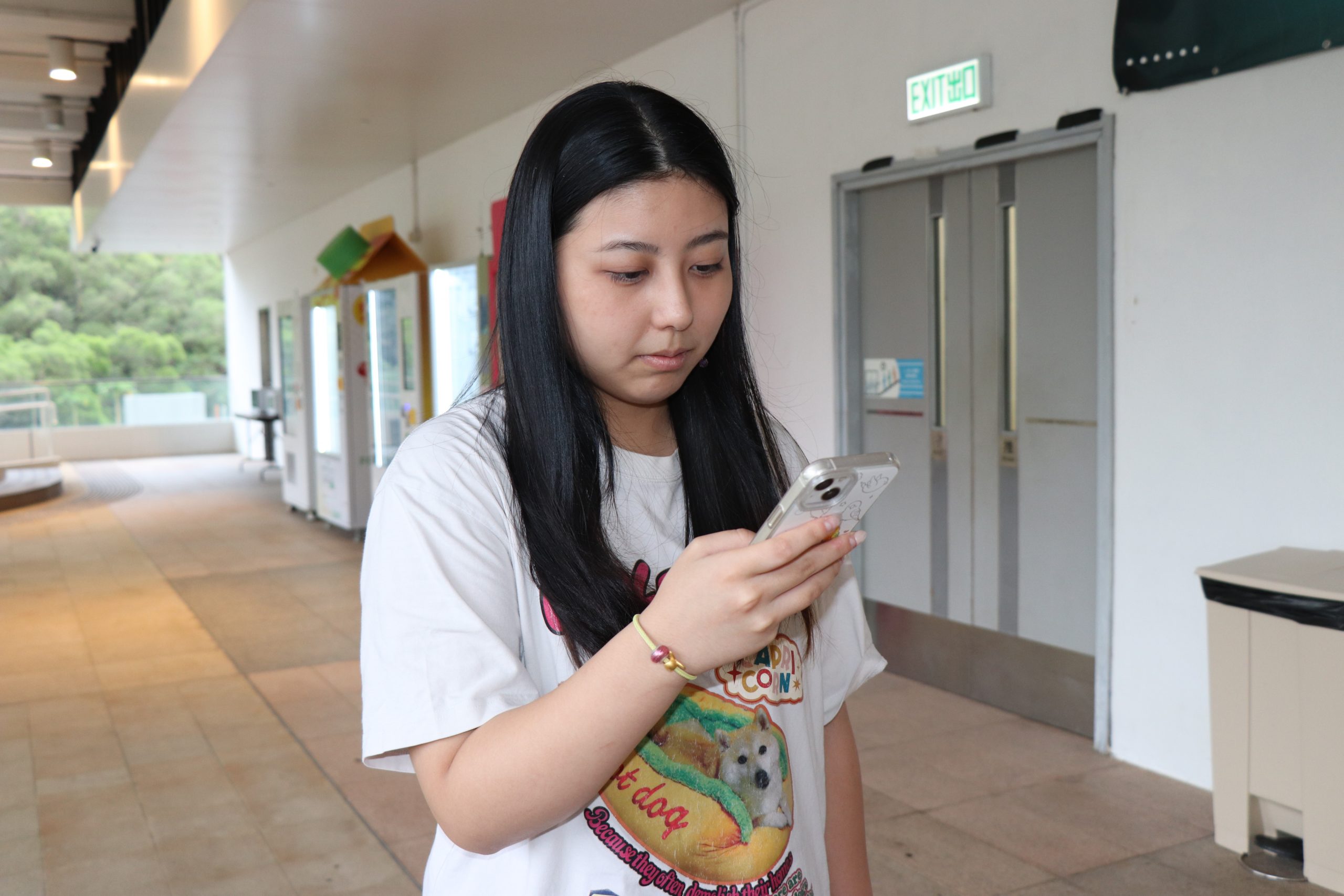
Zhang is also drawn to clips documenting the fast-tracked success of peers in her age that resonated with her aspirations. These videos feature content about how to stage a comeback in a certain time, such as a video titled “My path to the University of Hong Kong in one month.”
The study methods suggested by content creators are designed for a packed schedule, and their exceptional knowledge backgrounds are far beyond those of ordinary people, making it possible for them to achieve the outcomes.
“I expect the videos to offer me valuable life tips. Rather, they fuel my anxiety, since they are far from a realistic reference or maybe scripted,” Zhang added.
She knows her academic ability isn’t good enough, but she has no way to stop herself from turning to social media for comparison, which traps her in a cycle of self-blame and high pressure.
The research in Frontiers finds that the polished content on social media drives upward social comparisons with seemingly superior people, as it will threaten individuals’ perceived social standing and erode feelings of inadequacy, especially for young adults aiming to seek approval from peers.
The idea of “brain rot” is raising concerns about the impacts of digital distraction. According to a survey by the Hong Kong Youth Association, 80% of the interviewed young people spend more than four hours on social media every day, correlated with increased anxiety.
Zhang has suffered from doctor-diagnosed depression and insomnia, absorbing abstract information in the day and wrestling with thoughts at night. She isn’t sure if her depression stemmed from social media or if these platforms magnified her problems.
Based on the research on PubMed Central(PMC), problematic social media usage can increase depressive and anxiety symptoms, perceived stress and loneliness. Another findings on PMC shows that using social media to escape negative emotions disables people’s ability to regulate emotions, and they become more vulnerable to mental health dysfunctions.
Online New Page is an online addiction counselling centre operated by an NGO, the centre provides long‑term follow-up services for more than 100 cases of online addiction annually in Hong Kong.
“The term ‘brain rot’ is certainly negative, meaning the brain is decaying. It’s not that people’s brains are rotting. In fact, they are experiencing blockages and simply cannot figure out how to solve problems,” said Tang Chun-yu, Centre Director of Online New Page.
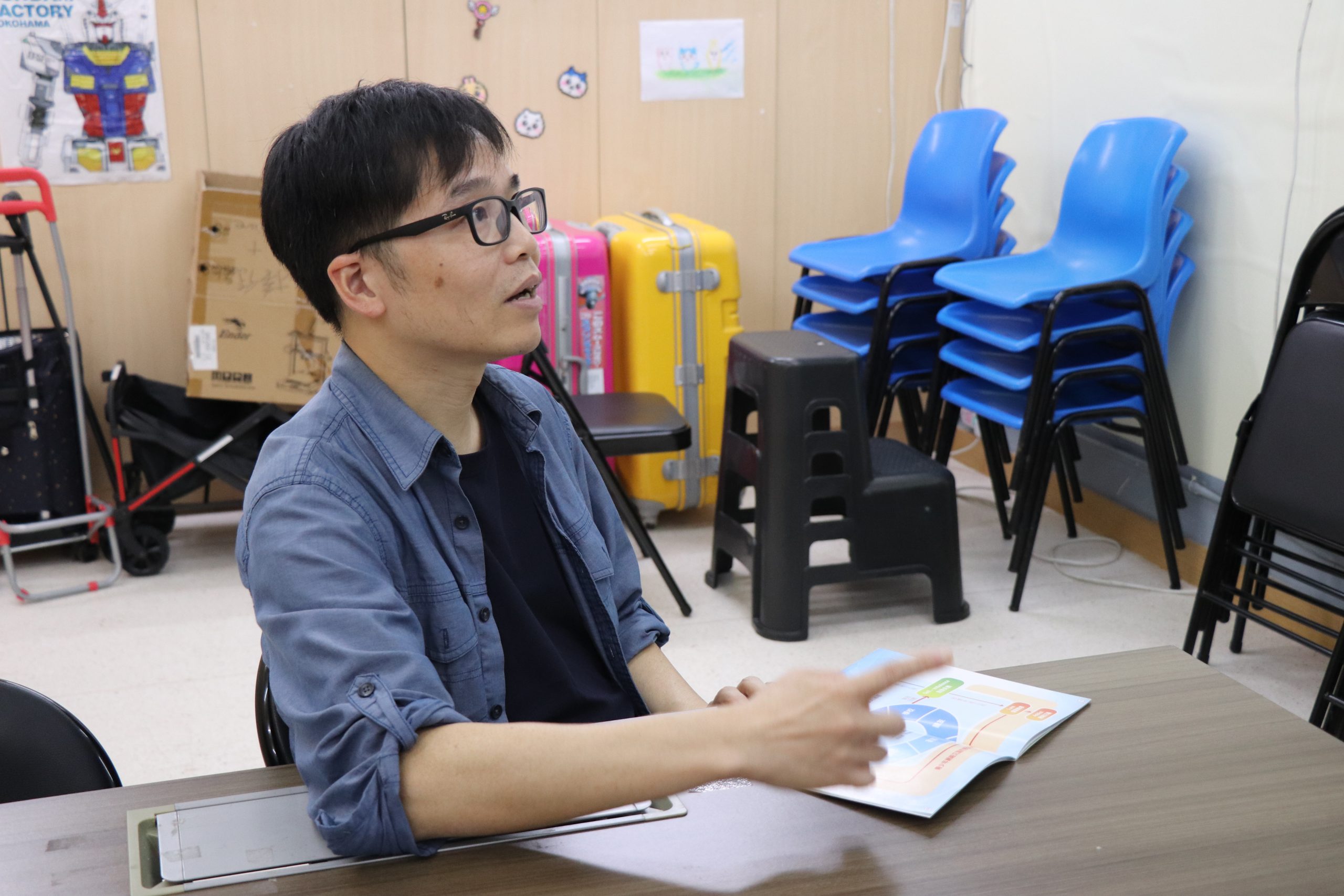
Tang said losing balance in the usage of the internet exposes underlying problems from other aspects of life that have always existed.
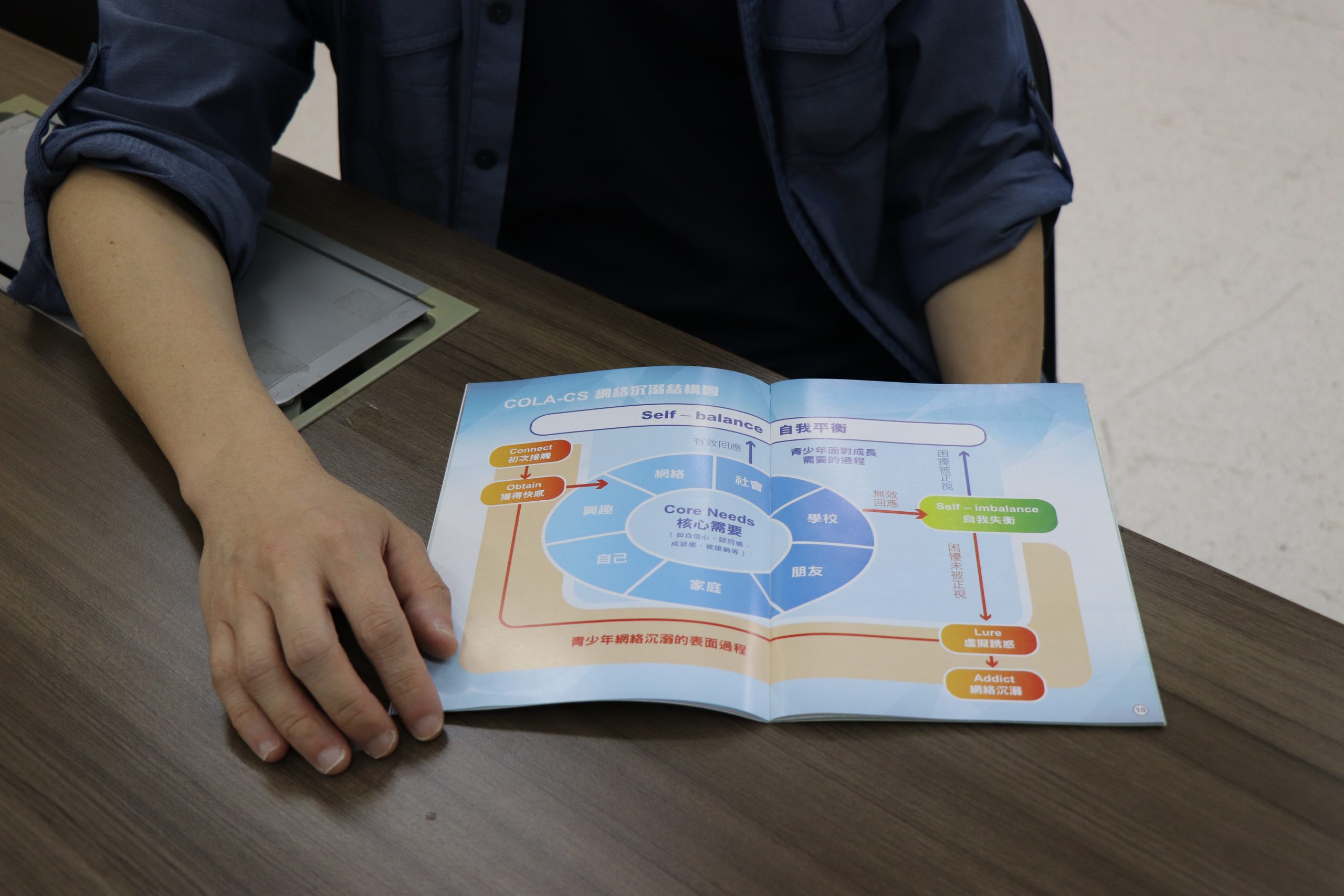
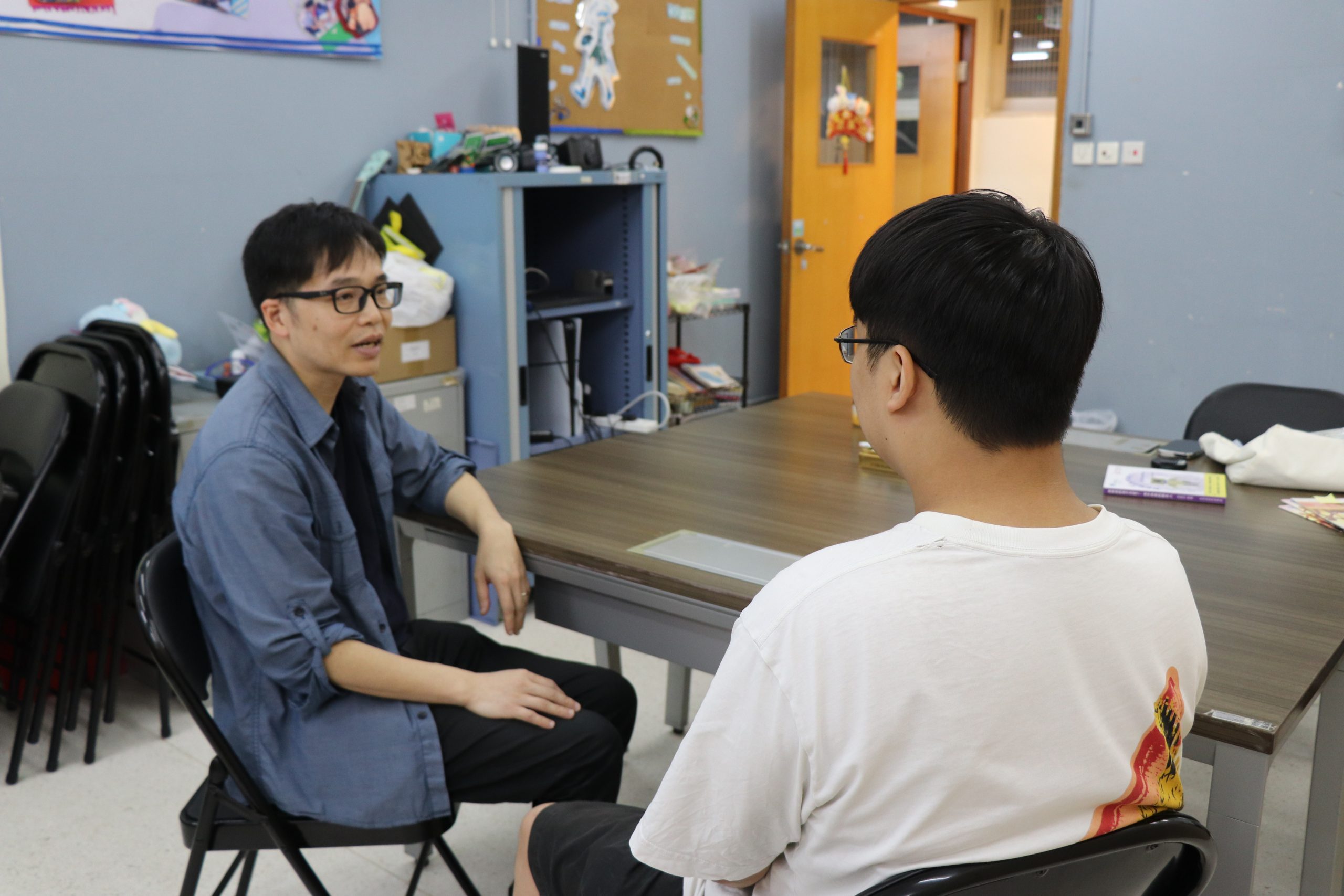
“We tend to focus on how the internet is causing imbalances in people's lives and offer help, rather than labelling them as abnormal,” said Tang. “Young people’s online behaviours don't have to be changed, or else they feel like they are constrained and cannot achieve their goal.”
The centre offers counselling to uncover the roots of clients’ internet addiction, linked to obstacles in work, peer groups, or family relationships in real life. By leading clients to resolve problems, their reliance on the internet for needs of achievement or intimacy can naturally decrease.
Tang spent years handling a case of hidden youth with internet addiction, helping the youth discover personal interests and eventually step out of isolation, gaining self-esteem.
The centre’s principle is that addiction cannot be measured through counting clients’ hours spent online. Symptoms can be defined as addiction when internet use leads to neglect of a person’s daily tasks and social interactions, and people feel irritable if they cannot browse the internet for a while.
Cheung Hei‑tong, 21, an undergraduate student, likes keeping up with entertaining videos and tabloid stories, but doesn’t think deeply about the meaning of the content. Cheung watches videos online that give her enjoyment, even though she forgets the content within minutes.
Cheung is a fan of Douyin blogger known as ‘Tao Hei Hei’, who streams games to an audience of 9.9 million followers. She is drawn to the blogger’s content as it critiques social phenomena with rebellious humour and his style is marked by a laid‑back attitude, echoing Cheung’s viewpoints.
‘Tao Hei Hei’ entertains by speaking unpredictable one‑liners with dramatic facial expressions, often avoiding stereotypes and sexualized female characters when playing video games, winning strong appeal among female viewers.
Cheung said she acknowledged that the content she watched is designed to attract attention, without imparting nutritional knowledge.
According to research on the Impact of Social Media Usage on Attention Spans, habitual scrolling can weaken a person’s ability to prioritize tasks and sustain focus due to the constant switching of tasks that generate stimuli. Brief exposure to 30 seconds of colourful content disrupts concentration and cognitive control.
Zhang and Cheung’s experiences were in line with this research, both of them felt overwhelmed when facing a huge amount of knowledge to be processed in their studies. They said reading long paragraphs left them blank without settling in their memory. Yet, scrolling social media requires no cost to gain happiness, as information is delivered directly.
Cheung once had the ability to memorize texts for English dictation within an hour. Now, she struggles to comprehend lengthy passages and often chooses to abandon revision whenever possible.
“While social media addiction made it harder for me to memorise things, it hasn’t caused any serious harm to my life so far,” Cheung said. “ I enjoy the process of scrolling through social media, I cannot find a reason to change my habits.”
Tang Chun-yu, Centre Director of Online New Page, said people’s lives are tough and overloaded with information, so they reach for something quick to find comfort, and the contents the public needs are easily digestible, make them laugh, and let them zone out.
They prefer watching edited clips with iconic scenes, resulting in a dwindling attention span, patience, and capacity to analyze. Their vocabularies have been greatly influenced by catchphrases spread online.
Stated in a survey by the investigation centre of China Youth Daily, 93.8% of the surveyed young adults use internet slang in their daily expressions, and 60.8% of the young respondents disliked the excessive input of internet slang, leading to degradation of their written language skills. For instance, Chinese slang ‘YYDS’, expresses thoughts of ‘nothing beats this’.
Zhang said her addiction to electronic devices began after a high school exam.
“I felt a delayed impulse to go online, as I had isolated myself from social media for half a year to secure a degree offer in a competitive system,” Zhang said. “The sudden freedom let me fall into a frenzy of addictive scrolling,” she added.
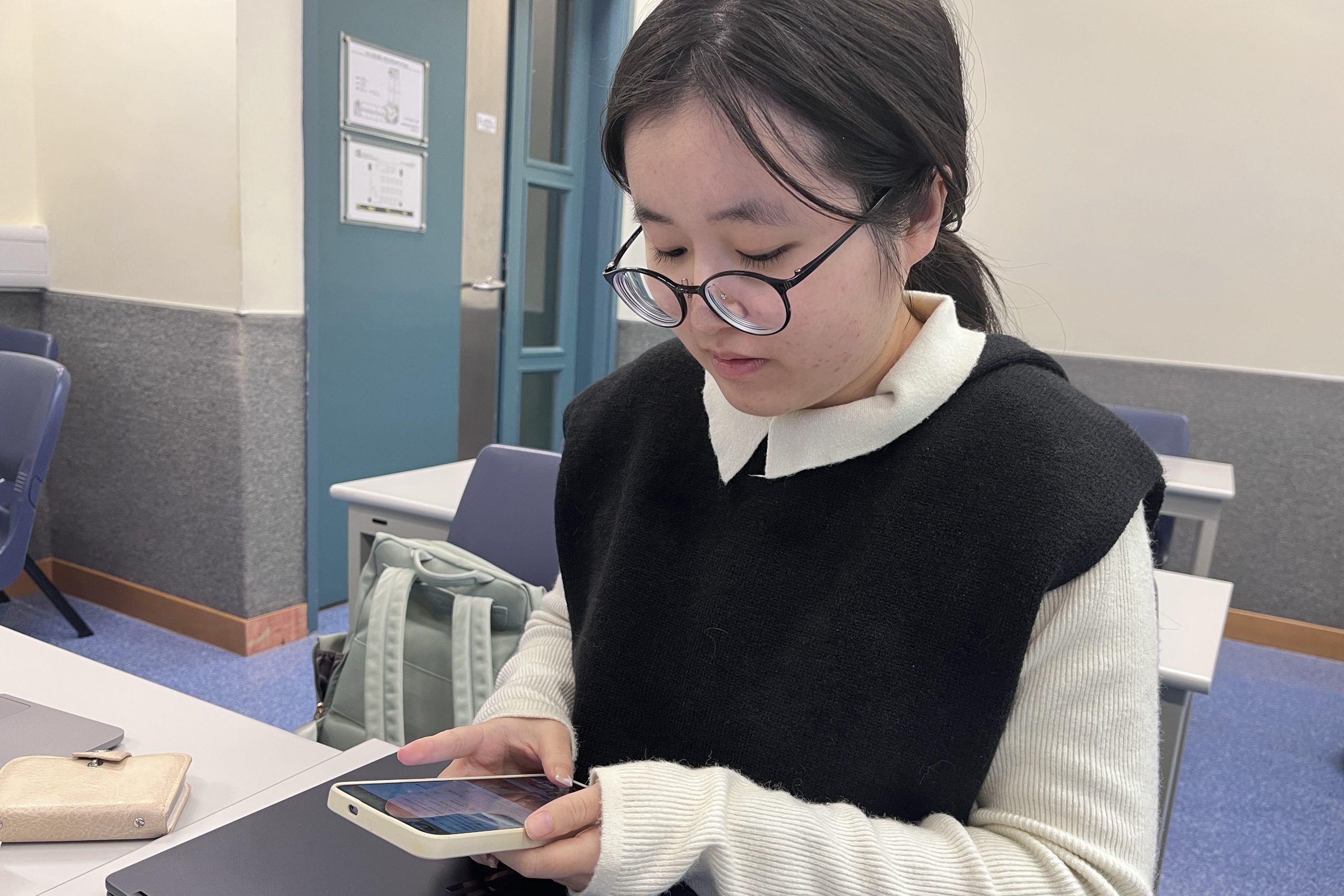
Uninstalling Daoyin for a semester, then switched to the usage of Xiaohongshu, changing platforms but not the habit. Zhang’s recurring struggle shows that cutting off social media entirely has proven impossible.
Zhang said that although quitting was difficult at first, she is trying to control herself from indulging in social media step by step.
Tang Chun-yu, Centre Director of Online New Page, suggests that it is better to adjust one’s expectations or find practical ways to achieve goals, as cutting off internet access does not guarantee academic success. When students face hardships in their studies, they easily fall back on compulsive social media use to fulfil demands to feel comfort.
The whole Gen Z lives in an era of fragmented content, and dismissing them as a generation of shallow or unthinking individuals only reinforces stereotypes, explained by Tang.
“Instead of calling Gen Z ‘brain rot’, we can reframe it to ‘brain suck,’ something everyone experiences, not inherently derogatory,” Tang said. “What matters is clearing those blockages in the head and restoring balance in life in joint force.”
《The Young Reporter》
The Young Reporter (TYR) started as a newspaper in 1969. Today, it is published across multiple media platforms and updated constantly to bring the latest news and analyses to its readers.

Raise “fur kids” rich way: Hong Kong pet expenses continue to rise, with emerging premium consumption

Hong Kong rates follow the US lower as the 2025 easing cycle begins


Comments