
Hong Kong will continue to develop the harbourfront to attract tourists, Financial Secretary Paul Chan Mo-po announced in the budget speech on Wednesday, while also giving the Tourism Board HK$1.6 billion.
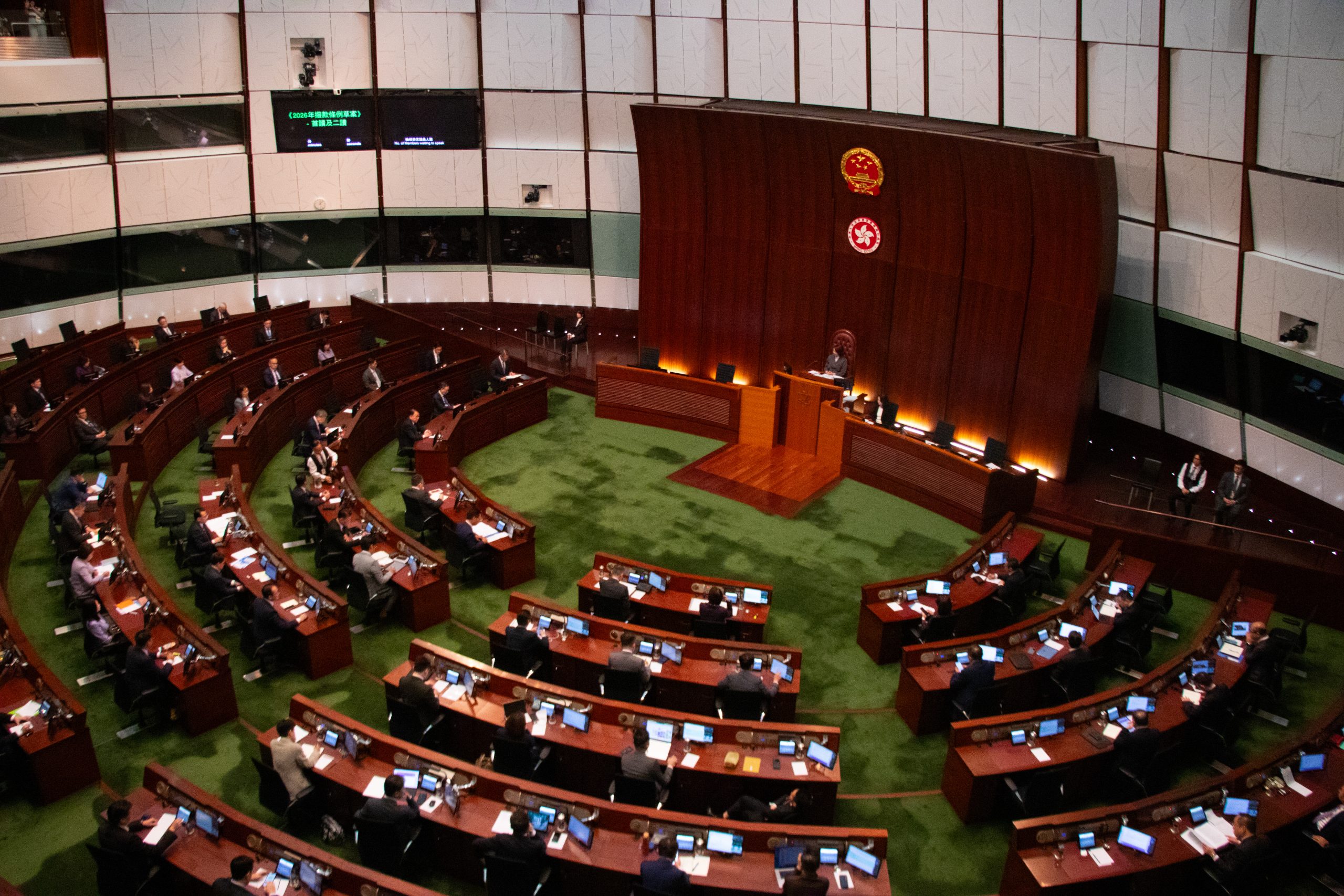
With the opening of a waterfront site in Hung Hom by next month, the Kowloon promenade will be extended to 15 kilometers, Chan said. The government will also consider a new pedestrian harbourfront walkway in Kennedy Town.
According to data from the Hong Kong Tourism Board, the number of visitors to Hong Kong in January reached 7.23 million, an increase of 9.6%, with overseas visitors increasing by 16.4%.
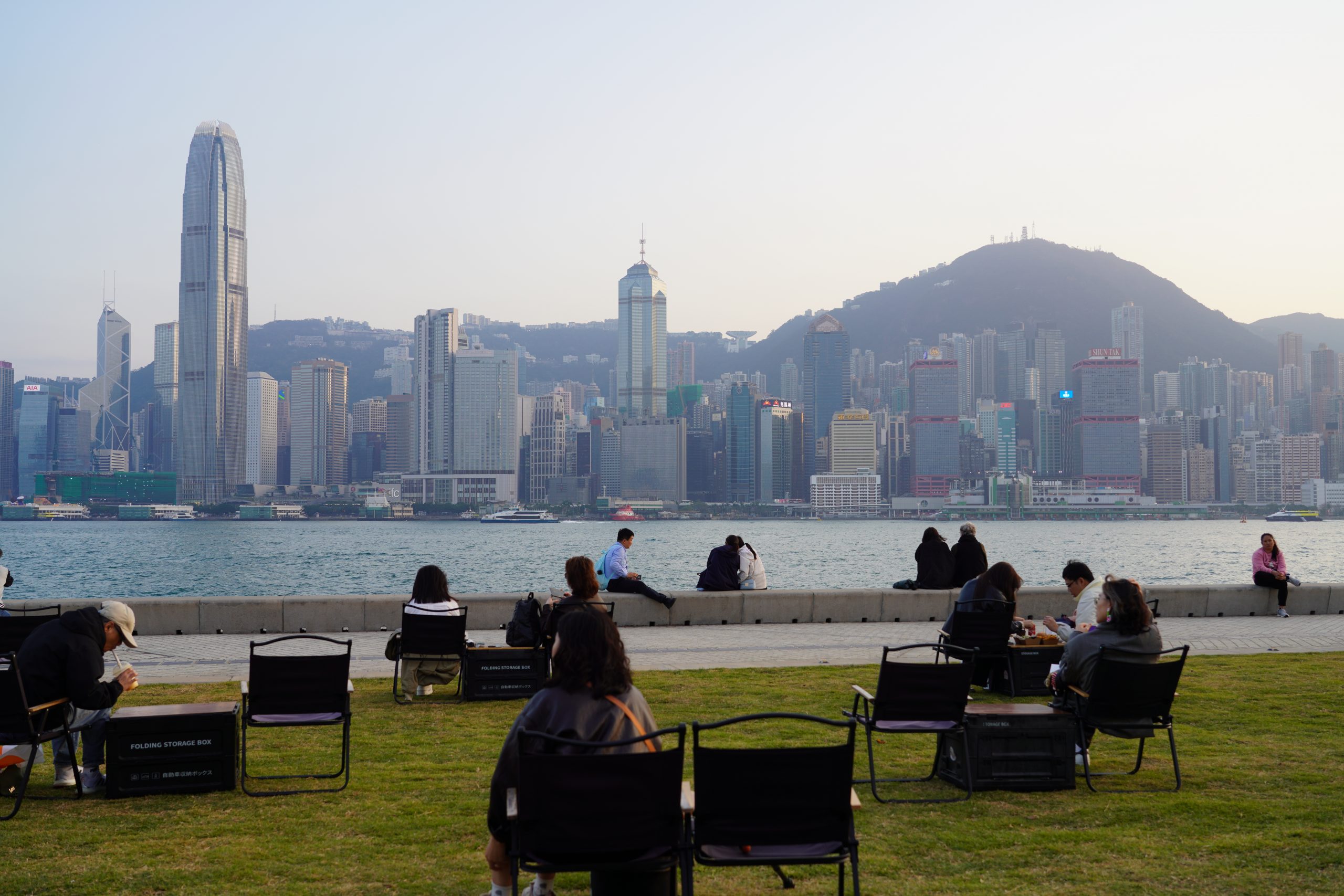
The West Kowloon Cultural District on the harbour attracts many tourists.

Eddie Massonique, a 25-year-old tourist from France, said he came to M+ recommended by friends, but what attracted him the most to West Kowloon was the seaside scenery.
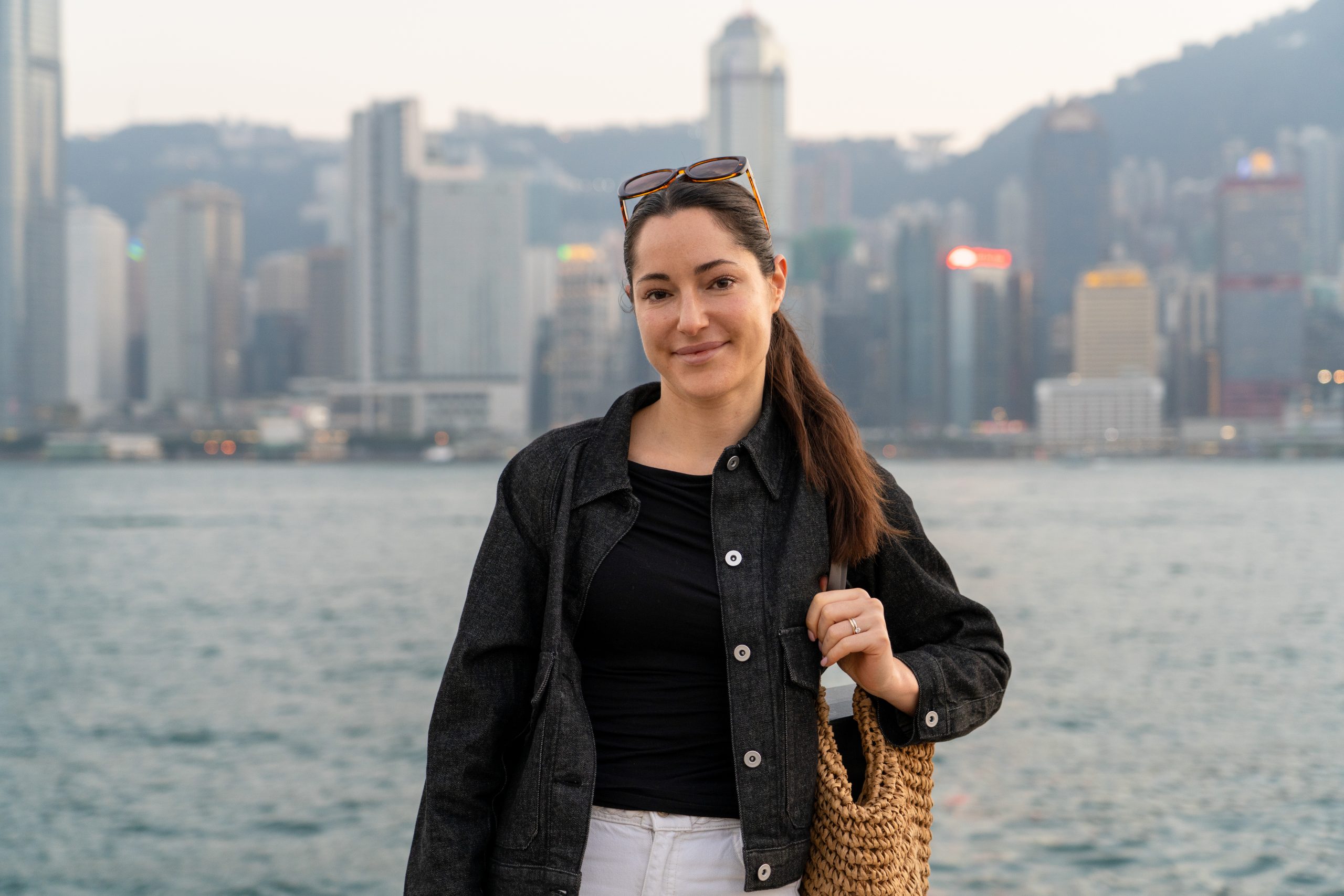
Anastashiia Armoldova, 32, a tourist from Ukraine, said she found the West Kowloon area by accident.
“I think the Hong Kong government should strengthen publicity, such as advertising at the airport, to let more tourists and citizens know about this place,” she added.
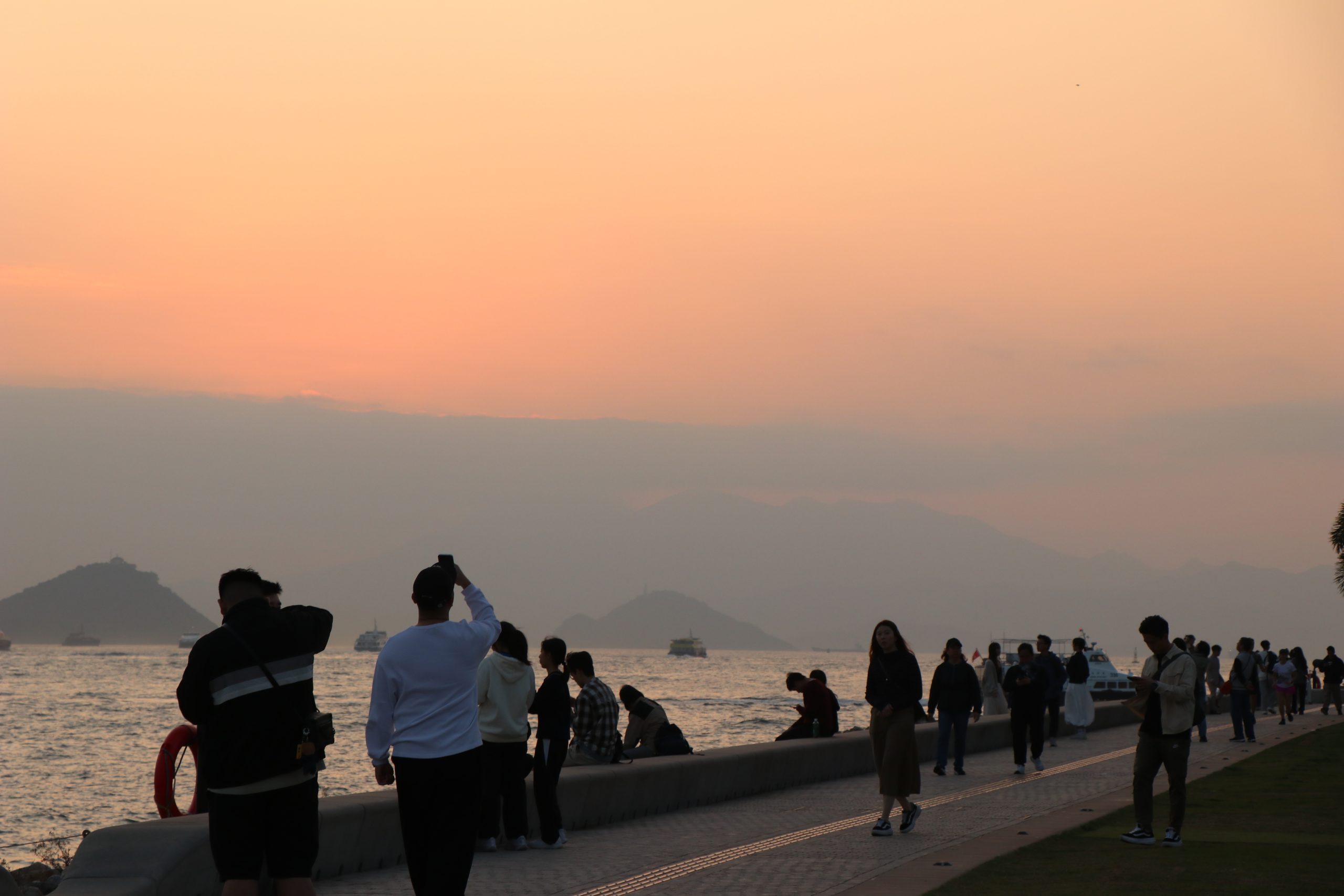
“My friends and I came here specifically to watch the sunset. The environment is very comfortable, and the scenery is good,” a local 14-year-old student, Ebbie Wong said. “But the transportation is not very convenient, and there are too few dining options; we have to walk far to buy food.”
The Artpark in the district hosts many restaurants, but most are more expensive than local neighborhood cafes.
Two 21-year-old students from Guangzhou, Wesly Peng and Gu Chuqi, said that this area is crowded.
“We're looking for a restaurant, but the restaurants here are clearly very busy, with long queues,” said Peng.
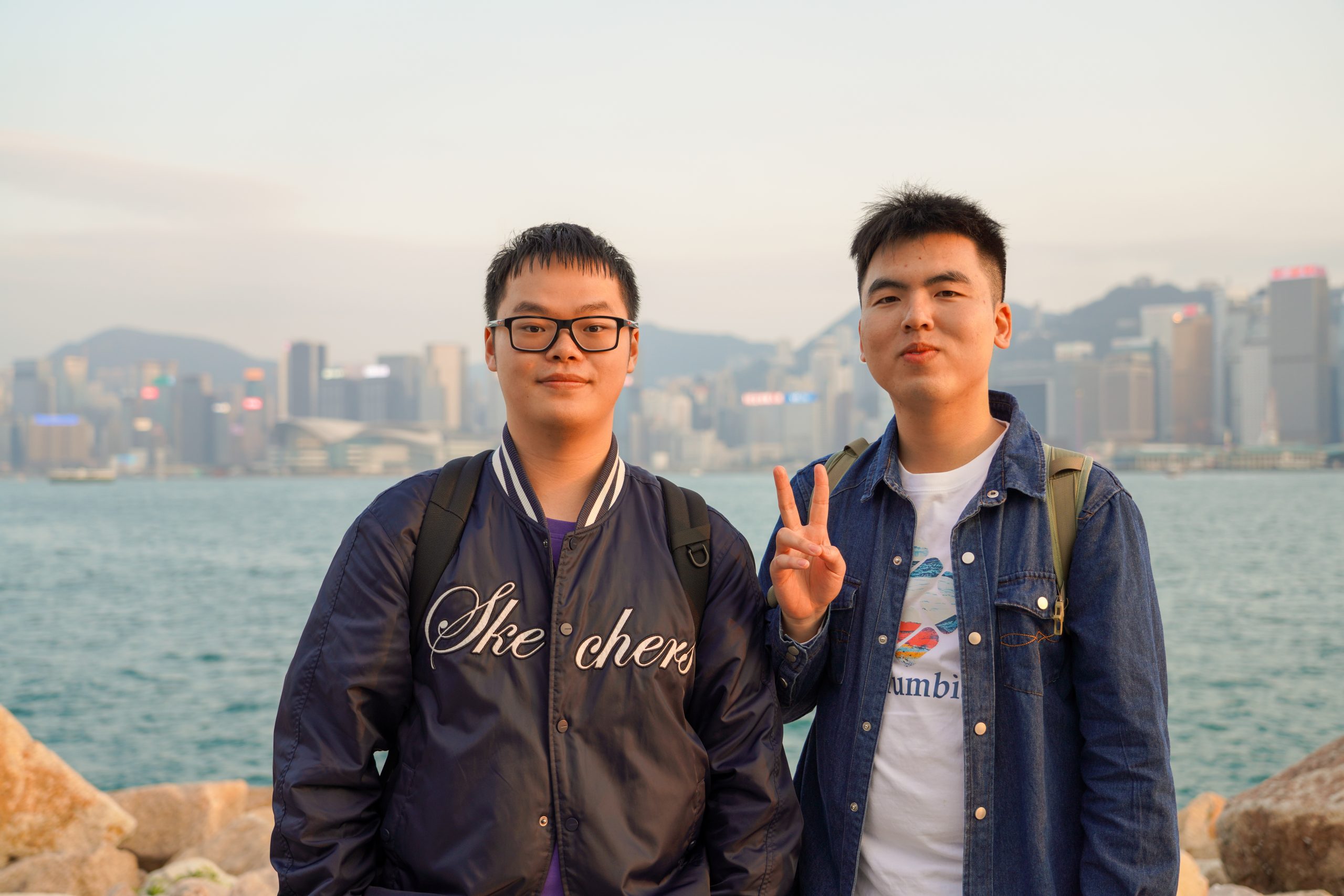
Gu said the government could add some minibus routes between Austin Station and the West Kowloon Cultural District to avoid the 20-minute-walk.
Terence Chong Tai-leung, an economics professor at the Chinese University of Hong Kong, said the seaside itself is difficult to become a major attraction. Specific projects like Ocean Park and Disneyland are needed to attract tourists.
“The seaside is more of an additional tourist destination, where visitors can take a walk, but not specifically for this purpose,” he added.
The launch of West Kowloon’s water taxi in November 2025 aimed to make West Kowloon more accessible and transform the promenade into a tourist destination for culture and leisure.
David Chan Yung-wa, Member of the Tai Po Community Participation and Cultural Recreation Committee, said that waterfront projects are an important supporting facility for tourism in Hong Kong, the next key step is to incorporate elements that promote economic growth.
“What we’re fighting for now is to add elements that can stimulate the economy, things like events– possible concerts, possible special sales,” he said.
Chan suggested some promenade-exclusive merchandise to attract customers.
“Every waterfront promenade could have its own exclusive souvenirs or special items that can be sold to tourists as keepsakes— so they’ll come back next time or tell others about it,” Chan added.
He further commented that the government could work in collaboration with the civil society cultural-creative groups.
“Like adding singing performances or traditional art performances on the outlying island, I think incorporating these kinds of elements would be good,” he added.
The restaurant Loong Bar, located near the water ferry pier, opened in November last year.
Huey Wo, 22, an employee at the restaurant, said the opening of the water taxi terminal has a positive impact on business, especially during holidays.
“Tourists make up 70 to 80% of restaurant consumers,” she added.

“Coastal enhancements could support longer stays, higher spending, and Hong Kong's waterfront identity,” Chan said. “I hope the government will improve supporting facilities and work in conjunction with traditional attractions in Victoria Harbour to attract more overnight visitors.”
However, Chan warns of the overdevelopment of waterfront promenades.
“In short, for Hong Kong, tourism products should be developed moderately. Over-development will definitely lead to backlash or complaints,” he said.
“I am optimistic about the future of Hong Kong's waterfront promenade, as there will be a large number of people coming; we face the whole world,” he added.
《The Young Reporter》
The Young Reporter (TYR) started as a newspaper in 1969. Today, it is published across multiple media platforms and updated constantly to bring the latest news and analyses to its readers.
Budget 2026: Hong Kong to continue to attract global talent while nurturing locals
Budget 2026: Hong Kong reinforces its roles as international gold trading centre


Comments