
In a sunlit activity room of the Cheung Sha Wan Special Child Care Centre, young children are drawing with a therapist’s help. Nearby, another repeats words prompted by a speech therapist. These simple moments are government-subsidised intensive rehabilitation training for children with disabilities.
Cherry Lee, 41, waited nearly two years for her daughter with moderate autism to access such a facility and receive intensive training.
“It would have been better if my daughter could have entered the centre sooner,” she said. “At the very least, she could have had an earlier opportunity to develop essential self-care skills.”
Hong Kong’s 52 government-funded Special Child Care Centres provide full-day centre-based care and cognitive training, speech, occupational and physiotherapy programmes for children with moderate to severe disabilities aged 2 to 6 before they enter primary school.
Lee’s two-year wait is far from an isolated case. According to the Social Welfare Department, the average waiting time for the centres is 19.1 months in 2024. Experts and NGOs say that this wait means a delay in development for special needs children, while families are burdened with extra costs and stress in taking care of children.
The government added 64 centre quotas for a total of 2,580 places in 2025, with 513 children on the waiting list, according to the Social Welfare Department.
“The supply of places cannot keep up with the speed of increasing demand; it is not enough for those special needs children,” a representative from Hong Chi Association, an NGO operating three Special Child Care Centres, confirmed. “This is the core reason for the long wait.”
Lee’s daughter, Sakina Muk, was placed in a centre run by NGO Heep Hong Society when she was 5 in August 2025, meaning she only has about a year she can use the service. “Even with early detection of her situation, two years are still wasted,” Lee said.
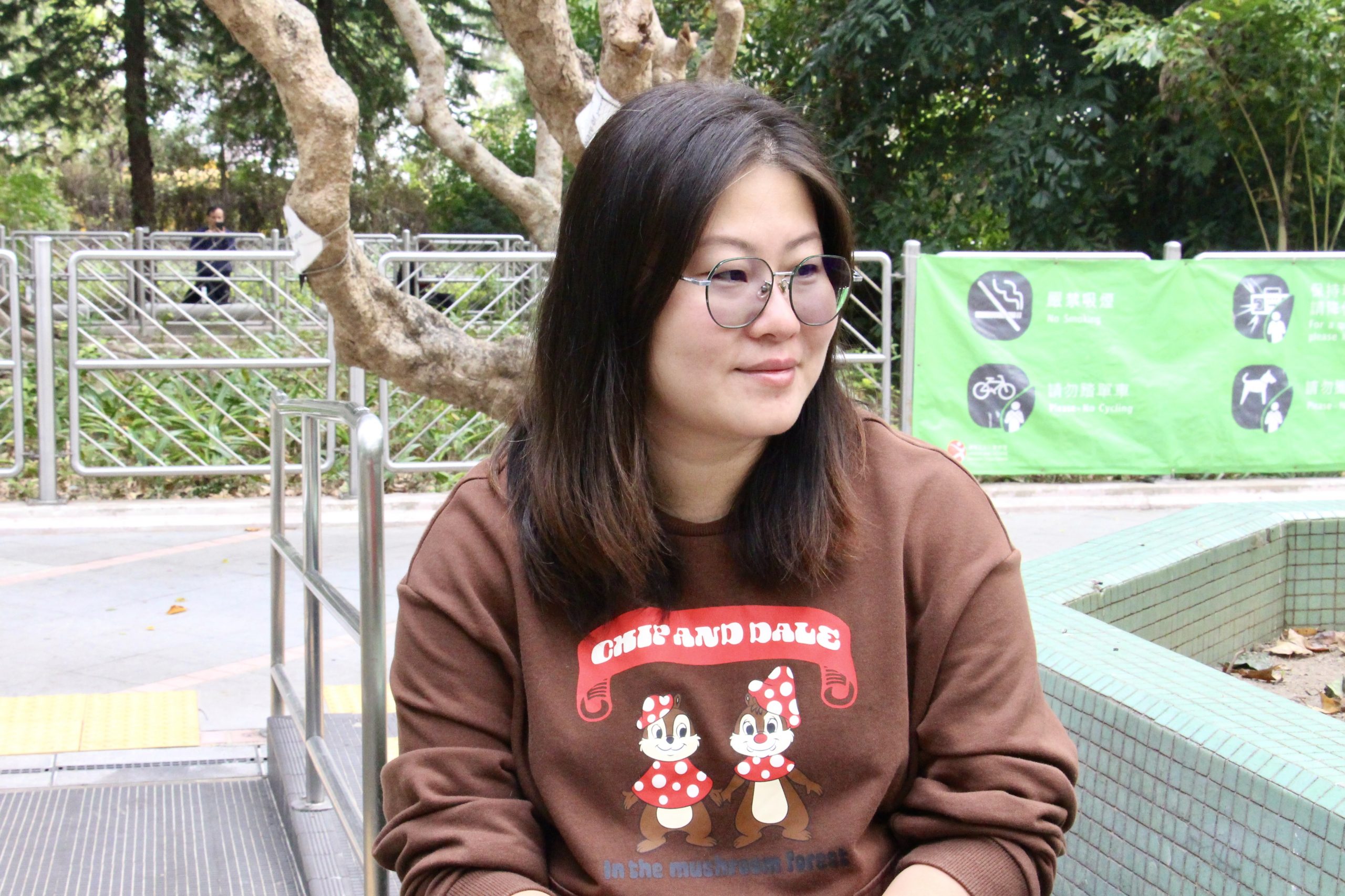
While queuing, the government supplied Sakina with the On-site Pre-school Rehabilitation Services, a transitional service where special education teachers provided rehabilitation training in preschools one or two times a month, according to E Plus Consulting, the company that provides the comprehensive professional assessment and treatment services for special needs children.
“Only eight hours of the intervention training per month is not enough,” Lee said, adding that Sakina still needed nappies when she was 4.
After a year of receiving the transitional services, Sakina still had sudden emotional breakdowns at the kindergarten, would bite others, and was excluded by other children, Lee said.
Diana Lee, senior lecturer in Early Childhood Education and Special Education at the University of Hong Kong, said the critical period for intervention for children with autism or young children with special needs is ideally between 24 months and 5 years of age.
According to the 2023 survey by the Democratic Alliance for the Betterment and Progress of Hong Kong Family Affairs Committee, 97.1% of parents of children with special needs are worried that their children will miss this critical window for treatment while waiting for centre placement.
“The intervention should be as early as possible,” Diana Lee said.
She stated that timely and effective interventions during the critical period can significantly improve children’s long-term developmental outcomes, such as language acquisition, cognitive skills, and social-emotional functioning.
Another mother, Nancy Choi, 31, faced an 18-month wait.
While Choi cared for her daughter round-the-clock, her husband worked as the family’s sole breadwinner.
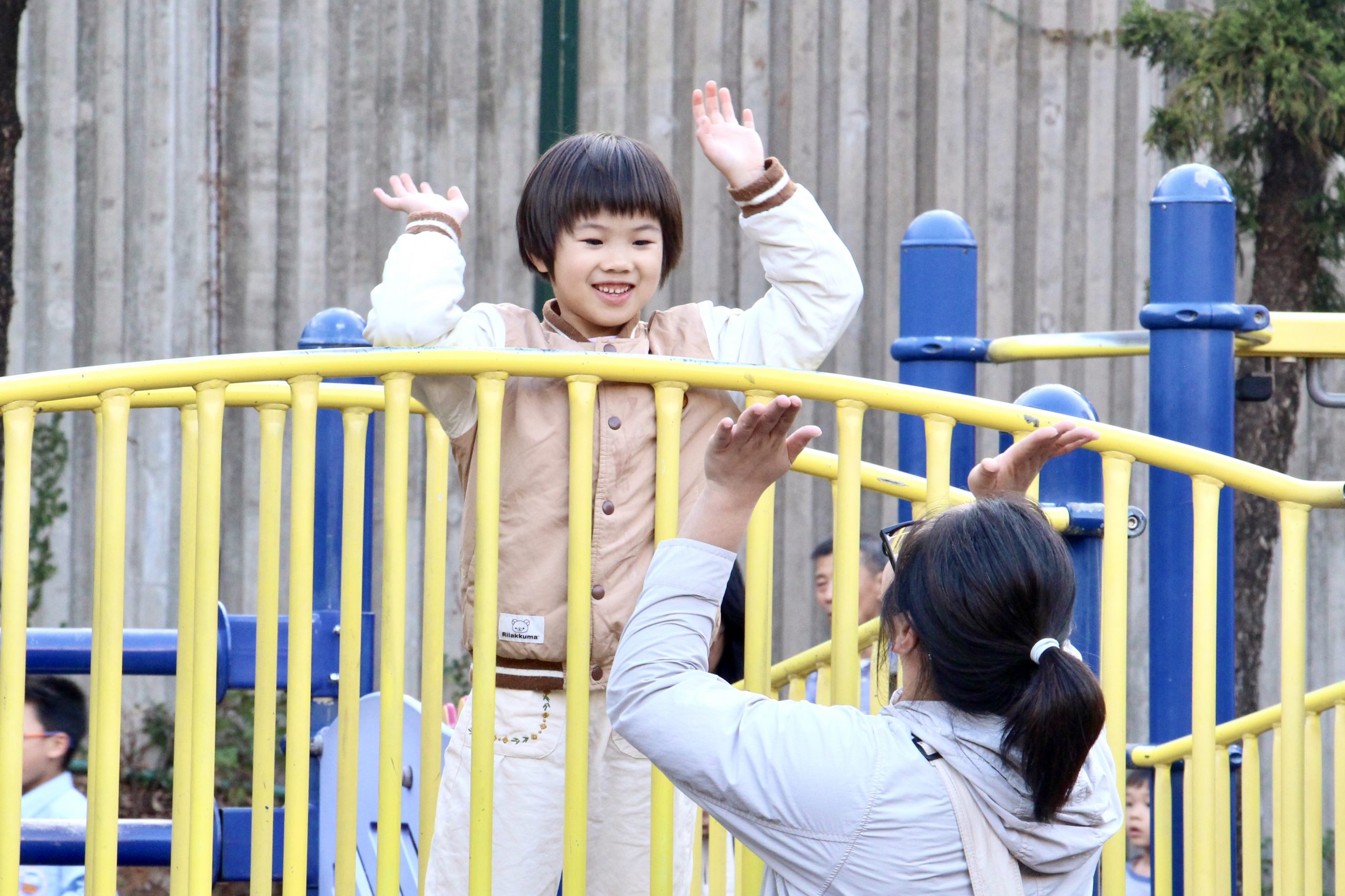
During the wait for the free centre, Choi enrolled her daughter Hailey in private courses in different institutions, spending over HK$10,000 monthly.
“The financial burden was immense,” said Choi.
For Choi’s family, who live in Nam Cheong, the journey to the furthest institution in Causeway Bay could take up to two hours each way, while the course is just 45 minutes, she said. They ate on the bus to save time.
“Not just me, my daughter has also been rushing around,” Choi said. “Why must a child suffer so much?”
Sunny Tong, the Head of Communications and Fundraising of the Hong Chi Association, said that during the waiting period, some parents pay for private training for their children, but the costs are high.
“Some parents have to balance taking care of their children with part-time jobs. The burden is very heavy," said Tong.
Of parents of children with special needs, 69.1% reported feeling under a lot of pressure to care for their children, according to the DAB 2023 survey.
Before entering the Special Child Care Centre, Choi said she felt helpless and overwhelmed because Lai sometimes could not control her emotions.
Hailey, who is 6 now, often experienced emotional meltdowns in public, lying on the ground screaming and removing all her clothes. “I have no idea how to comfort her,” Choi said. “There will be people criticising me for not taking good care of my daughter.”
Choi said she occasionally has trouble sleeping and experiences emotional breakdowns.
Wong Wai-Ching, an associate professor in the Department of Social Work and Social Administration at The University of Hong Kong, said parents caring for children with special needs often suffer from chronic stress.
“Without timely intervention, parents are highly likely to develop clinical depression or anxiety disorders,” Wong added.
After attending the Special Child Care Centre for two months, Sakina began to make eye contact with strangers and pronounce words more clearly, her mother said.
The special education teacher provides targeted training to address Sakina’s lack of self-care skills, and now she no longer needs nappies, Cherry Lee said.
Choi said she was also able to cancel most private therapies after securing a place in the Special Child Care Centre in August 2023, keeping only a weekly speech session.

According to the 2025 Policy Address, the government plans to add 220 Special Child Care Centre places and is seeking new sites through public housing and urban renewal projects, with a goal of “zero waiting time”, as set in 2020.
Diana Lee suggests future efforts should focus on tracking the growth and development of children who received special child care services, enhancing professional training for early childhood special educators and promoting public-NGO partnerships to fund early childhood special education projects.
“Policymakers should prioritise them to address service gaps,” Diana Lee said. “So that Hong Kong can build an equitable, evidence-driven early childhood special education system.”
For Cherry Lee, hope is now tangible.
“I want my daughter to have a normal and happy childhood,” she said. "After accessing the Special Child Care Centre, this seems achievable.”
《The Young Reporter》
The Young Reporter (TYR) started as a newspaper in 1969. Today, it is published across multiple media platforms and updated constantly to bring the latest news and analyses to its readers.

Brisbane turns pink as 25,000 run for International Women’s Day
Elderly Hong Kong caregivers bear crushing load amid service gaps



Comments