

Advocates and sexual offence survivors on Saturday urged the government to pursue broader legal reforms beyond current proposals at the Sexual Offense Reform Forum.
This call came ahead of a government plan to launch at public consultation on the reform of the city’s sexual offense laws later in 2026.
The forum examined whether proposed reforms adequately address the realities faced by sexual violence survivors.
Jointly organised by the Hong Kong Women’s Coalition on Equal Opportunities and the Equality Rights Project at the HKU Faculty of Law, the event attracted around 200 participants from online and in person.
Jessie, a representative of a sexual offence survivors’ advocacy group, called for stronger reforms to Hong Kong’s consent laws, outlining three key changes not included in the Law Reform Commission’s recommendations.
Three changes include: silence or lack of resistance must not be interpreted as consent; if consent was never sought, the accused cannot rely on a claim of “honest but mistaken belief” in consent; and the law should provide a clear statutory definition of both consent and the absence of consent.
“I went through sexual assault, reported it to the police, and attended court. In the end, the defendant was acquitted because of how the law is written,” Jessie said.
She said the defence repeatedly questioned why she did not physically resist, asking why she did not hit, bite or kick the offender, call for help, or leave the scene.
“The defence turned the victim’s trauma responses into a weapon,” she said. “This tactic of using trauma against the victim, questioning clothing, lack of resistance, or why the victim did not leave the scene, is very common in court.”
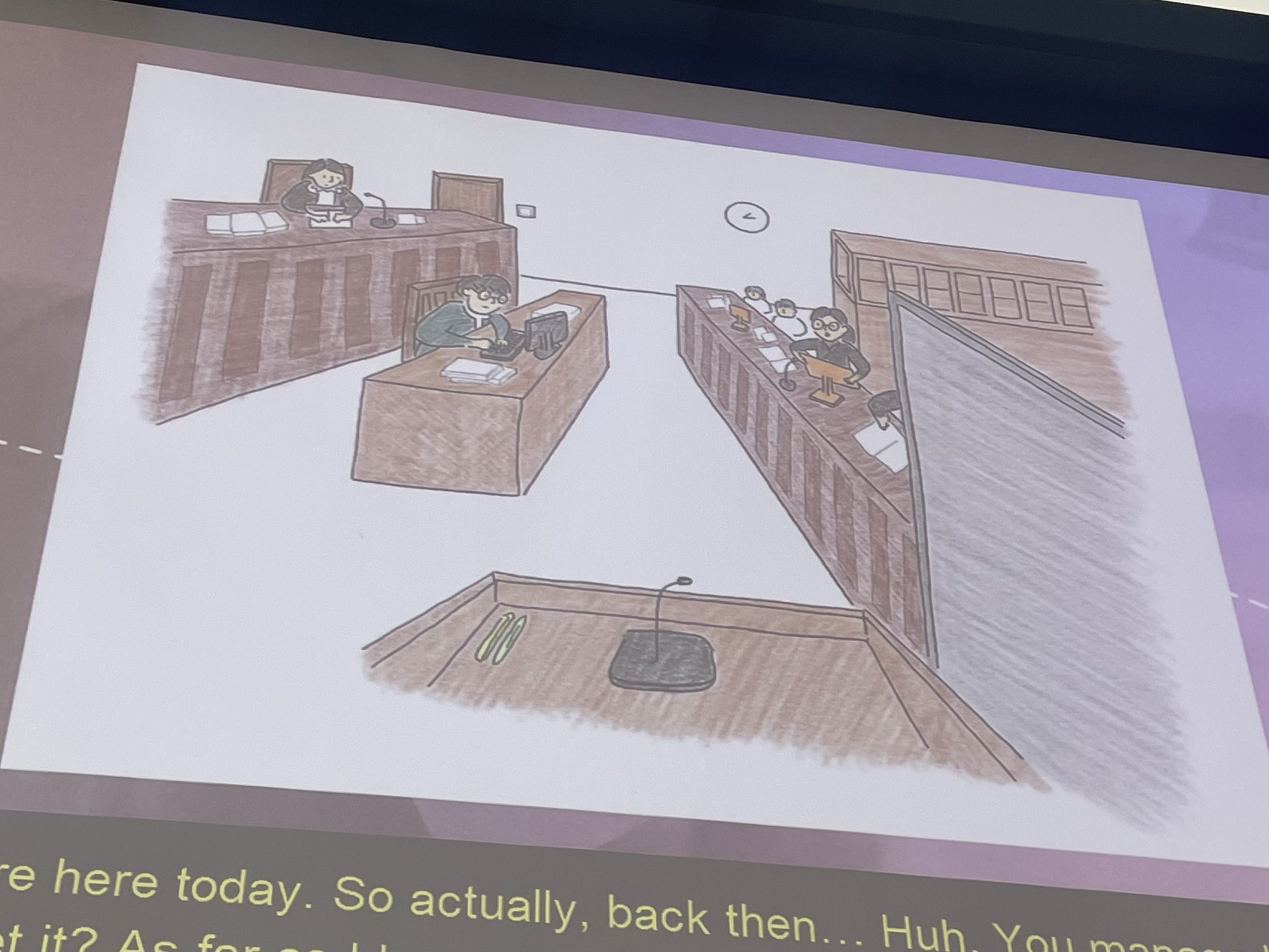
Jessie was also asked to recall precise details of the assault, including the number of times penetration occurred, how long it lasted, and how many times it stopped and restarted.
Despite her efforts to testify accurately, the judge found her account lacking in details.
“‘If you had really experienced it, you should be able to describe it,’ the judge said,” Jessie recalled, saying the remark cast doubt on her reliability.
Jessie said the court failed to recognise the “freeze” response common among trauma victims, describing her inability to move or leave the scene as “unreasonable”.
Doris Chong Tsz-wai, the executive director of a sexual violence victims’ support group Rainlily, said that of around the 2,000 cases the organisation has handled, less than half of the victims chose to report to police.
Of those reported, around one-tenth were prosecuted by the Department of Justice, with just 51 resulting in convictions after trial, Chong added.
Chong said public discussion often focuses on legal definitions of consent, but survivors face challenges throughout the entire justice process. “Victims often face scepticism and scrutiny from the moment they come forward, followed by intense scrutiny from judges and juries before any conviction,” she said.
Chong added that trauma responses are not limited to “fight or flight”.
“Many victims experience a freeze response, in which the body becomes immobilised out of fear, which is a natural and common self-protection mechanism.”
Some victims continue to interact with their abusers after an assault as a survival strategy, she added, noting that fear of further violence may lead them to maintain contact or adopt ‘people-pleasing’ behavior.
Chui Man-chi, a representative from the sex workers’ support group Action for REACH OUT said front line law enforcement officers often lack awareness when handling cases involving the sex industry.
“Sex workers face significant barriers when trying to report sexual offences to the police due to heavy prejudice.”
Even when reports are made, police may question whether the incidents are ‘labour disputes’ rather than criminal offences, Chui added.
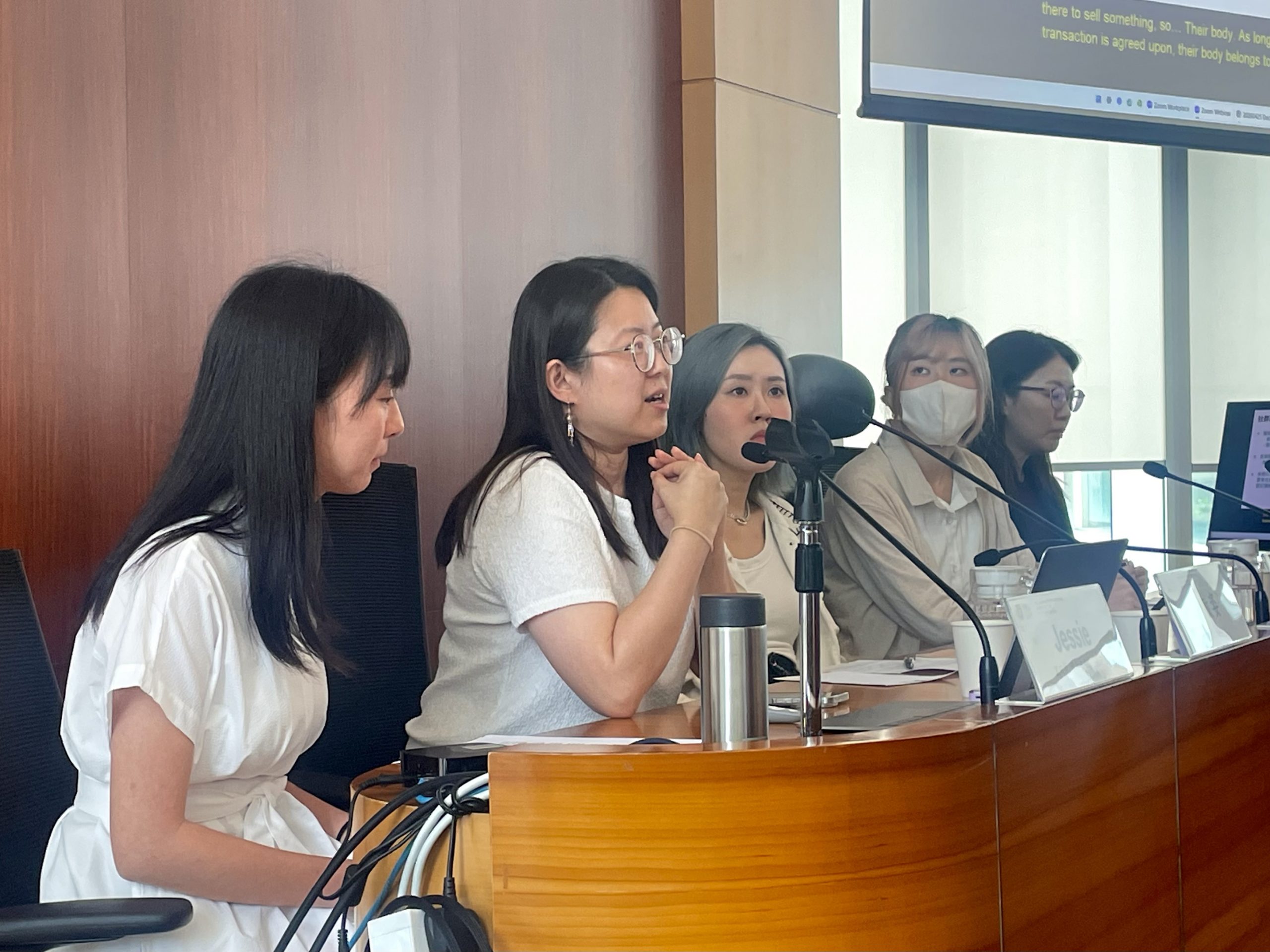
“Sex workers might be questioned about why they did not refuse immediately and call the police right away.”
In addition to facing coercion and non-consensual sexual acts, Chui said sex workers frequently face verbal harassment, humiliation, and increasingly, the non-consentional filming and the distribution of intimate videos.
She added that agreeing to provide sexual services does not mean clients can after the terms of that agreement.
“Sex workers have clear boundaries regarding what they are willing to accept, and initial consent does not allow those boundaries to be exceeded.”
Under current law, sexual consent is inferred if the complainant does not explicitly express refusal.
The Law Reform Commission of Hong Kong published recommendations for the reform of sexual offences in the Crimes Ordinance in 2019.
Hong Kong’s sexual offence laws have not undergone any major reforms since its establishment in the 1970s.
《The Young Reporter》
The Young Reporter (TYR) started as a newspaper in 1969. Today, it is published across multiple media platforms and updated constantly to bring the latest news and analyses to its readers.

Visitors flock to Hong Kong Museum of Art for Claude Monet’s masterpieces

What does Lamma Winds’ closure mean for Hong Kong’s renewables strategy?



Comments