
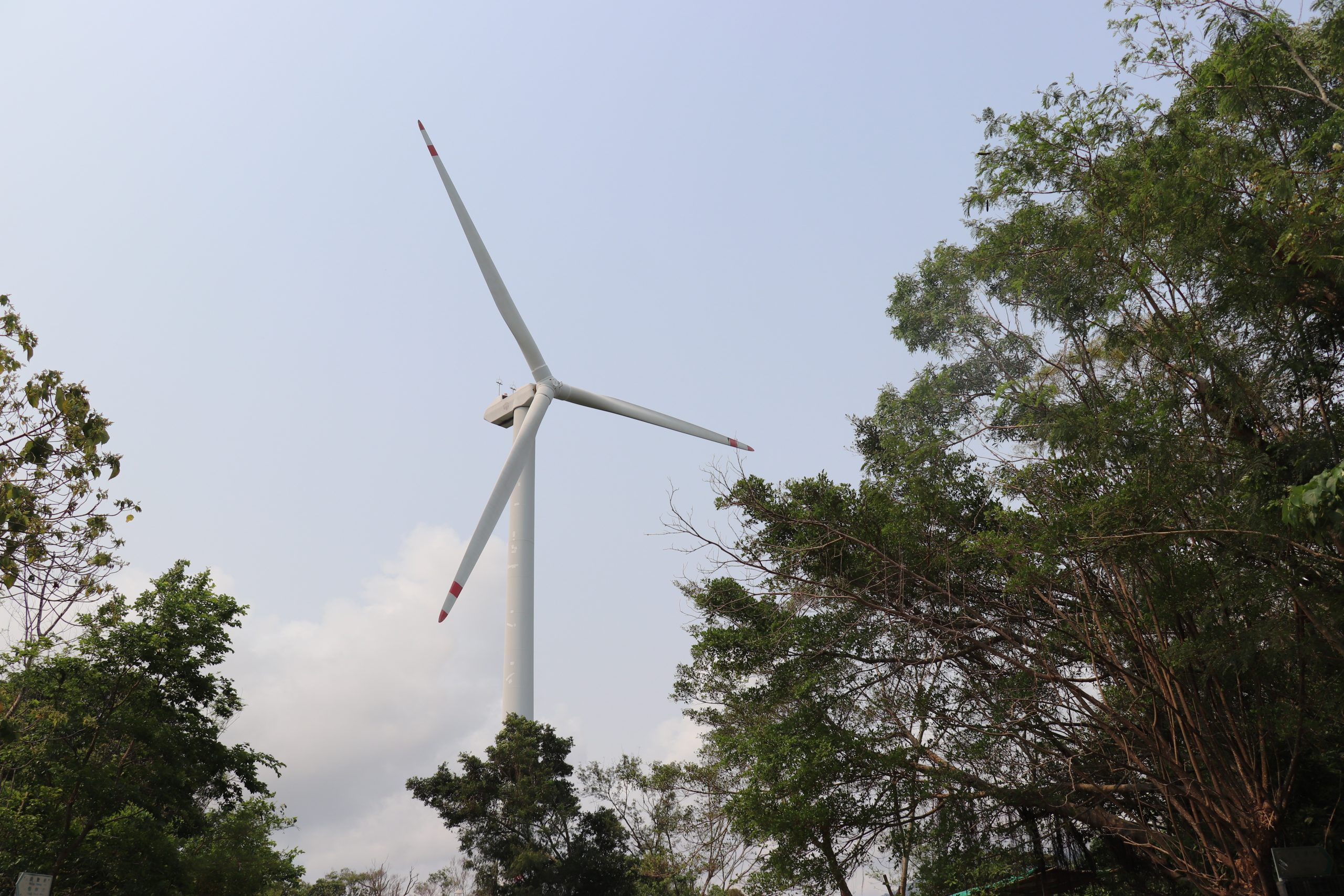
Joe Chen, 40, and Bibi Chung, 35, climbed up a 15-minute slope to reach the Lamma Winds – Hong Kong’s first wind power station – in Lamma Island, on a quiet Tuesday. They took pictures in front of the turbine, trying different angles to fit the entire 71-metre-tall wind farm into a single frame.
This is probably the last time they can do so.
In a press release issued in late March, the wind farm’s operator, HK Electric, said the turbine had reached its lifespan of 20 years in February.
The company added most key components are no longer in production, paired with market availability and site limitations, meaning a new commercial scale turbine cannot be installed in the same location. It will therefore be decommissioned for public safety later this year, according to its website.
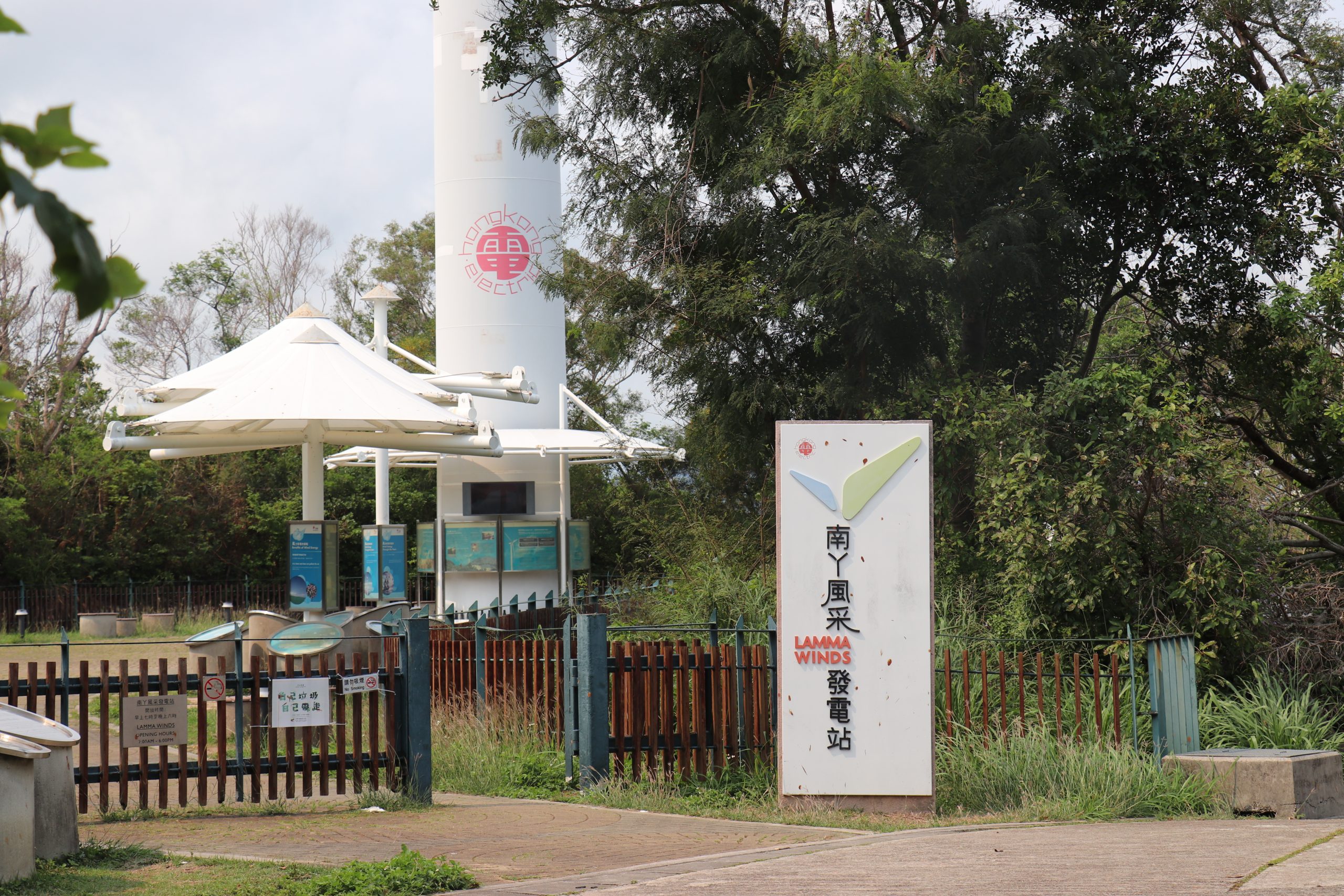
“Last time we came here, the wind blades were still moving,” Chen said. “It is no longer moving now.”
Lamma Winds was built in 2006, the first of its kind in the history of Hong Kong. It is also the first commercial-scale renewable facility built by a power company in Hong Kong.
According to HK Electric, Lamma Winds was designed with a capacity of 800 kW. The construction cost was HK$15 million, and it took five years to complete. The power giant said the wind turbine has generated 16 million kilowatt hours of electricity over its 20 years.
Wong Kam-sing, former Secretary for the Environment, said the decommissioning would not change the scale or direction of the city’s renewable energy development.
“Based on the government’s 2050 strategy plan, onshore wind farms are actually not part of our future development strategy,” Wong said.
“Lamma Winds is mostly a demonstration of the technology we had 20 years ago, therefore it has no special relationship with Hong Kong’s further development of renewable energy,” he added.
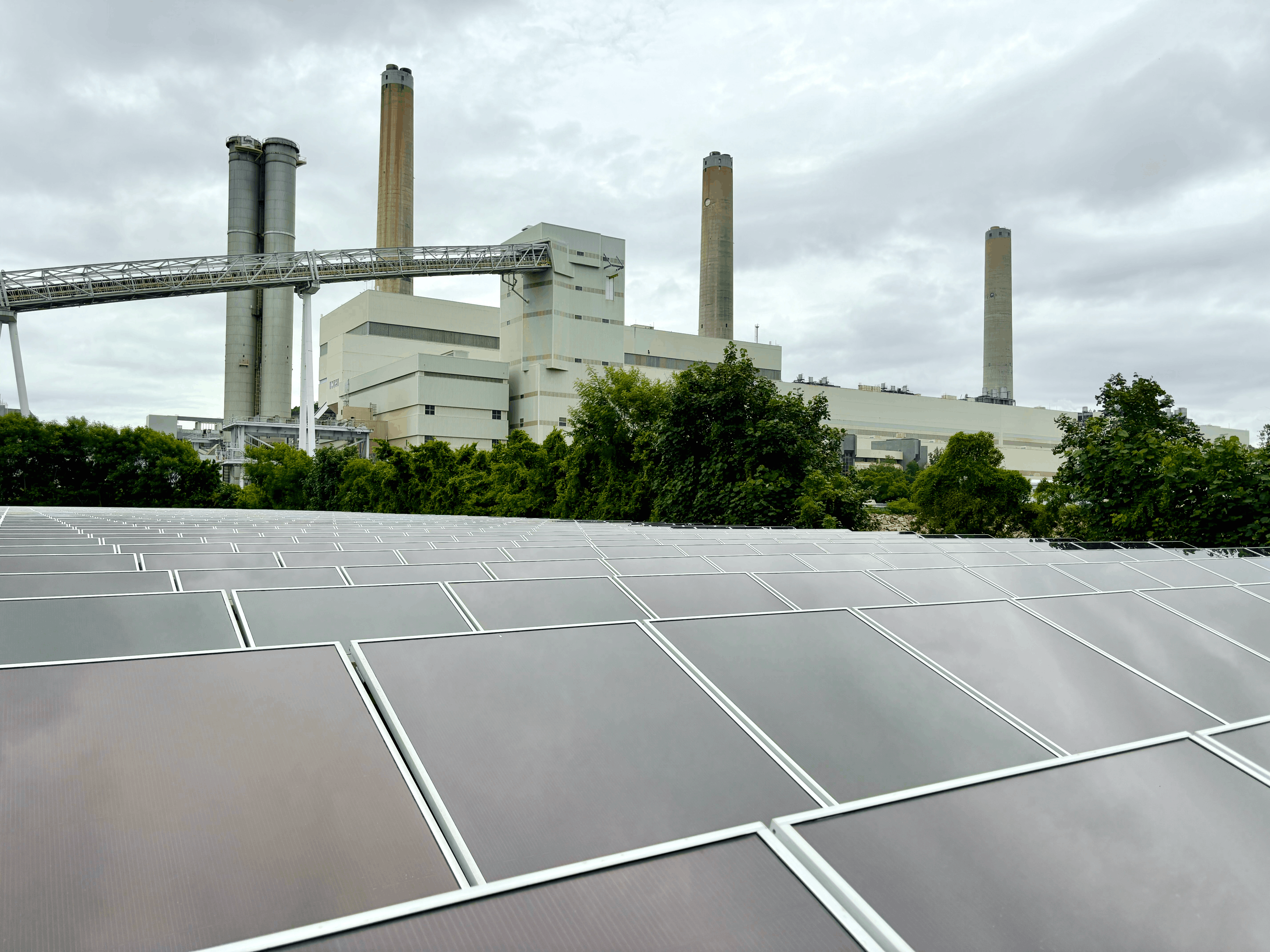
As of 2023, 61% of Hong Kong’s carbon emissions came from electricity generation, according to the Hong Kong Climate Action Plan 2050 Progress Report. Within that, 55% of electricity generated comes from natural gas.
The government has set a goal to achieve carbon neutrality by 2050, according to the Environment and Ecology Bureau.
Under the plan, Hong Kong is set to phase out coal in electricity generation by 2035, while raising the proportion of zero-carbon energy to 60 to 70%.
A large-scale offshore wind farm has been planned in the city's southeast waters since 2006, according to the Environmental Protection Department. The project passed the environmental impact assessment in 2009.
“We don’t have many leads when it comes to developing renewable energy locally. Compared to other regions in general, our wind conditions are not necessarily ideal,” Wong said.
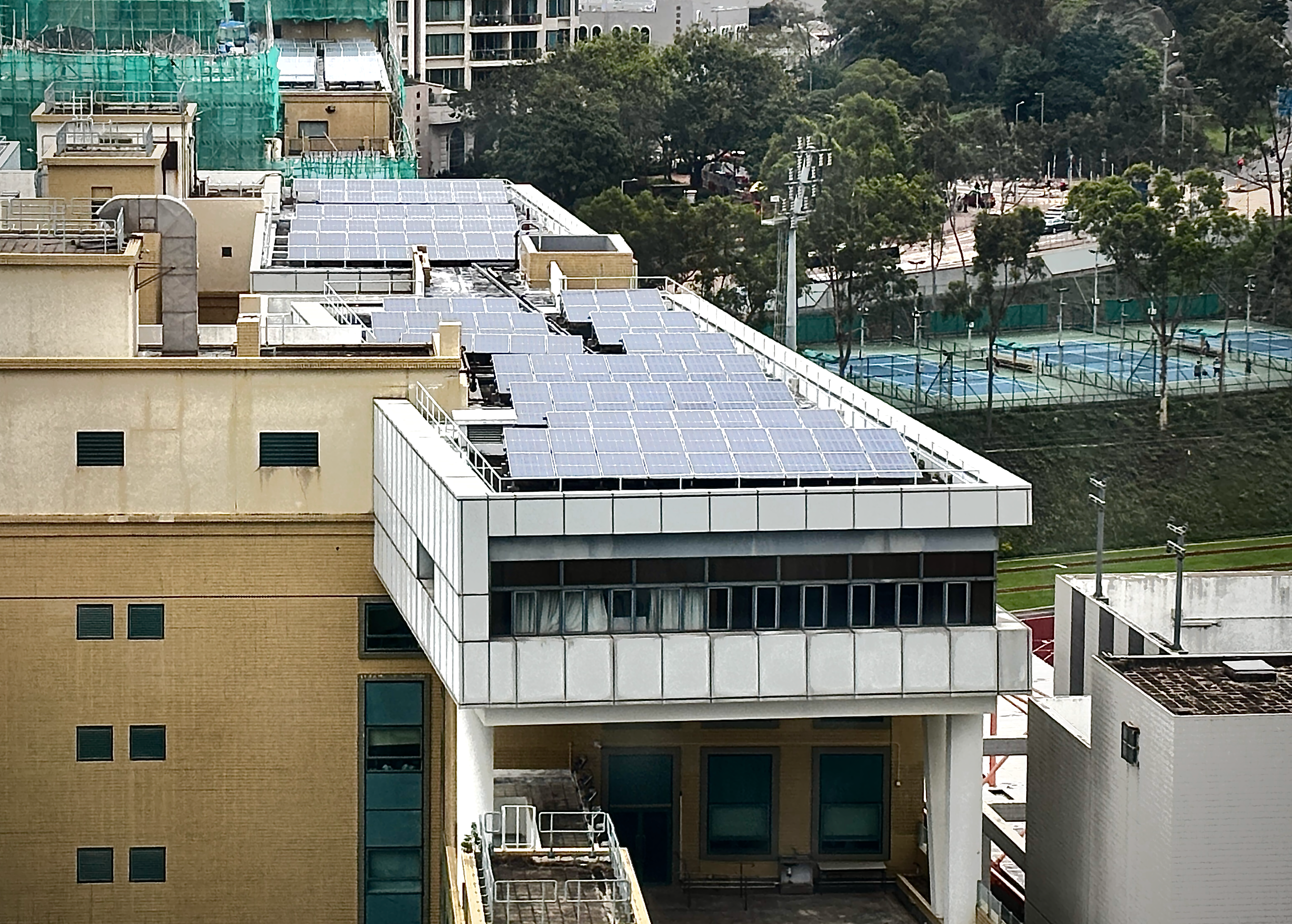
Wong added Hong Kong may have the potential to further develop solar power due to the city’s complex geographical landscape.
“If we make good use of distributed solar panels across the city, we may have leverage on solar energy on some level.”
Even so, Wong added that limited rooftop space means solar energy alone cannot carry the city’s transition.
As of 2023, Hong Kong's carbon emissions per capita had fallen to 4.58 tonnes, down from a peak of 6.30 tonnes in 2014, according to the Environment and Ecology Bureau’s Progress Report.
By comparison, Singapore’s carbon emissions per capita stood at 7.68 tonnes in 2023.
“Based on data, Hong Kong is actually standing very ahead in effort in terms of energy transition,” Wong added. “The actions taken by the government may feel very distant, and residents may not notice them day-to-day. But the achievements are facts.”
Chan and Chung said the government should do more to promote renewable energy to the public.
“I think the government isn’t inactive in pushing towards renewable energy, but it is not providing enough resources for actions to be taken,” Chung said.
Wong said the government has to allocate resources wisely for publicity so that the public can better understand government policies.
“If it is something that doesn’t require citizens to take actions, they naturally pay less attention to the government,” Wong said. “The government needs to balance the allocation of limited resources when it comes to educating the public on government policies."
“We are in a complicated society, there are always people who want the government to do more, and organisations that have their own agenda, but numbers will always reflect the actual situation most objectively.”
《The Young Reporter》
The Young Reporter (TYR) started as a newspaper in 1969. Today, it is published across multiple media platforms and updated constantly to bring the latest news and analyses to its readers.
Survivors and advocates call for comprehensive sexual offence law reform
Abused and abandoned, shared bikes raise questions of accountability


Comments