
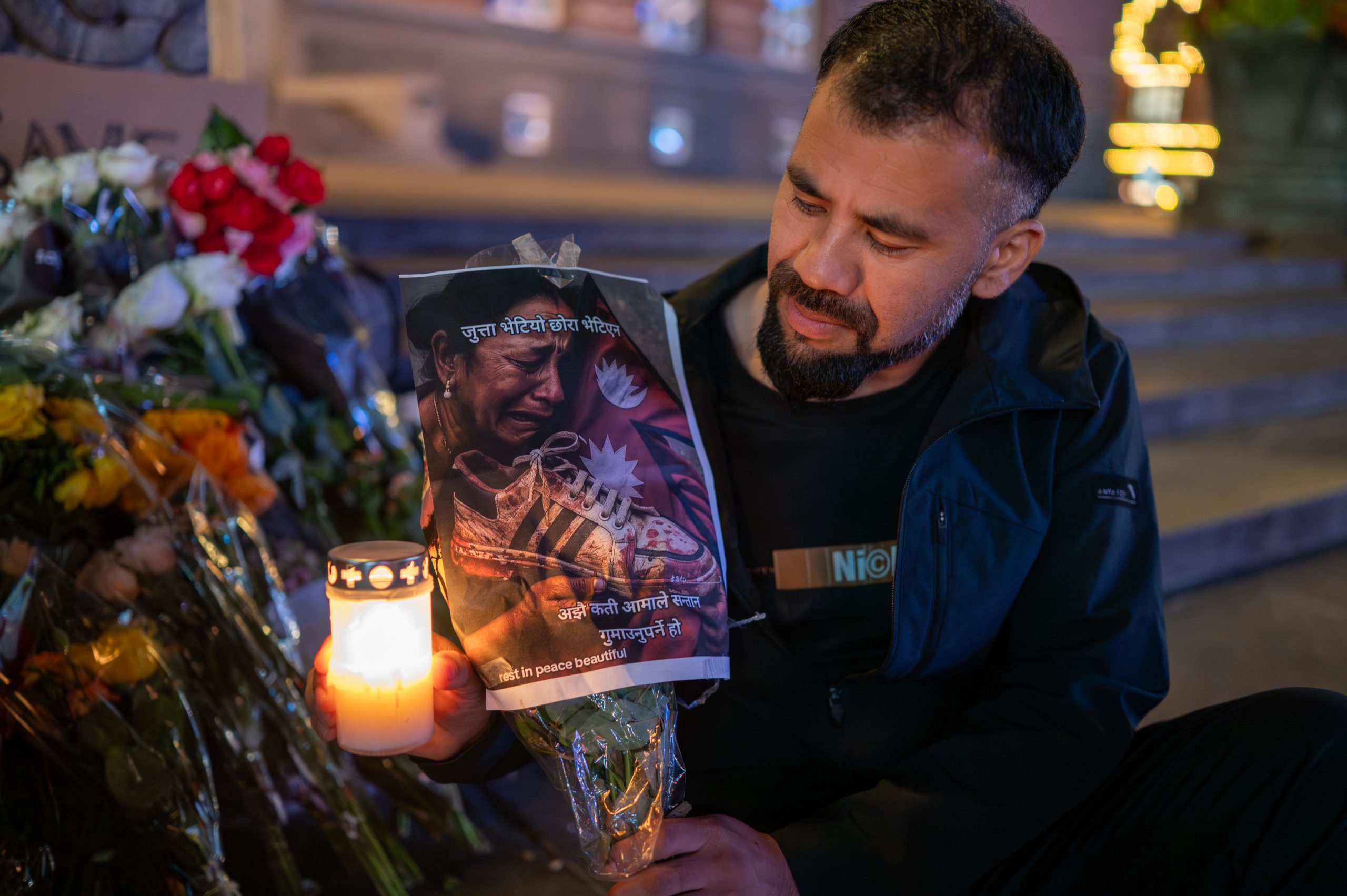
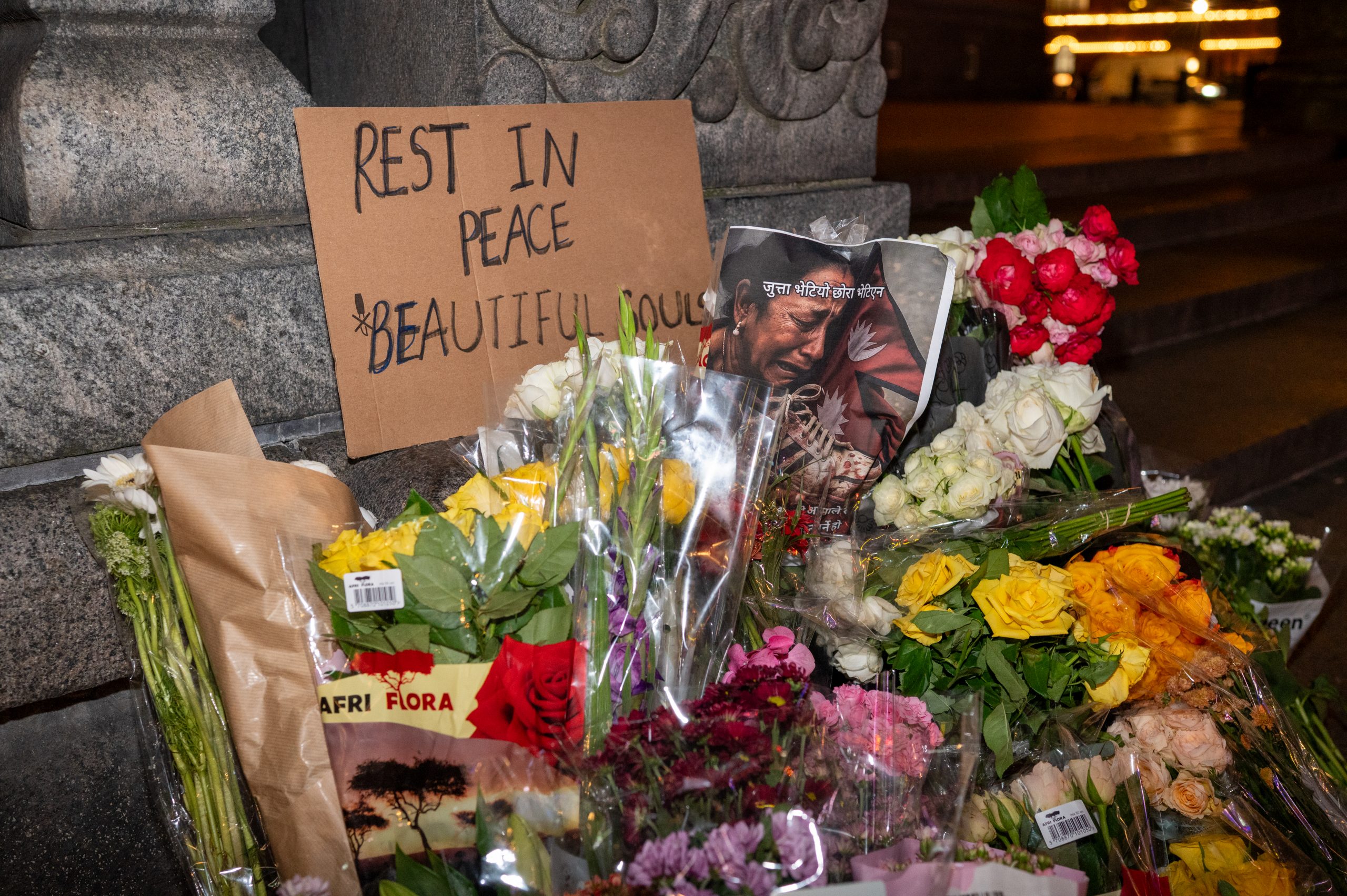
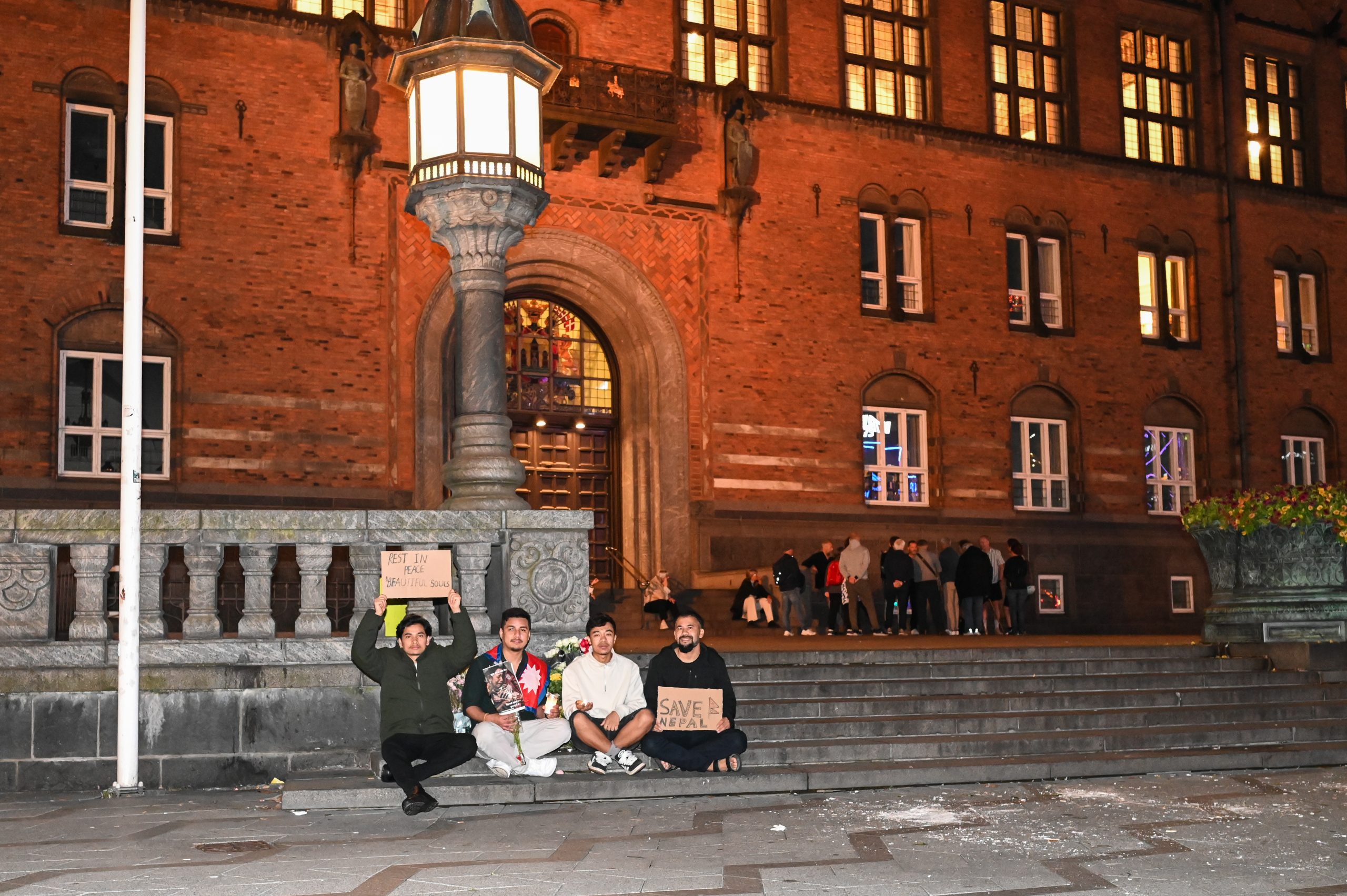
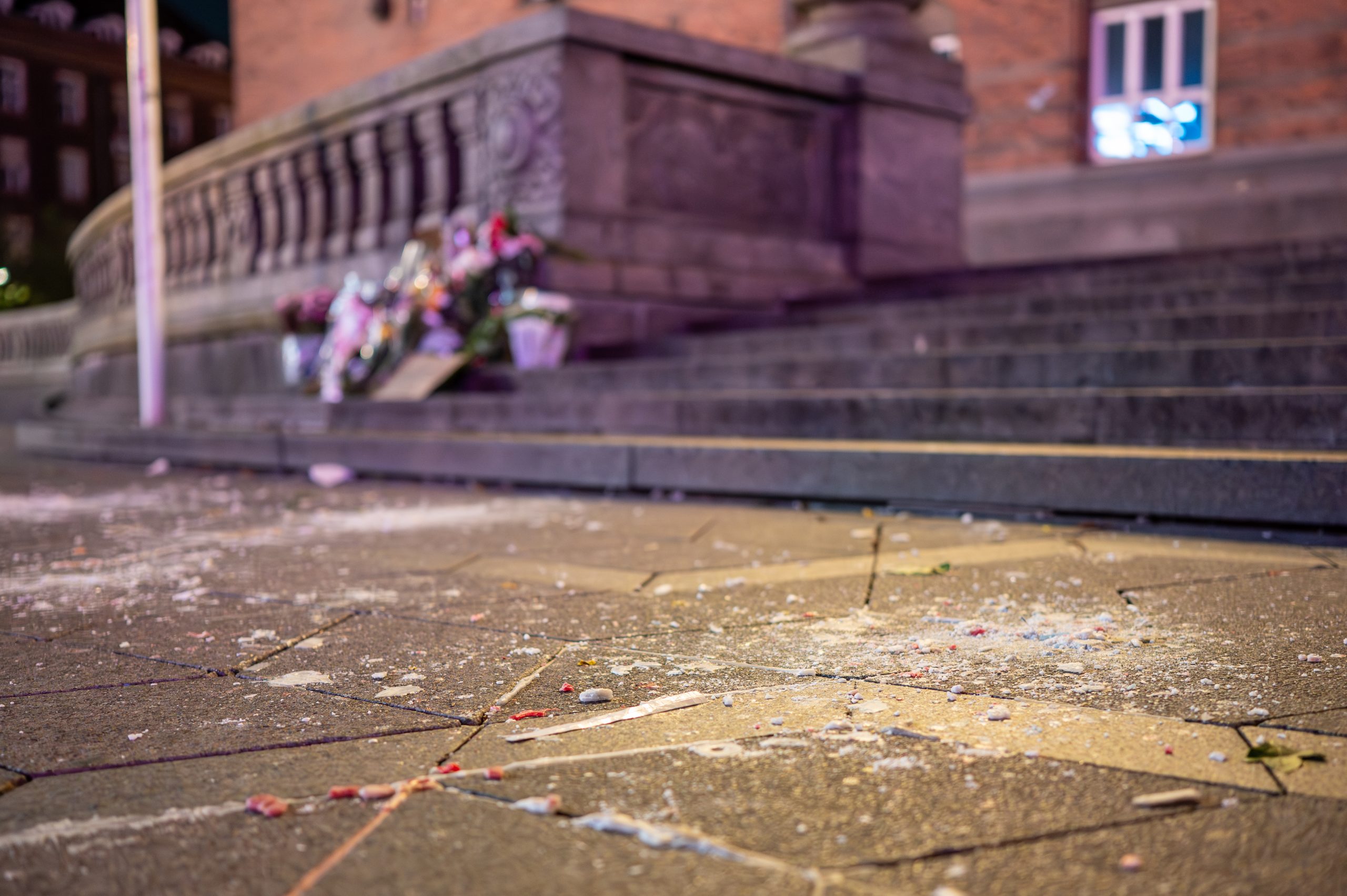
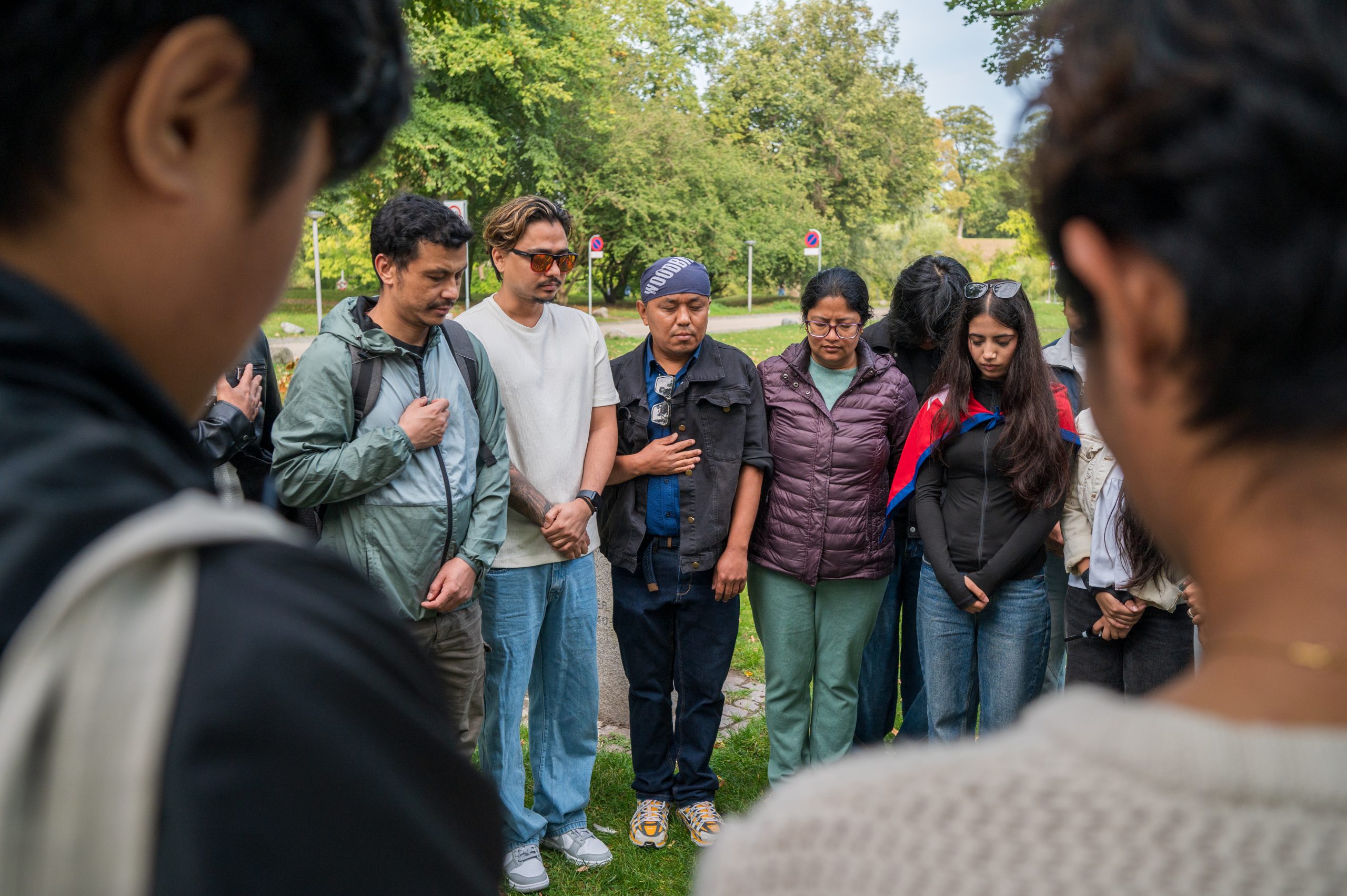
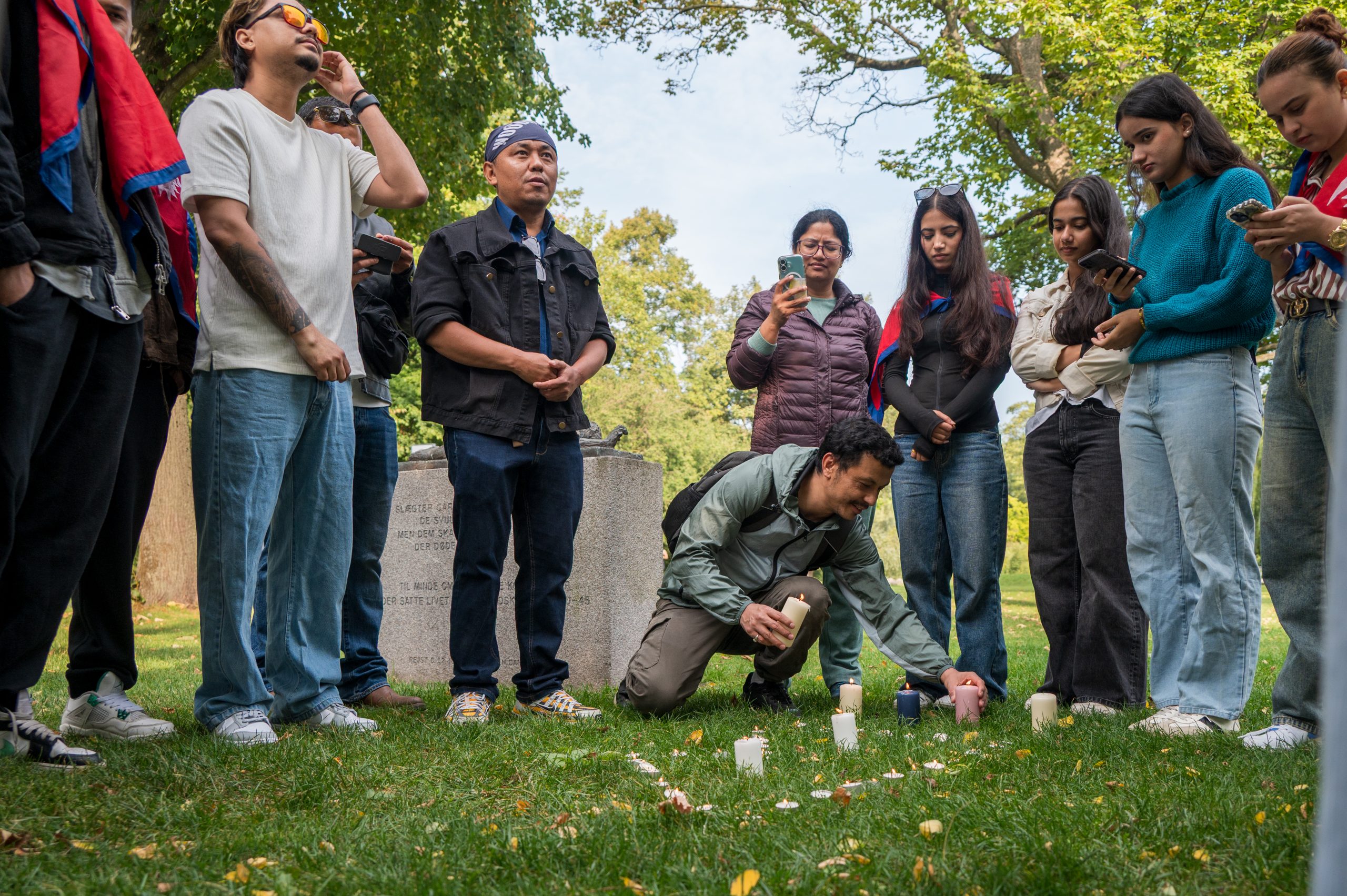
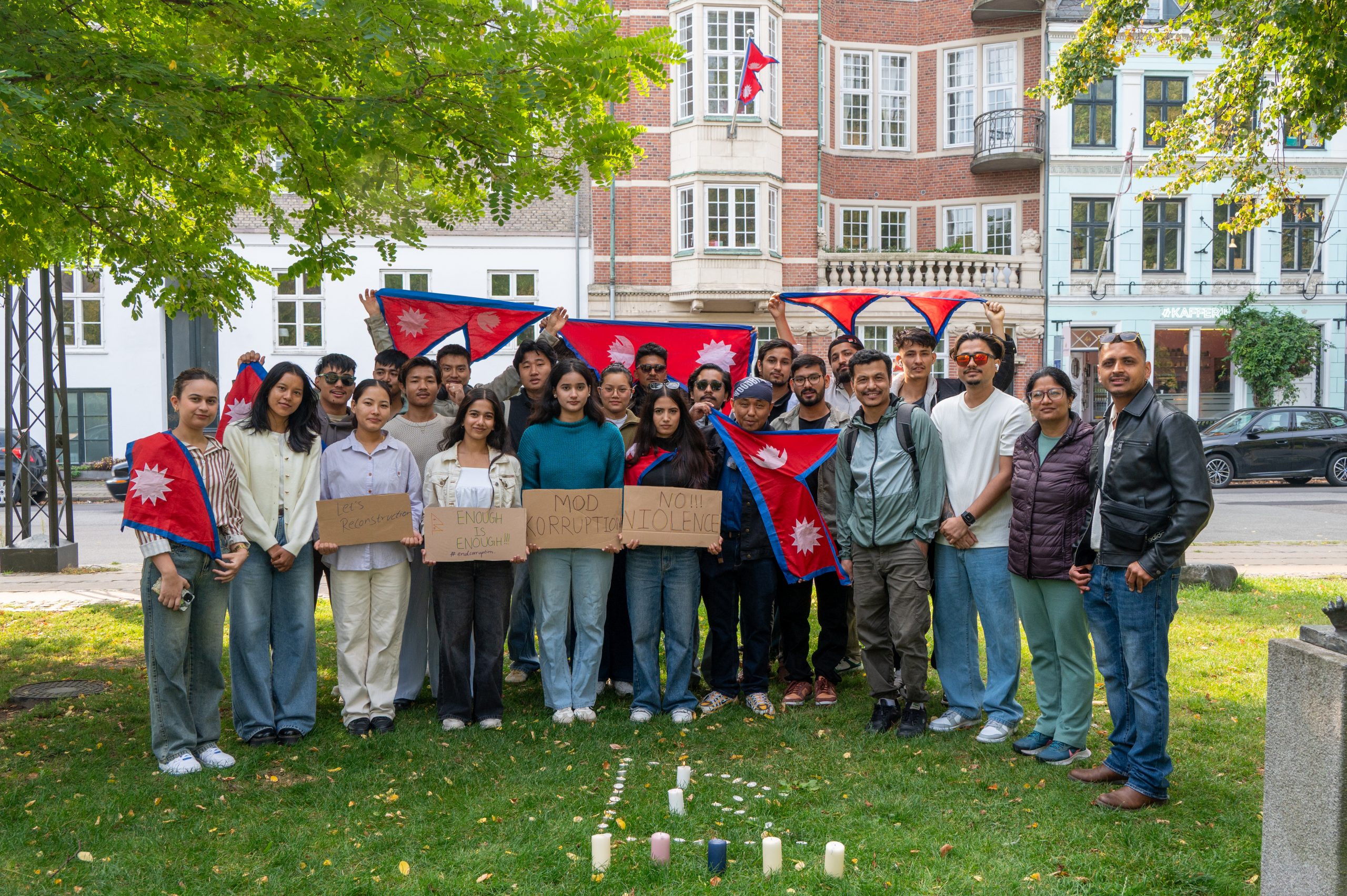
Flowers, candles, and handwritten cardboard signs sat on the stairs of a public square in the city centre of Copenhagen to commemorate more than 50 Nepali protesters who died protesting against the government in Nepal on Monday and Tuesday.
Hundreds of Nepalis living in Copenhagen gathered at the City Hall Square on Tuesday evening, said Jyotindra Thapa Ais, 29, a Nepali living in Copenhagen who attended the gathering.
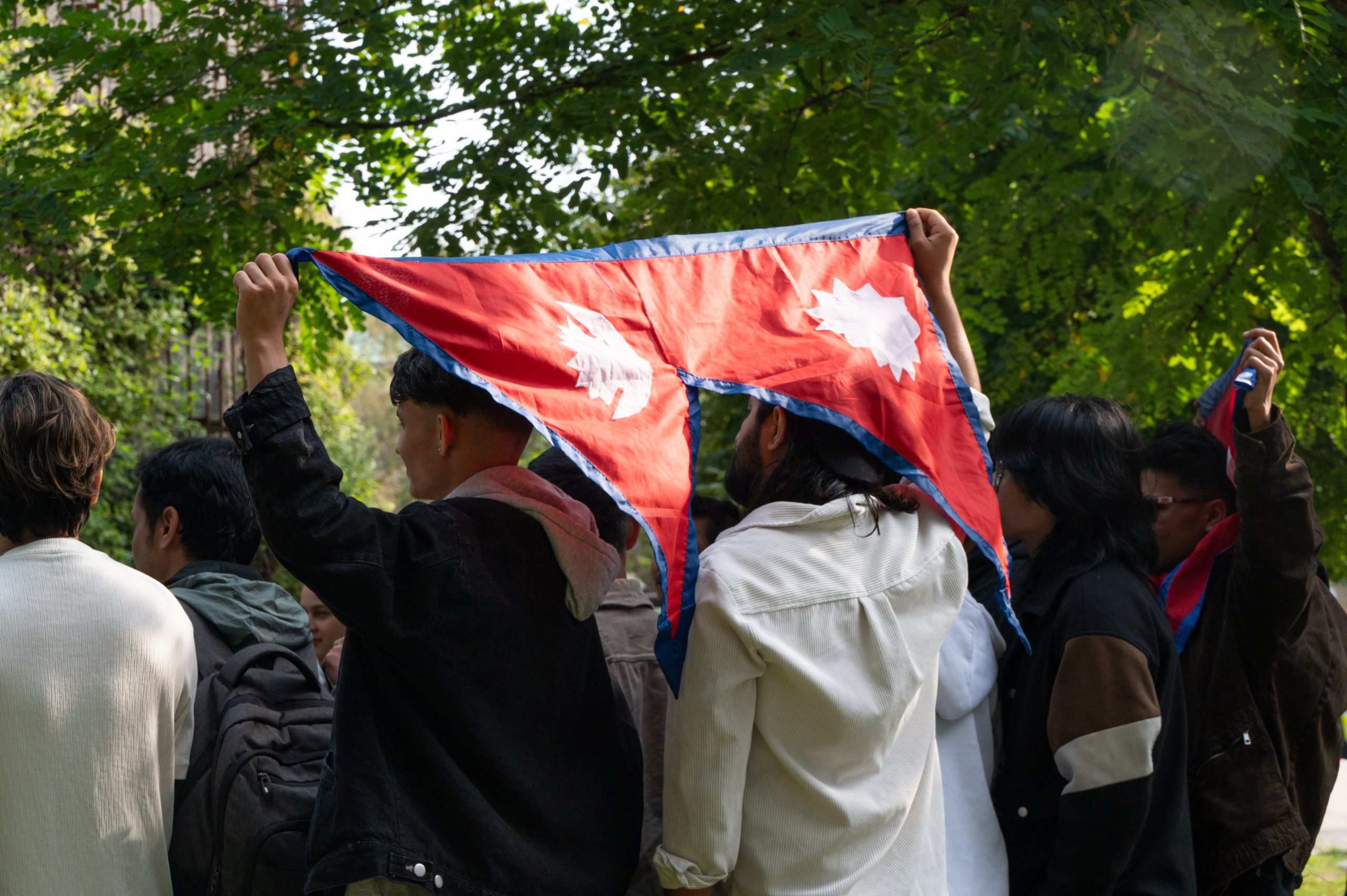
On Wednesday morning, 23 Nepalis gathered again outside the Nepal Embassy to protest Nepal government policies, youth unemployment and a lack of opportunities and to pay tribute to the dead protesters.
The protest, which started against a social media ban in Nepal, has escalated into a deadly conflict involving tens of thousands of mostly young people taking to the streets of Kathmandu.
More than 50 Nepali protesters, mainly students and young people, have died from clashes with security forces and police, according to the BBC.
The Nepali Supreme Court, parliament and other major government buildings were set on fire. Houses that belong to government officials were raided by demonstrators.
The dissent has created a power vacuum in the Nepali government, as the prime minister, ministers and high-ranking members of political parties resigned.
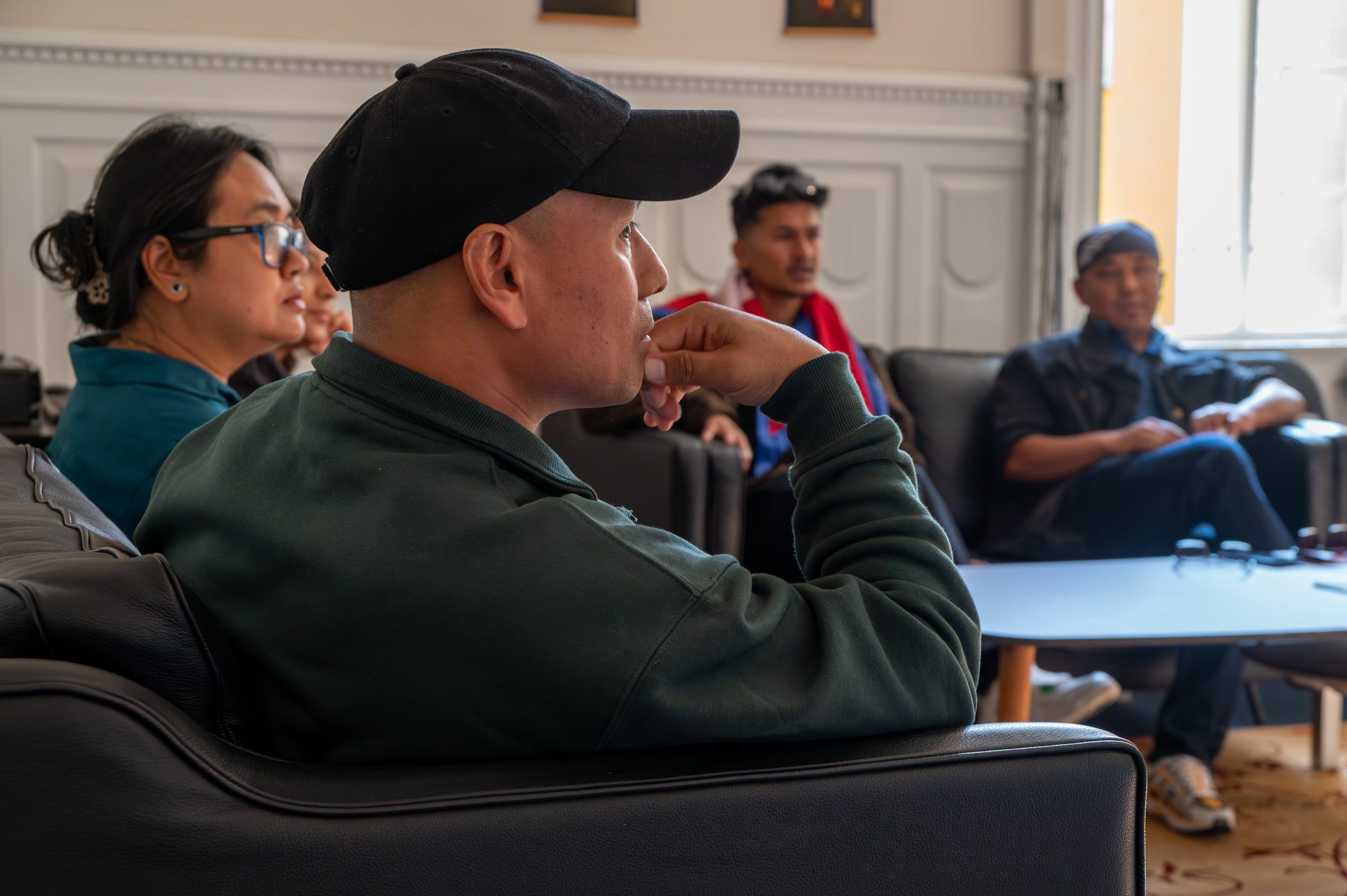
Bel Gurung, 50, from Nepal who lives in Copenhagen, said he initiated the two events in Copenhagen on Tuesday morning, after hearing requests from Nepalis in Copenhagen to raise their voices.
“No corruption, no violence, no injustice” were the key messages Gurung and other protesters spread, he said.
“When you speak a voice, the true voice, it doesn't matter how loud or how small it was. That spread all over the world to the right people, to the right country,” he said.
Jyotindra said: “Today was just for the death of the students, and we were not focusing on other points like the ban of social media, because we thought the death of the youngsters was more valuable than this other sort of problem.”
He added that although lives have been lost in Nepal, the changes in government are a step forward.
“Yesterday we were sad, but today we are happy,” he said.

《The Young Reporter》
The Young Reporter (TYR) started as a newspaper in 1969. Today, it is published across multiple media platforms and updated constantly to bring the latest news and analyses to its readers.

Music, beer, and sweat: Copenhagen metro turns into a dancefloor for locals

Sawed-Off Horns: The Rhino’s Trade-Off for Survival in South Africa


Comments