
Chief executive John Lee Ka-chiu defended the controversial top talent scheme in his latest policy address but observers urged the government to address the talent mismatch by bringing in more high-tech elites.
The Top Talent Pass Scheme generated around HK$34 billion a year for the local economy, accounting for approximately 1.2% of economic growth, said Chief Executive John Lee Ka-chiu, in the policy address on Wednesday.
This is the first time the Hong Kong government has quantified the scheme’s economic contribution to the city in light of mounting criticism against the scheme being abused.
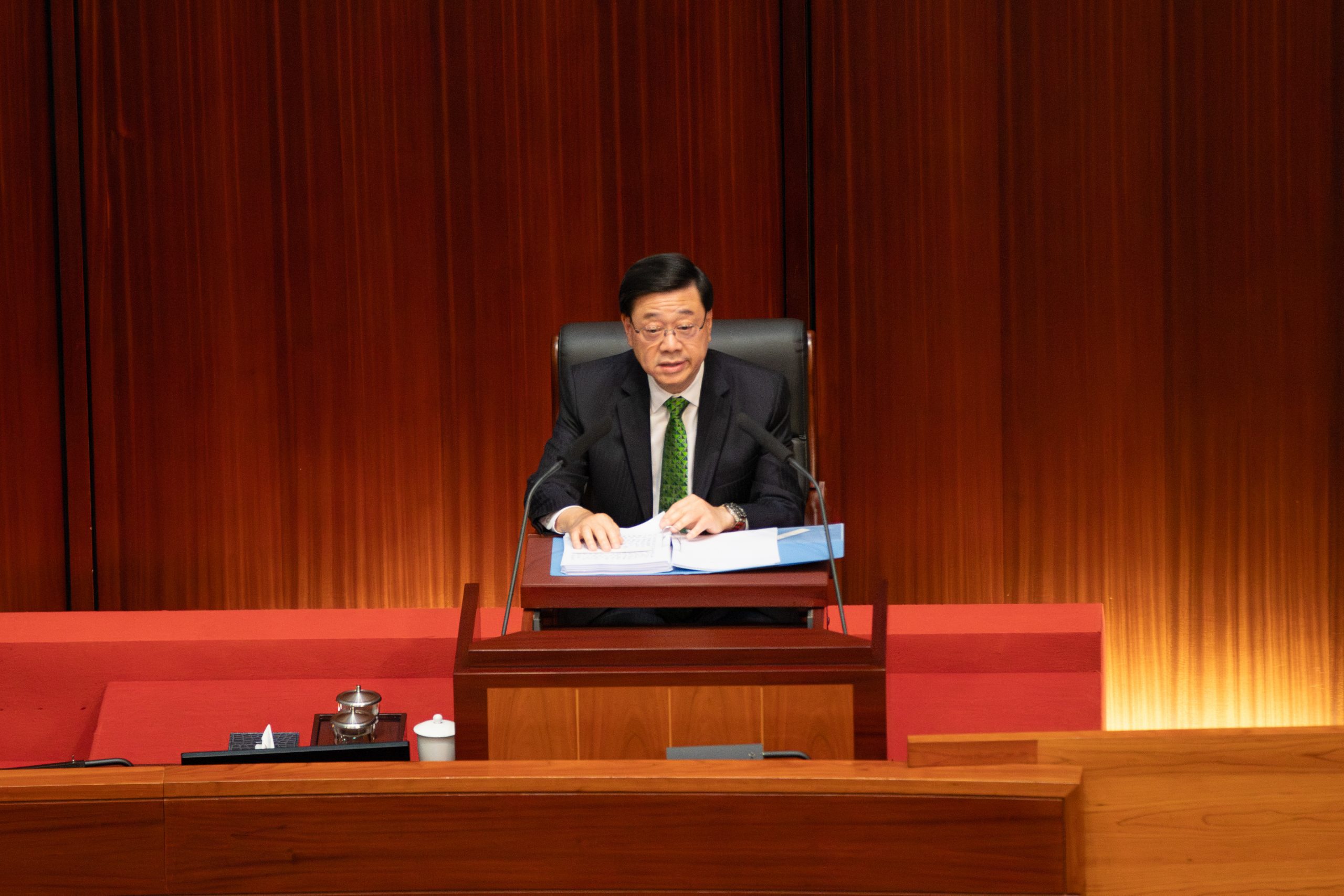
Former chief executive Leung Chun-ying criticised last month that most applicants did not settle in Hong Kong, but returned to the mainland with their families after obtaining Hong Kong identity cards.
When delivering the 2025 Policy Address, Lee said Hong Kong attracted over 230, 000 talents to work and live in the city under a number of new talent talent admission policies, including the TTPS. About 14,000 of TTPS applicants, or 54%, had their visas renewed.
“Of them, 95% receive a monthly income higher than the local median income of about $20,000, and 50% earn a monthly income nearly double that amount. This reflects a strong demand for TTPS talents and the market's willingness to offer higher salaries to attract them,”
Lee said most of the admitted talents to Hong Kong are relatively young, with 70% being under 40 years old, which helps to address the challenge of the aging population.
However, observers did not see a picture-perfect reality.
Lawmaker Wendy Hong Wen said Hong Kong lacks high-end tech talents but the TTPS is mainly bringing in talents from the finance sector.
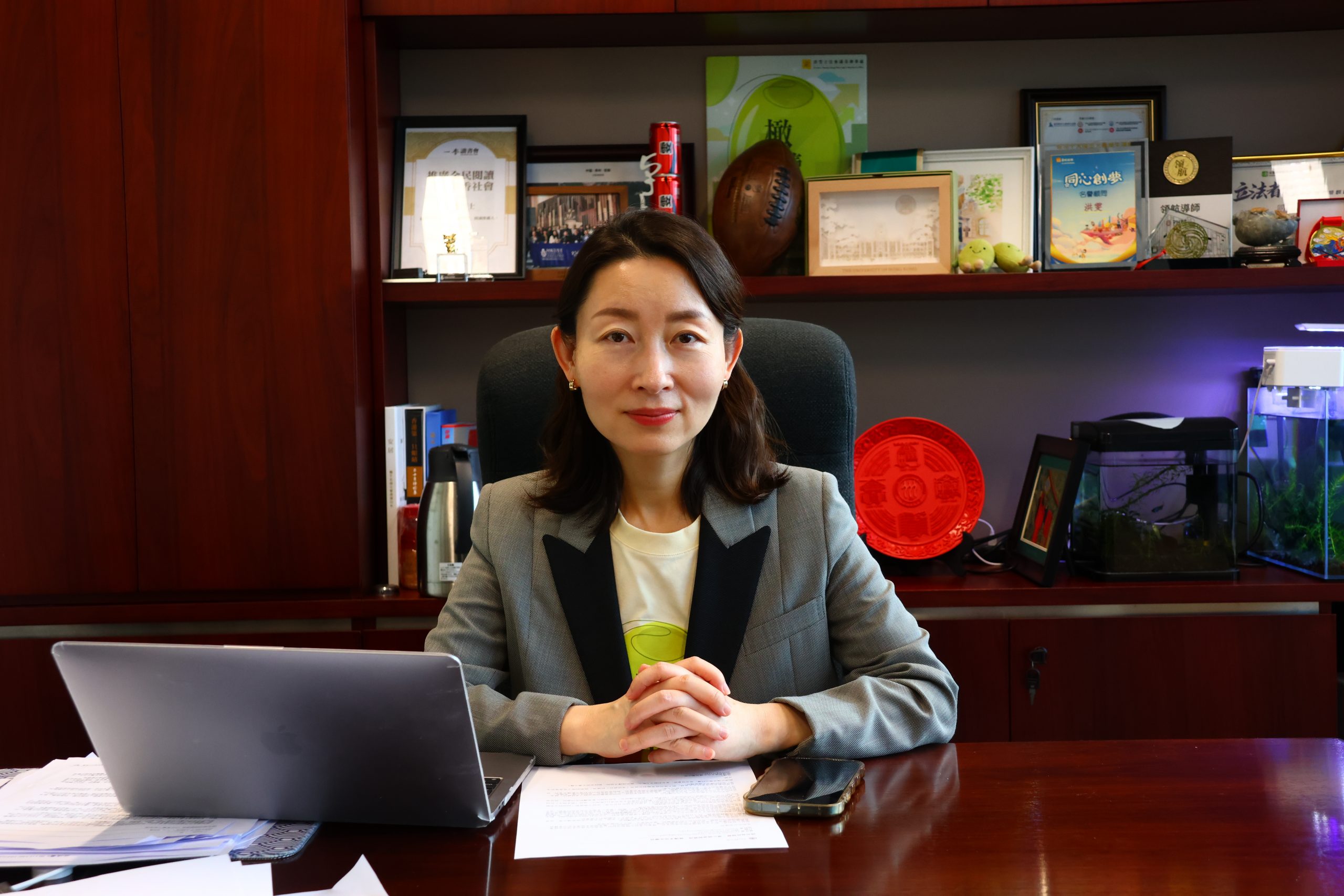
“To address the mismatch between the talent supply and industry demand, the government should adopt a demand-driven approach by enabling companies to directly search for candidates who can apply for the TTPS,” Hong said.
Terence Chong Tai-leung, the Executive Director of the Lau Chor Tak Institute of Global Economics and Finance, echoed the statement but he added that Hong Kong's high-end technology industry struggles to attract top talents.
“Compared to the financial sector, technology companies in Hong Kong face intensive competition and lower profitability, which naturally drives talent towards more lucrative opportunities,” Chong said.
“To attract more professionals, the government can learn from mainland China by drawing on monopolistic practices and economies of scale, leveraging market dynamics to reduce the number of competing firms and enhance corporate profitability,” he added.
TTPS also creates some unfairness for locals, Hong said, as many simply join the scheme to get Hong Kong status, their children retain Hong Kong residency and attend DSE tutorial classes in mainland China, occupying places meant for local students.
The Top Talent Pass Scheme first launched in 2022, attracting people with incomes higher than HK$2.5 million or degrees from the world’s top 100 universities to apply for residency without employment, according to the Hong Kong Immigration Department.
Thea Tong, 43, who works in the information technology sector and graduated from the University of Science and Technology of China, emigrated to Hong Kong with her daughter under the scheme in 2024. She decided to renew her visa in 2027 to further her career development and support her daughter’s education.
Tong faced difficulties in renewing her Hong Kong driver’s license and an education-related business. She said the government needs to improve support for talents integrating into life in Hong Kong.
“Information resources are scattered and hard to find. I had to hire a secretarial company to consult on procedures," Tong said. ”It would be much more convenient if the government could establish a centralized platform that consolidates essential information related to daily life and business.”
《The Young Reporter》
The Young Reporter (TYR) started as a newspaper in 1969. Today, it is published across multiple media platforms and updated constantly to bring the latest news and analyses to its readers.
Policy Address 2025: Hong Kong relaxes loan application period alleviating capital pressure for SMEs
Policy Address 2025: More patriotic education on the 80th anniversary of Chinese WWII victory

Comments