
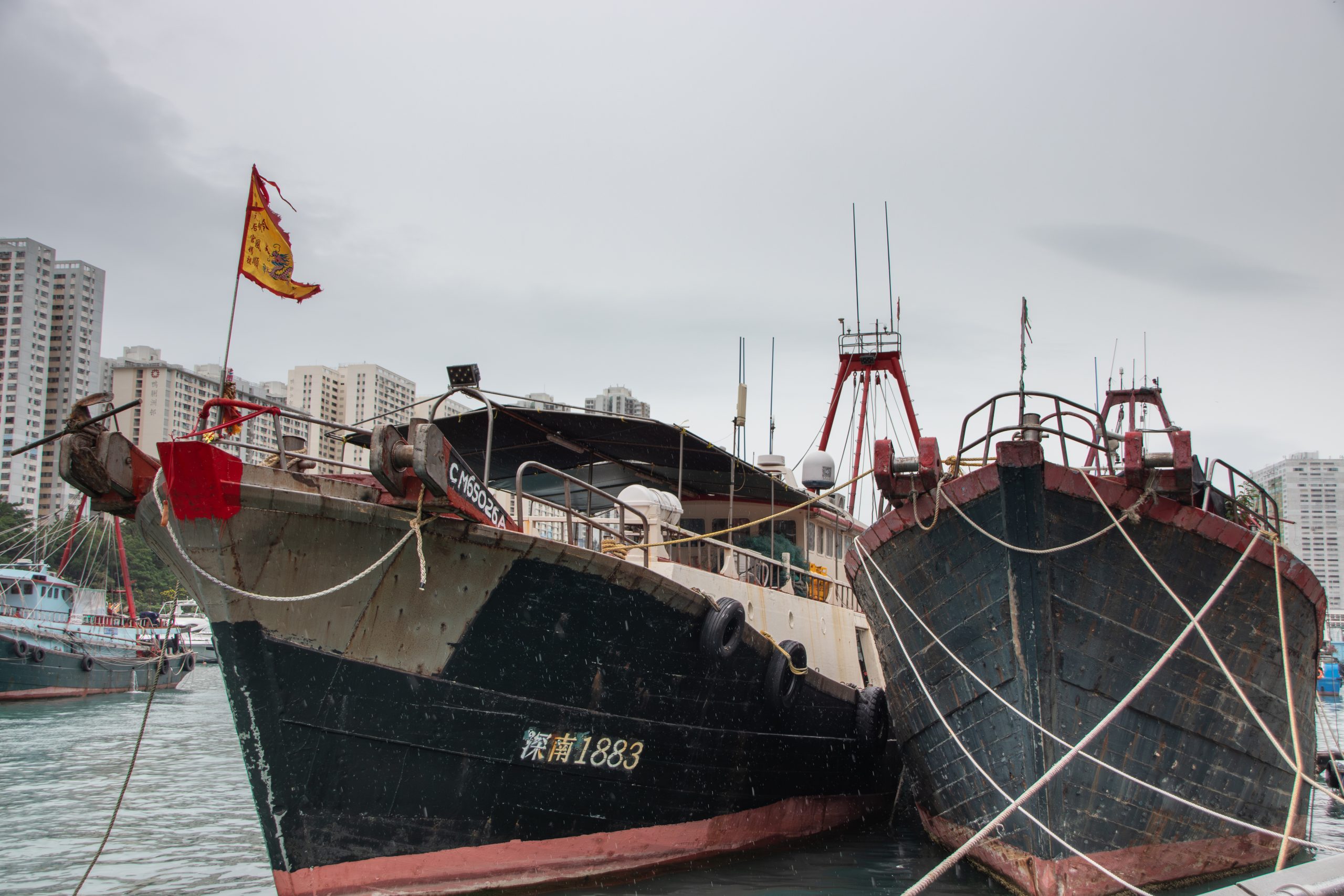
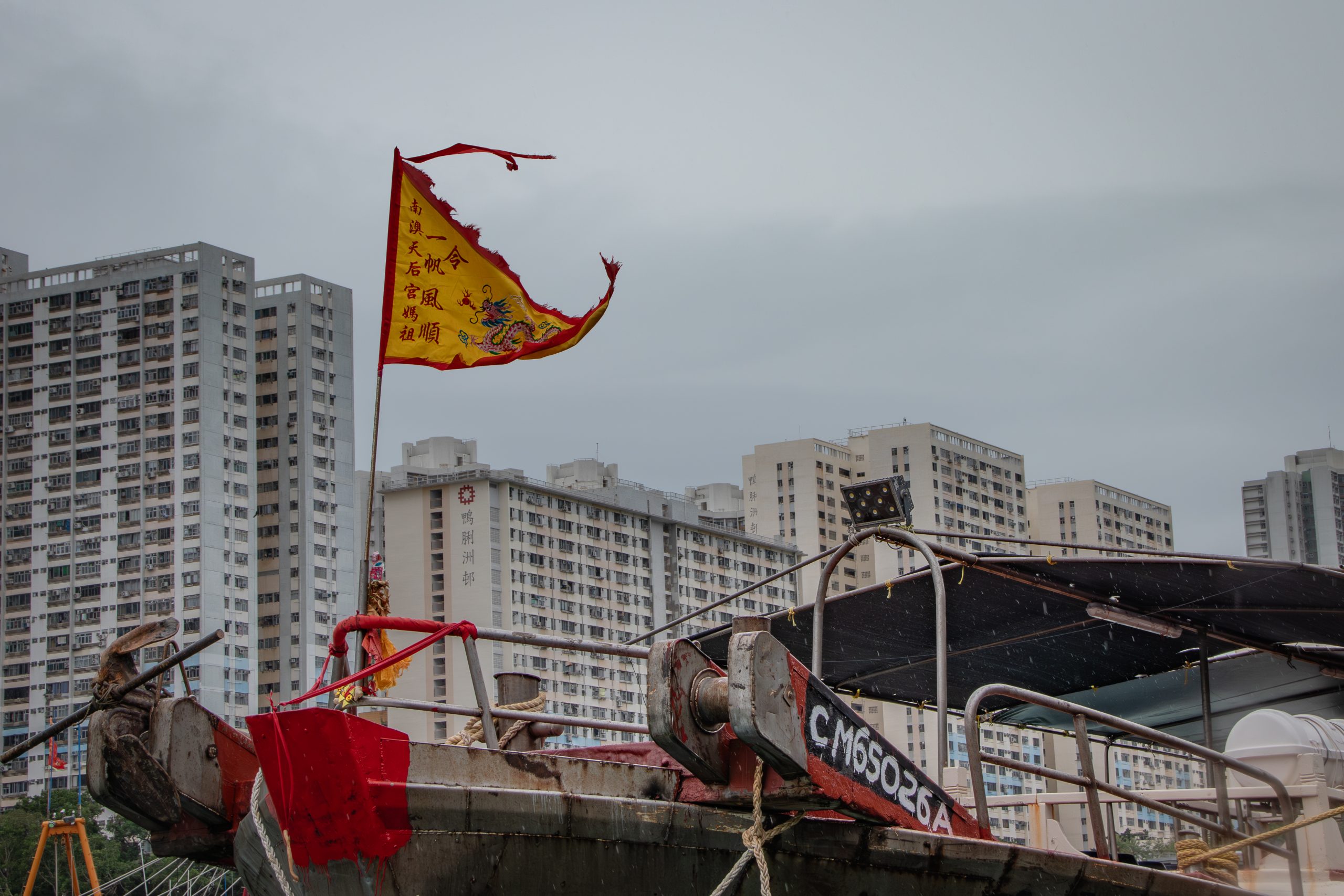
Every typhoon, the two Aberdeen Typhoon Shelters are filled with fishing vessels seeking refuge from strong winds. On the southwest coast of Hong Kong Island, across from the small island of Ap Lei Chau, Aberdeen Harbour is a natural shelter for boats.
When Super Typhoon Ragasa struck Hong Kong and prompted the Observatory to hoist the highest level T10 signal in September, the two shelters were full.
“Ragasa left a trail of destruction in Hong Kong, but it didn’t affect Aberdeen much,” said Lee Choi-wah, 68, the former president of the Hong Kong Chamber of Seafood Merchants, who owns a seafood store in Aberdeen Wholesale Fish Market.
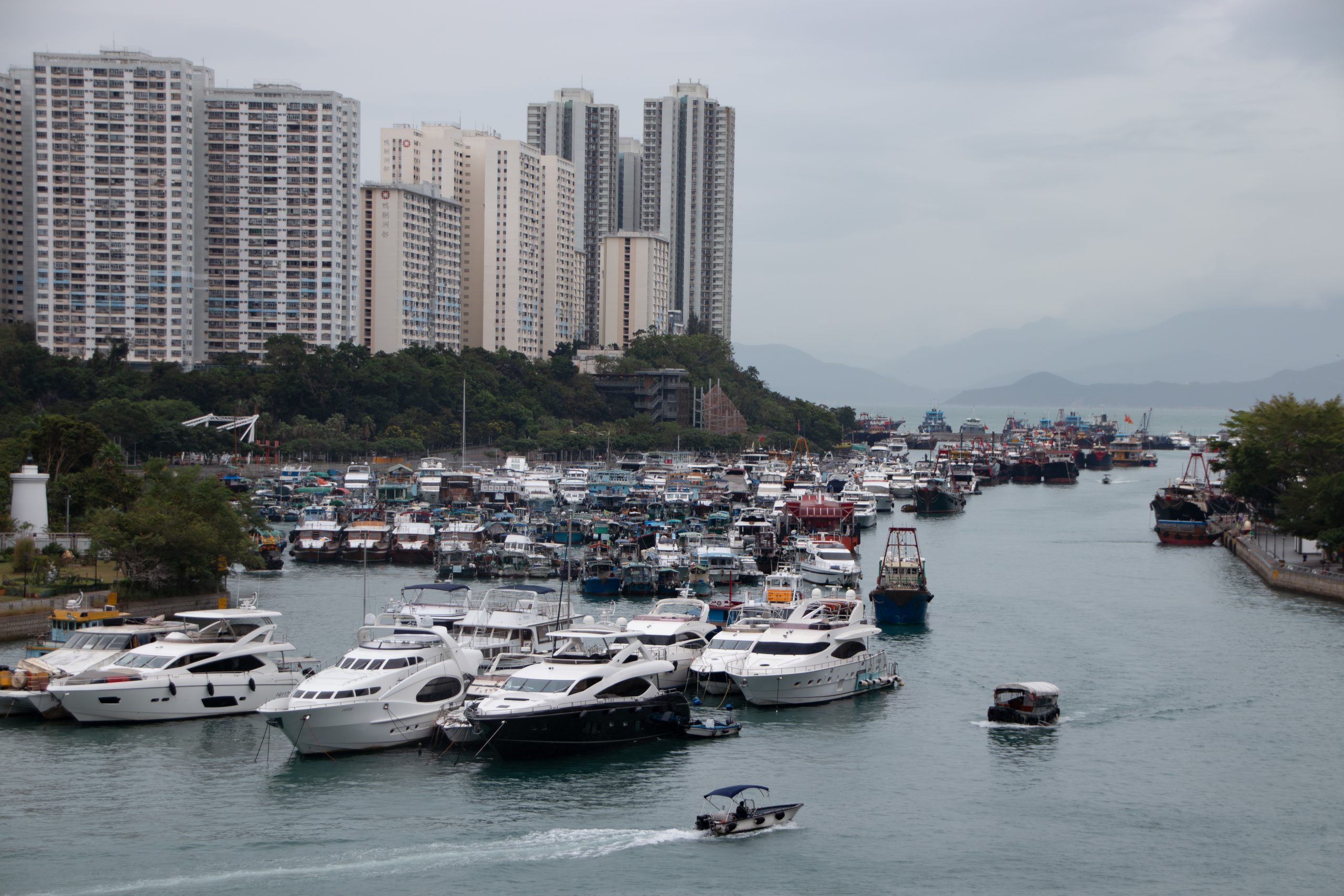
Because of its geographic location, this naturally protected harbour made Aberdeen the most important fishing village in Hong Kong before the 1970s, with more than 50,000 residents active here, according to the Fishermen Museum. They were known as “boat dwellers” and many of them worked as fishermen.
“Aberdeen is an important spot for seafood trading,” said Lee. “At its peak, 80% of seafood products in Hong Kong were traded here.”
Boat dwellers in Aberdeen operated grocery stores and restaurants on boats, forming a community on the water. This includes Jumbo Floating Restaurant, the most well-known seafood restaurant on boats in Aberdeen, which operated for 44 years before it was closed during the pandemic and subsequently sank in the South China Sea in 2022.
Lee, from a family of boat dwellers, spent his childhood living on a boat. “It was exciting when I could just jump off and swim with other kids after finishing my homework,” said Lee. He added that sometimes he and his friends casually fished together between the moored boats.

The 1961 Hong Kong Census recorded the highest number of boat dwellers since the end of World War II. Over 138,000 people, or 4.4% of the total population, were living on the water in places such as Aberdeen, Tai Po and Sai Kung.
But starting in 1964, with the emergence of mechanised fishing, the younger generations of boat dwellers began to work in the growing manufacturing industry, according to the Hong Kong Chronicles Institute.
Boat dwellers started moving ashore, including Lee and his family. In 2021, the Census found only 1,125 boat dwellers remained.
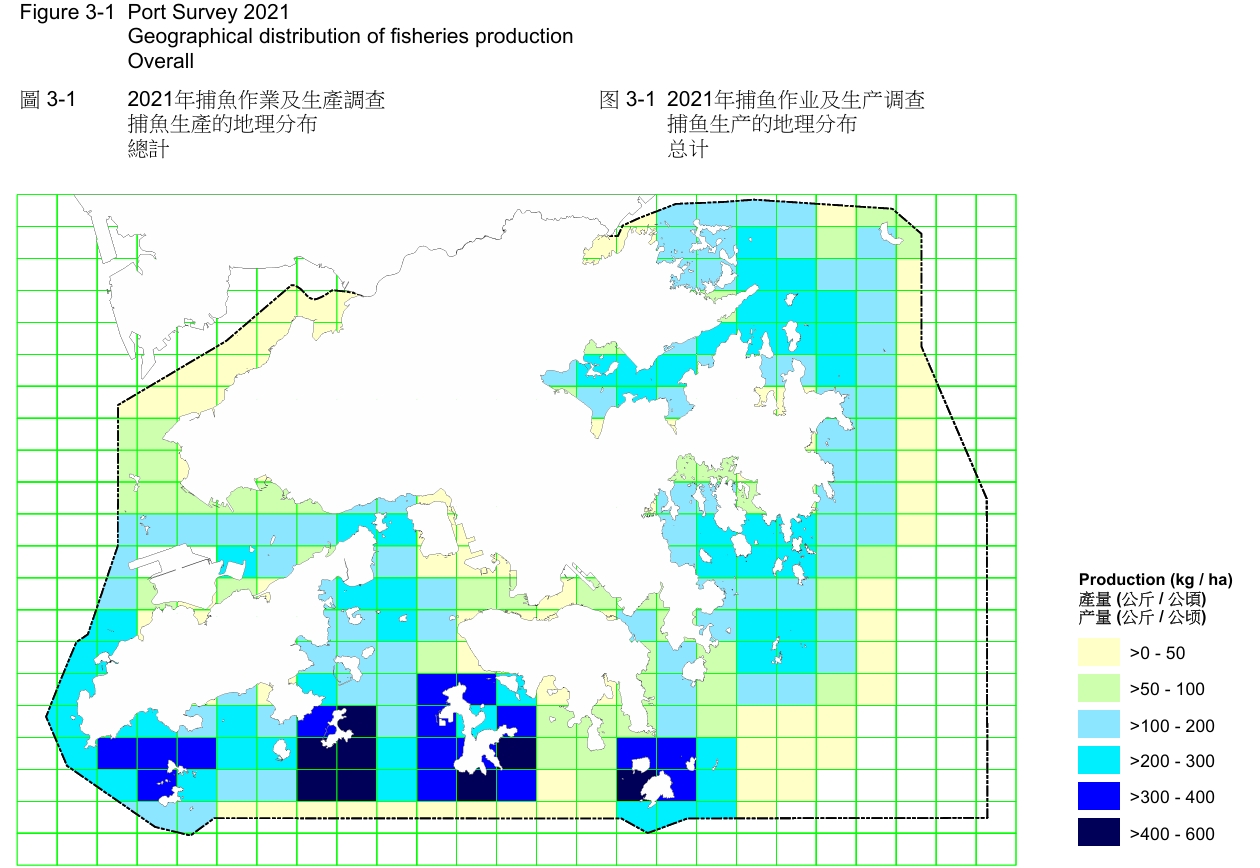
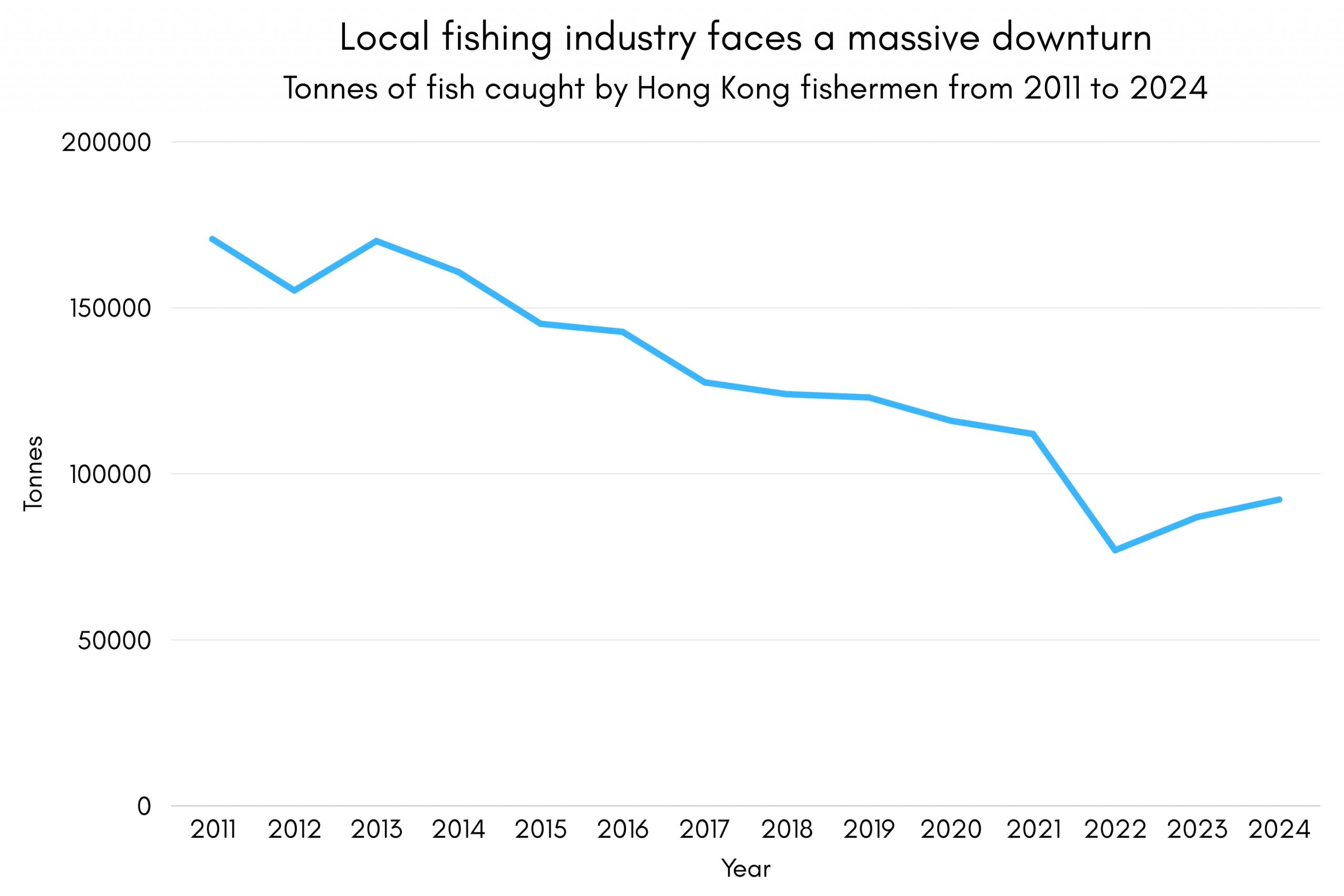
The entire local fishing industry is facing a similar fate. According to the Agriculture, Fisheries and Conservation Department, the volume of fish caught dropped from about 170,000 tonnes in 2011 to 92,000 tonnes in 2024, a decrease of 46% in 13 years.
Lee said the government used to provide subsidies and low-rate loans for fishermen to upgrade their vessels and equipment. However, such practices led to overfishing and damaged the marine ecosystem, resulting in lost harvests.
In 2013, Hong Kong banned trawling, a destructive fishing method, which impacted many small-scale local fishermen who relied on nets for fishing.
“The local seafood industry is shrinking,” said Lee. “Many of the local fishermen sold their vessels to those from mainland China in recent years.”
Ling Man-sum, the current president of Hong Kong Chamber of Seafood Merchants, told TYR in an email interview that the mainland-bound consumption habits by locals have dealt an additional blow to the seafood industry.
“Our major challenge is to adapt to the changing market,” said Ling. “Consumer behaviours are shifting and the industry feels like ‘battling the boss’ every day.”

“The mainlanders have larger fishing fleets, so locals can hardly compete with them,” said Lo Wing-chun, 34, a descendant of a fishing family. He added that his father quit fishing seven years ago.
“I couldn’t help but cry when my father decided to sell his boat. The boat is priceless to me as it represents happiness and the beautiful memories I had,” he said.
Lo said many of the older fishermen, including his father, have found it hard to switch careers.
The Hong Kong Fishing Culture Association has got involved to help these older fishermen and preserve local fishing culture. They invited Lo and his father to be tutors of the Recreational Fisheries Green Angling Promotion Program, a public education scheme.
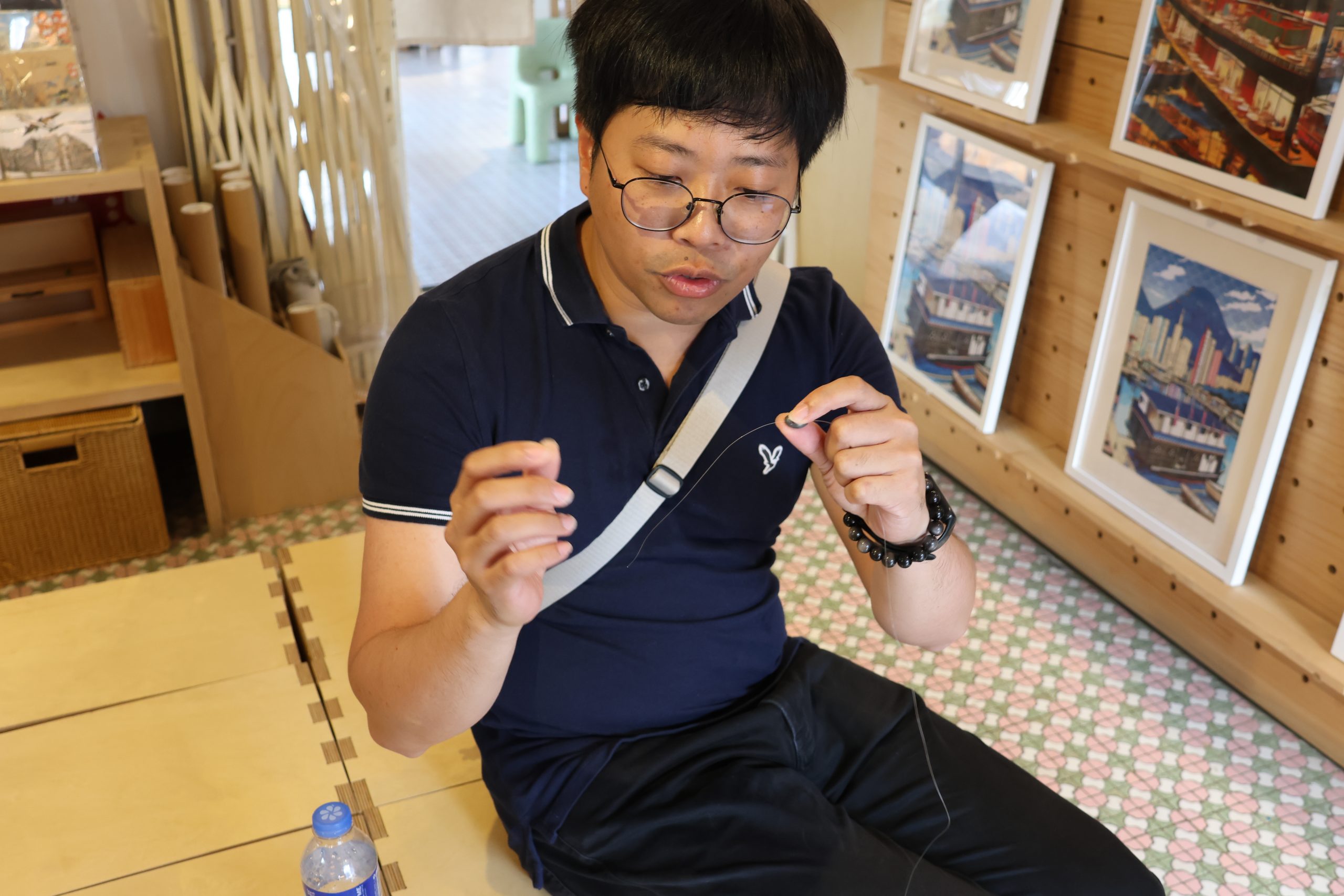
Under the programme, Lo and his father brought participants out to sea and taught them fishing skills, as well as about fishermen’s daily lives and their folklore. “Participants were actually curious about our culture and asked many questions,” said Lo.
The tutors also explain how they avoid capturing pregnant and juvenile fish to maintain the breeding chain. “It is good to promote the sense of protecting the sea by using fishermen’s experiences,” said Lo. “If the program can be further expanded, it will be a message for other fishermen not to feel discouraged despite all the setbacks,” he said.
In the meantime, Lo criticised the government’s insufficient support for the local fishing industry. “They require a complete proposal if the fishermen want to apply for a special financial aid, which is impossible for the old ones to handle as they lack the writing skills,” said Lo. “Does the government really understand the fishermen’s situation?”

When Lo and his parents were still living on a boat, relatives who had moved to land remained tied to the sea in their hearts. They celebrated the Lunar New Year on the family’s boat every year.
“Whenever it was the new year, all the family members came back to the sea from land,” he said. “The boat became a place for us to stay close.”
However, Lo said many descendants of fishermen have already shifted their focus of life elsewhere. “I believe we, as fishermen’s heirs, should make greater efforts for our industry,” said Lo. “My hope is to lead all of them in preserving our culture together.”
《The Young Reporter》
The Young Reporter (TYR) started as a newspaper in 1969. Today, it is published across multiple media platforms and updated constantly to bring the latest news and analyses to its readers.
Mental health stigmas stop treatment, scholars say

Live: 4th Plenum of 20th Congress


Comments