
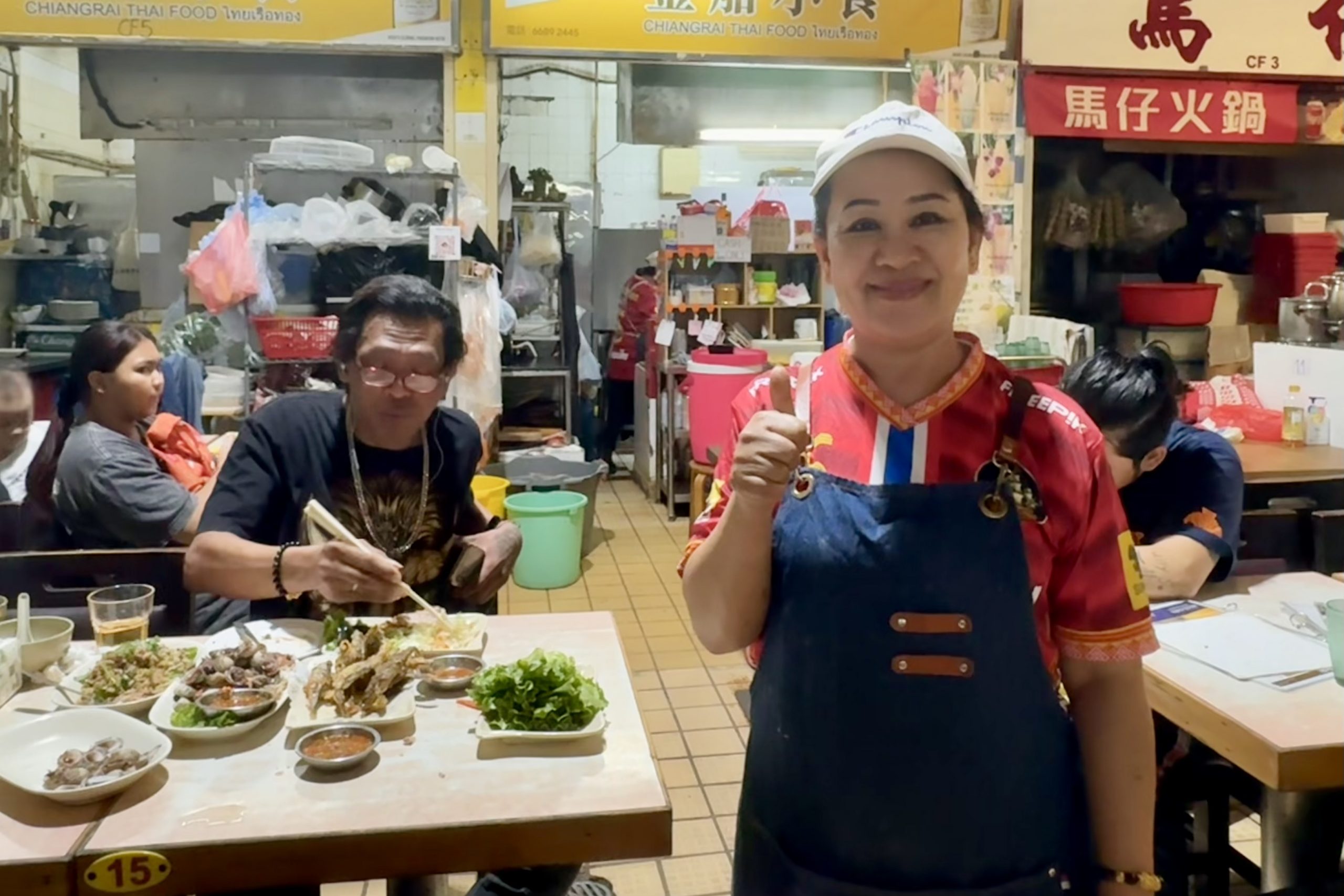
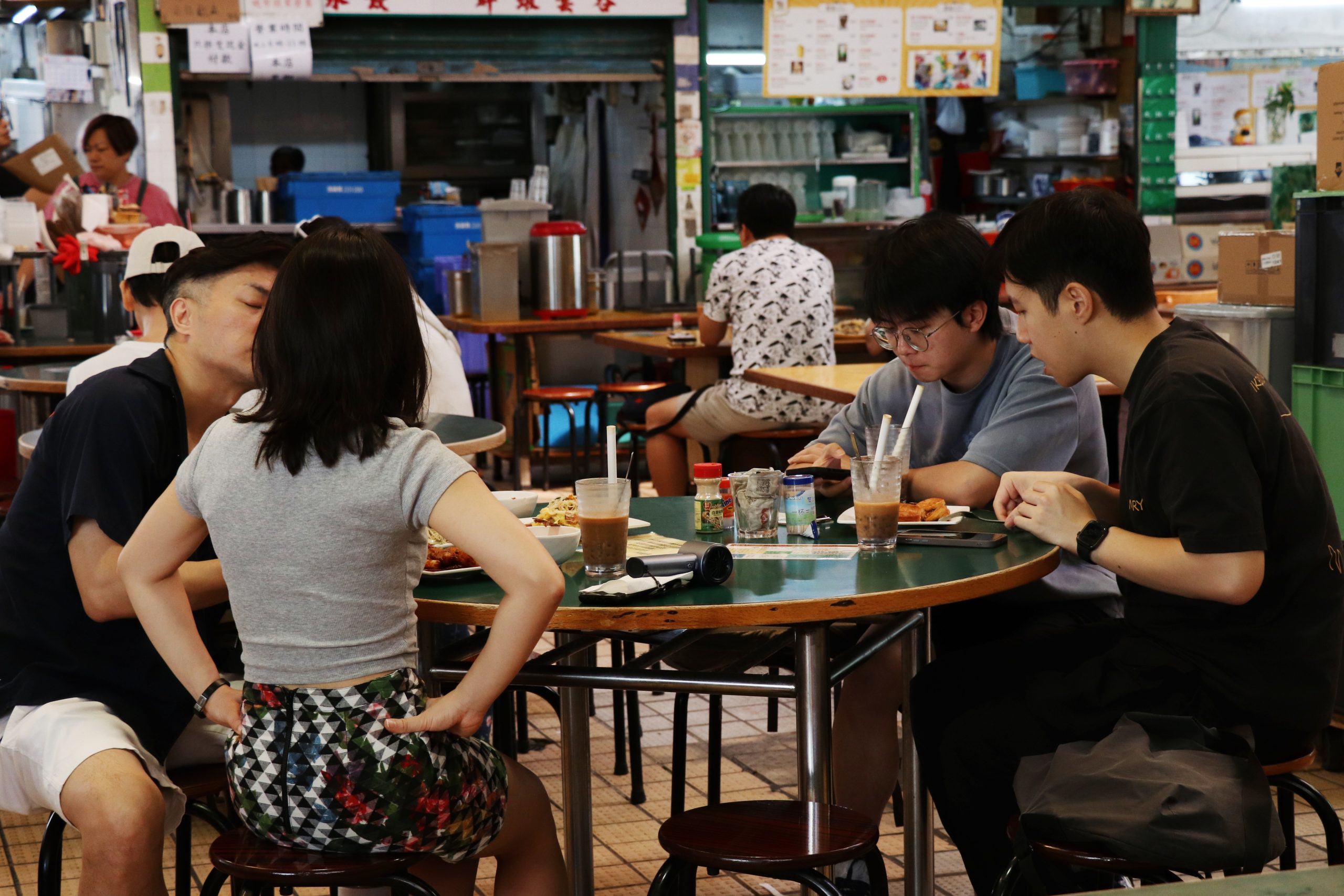
In the bustling food court on the roof of the Kowloon City Municipal Services Building, the air is filled with the enticing aroma of food from 10 restaurant stalls.
Sukulporn Paipha, 59, owner of Chiangrai Thai Food, a 27-year-old eatery, welcomed diners as they entered the cooked food centre. Her daughter served the Thai dishes while her grandson played with toys at a nearby table.
This scene is set to disappear with the demolition of the building, which includes a wet market and the cooked food centre, sometime in the next few years under the government’s redevelopment plan for the neighborhood.
Around 120 buildings will be demolished, including current public facilities such as the Kowloon City Municipal Services Building and the Kowloon City Lions Clubs Health Centre.
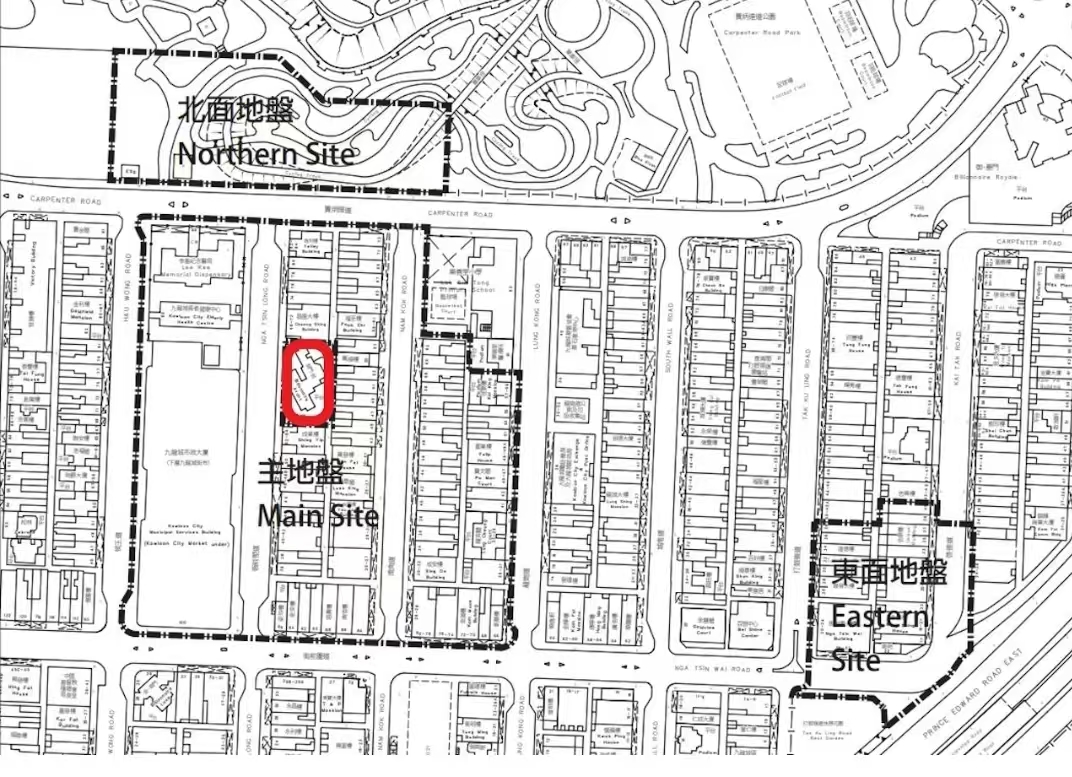
According to the Urban Renewal Authority, the redevelopment scheme in the Lung Shing area is divided into three areas, including the replanning of Nga Tsin Wai and Carpenter roads.
In July this year, the government reclaimed the land along the two roads, forcing the closure of dozens of businesses.
Outside the municipal building, the streets are nearly desolate. Only a few shops remained open, with others busy packing up to relocate.
Metal shutters were pulled down for most shops, displaying signs that read “Urban Renewal Authority Property: No Trespass or Unauthorized Entry.” Some simply note “Clearance Sale” or “Relocation Notice” in Chinese nearby.
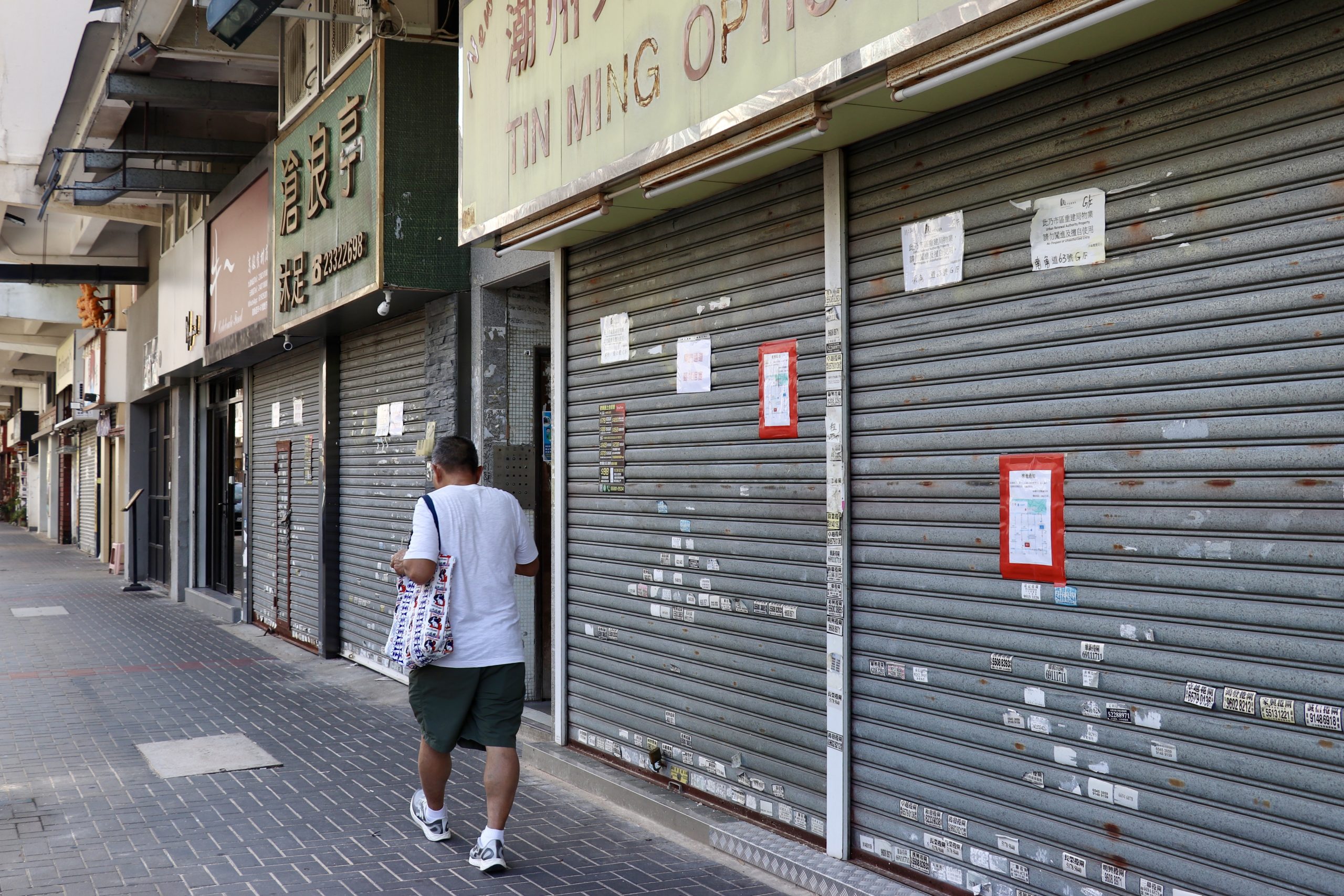
Approximately 140 floor shops across the three sites are affected. During a visit, TYR found that while most are looking for new premises, other businesses that have operated for decades are preparing for permanent closure.
“I arrived in Hong Kong when I was just 20, and now at 59, my family has grown deep roots here, three generations in all,” Sukulporn said. “I started with one shop, then opened a few more.”
Sukulporn said that the shop opposite hers in the cooked food centre also belongs to their family. Operated by her daughter-in-law, it will also be affected by the redevelopment scheme.
Many of these businesses are Thai restaurants. The district’s transformation into the “Little Bangkok” of today unfolded over decades, shaped by migration waves. According to the Hong Kong Tourism Board, in the early 20th century, some Teochew people who lived in Hong Kong moved to Thailand and married local people there.
As the Hong Kong economy boomed in 1970, those Thai-Chinese families returned, and they settled in Kowloon City. Thai culture got richer in the district during the golden age of 1990.
Recalling the early days, Sukulporn said the Kowloon City of decades past was surrounded by views of wild mountains before any proper market existed.
“I had no idea how to adapt here when I first came, since I was so young at that time. I missed home and cried days and nights,” she said.
Sukulporn said over the past few decades, more and more Thais have come to Hong Kong to open stores and live, especially in Kowloon City.
“I got everything I treasure here: a home, a shop, a family, and a bunch of Thai friends. My son even got married here, and we’re all happy; I can’t bear to leave,” she said, adding that she expects to relocate the shop to the area behind the Kowloon City Plaza sometime before 2031.
“We look after each other and share meals together,” she said of the other stall owners in the food centre. “I wonder if we’ll have times like this in the future.”
Wendy Hong, a legislative council member with a PhD in urban planning, said the cultural ecology of Kowloon City faces significant challenges under the government’s redevelopment plans.
“The survival situation for small shops is not ideal,” she said. “Although there’s some compensation mechanism, some small businesses get pushed out to new locations with higher rents. How are they supposed to survive after a move?”
Sukulporn said the government is currently in meetings with the merchants to finalise the details, such as discussing compensation for forced closure.
For Sukulporn’s indoor stall, the compensation will be calculated based on years of operation and monthly rent. “We’ve been operating for 27 years, so the government's compensation would cover 27 months’ rent, but the exact amount is still being negotiated,” she said.
“We certainly hope for more compensation because the new location’s rent might skyrocket to over HK$30,000 per month, compared to the current HK$11,000,” she said.
Adding to her worries are the costs associated with moving, renovations, and purchasing new equipment.
Sukulporn said some of her friends will close their businesses permanently, as relocating is too expensive.
Across the street, Lak Chai, the 58-year-old owner of Chai Rung Thai Food, is more optimistic.
“We’re moving next month, just a short distance away,” he said.
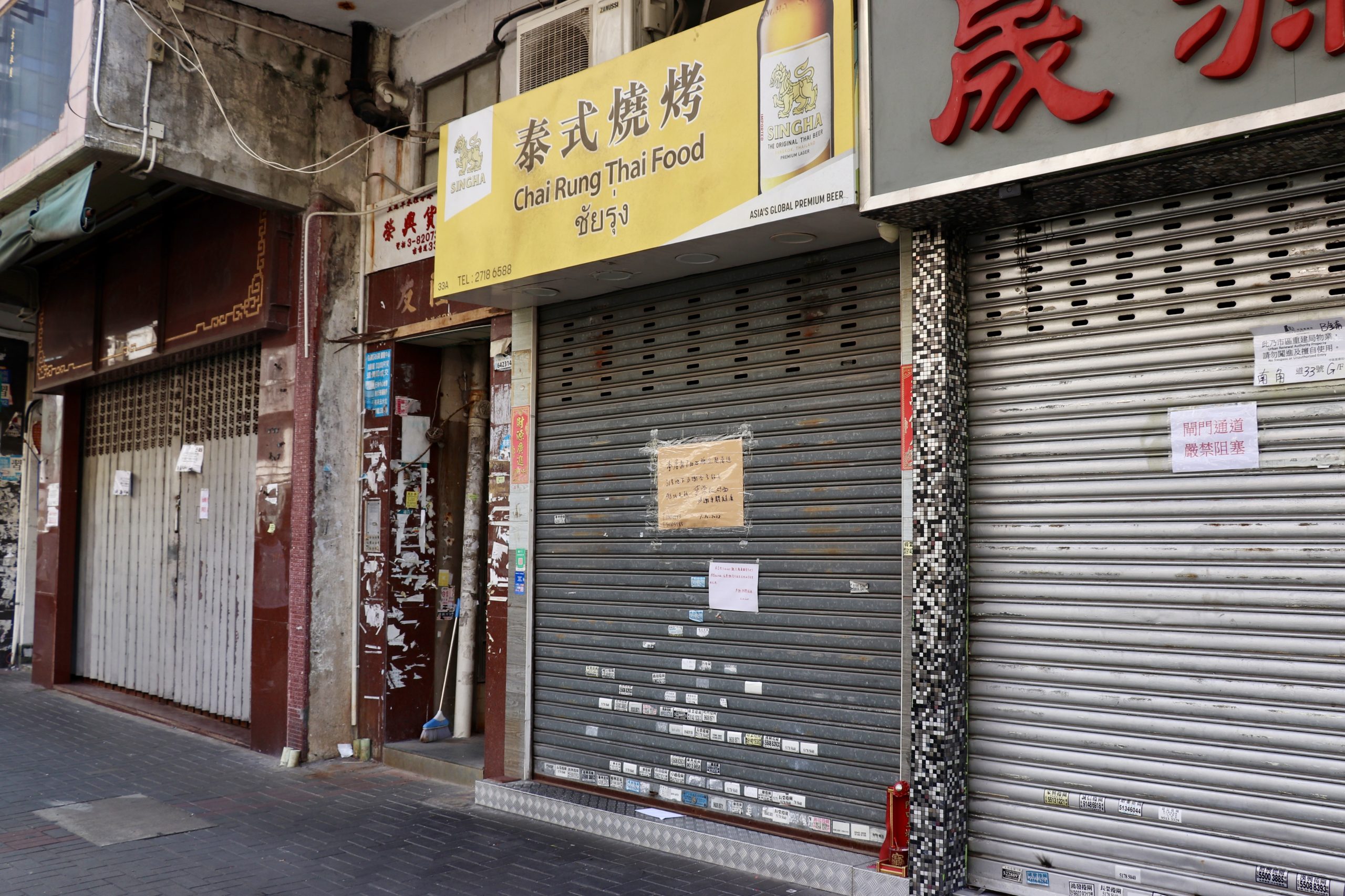
Chai and his partner have operated their two shops in Kowloon City for twenty years and have a deep emotional connection to the area. They opted for a nearby relocation and have taken the redevelopment in stride.
“There’s less change, as the new location is quite good, and the whole street is lively, especially being around McDonald’s, where business is booming,” he said.
Chai also said the government has significant cleanup efforts related to the redevelopment. “The whole street looks much cleaner now, after the government came to tidy things up, clearing away all the mess, which is really pleasant.”
Chai said he felt the government’s compensation was sufficient, although the shop rents have increased.
His only concern is the renovation process. “The actual work has been delayed by a full month, and the communication has been quite a hassle,” he said.
Chai added that he is looking forward to both the development of the districts after the reconstruction project and the growth of his business.
Sukulporn gazed in the direction of the new location for her restaurant. “If we could build a larger parking lot nearby and make the building environment cleaner, tidier, and more beautiful, that would be fantastic. Then, even more people would want to come and dine,” she said.
《The Young Reporter》
The Young Reporter (TYR) started as a newspaper in 1969. Today, it is published across multiple media platforms and updated constantly to bring the latest news and analyses to its readers.

Thousands march in Brisbane against mass immigration
Local artsy businesses transform old district into trendy check-in spots


Comments