
Sham Tseng: A place defined by its geese
- By: Wing Chi HOEdited by: Chun Hei LUK
- 2025-11-04
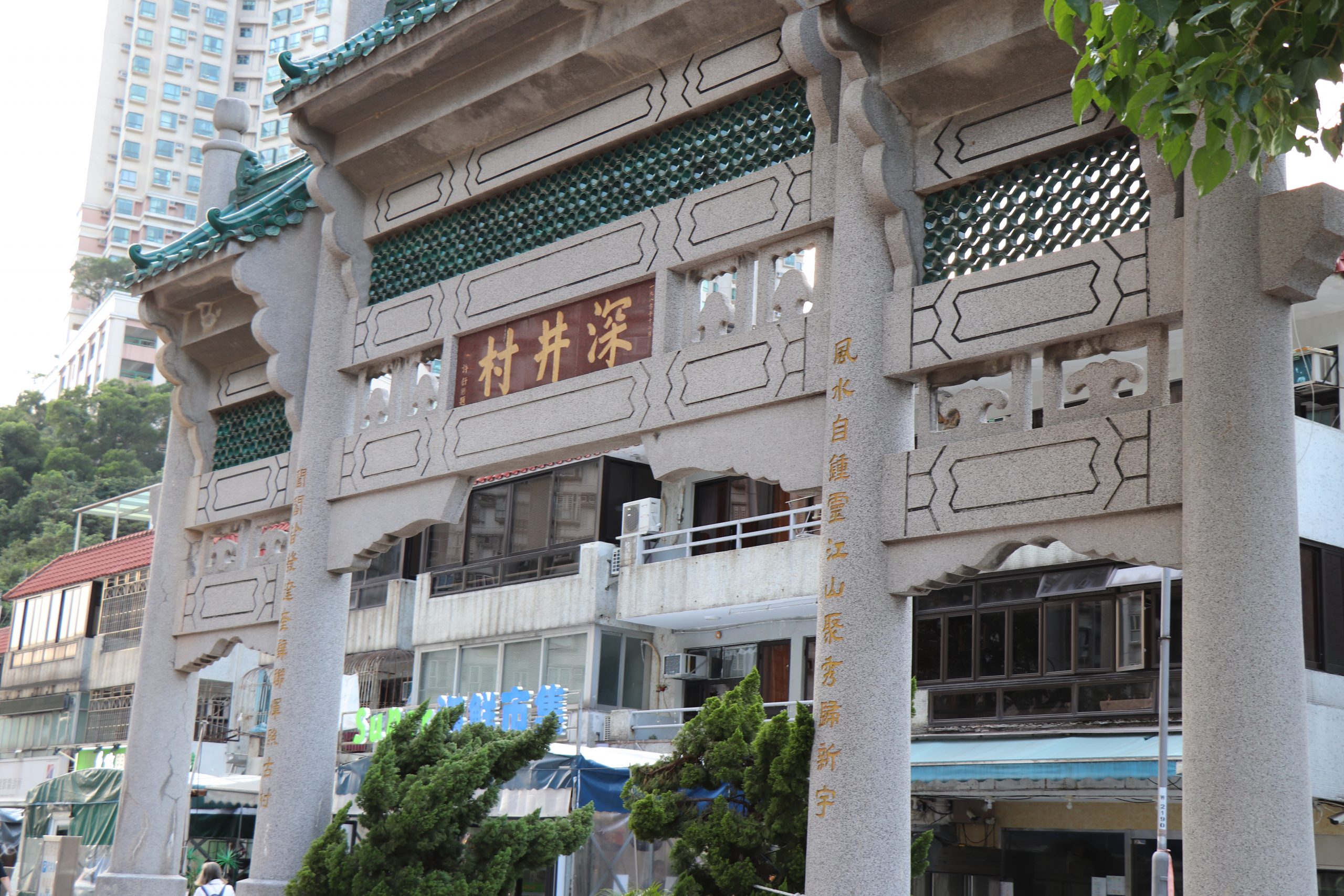
In the heart of Tsuen Wan, along the coastline with streets lined with banyan trees and village houses, lies a name that has become known for a particular dish: roasted goose.
The neighbourhood of Sham Tseng is synonymous with the traditional dish and is often seen in its television advertisement.
Yue Kee Roasted Goose Restaurant, founded by Ng Chun-yam in 1958, caters to factory workers with its charcoal-roasted Guangdong geese, made from recipes passed down through two generations.
Ng’s eldest daughter, Ng Juan-hua, who is now the owner of the family business, started working in the restaurant at age 12.
She said she gave up further education to help her parents run the shop, allowing her younger siblings to continue their studies.
On June 4, 1992, a level 3 fire broke out at Yu Kee Restaurant. The owners, Ng and his wife, died in the fire.
Since then, Ng Juan-hua took on the role of second-generation leader and worked with her siblings to revitalise Yu Kee.
Now, Ng Juan-hua’s son, Ng Guo-han, runs the operations.
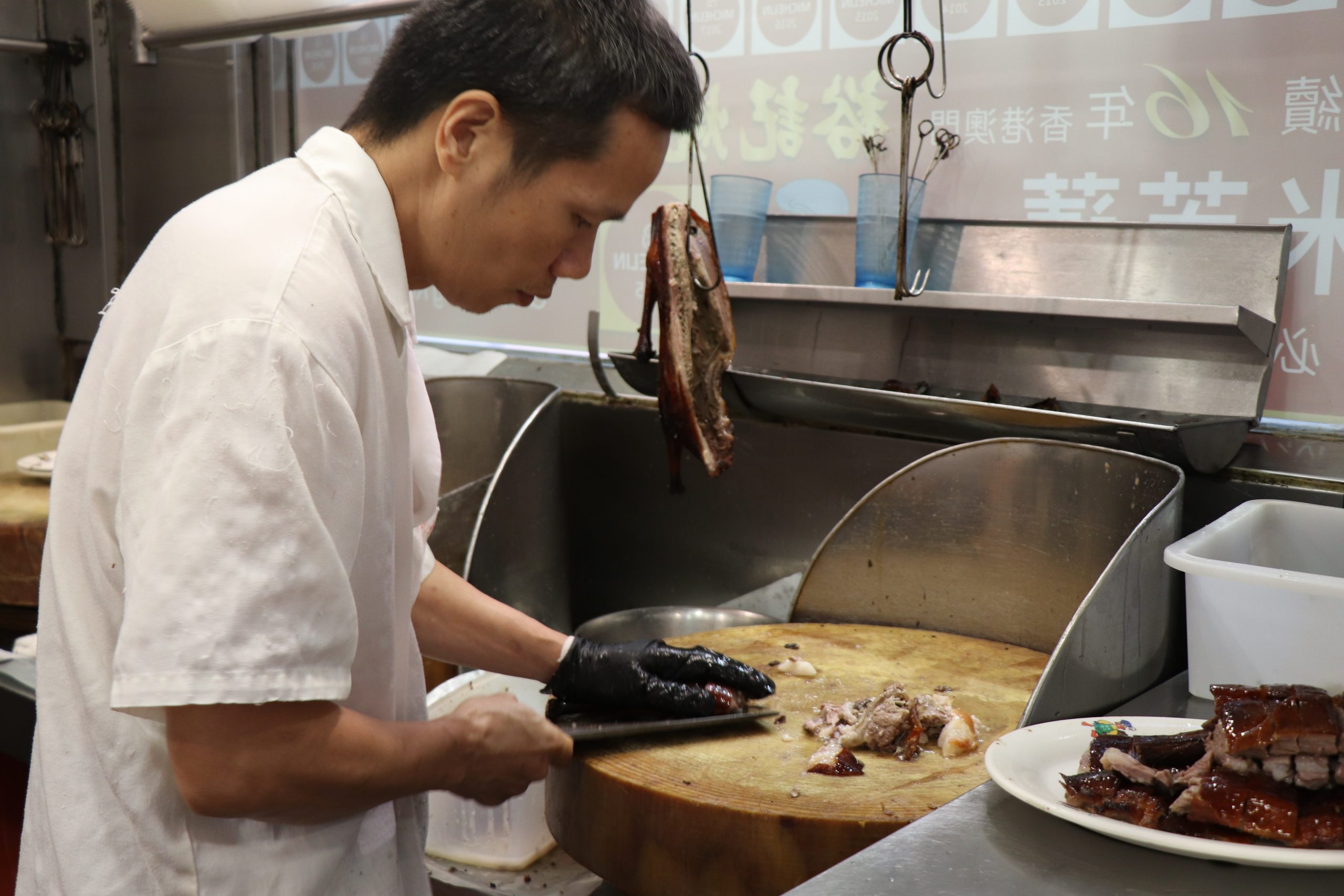
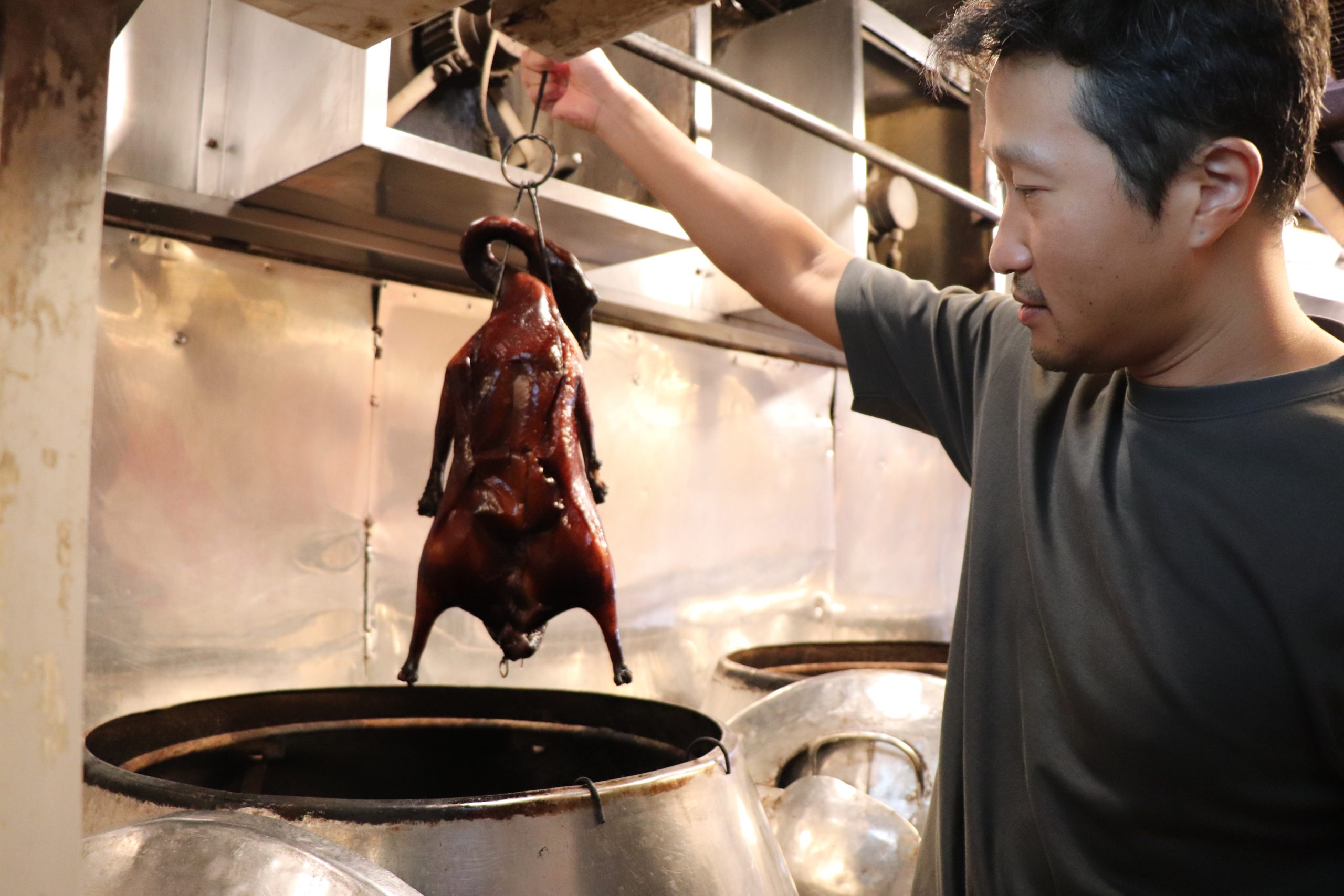
In the kitchen, a fortress of heat and focused energy, head chef Lee Ming-kwok is a man of few words but action. His canvas is a goose, his tools are time and fire. He cooks and chops 50 to 100 geese daily.
The process includes marinating the geese for several hours, air-drying them, and roasting them for about 45 minutes to an hour.
The dish stands out due to the blend of spices and the chef’s technique. Lee has worked at Yu Kee for over a decade.

The large oven contains burning charcoal at the bottom, and the goose hangs suspended above it, slowly roasting as the heat rises and envelops the meat, ensuring an even cooking process.
“Many places use gas or electric ovens now. It’s faster, easier to control. But easy is not better,” Lee said, while his eyes focused on the row of geese turning a deep color over the glowing charcoal.
“The charcoal fire breathes. It has a life of its own. It kisses the goose, it doesn’t blast it. This is the secret—this slow, gentle ‘kiss’ from the fire is what renders the fat, makes the skin shatter like glass, and keeps the meat unbelievably juicy. You cannot rush art,” Lee added.
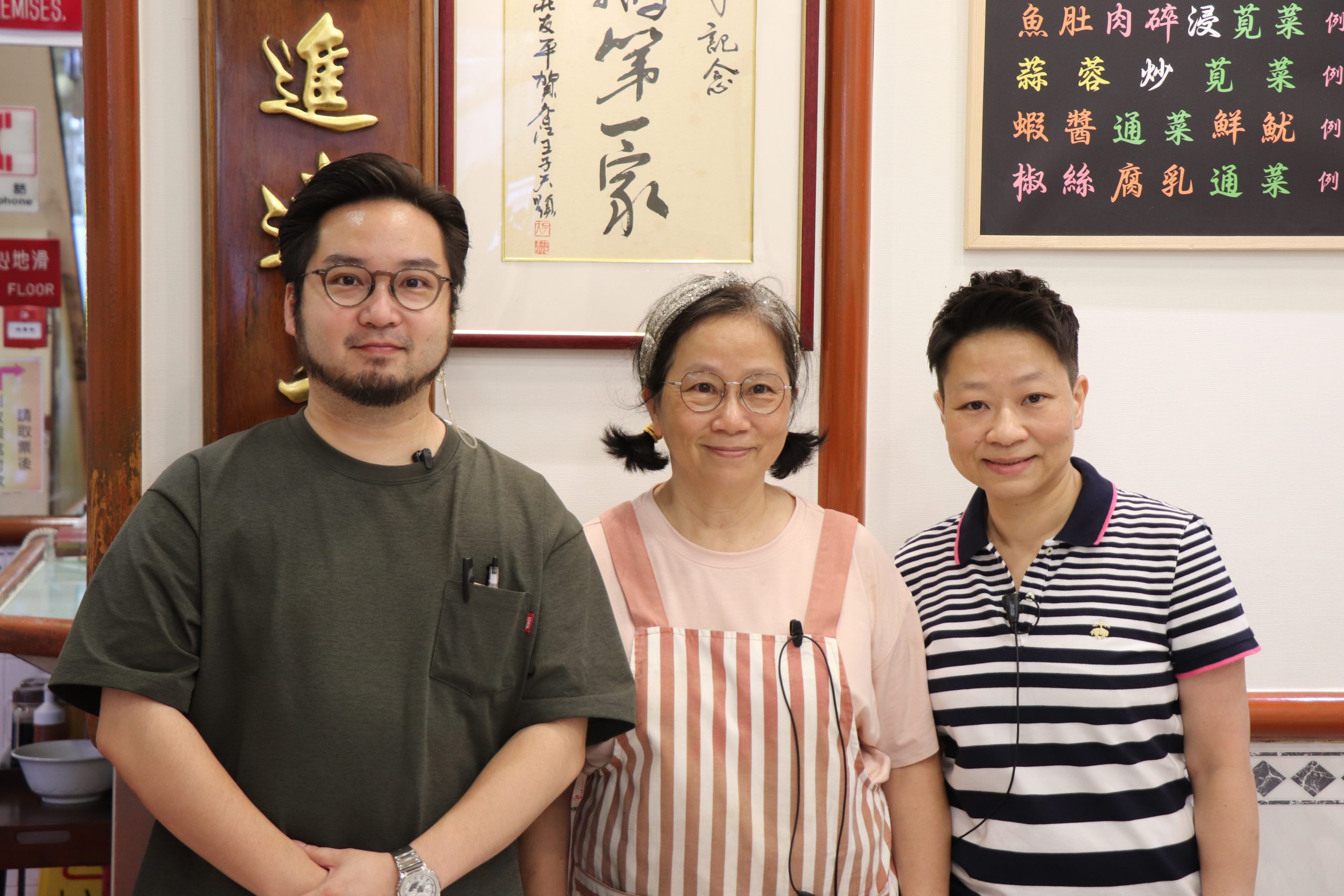
Ng Juan-hua carries the weight of this legacy with a blend of pride and responsibility.
“My father started this as a duck restaurant at first. As we grew, we couldn’t rely on the duck for quality. We had to control the source, so we changed to selling geese and brought Sham Tseng as the first goose restaurant here, and created the village culture,” Ng Juan-hua said.
“Our geese are from Qingyuan, fed on natural feed, no scientific formulas. This isn’t just about taste; it's about integrity,” she added. “The goose that arrives here must be the best version of itself before our chefs even begin. We are not just roasting geese; we are maintaining Sham Tseng’s goose culture for six decades.”
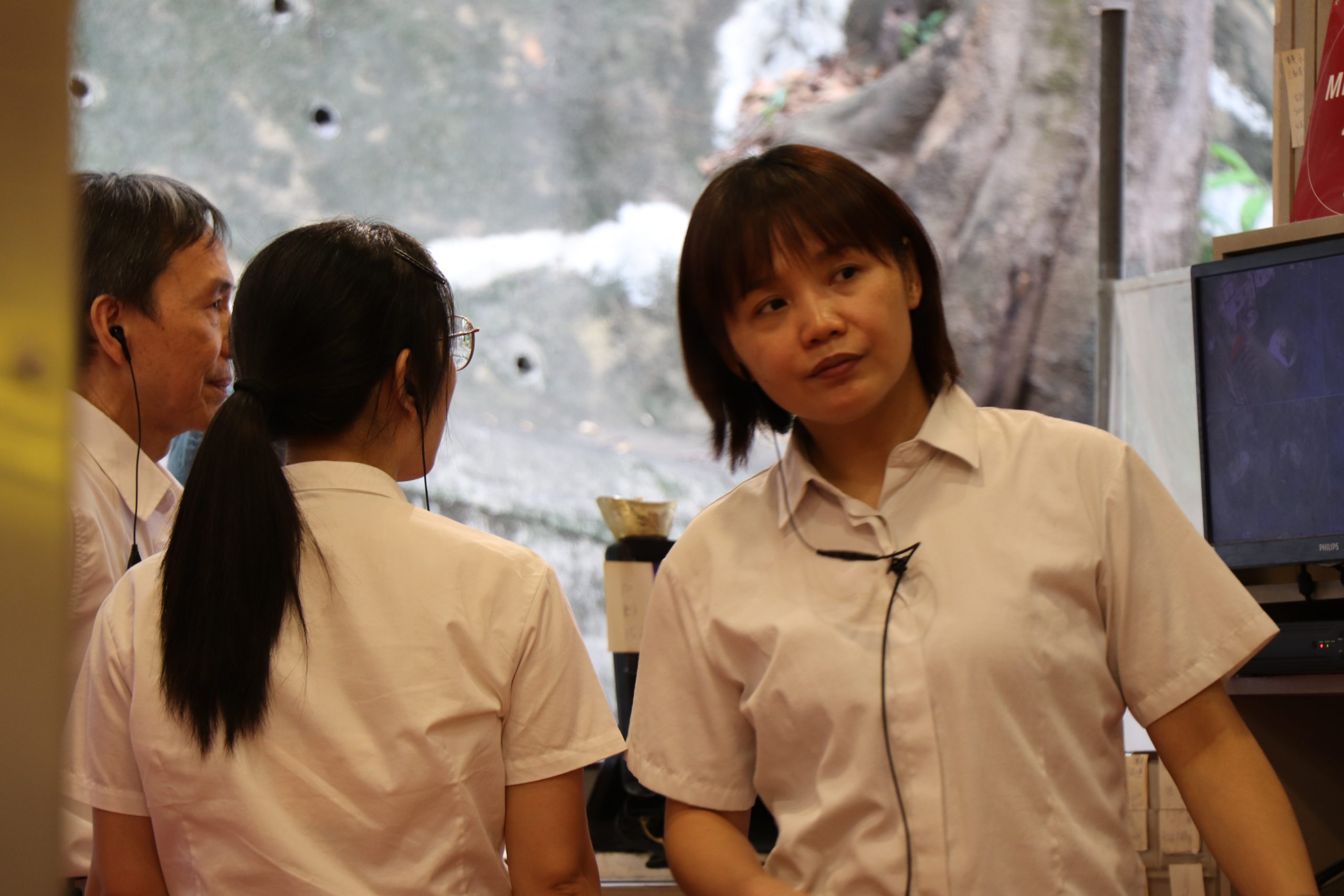
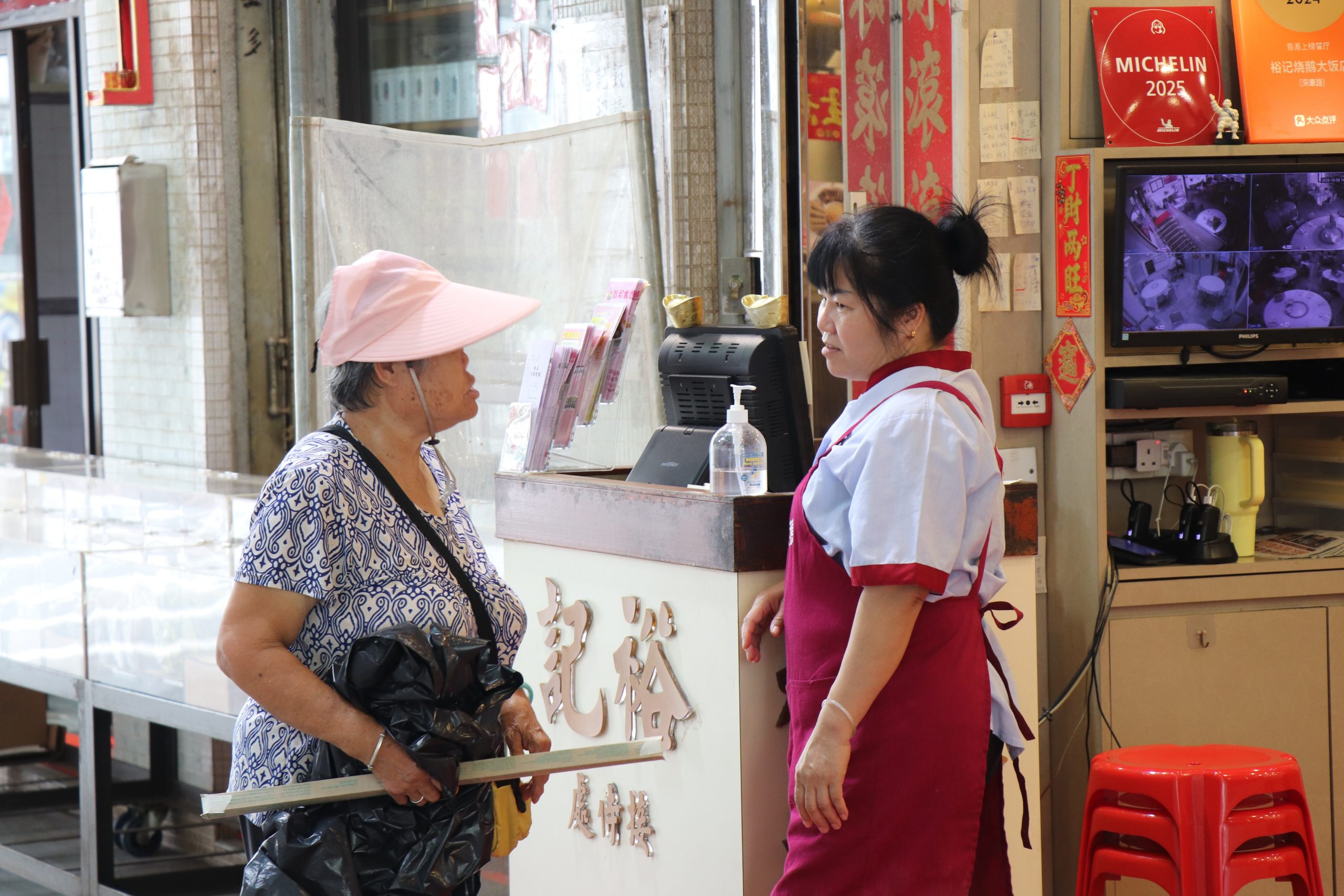
In the morning, the scent of roasting geese filled the air. Some customers chit-chat with staff or read the newspaper, waiting for the first batch of fresh roast goose from the kitchen.
“In this restaurant, for decades, the first batch of roasted geese emerges from the kitchen at precisely 11:45 in the morning each day. The anticipation in the air is palpable, creating an electric atmosphere as diners eagerly await that moment,” Chan said.
“Some old friends will come at 11am. They sit, they watch the clock. They know the rule: the best things are worth waiting for. When those kitchen doors swing open and that first wave of aroma hits… ah, that’s the moment. Their eyes light up. It’s the same every day, for 20 years. It never gets old,” Chan added.
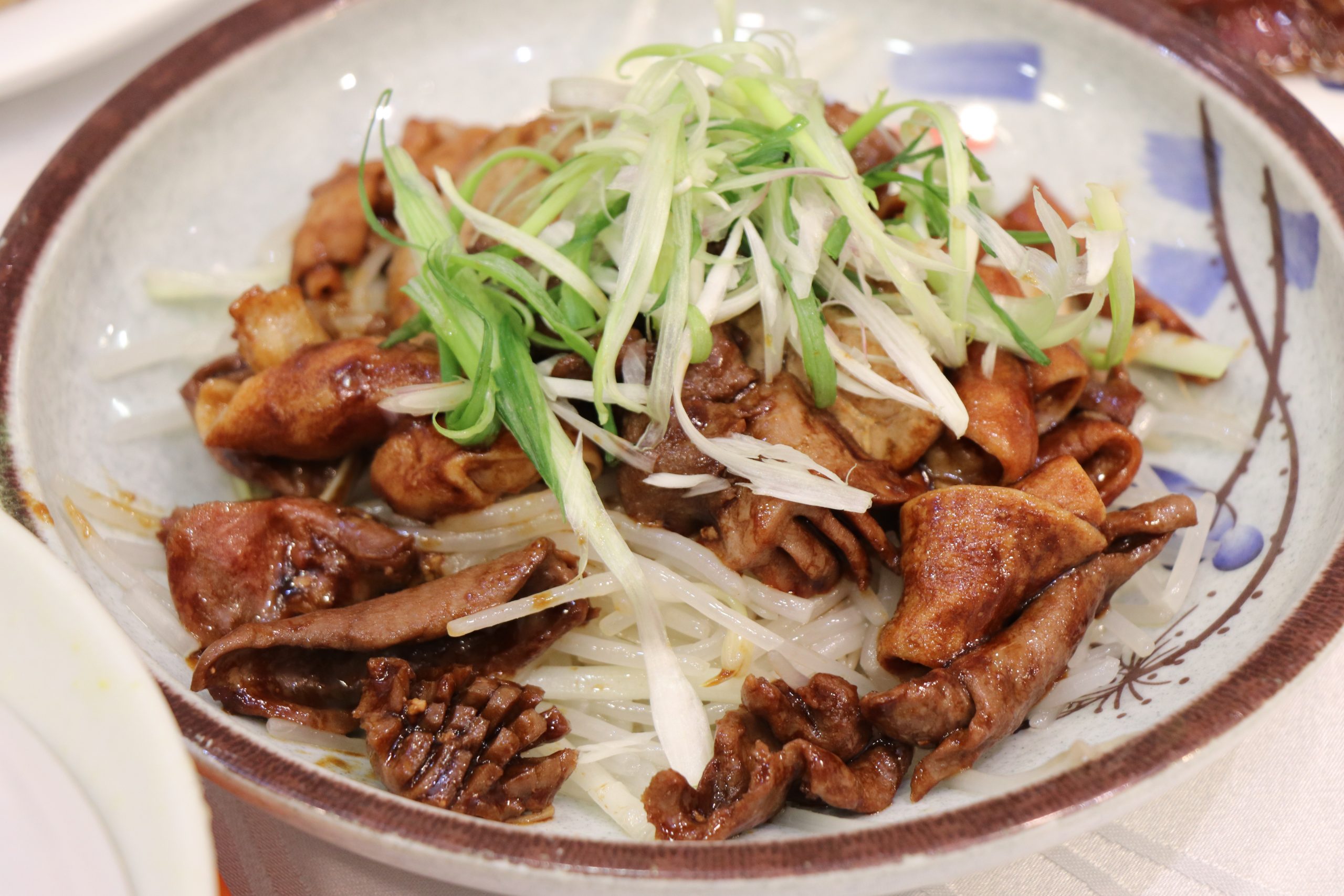
“The real pros, they don’t just order the goose. They get the marinated goose offal—the liver, the gizzard. It’s a treasure. And a plate of clams in black bean sauce to balance the richness. This is how you dine in Sham Tseng,” Chan said.
And then there are people like Chan Lai-tsan, 25, who have been enjoying roasted goose from Sham Tseng since childhood.
“The place was smaller, more rustic. But the smell? The taste? Exactly, the geese here are perfect,” Chan said.
Chan picks up a piece with her chopsticks, the skin audibly crackling.
“Look at this colour. It’s the colour of a good roasted goose, the color of oil. The skin is so crisp, but the meat is so tender and flavourful,” Chan added. “And with this touch of plum sauce,the sourness cuts through the fat. It’s a symphony. For me, roasted geese in Sham Tseng is more than just a meal.”
《The Young Reporter》
The Young Reporter (TYR) started as a newspaper in 1969. Today, it is published across multiple media platforms and updated constantly to bring the latest news and analyses to its readers.
Sham Tseng — The story of Hong Kong’s roasted goose restaurant

Hong Kong Eco Expo Asia 2025: Cost concerns shadow ESG push as Hong Kong firms seek greener image


Comments