
The Kwai Tsing Container Terminal was once the world’s busiest port and a symbol of Hong Kong’s economic boom. In 2023, for the first time in history, it fell off the list of the top 10, marking the end of a five-decade maritime dominance.
Shipping data provider Alphaliner ranked Hong Kong in11th place that year. In 2024, it fell again to the 13th.
According to Lloyd's List, in the top 10 global freight ports in 2024, mainland Chinese ports account for 7 of the largest ports, with Shanghai topping the list. In 2023, its throughput reached 49 million standard containers, 34 million more than Hong Kong.
“Initially, Hong Kong's container throughput has fallen mainly because manufacturing has shifted away from China, reducing goods routed through Hong Kong," said Henry Ko Hok-han, professor at the School of Business of City University of Hong Kong. "Then, mainland ports like Shanghai and Ningbo have become more technologically advanced and handle more cargo directly, and rising operating costs have weakened Hong Kong’s competitiveness," he added.
The government has introduced new policies to enhance port competitiveness, including connecting the port to shipping lines in the mainland and promising to push its green transformation and digital technologies, said Chief Executive John Lee Ka-chiu in the 2025 Policy Address.

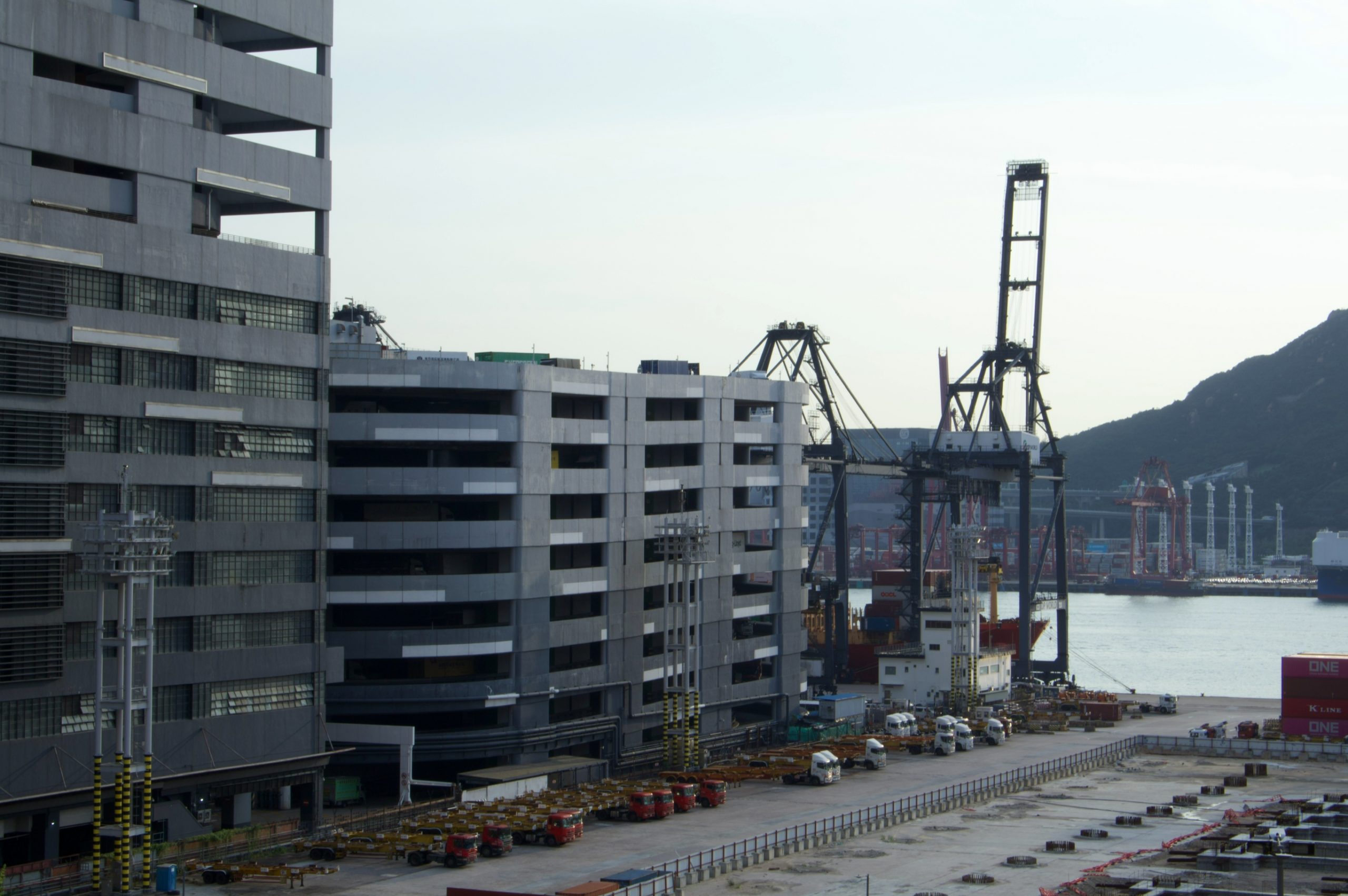
“The mainland government subsidises its ports, which has created unfair competition for Hong Kong,” said Ryan Chan, Secretary General of the Hong Kong Container Terminal Operators Association.
“The relocation of manufacturing industries from Hong Kong to cities in the Greater Bay Area and the competition from other ports in the GBA, like Shenzhen and Nansha, are the key factors in the transit port of cargo shifting from Hong Kong to mainland ports,” said Chan.
“Mainland ports are being supported by advancing the sharing of railway and port facilities, integrated operations, and automated upgrades,” said Ko.
To address this, Hong Kong's port is advancing cooperation with mainland ports to develop a "single window" system to simplify trade processes and enhance customs clearance efficiency.
The government is developing a “going green” plan for the port that includes switching to green fuels, such as sustainable methanol, ecologic ammonia and hydrogen and building a green methanol supply chain.
"Green shipping, which aims at minimising the environmental impact of maritime operations, is an irresistible global trend, and Hong Kong can participate, but it cannot rely solely on this. We need to find other ways to promote port development,” Ko said.
“Since its establishment, Hong Kong’s ports have mostly done transit services for the import and export of goods,” said Ko. “So I think Hong Kong’s ports still need to continue developing transit services as their most important business in the future.”
A new smart port system, set to launch in 2026, will provide electronic services such as checking the location of cargo at any time and integrating data from sea, land and air transportation.
“The port will implement an electronic release order and electronic booking confirmation note to transform the workflow of import and export cargo to paperless,” said Chan.
While the port has added digital technologies such as remote-controlled cranes and remote container inspections, it has yet to go fully automated, a move experts say will make it more competitive.
“Hong Kong's port is currently moving towards full automation,” said Ko. “However, I believe that the future will also see a development towards multimodal transport, as international trade will increasingly move towards cross-border e-commerce.”

The transformation is not without its challenges.
“Rising infrastructure costs, intensifying international competition, environmental challenges and uncertainties in the global trade environment continue to test the development of Hong Kong's ports,” Ko said.
Paul Harris, chair professor of global and environmental studies at the Education University of Hong Kong, said Hong Kong has not made much progress in terms of environmental protection and sustainable development.
“The real question ought to be why the government is so institutionally resistant to taking these things very seriously,” Harris added.
《The Young Reporter》
The Young Reporter (TYR) started as a newspaper in 1969. Today, it is published across multiple media platforms and updated constantly to bring the latest news and analyses to its readers.
Australia sees a 20-year dip in Hong Kong students' enrolment as preferences shift

Reviving Yim Tin Tsai heritage: Arts festival rekindles traditional values at Sai Kung


Comments