
Yin Yunjie, a 24-year-old financial accountant, not only owns plush toys, but also raised them. She talked to it, celebrated its birthday with a cake and worried about it like a parent.
Her “baby” is a cotton doll modeled after her idol, Liu Yaowen from the leading popular boy group in mainland China, Teens in Times, also known as TNT.
“When I leave for work, I say goodbye. When I come home, I hug him first,” she said. “If I don’t come back at night, I’m afraid he’ll be scared sleeping alone and feel lonely.”
“It truly became an indispensable part of my life,” she added.
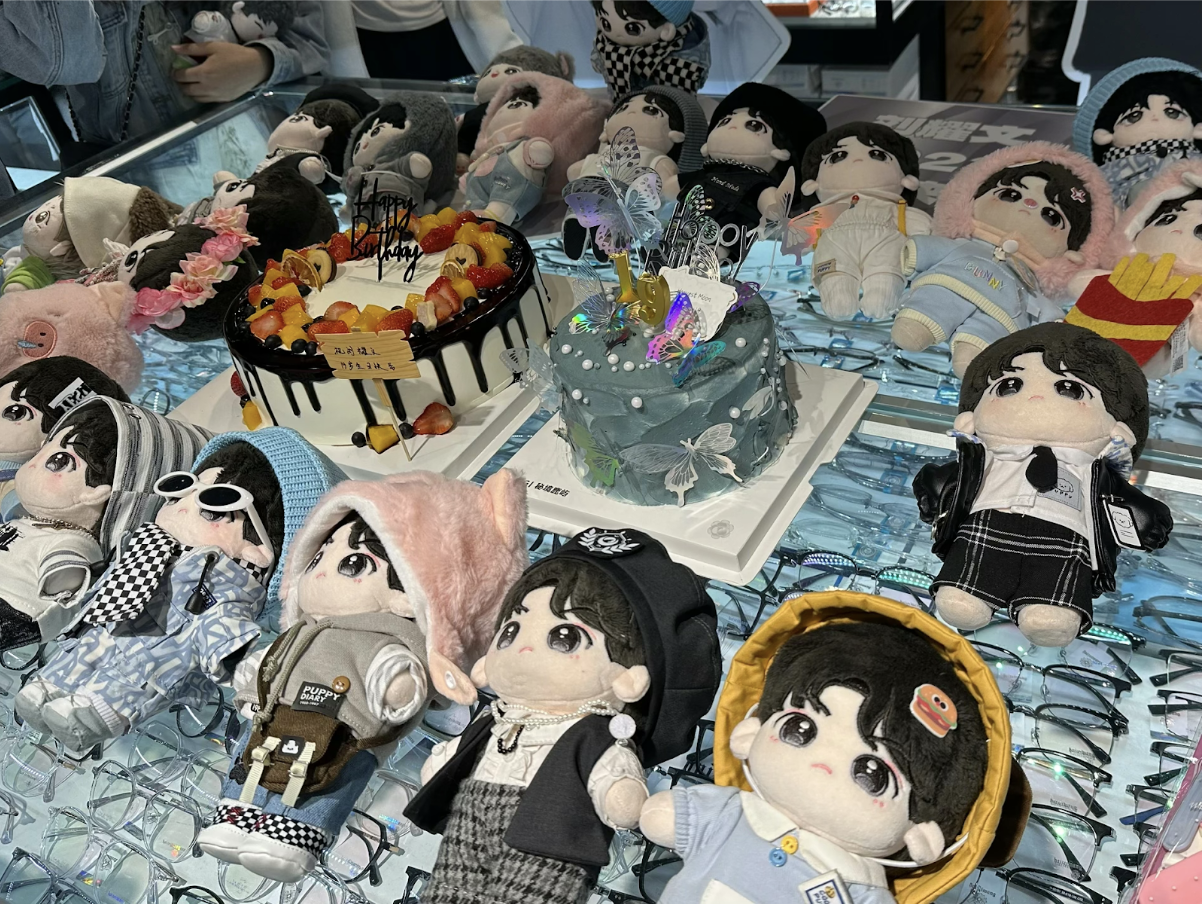
Yin represents a growing Gen Z trend of "cyber parenting," where plush toys like Labubu, Chiikawa, and Jellycat are raised as emotional companions rather than mere collectibles or decorations. This shift is emerging alongside the rapidly expanding plush toy market, which is projected to grow at a compound annual growth rate of 8.1% from 2025 to 2032, led by the Asia-Pacific region at 9.6%, according to Persistence Market Research. In addition, Gen Z builds identities and communities around their plush “babies”.
These toys provide comfort and a sense of stable connection, filling a gap left by fragmented real-world relationships, according to Wong Ho-chun, 29, assistant professor of sociology and social policy department at Lingnan University.
While millennials and Gen X might cherish stuffed animals for comfort or decoration, Gen Z engages in “cyber parenting,” said Wong.
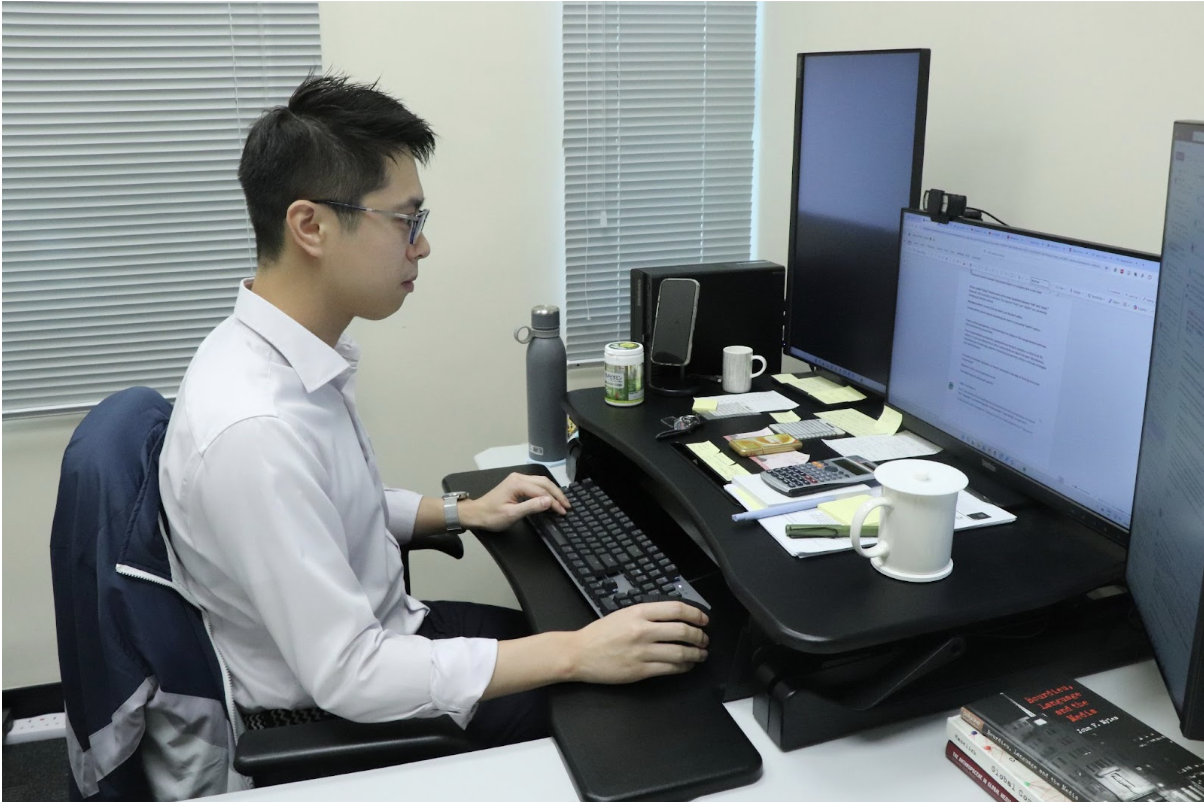
“The contemporary world is fragmented and high-pressure, demanding constant multitasking and production,” Wong said. “But dolls are always there to be with them and ‘listen’ to their thoughts as the outside world changes quickly.”
“In this context, plush toys fill a void, serving as both an emotional comfort and a compensation for diminished social interaction,” Wong added.
Yin said she imagined her plush toys could think.
“He is my spiritual refuge,” she said. “When I’m sad, I hug him. When I’m happy, I share my joy with him.
“He really is my little companion who never misses a moment with me,” she added.
Charlotte Zhang, a 20-year-old student majoring in statistics at Beijing Normal-Hong Kong Baptist University in Zhuhai, also treats her two plush dolls, modeled after her idols Yan Haoxiang and Song Yaxuan in TNT, as her babies.
When human companionship is unavailable or temporarily unreliable, plush toys can serve as a cost-effective and relatively steady alternative, providing her a certain degree of companionship.
“While I have good friends, our work and study schedules rarely align, making it difficult to meet up regularly,” she said. “In those moments, being with my dolls makes me feel more at ease and accompanied.”
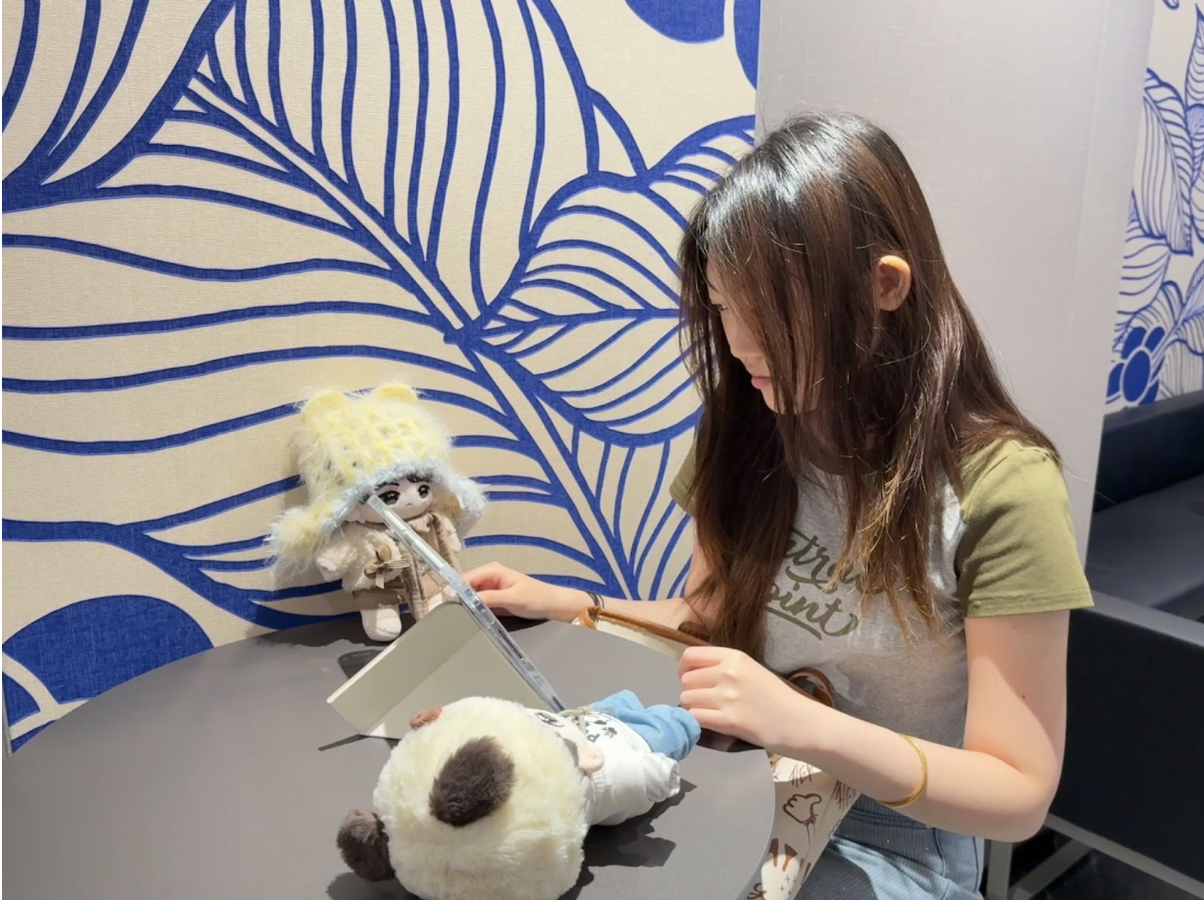
Gen Z’s passion for plush toys has fueled the toy market with their strong spending power.
According to a report by World Data lab, Nielsen and GfK in 2024, the global Gen Z will be the largest, wealthiest and highest-spending generation in history, their consumer spending power is projected to reach US$12 trillion (HK$93.36 trillion) by 2030.
Pop Mart, a key player in the designer toy market, has seen explosive growth, reporting a revenue of 13.04 billion yuan, in 2024, marking a 106.9% year-on-year increase, according to its 2024 annual report.
The brand crafts highly stylized collections and uses blind-box packaging to create what Wong calls “controllable uncertainty.”
“You don’t know what is inside, but you know the possibilities,” Wong said. “That excitement attracts Gen Z.”
According to the Pop Mart official online store, the odds of pulling a hidden variant vary by box size. In a 12‑blind‑box set is 1/144, while in a 6‑blind‑box set, it is 1/72.
Mo Junkai, a 21-year-old student majoring in Entrepreneurship and Innovation at BNBU, He witnessed the latest and hottest plush toy craze, including the Labubu frenzy. When Labubu suddenly became popular, he found stores sold out across major cities in mainland China and online.
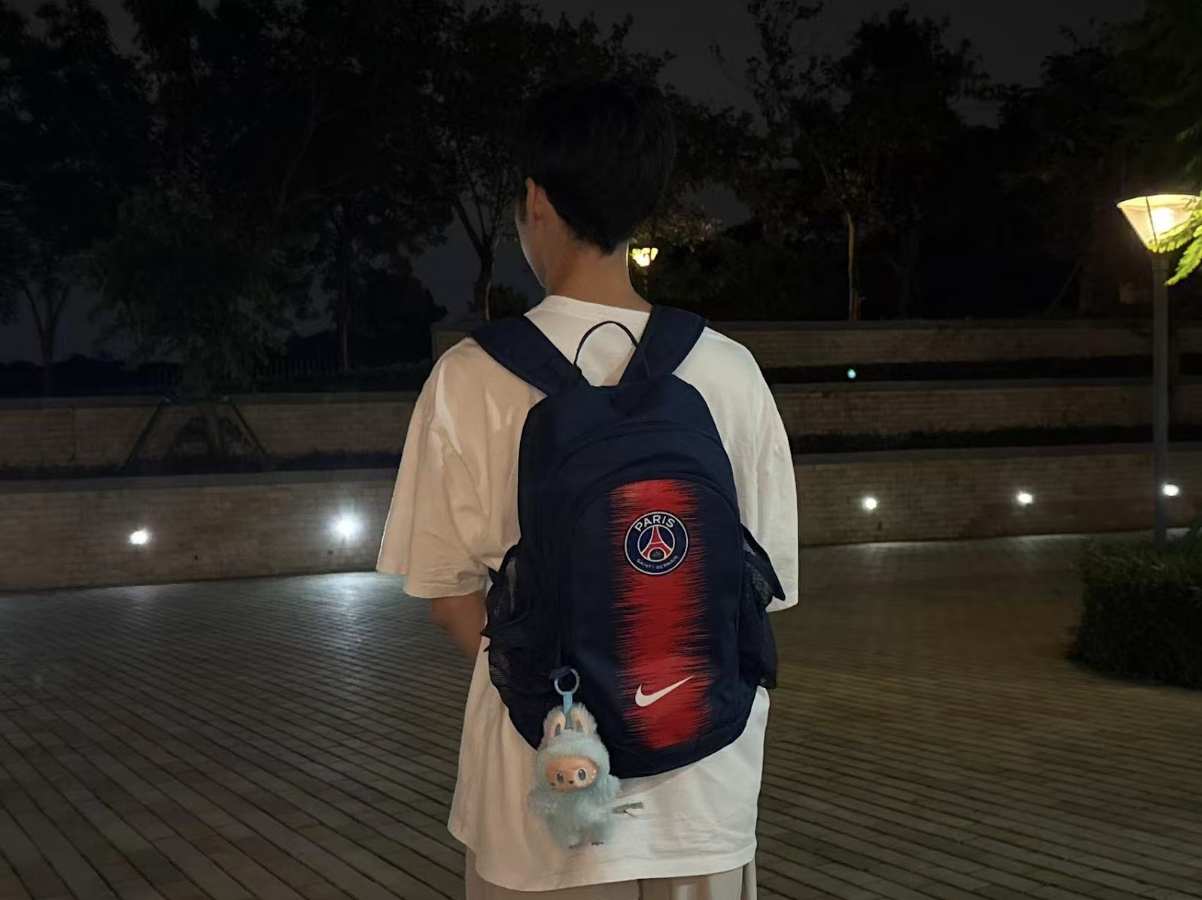
“This little character is pretty cute, both mischievous and adorable,” he said.
He eventually bought several via a scalper on Douyin livestream at prices up to 359 yuan each, far above the official 99 yuan.
“I liked it so much, I didn’t think too much and just bought a few,” Mo said.
According to the 2025 Gen Z emotional consumption report jointly released by Soul App and the Shanghai Youth Research Center, nearly 60% of young consumers currently prioritize purchasing for emotional value or personal interests, marking a 16.2% increase from 2024.
In 2019, Pop Mart has collaborated with Tencent Smart Retail to conduct in-depth analyses of consumers’ preferences and purchase behaviour, keeping a pulse on market trends.
Pop Mart releases around 200 new products annually, tailoring offerings to user preferences and cultivating scarcity for high-demand items, according to the report from Tencent Smart Retail.
Since opening its first Hong Kong store in Tsim Sha Tsui in 2021, Pop Mart has expanded to over 10 locations in the city. As of now, Pop Mart has a total of 451 offline stores, including 424 in Mainland China and 27 in Hong Kong, Macau, and Taiwan.
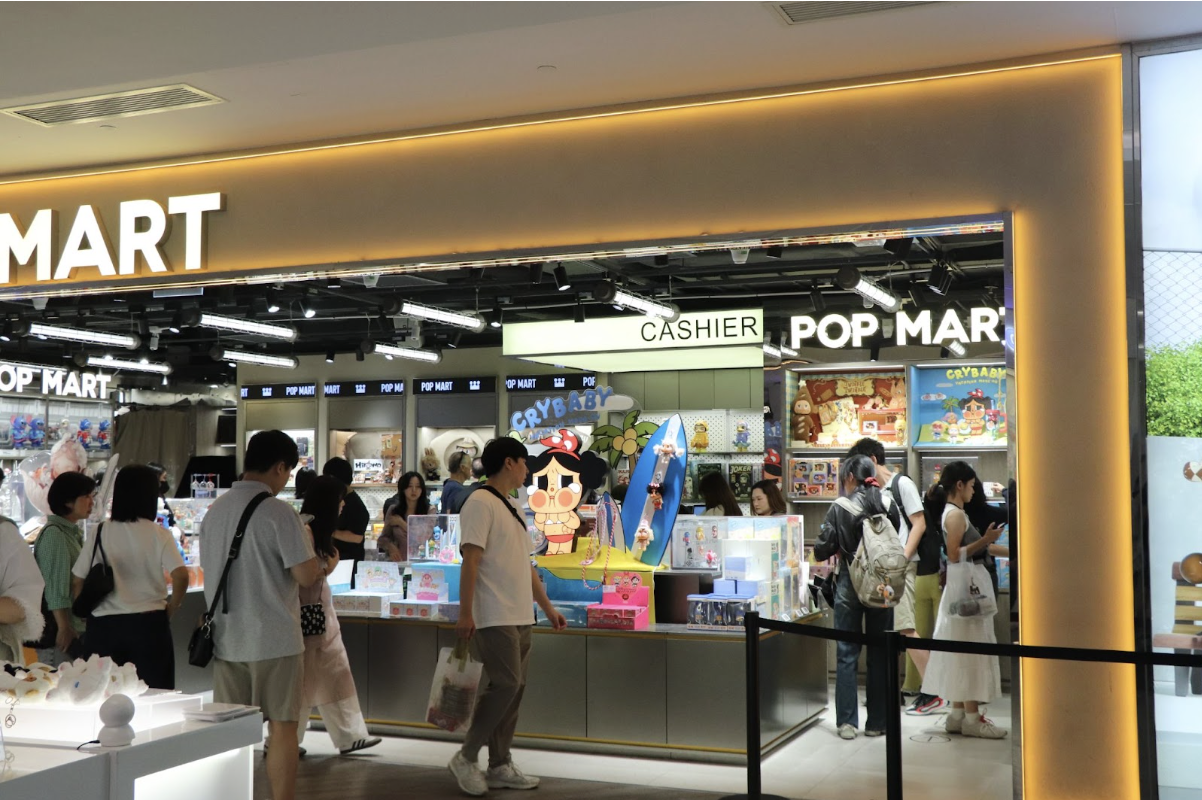
Arena Zhang, 21, a student at Guangdong University of Foreign Studies majoring in International Trade, spends 20,000 to 30,000 yuan annually at Pop Mart.
“These IPs often feature unique, artist-designed figures that resonate widely,” Arena said. “Like Labubu, I bought a whole box of the 3.0 version. Now I have 20 figures in different colors at home.”
Pop Mart's numerous IPs are collaborating with well-known brands across various industries to create best-selling products that are popular among young consumers, according to the Pop Mart’s official website.
Arena has never pulled a hidden variant. Charlotte, however, once paid a 3,000 yuan premium for a hidden blind box item.
“I used money earned from helping someone get concert tickets to buy that limited-edition collectible,” she said. ”And it’s already worth 3,400 yuan now, I can sell it anytime.”
Beyond consumption, Gen Z has built vibrant, doll-centric communities, which is known as “baby circle 娃圈”.
Shi Shuyu, 21, another TNT fan, is part of a WeChat “baby circle” where members discuss doll care, outfits and daily updates.
“We have our own unique ways of communication,” she said. “We call each other ‘the doll’s mom,’ create characters and stories, and share photos with fans."
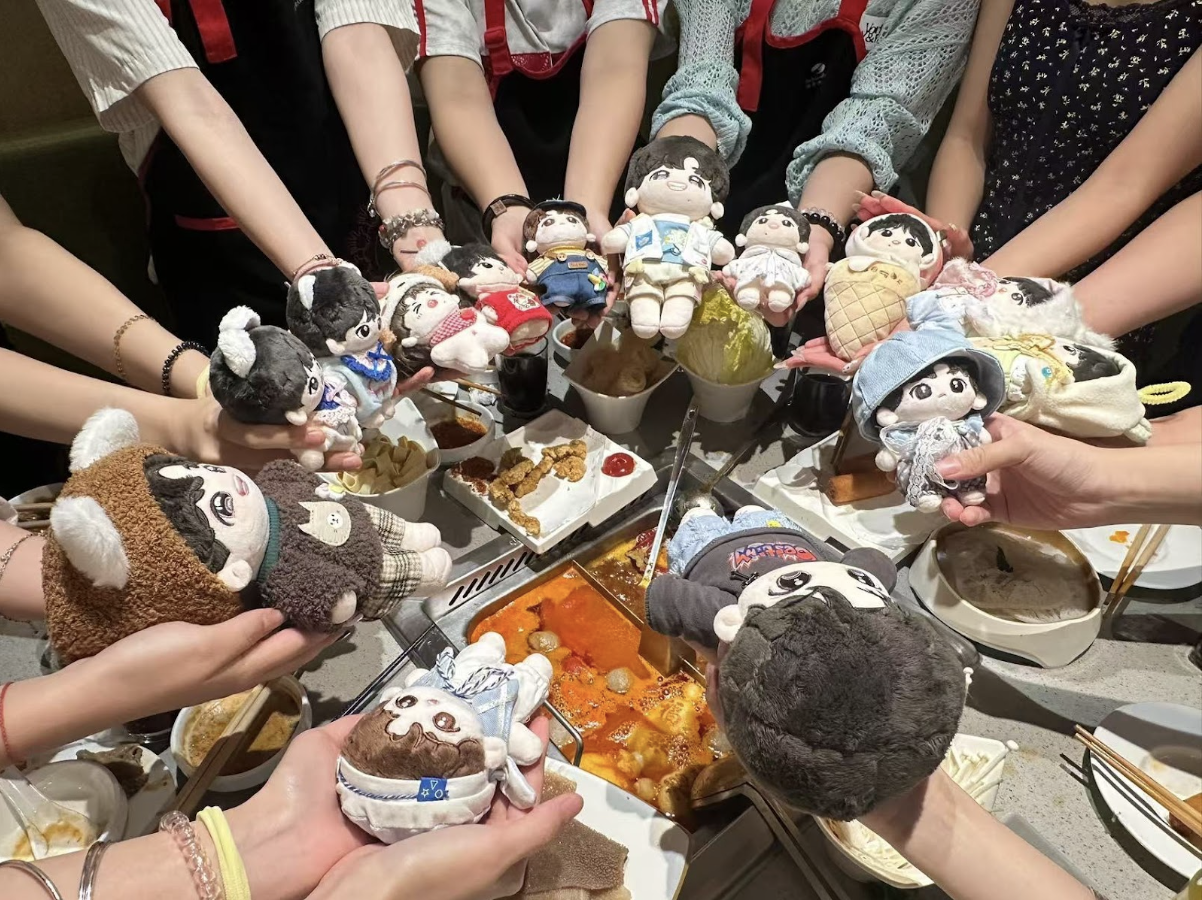
Some “moms” even run social media accounts for their dolls, posting about outings, outfits and care tips.
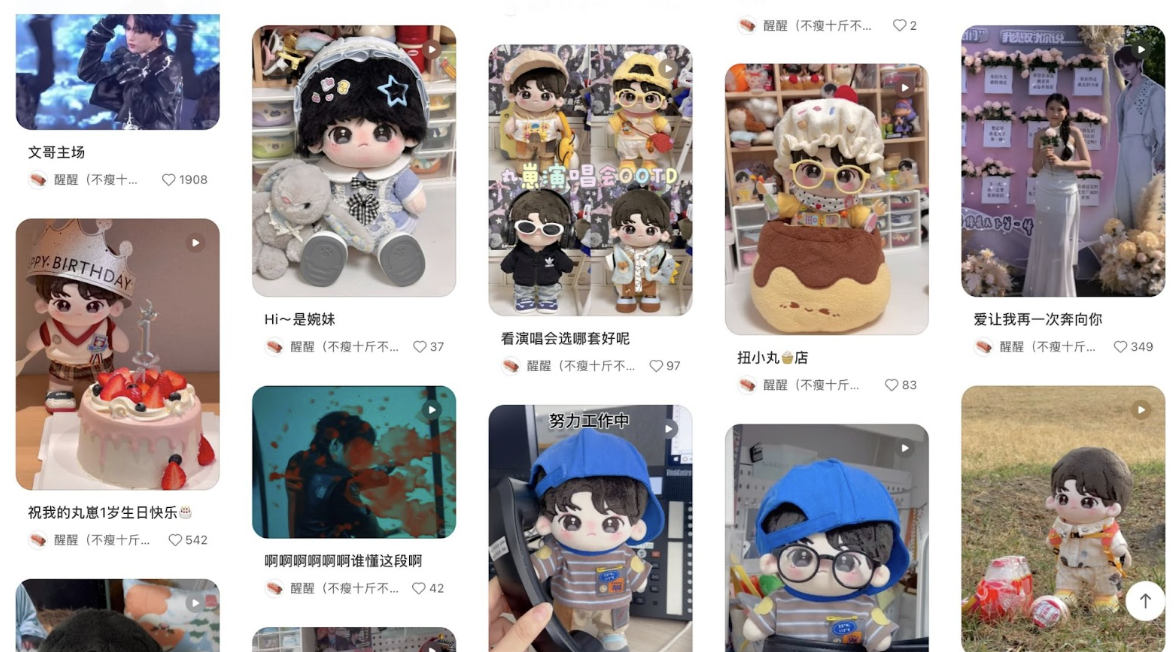
Yin shares her doll’s daily outfit and vlogs of birthday celebrations and outgoing activities on RedNote.
“From choosing clothes and styling hair to taking photos, every step of the process was healing for me,” Yin said.“The compliments from fans on his cute outfits also give me a real sense of accomplishment.”
The obsession for plush toys has also led Yin and Zhang to make more like-minded friends.
“Our regularly offline gathering makes me feel warm and happy,” she said.
“We usually gather during holidays, or sometimes after attending a TNT concert and then go to a nearby restaurant to have dinner together,” Zhang said. “While we’re eating, we talk about things related to the concert, such as their styling and makeup, choreography, or the latest merchandise.”
“I believe the power of idols is that they bring people together,” she added.
Wong said this as a reconfiguration of social connection.
“Social media blocks out many of our daily life identities. In those groups, you are equal, just a fan of Labubu. It takes away other identities like social class or gender,” he said. “It helps build a more inclusive environment and eventually bridges people across different bubbles.”
《The Young Reporter》
The Young Reporter (TYR) started as a newspaper in 1969. Today, it is published across multiple media platforms and updated constantly to bring the latest news and analyses to its readers.

Legislative Council Election 2025: generational handover as members stepping aside for younger generation
Performative Male: Gen Z new solution to attract female?


Comments