
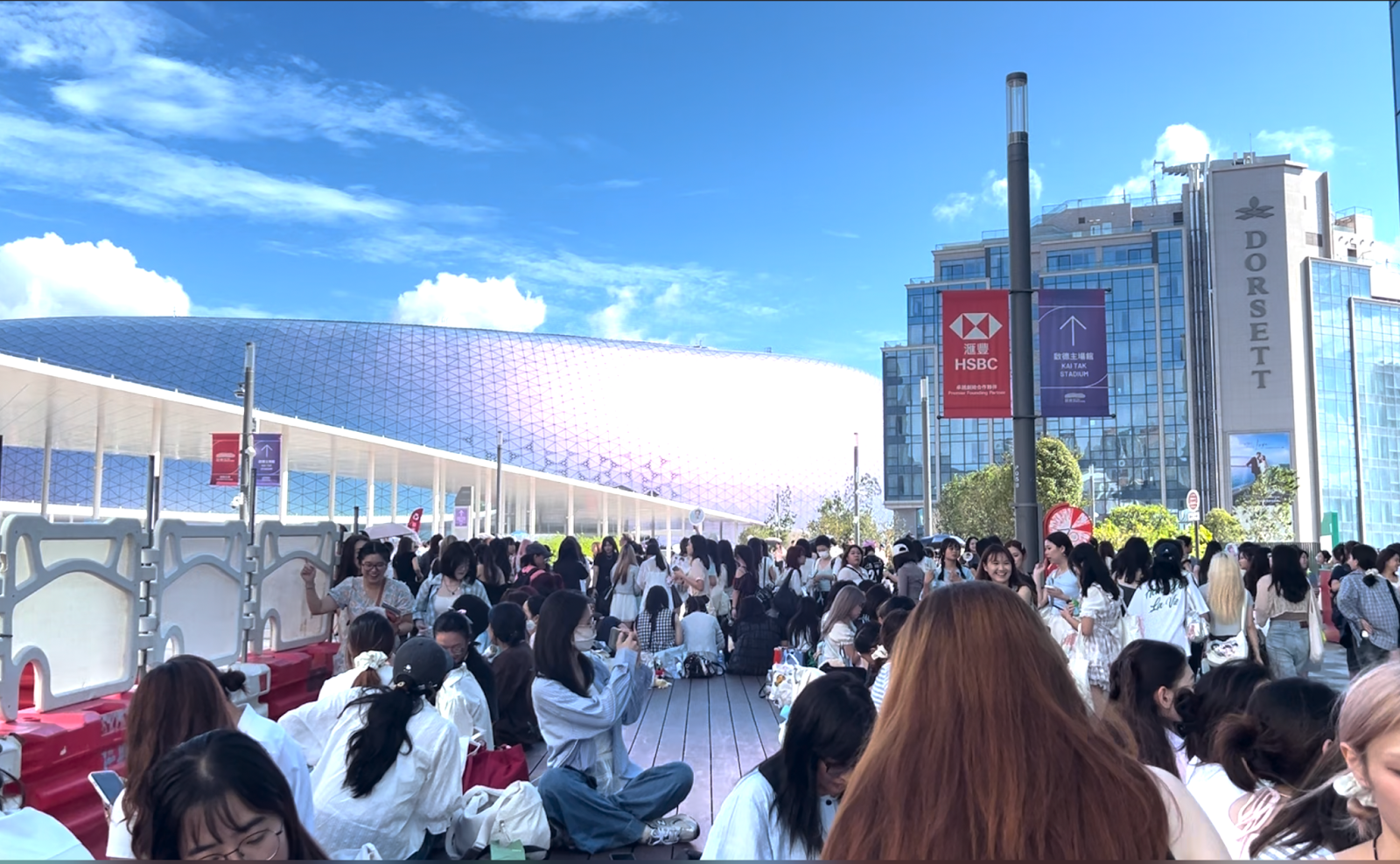
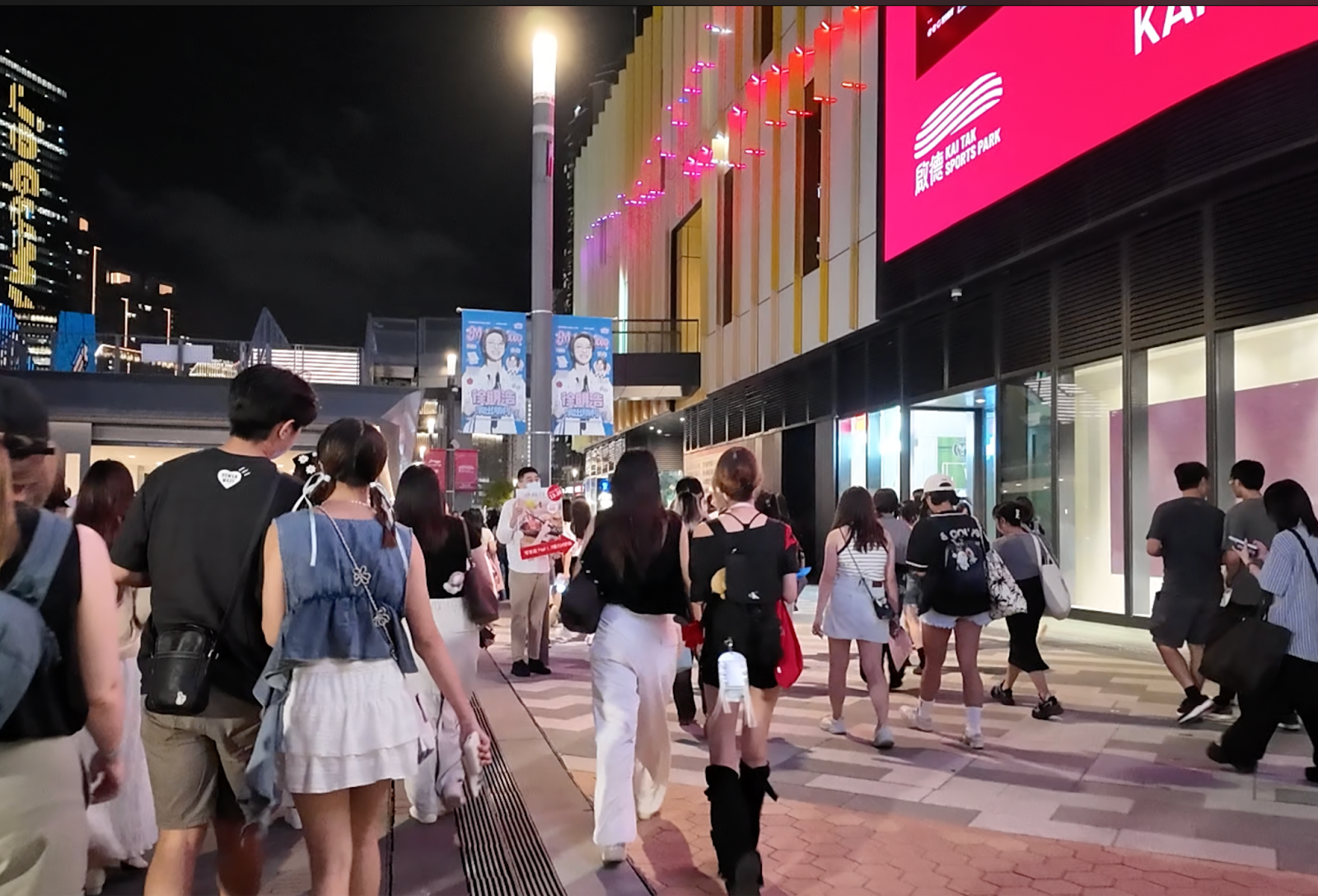
Clutching a concert ticket for her idol, Amy Cao, 21, made her way straight to the Kai Tak Sports Park without any hesitation on the morning of Sep. 27.
Having travelled from Shenzhen for 1.5 hours, Cao’s face betrayed no trace of travel fatigue, but showed unconcealed excitement and anticipation.
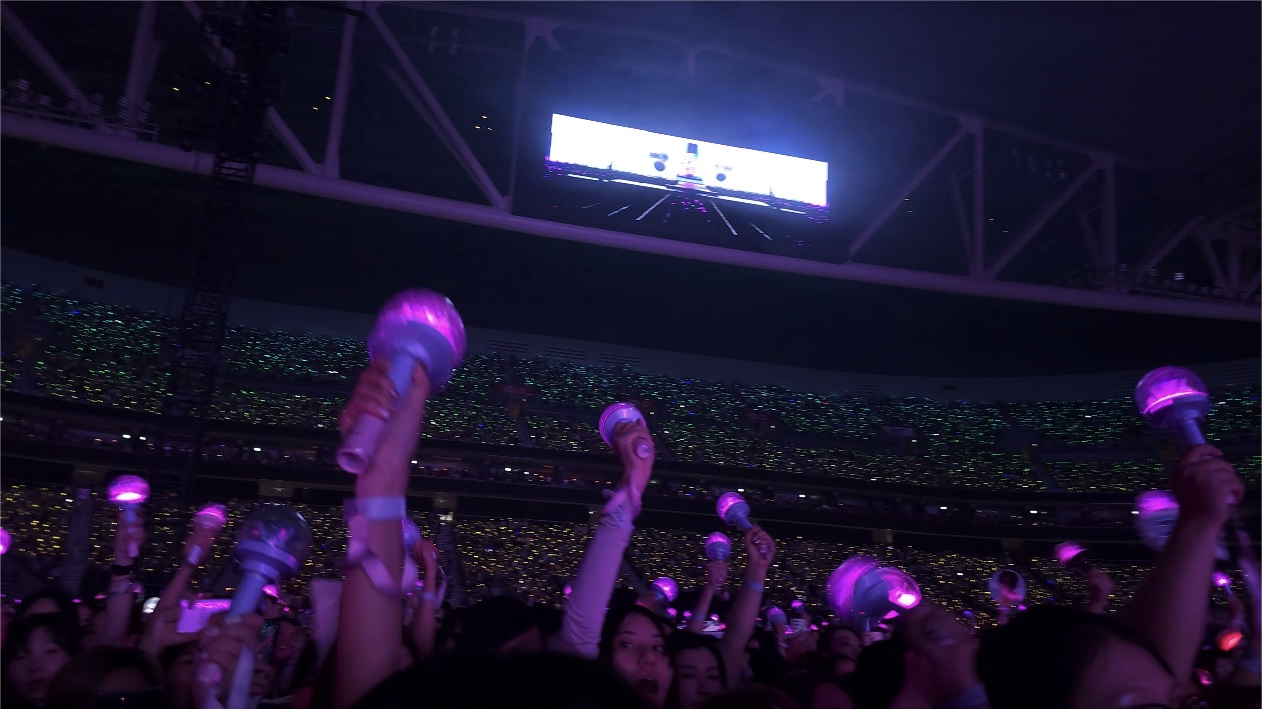
"I'm incredibly excited!” said Cao, stating that this is the closest location for her of Seventeen’s world tour." I saw reviews on social media saying the Kai Tak Sports Stadium has excellent acoustics and is incredibly spacious, perfect for a large crowd. I'm looking forward to the venue."
Located on the former runway area of Kai Tak Airport, Kai Tak Sports Park covers approximately 28 hectares, making it the largest sports infrastructure project in the city's history, capable of accommodating tens of thousands of spectators.
According to the government’s estimate, the Kai Tak Stadium and Kai Tak Arena recorded about 590,000 spectators for all pop concerts as of May 31, 2025. Since its commissioning, the two venues have hosted 16 large-scale concerts by international and Asian performers.
Edward Leung, a Legislative Council member, pointed out that Hong Kong is taking advantage of its unique location, attracting concerts, especially for Korean artists who struggle to gain approval in mainland China.
"Moreover, Hong Kong's visa-free access for travellers from most countries makes it an ideal platform for international cultural and sports exchanges," he added.
Echoing Leung, Tina Wong, the chairperson of the Hong Kong Rope Skipping Association, mentioned that the upgraded sports facilities in the newly established stadium have provided Hong Kong with more opportunities to host major national events.
Since opening, the Kai Tak Stadium and Kai Tak Arena have hosted a total of 15 sports events, including rugby sevens, snooker, and other large-scale competitions.
The Hong Kong government elevates the "Mega Events + Tourism" strategy to attract more visitors, encourage them to extend their stays, and revisit.
In March, the Hong Kong hotel room occupancy rate rose to 89% during the Hong Kong Sevens. Additionally, the average achieved hotel room rate increased to HKD1,283 from HKD1,194, representing a month-on-month increase of 7.45%.
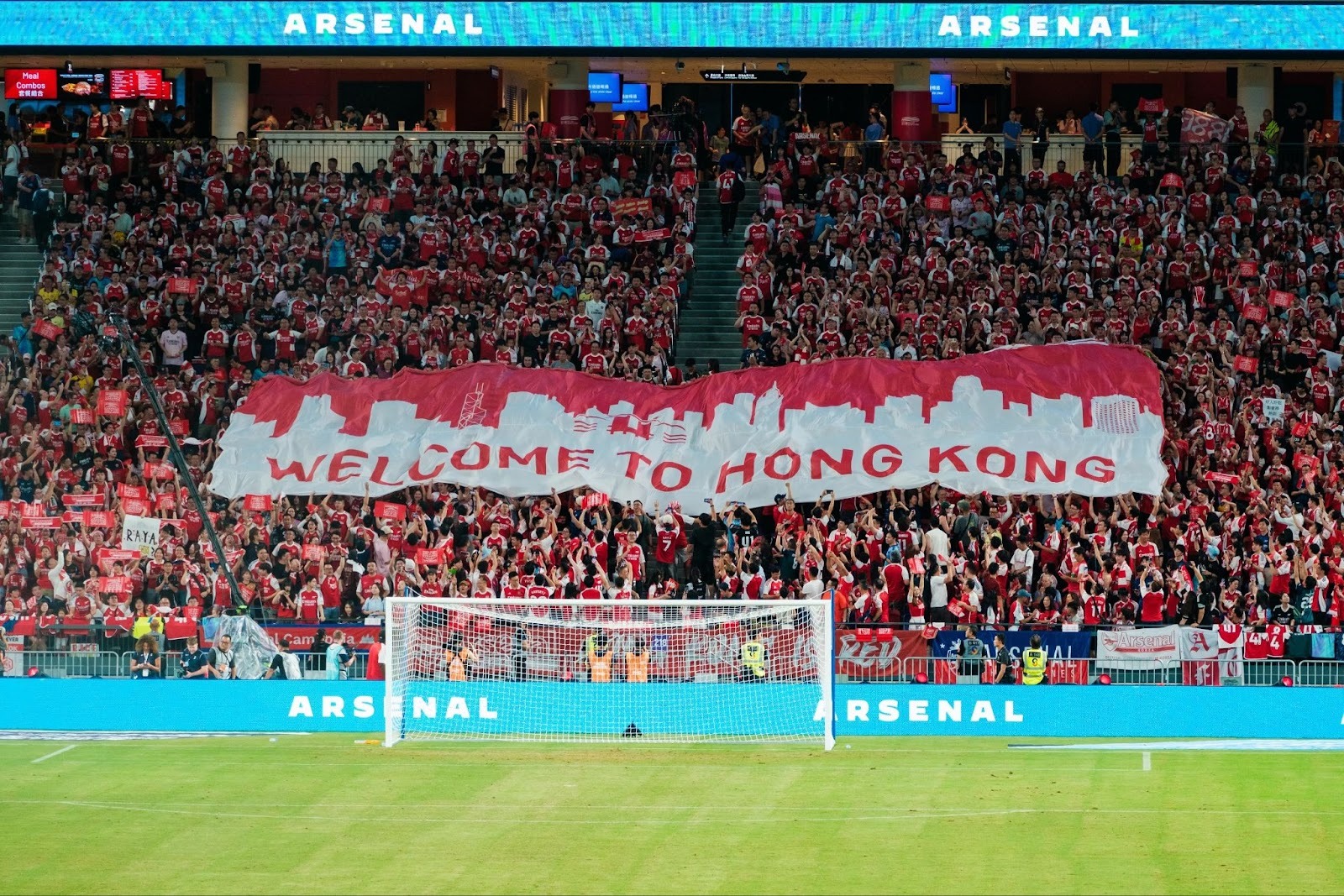
The value of this mega event goes far beyond ticket revenue, as Kennedy Wong, a Legislative Council member representing the Import and Export functional constituency, pointed out on June 18, merchants reported sales three times higher than on concert days. Additionally, the spillover effect helped businesses in Kowloon City District increase by over 30%.
Cris Ng, a local worker at Iron Cow Taiwan Beef Noodles located in Kai Tak Mall, told reporters that foot traffic during events is almost three times higher than usual.
However, Cris found that there are only three or four event days in a month, and the business during the other 26 or 27 days is extremely slow and “really tough” with almost no customers.
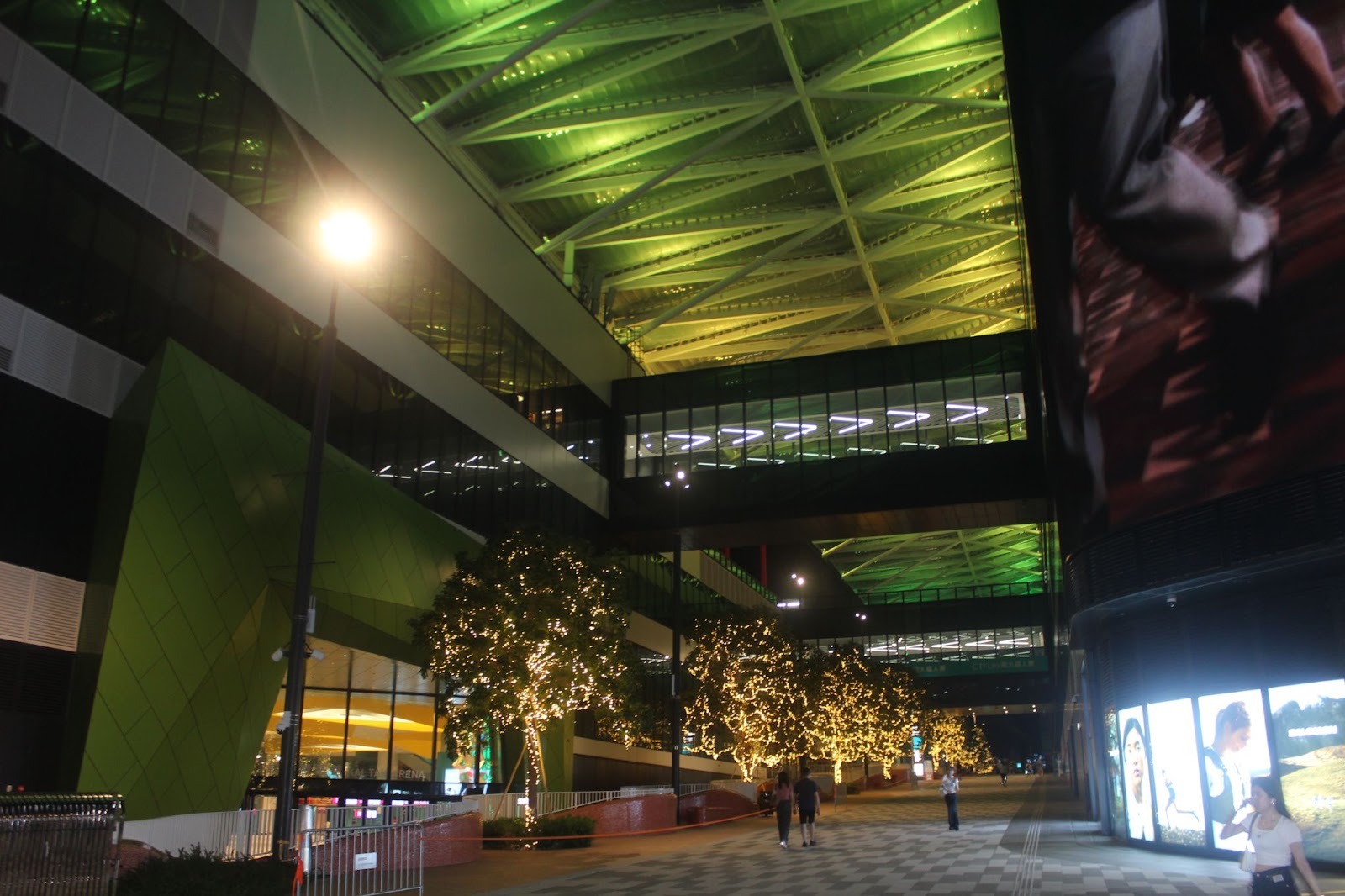
Hengyun Li, associate professor of the School of Hotel and Tourism Management at Hong Kong Polytechnic University, pointed out that transforming the “mega events” economy into a lasting pillar for Hong Kong, rather than a temporary recovery, still faces challenges.
Li identified key obstacles including brand positioning and how events are evaluated.
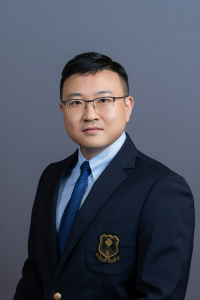
Li suggested that Hong Kong needs to establish a clear event brand image rather than accepting all events indiscriminately.
He also believes that Hong Kong currently evaluates events mainly by attendance and spending, and should incorporate more comprehensive indicators in the future, such as community participation and benefits for local businesses.
Tina Wong, with 25 years of experience in the sports event industry, also reminds Hong Kong to avoid “me too products” and to identify its unique strengths among other competitive Asian cities.
Wong added that Hong Kong is “more vibrant than Singapore” and has greater advantages over Tokyo in terms of English-language popularity and the flexibility of its system.
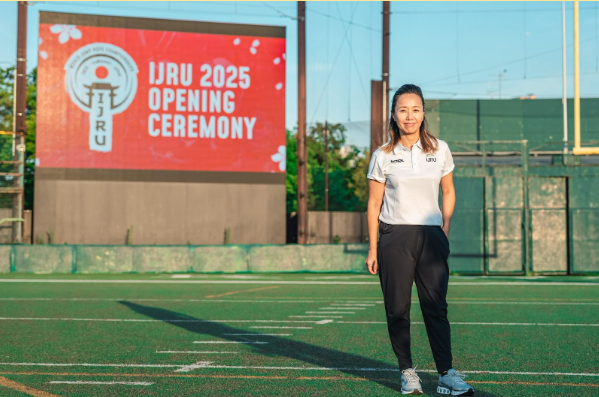
Li pointed out that tourists' travel behaviour has changed after the pandemic, and Hong Kong is facing greater challenges in attracting long-distance travellers.“It is extremely crucial to increase the duration of such stays for everyone (tourists).”
For long-term benefits, Aristotelis Stouraitis, Professor of Economics at HKBU, thinks Hong Kong must attract more international tournaments with global broadcasts, which not only draw long-haul visitors who stay several days but also provide invaluable worldwide publicity.
As a salesperson in Fan Town, a sports apparel shop in Kai Tak Mall, Dickson Tong believes that more promotional activities or events are needed because few people visit his shop on ordinary days.
Tong hopes the government will hold more small-scale events to attract additional foot traffic for his retail business.
《The Young Reporter》
The Young Reporter (TYR) started as a newspaper in 1969. Today, it is published across multiple media platforms and updated constantly to bring the latest news and analyses to its readers.
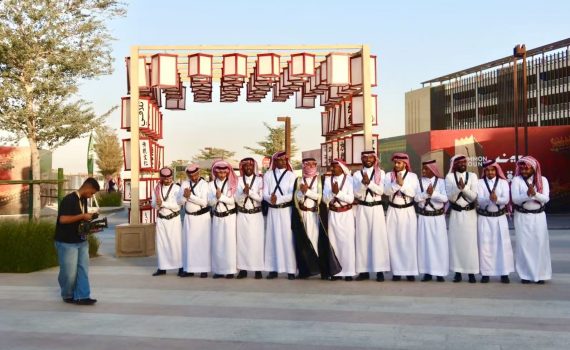
Saudi-Chinese cultural festival: Chinese cuisine draws crowds in Riyadh

From concert dreams to criminal threats: Hong Kong students trapped in cross-border scams


Comments