
Hong Kong will expand bond issuance to address the funding needs of infrastructure projects, Paul Chan Mo-po, the Financial Secretary, announced in his 2026 Budget Speech on Wednesday.
Chan said that about HK$160 billion to HK$220 billion worth of bonds will be issued in each of the next five years, and more longer-term bonds will also be issued to align more closely the cash flow duration with project requirements in future.
Zou Xin, Associate Professor in the Department of Accountancy, Economics and Finance at Hong Kong Baptist University, said that sustained infrastructure development is vital to Hong Kong’s progress, as it can help attract capital as well as enhance the city’s overall urban landscape.
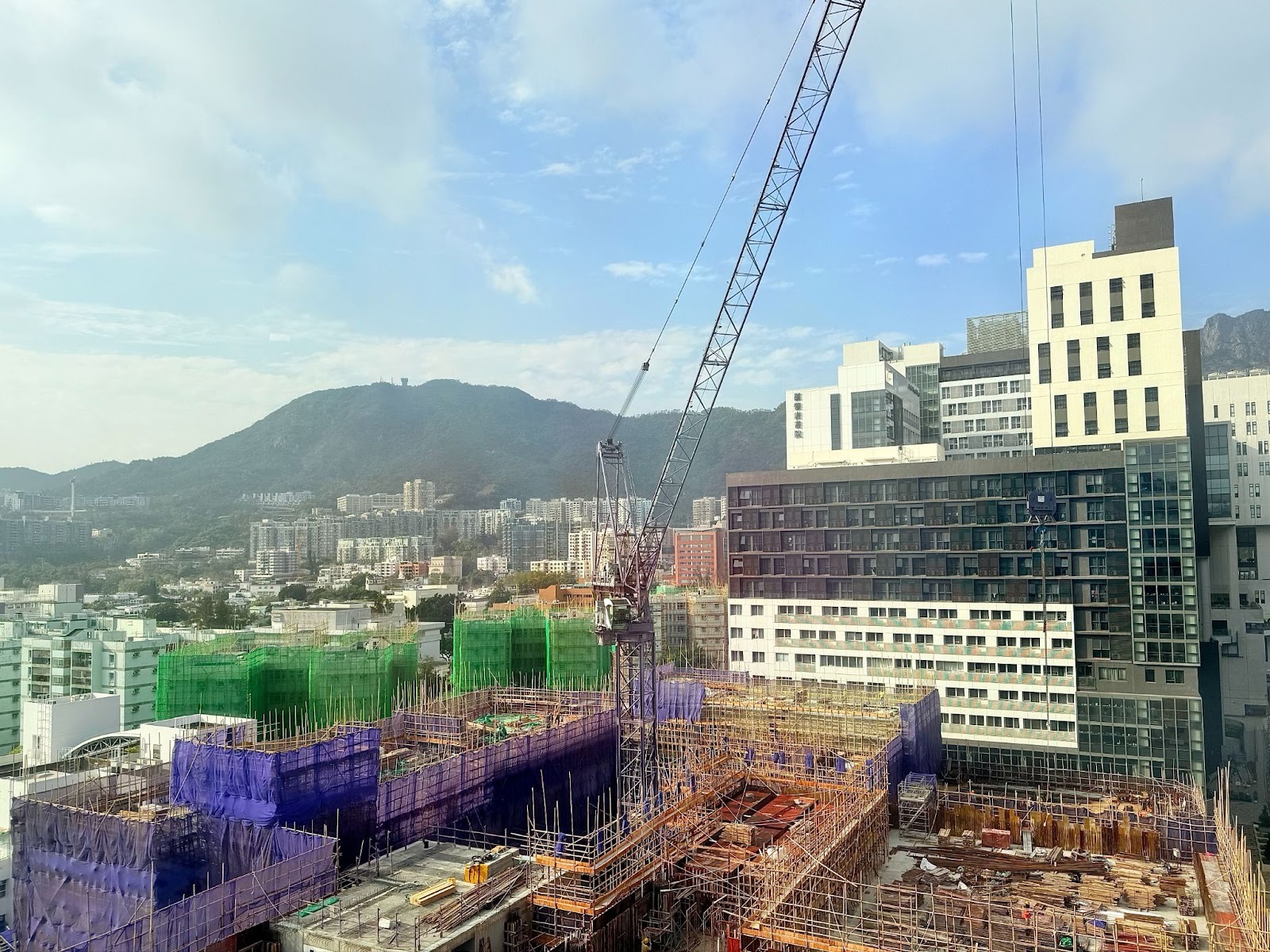
As of Mar. 31, 2025, the government had issued a total of HK$105.2 billion in infrastructure bonds. According to the government, over the fiscal years spanning 2026-27 to 2030-31, the government’s operating accounts are expected to continue to show a surplus, while non-operating accounts are projected to still show a deficit annually, mainly due to a high level of infrastructure spending.
Dong Ding, Professor in the Department of Accountancy, Economics and Finance, at Hong Kong Baptist University believed that now is a suitable time to issue bonds.
He said that, against the backdrop of falling global interest rates, both the US and Hong Kong have entered a rate-cutting cycle, keeping borrowing costs at a relatively low level. Meanwhile, Hong Kong’s economic growth remains steady at 3%–4%, creating a favorable environment for bond issuance.
“When interest rates are lower than economic growth rates, borrowing is essentially a zero-cost activity, even a ‘free lunch,’” Dong added.
Yet, Dong also mentioned some potential risks.
He said that market uncertainty may be one of the major risks associated with the bond issuance as a slowdown in economic growth, deflationary pressures and interest rate trends could directly impact the issuer’s debt repayment capacity.
Another risk relates to project returns. Currently, 20 eligible projects have been included in the government’s infrastructure bond programme, with 10 located in the Northern Metropolis.
Dong said that while the government expects these investments to generate stronger financial returns and improve its economic situation in the long term, the returns from such development projects remain uncertain.
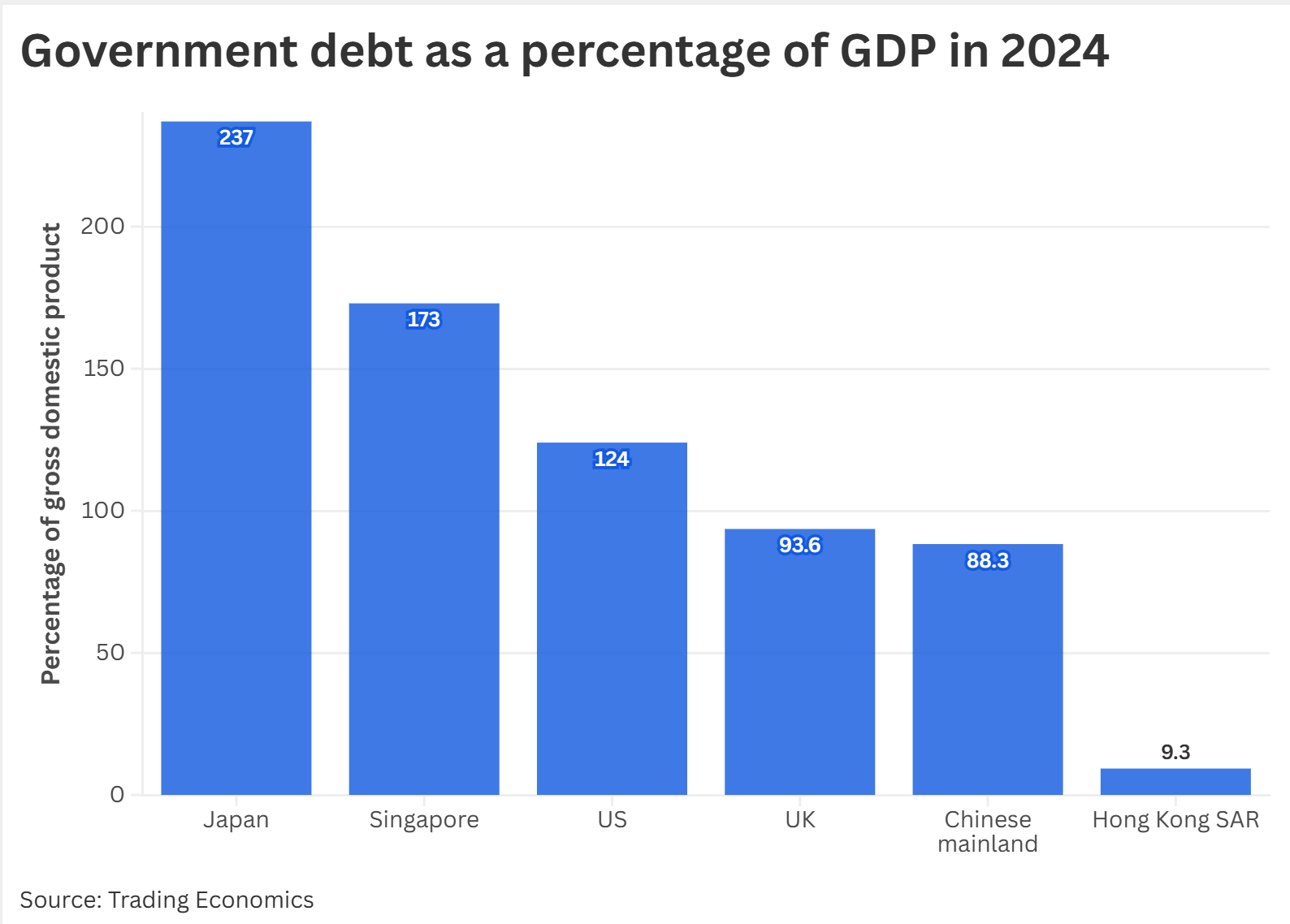
Looking ahead, Dong pointed out that issuing bonds will not change the fundamentals of Hong Kong’s economy. He also added that Hong Kong’s current debt ratio is at a very low level, and issuing bonds to boost the economy is a sound option for now.
《The Young Reporter》
The Young Reporter (TYR) started as a newspaper in 1969. Today, it is published across multiple media platforms and updated constantly to bring the latest news and analyses to its readers.
Budget 2026: Paul Chan addresses concerns in press conference
Shelters and government housing for street sleepers don’t meet needs, experts say


Comments