
When she was just 15, Fung, who does not want to reveal her full name for fear of negative consequences, found herself having her first sexual encounter. It was neither planned nor reckless.
Years later, she said she did not regret it, but she wished she had known more about her body, consent and the emotions she felt that night.
“I don’t feel bad about my decision, but if I had known more about this behaviour, I wouldn’t have felt so confused,” Fung said.
Fung’s story is not unique. As access to social media, pornographic content and online conversations about sex continue to rise, the city’s Gen Z population is learning about intimacy at a younger age in a world that they say is more confusing than ever. But they say sex education in public schools has not caught up.
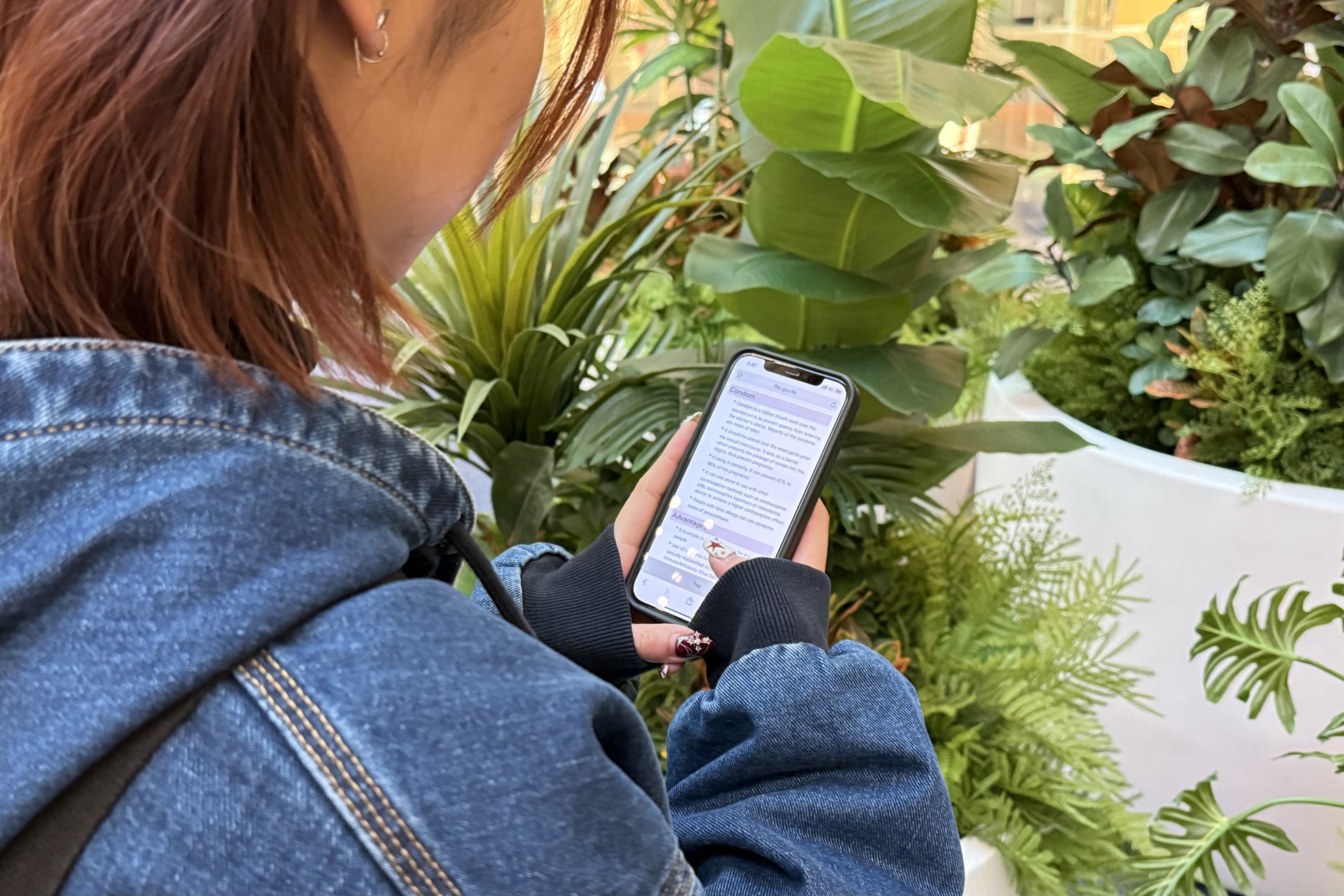
Fewer young people are having sex, according to the latest survey by the Family Planning Association of Hong Kong in 2021. But among those who are, the average age has dropped to 14.
In 1997, the Education Bureau published guidelines for schools on sex education, but left it up to the schools to design their own programmes. By following those guidelines, schools focused more on values and attitudes towards sexuality, while providing less information about practical knowledge, such as condom use and how to prevent HIV.
Sex education in formal lessons often emphasises the physiological aspects, such as reproduction mechanics, which may overlook psychological and social topics, such as sexual consent and gender equality, according to a 2022 study by the Equal Opportunities Commission, a semi-governmental agency concerned with public social issues.
“When condoms or the process of sexual intercourse were mentioned in class, the teacher just briefly glossed over them and moved on. I didn’t get any practical knowledge from school, so I felt confused during my first experience,” Fung said.
Last year, the Bureau issued sex education support material for all secondary schools, giving teaching references in sex education within citizenship, economics and society lessons. The material emphasises abstinence and suggests teens should play badminton instead of having sex to redirect sexual desire.
This sparked a wave of jokes online, turning the commonly used slang “friends with benefits” into “friends with badminton” as a euphemism for having sex.
“Some of my classmates started making jokes after the term became popular online. Whenever they saw someone playing badminton in physical education lessons, they would laugh and say, ‘Oh, are you playing badminton with somebody?’” said Ng Yin-ki, 13, a secondary school student.
The widely criticised document also advises students to avoid sexual impulses by “dressing appropriately to present a healthy image and to avoid visual stimulation from sexy clothing.”
“Schools rely on abstinence-based teaching in sex education, which is outdated,” said Macy Chan, 30, an influencer who advocates sexual autonomy. “They advise students to dress properly, but students don't know how and why, as schools’ standards are not clear enough and may not align with what they have received from their parents.”
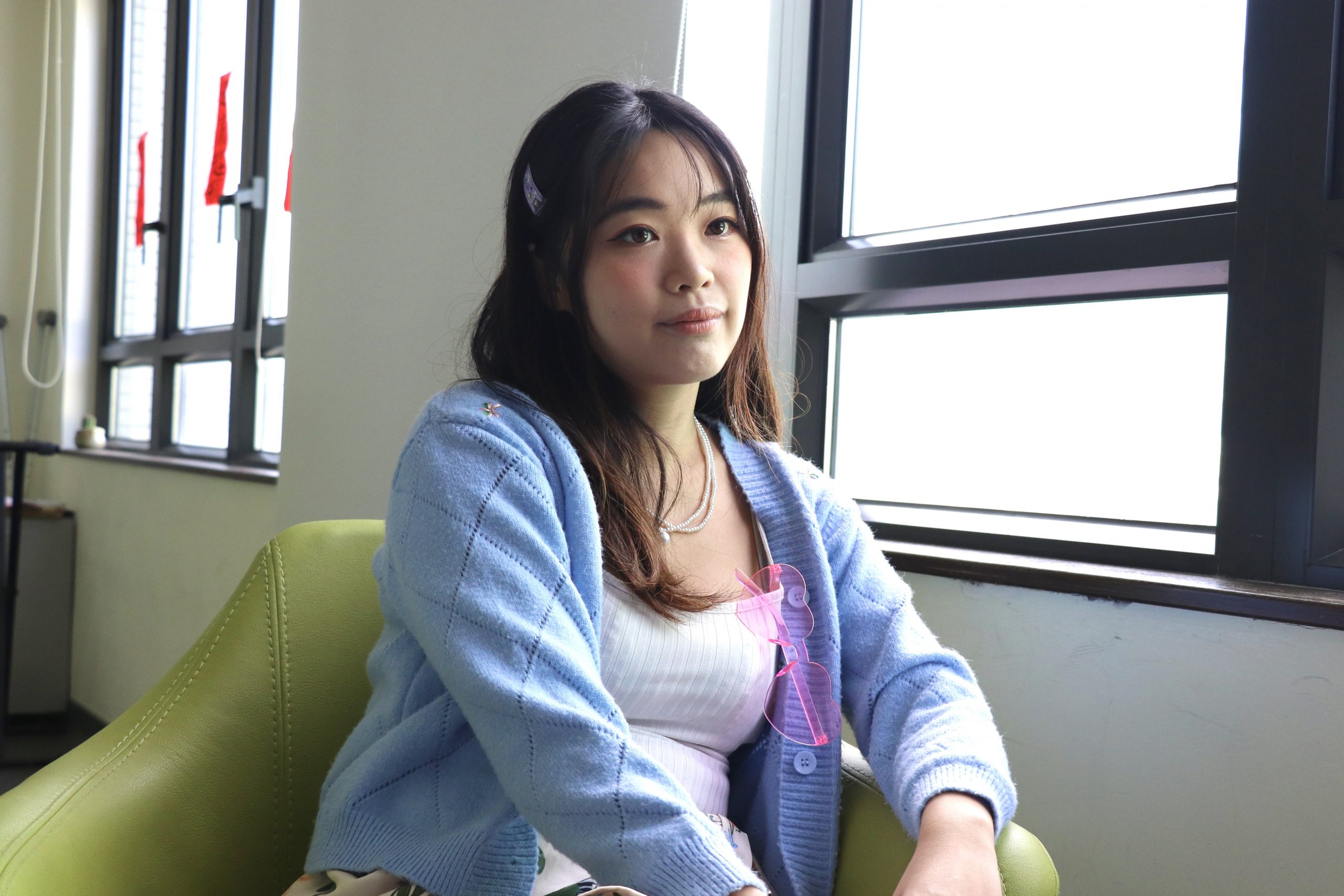
Chan said telling girls to dress appropriately to protect themselves is not a long-term educational solution, as it is a form of victim-blaming.
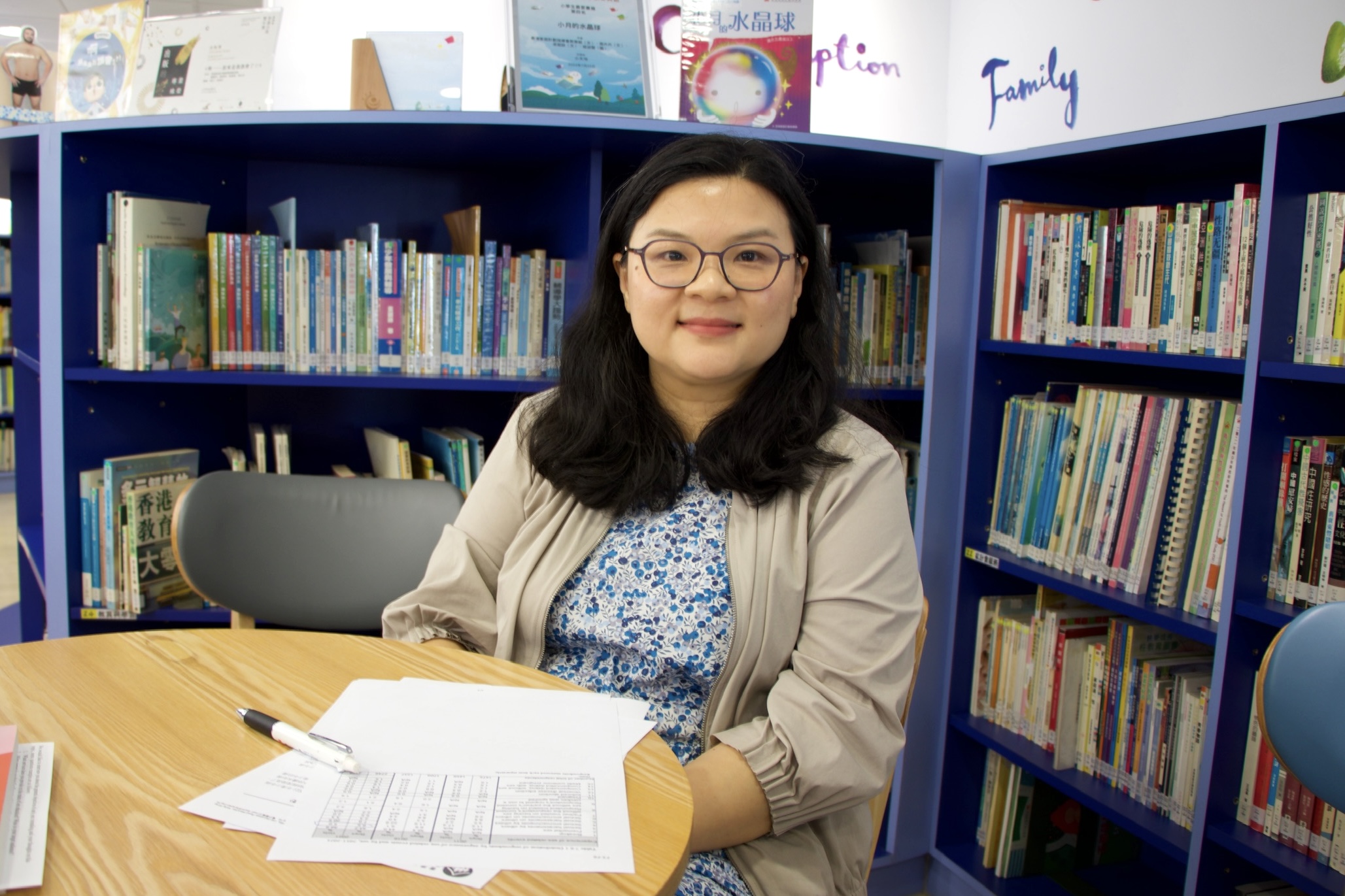
Chau Wai-wai, an education officer with the Family Planning Association, frequently conducts sex education sharings in primary and secondary schools. She said one of the challenges teachers face in delivering sex education in schools is that students are already overloaded with other subjects.
The Bureau updated the sex education guidelines in 2001, but has not made sex education a separate subject in primary and secondary schools till now. “As it is interrelated with other cross-curricular domains in values education, it should not be delivered as an independent subject,” said Dr Choi Yuk-lin, the Secretary for Education, in a written reply in a Legislative Council meeting in 2024.
Around 80 per cent of schools incorporated elements of sex education into various subjects, including Integrated Science for junior students and Biology for senior students, according to a 2022 study by the Equal Opportunities Commission.
“There are one to three workshops on sexual content held each school year,” said Lau. “Apart from that, we only have one chapter in citizenship and social development lessons to learn about the rights and wrongs of having sex.”
“I want to know more about how to manage a romantic relationship or sexual identity, but it feels like we are just skimming the surface now,” she added.
Chau said more teaching sessions would be beneficial for students, as education requires sufficient resources and time.
“Since sex education is not compulsory in many secondary schools, teachers often prioritise other core subjects,” she said. “Even though some of them are keen to teach sex education, they frequently lack the time necessary to do so.”
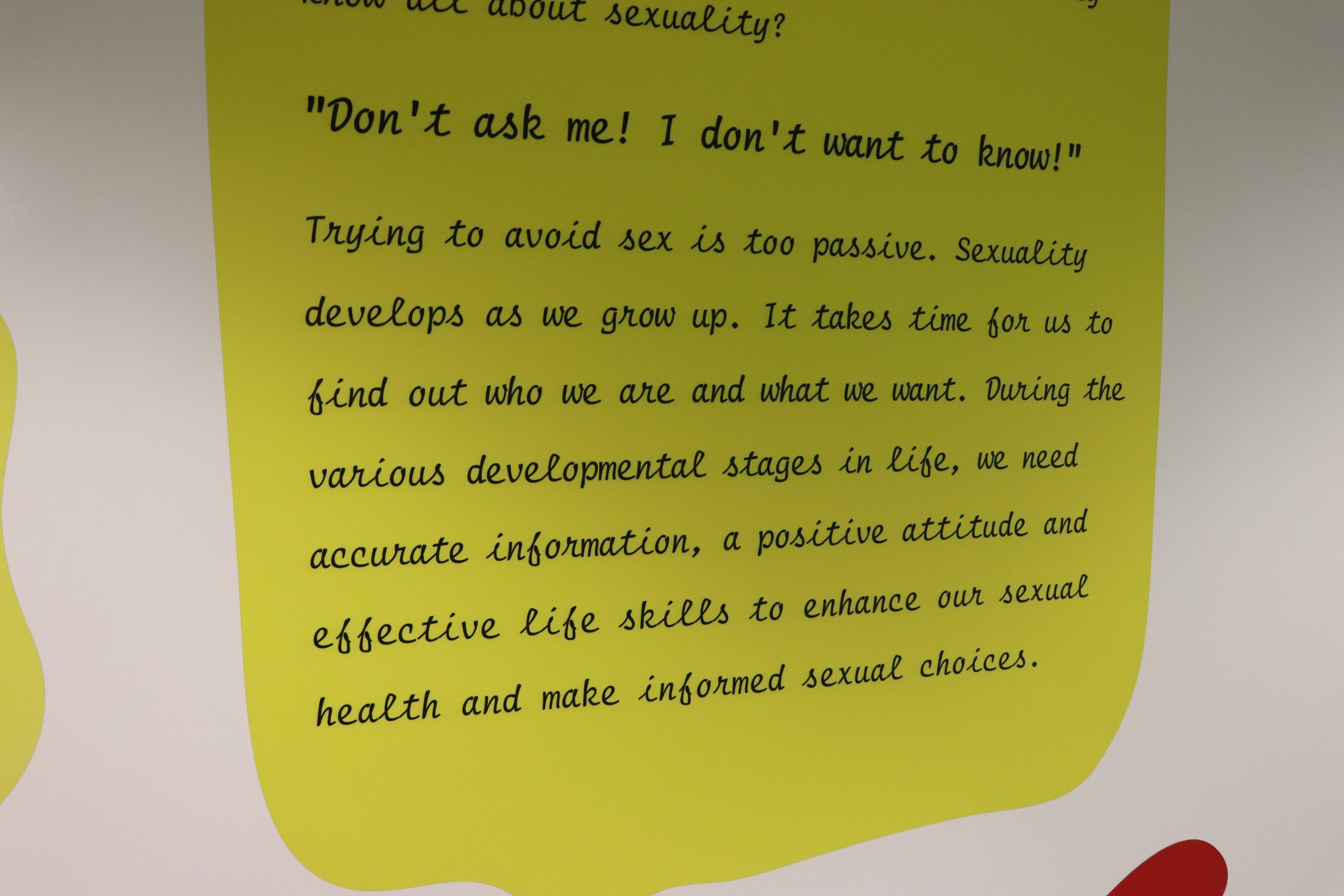
Besides, Chan said schools usually discourage students from asking, doing, or chatting about this sexual content. “But the curiosity won't disappear, they just go online,” said Chan.
The latest survey by the FPAHK in 2021 found that about 60% of girls and 65% of boys had been exposed to pornographic content on social media, compared to 33% and 59% in 2016.
“Children as young as 10 can access pornography online with a single click,” Chau said.
Chau added for many young people, the media fills the silence left by schools. “Between Korean dramas that romanticise toxic relationships and social media that exaggerates sexual norms, Gen Z often absorbs unrealistic notions of love and desire,” she said.
Chan said real sexual learning should focus on autonomy, referring to the ability to make informed, independent decisions about one’s own body and relationships, which is the core of her advocacy.
“Most KOLs use reels to provide information about sex. We can convey our message simply by using positive language or vague sex terms,” said Chan.
“But autonomy means using your own experiences and judgement to define what you want,” she added. “Not what your parents, your friends or your favourite YouTuber tell you is right or wrong.”
“Many Gen Zers think everyone else is already doing things that they themselves have not experienced. They start rushing to compare instead of understanding,” Chau added.
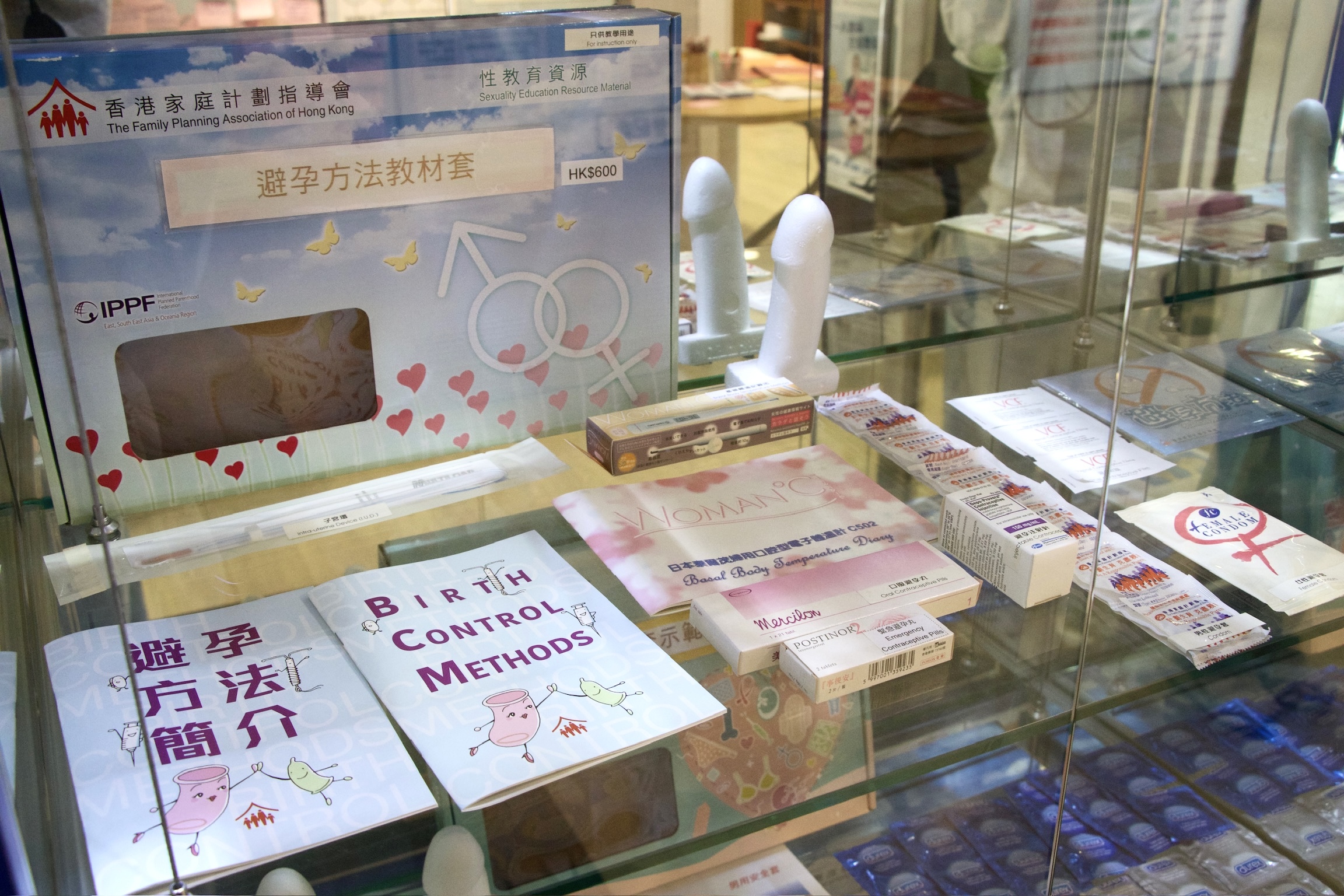
According to an online resource from FPAHK, seeking peer recognition is one of the common mistakes young people often make when it comes to sex.
“My friends treated it as just another milestone or achievement, but after it actually happened to me, I was anxious, questioning whether it was worth making such an important life choice based solely on peer pressure,” said Lee Tsz-hin, 18, who, like Fung, had his first encounter at 16.
“I don’t think Hong Kong is a very conservative society, but somehow, people here are not used to discussing sex openly or in formal settings. When it comes to sexual concepts or ideas that go beyond physiological knowledge, people often feel embarrassed or uncomfortable,” said Chau.
“Sometimes, students make jokes about sex, making it difficult to deliver the message properly in the classroom. In fact, teasing or joking around is also a sign of discomfort, saying students aren’t willing to talk about it further,” she added.
Fung seldom mentioned her experience to anyone, not even her family and friends. “It was difficult for me to confide in others because I felt bringing up my sexual behaviour would just make things or the atmosphere very awkward,” she said.
“But looking back, I realise that we can only truly understand the complexities of our relationships, emotions and bodies when we feel free to talk about our concerns and experiences,” Fung added.
《The Young Reporter》
The Young Reporter (TYR) started as a newspaper in 1969. Today, it is published across multiple media platforms and updated constantly to bring the latest news and analyses to its readers.

Hong Kong office market active on relocations, but recovery fragile

Art Basel Hong Kong logs seven-figure deals and crypto sales amid global market rebound


Comments