
FinTech Week 2025: Hong Kong Advances Asset Tokenisation Agenda Amid Industry Concerns Over Implementation
- By: Zhou Xinying、Wang YunqiEdited by: XIA Fan、BO Chuxuan
- 2025-11-10
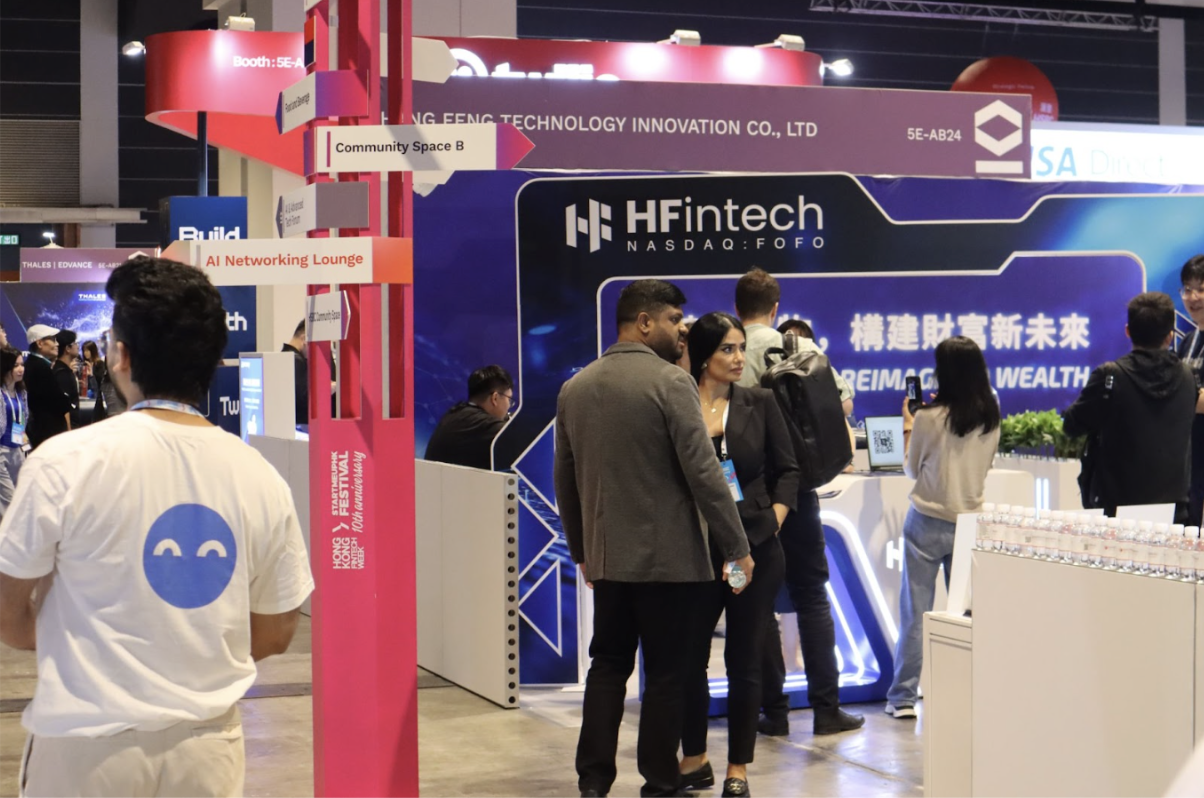
Hong Kong FinTech Week has unveiled “Fintech 2030” to reiterate its ambition for the tokenisation of real-world assets, with fintech exhibitors highlighting RWA bottlenecks.
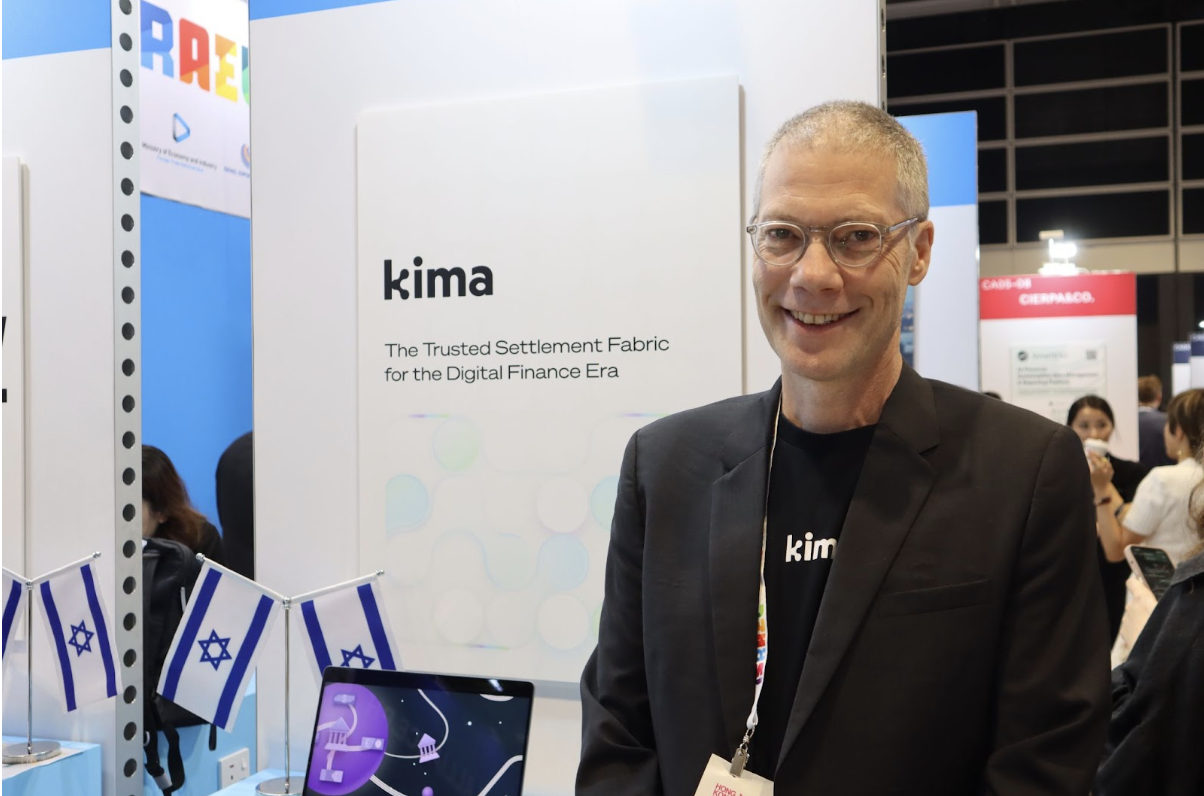
Eitan Katz, the CEO and Co-Founder of Kima, a company that focuses on atomic settlement at the forum, emphasises several significant challenges of RWA today: technical challenges, compliance-related and regulation-related challenges, operational challenges, and business challenges.
“The core technical challenge we’re addressing is connecting two financial worlds - traditional and digital,” he said, “The risk today is that these are disparate ecosystems, assets can be issued on-chain without true backing in the real world, and they cannot be transferred between ecosystems.”
Under the “Fintech 2030”, Eddie Yue Wai-man, Chief Executive of the Hong Kong Monetary Authority (HKMA), reinforced “tokenised finance” as one of the four strategic pillars.
“To build a vibrant tokenisation ecosystem in Hong Kong, the HKMA will accelerate the tokenisation of real-world assets (RWAs), including financial assets, and lead by example by regularising the issuance of tokenised government bonds and exploring the concept of tokenising the Exchange Fund papers,” said Yue during his keynote speech.
Such an address aligns with broader efforts, as Hong Kong has been pushing to position itself as a leading crypto hub in Asia by rolling out a licensing regime for stablecoins, a type of currency-pegged digital asset, alongside various tokenisation pilot programs.
“We will now begin incubating mature real-value use cases where tokenised deposits can offer significant advantages, starting with tokenised money market funds,” said Yue.
By converting traditional assets into digital tokens, Hong Kong aims to expand liquidity and bridge established financial instruments with decentralised digital markets.
Meanwhile, the city’s regulatory action on stablecoin is another hot topic among exhibitors.
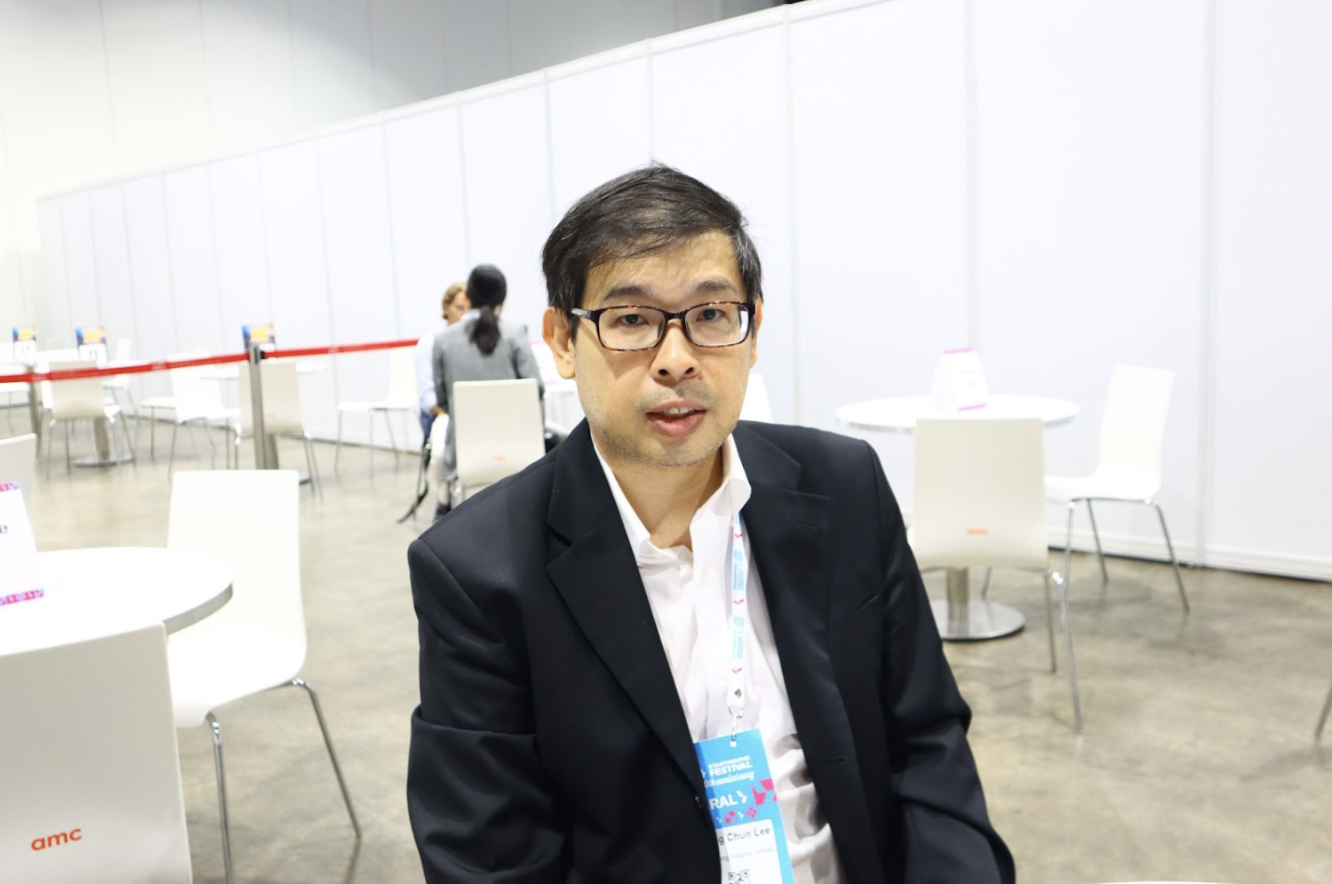
"Hong Kong provides clear requirements, mandating that stablecoin issuers maintain a certain level of capital reserves. This regulatory clarity is crucial for accurately assessing business costs and operational viability,” said Kheng Chun Lee, Founder and CEO of Clearspring Insights, a firm advising on payments, AI, and regulation. For instance, HKMA's regular issuance of tokenised government bonds expands market depth and breadth, attracting more participants who will use tokenised deposits and stablecoins for purchases, added Lee.
《The Young Reporter》
The Young Reporter (TYR) started as a newspaper in 1969. Today, it is published across multiple media platforms and updated constantly to bring the latest news and analyses to its readers.
Local green institutions call for environmental conservation after super typhoon hit in Yuen Long
First-person shooter game leaves young Chinese players with heavy losses after the collapse of virtual trading market


Comments